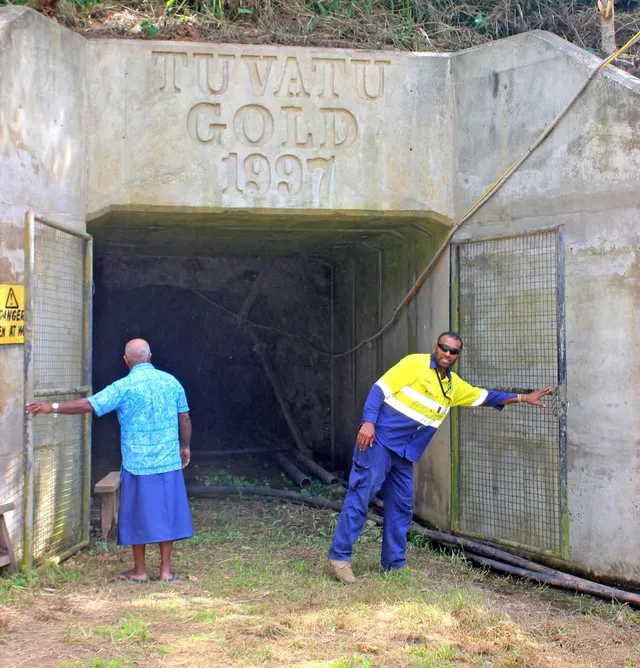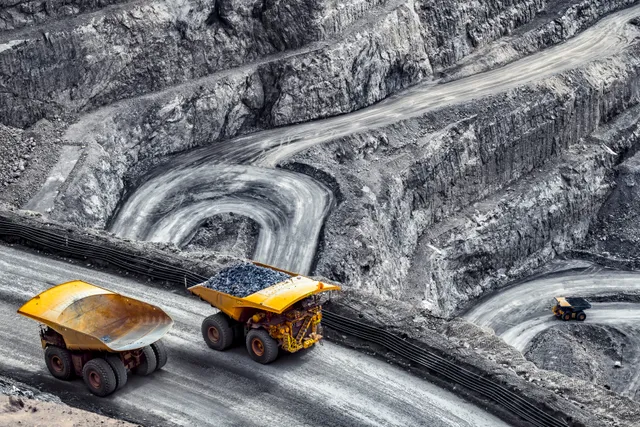
New high-grade gold results from Lion One Metals’ Tuvatu project in Fiji have highlighted geological similarities with Papua New Guinea’s Porgera mine, as the Canadian company continues underground drilling at one of Fiji’s emerging gold operations.
Lion One reported an intercept of 4.2 metres grading 715.15 grams per tonne gold, including 0.45 metres at 6,571.20 g/t, from underground drilling at its 100-per-cent-owned Tuvatu Alkaline Gold Project. The company said the result was the highest-grade assay returned from the project to date.
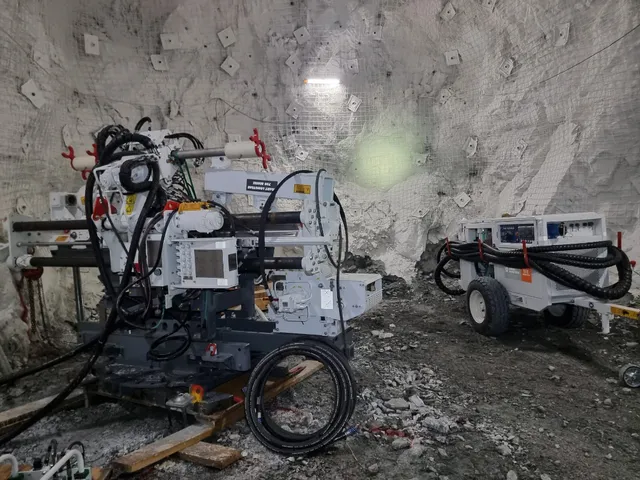
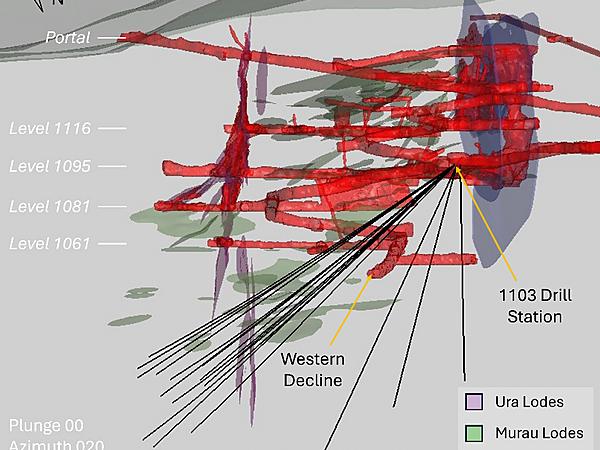
The drilling programme covered 3,337.3 metres of underground infill and grade-control drilling, targeting the southern and down-dip extensions of the Ura and Murau lodes in Zone 2. Fourteen of 18 drill holes intersected high-grade mineralisation, while three holes were abandoned.
Lion One said most of the high-grade intersections were located between 15 metres and 75 metres from existing underground development and within 50 metres vertically. The company expects the results to be incorporated into its mine plan over the next 12 months.
Porgera comparison
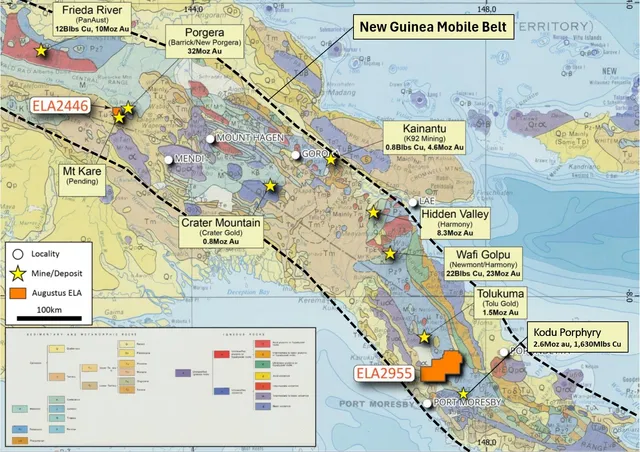
The latest results have particular relevance for PNG because of the similarities Lion One has identified between Tuvatu’s mineralisation and the alkaline gold systems at Porgera and Vatukoula in Fiji.
The 715.15 g/t intersection was located about 55 metres from the Western Decline and cut a shallow-dipping, roscoelite-bearing vein forming part of the Murau lode system.
Lion One said roscoelite mineralisation is a defining feature of alkaline gold systems and is directly associated with high-grade gold. Similar mineralisation occurs at Vatukoula and Porgera, which has produced more than 25 million ounces of gold.
The company also pointed to Porgera’s Stage II quartz-roscoelite-pyrite veins, which contain native gold and occur within Zone VII of the Roamane fault zone.
Zone VII produced 5.1 million ounces of gold at an average grade of 27 g/t, with individual veins locally containing hundreds to thousands of grams per tonne gold, according to Lion One.
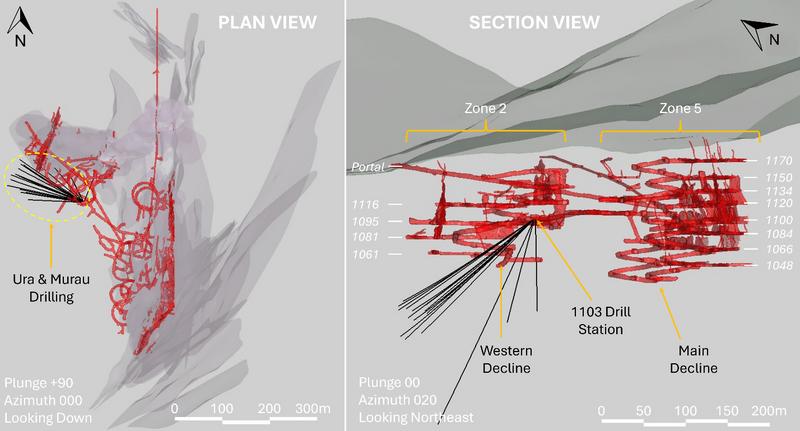
Lion One said five assays from the latest 14 holes that intersected high-grade mineralisation returned more than 100 g/t gold, including the record 6,571.20 g/t result.
The company also noted that the Ura shrinkage stope at Tuvatu, located about 100 metres above the latest drilling, previously produced 5,704 tonnes at 10.6 g/t gold.
Underground expansion
Lion One president and chief executive Ian Berzins said the latest results demonstrated the potential to expand the Tuvatu resource through further underground drilling.
“We’re extremely pleased with the new results from our Zone 2 drilling,” Berzins said.
He said the 715.15 g/t result over 4.2 metres was the highest-grade intersection over width in Tuvatu’s history and came from an area with limited previous drilling.
“The Ura and Murau systems are a developing target and this type of intersect is testament to the potential of the system as we continue to drill and expand the resource at Tuvatu,” he said.
The Ura and Murau systems remain open at depth and along strike, presenting opportunities for further resource expansion, the company said.
The Murau structures, known locally as “flatmakes”, are shallow- to flat-dipping mineralised veins. They generally strike east-west and dip at about 20 degrees to the north or northwest, with mineral assemblages including quartz, roscoelite, arsenian pyrite and visible gold.
Lion One said the latest drilling is focused on areas outside its current resource and mine plan, with the results expected to support additional mining levels in Zone 2.
Drilling remains ongoing, with the company continuing to test the Ura and Murau lodes below existing underground workings.
The company said the Tuvatu project includes a high-grade gold deposit, underground mine, pilot plant and assay laboratory, with exploration continuing across the wider Navilawa Caldera.