October 07, 2026

The Office of Workers’ Compensation (OWC) has taken a  major step in its digital transformation, signing a contract with NiuPay Limited to design, build and  support the new OWC Website Development Platform. The platform will give injured workers,  their dependants, employers, insurers and insurance brokers access to OWC’s information and  services 24 hours a day. 

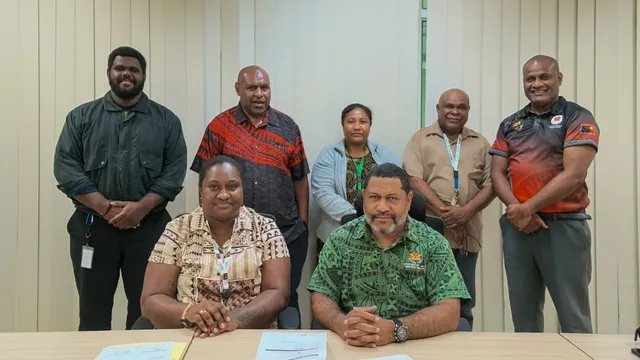
The contract was signed at OWC’s offices in Port Moresby on 2 October 2026 by Chief  Commissioner Mr Martin Pala, and NiuPay Business Development Manager Ms Kristina  Kekedo, following a competitive tender. NiuPay was among three shortlisted bidders, and its  technical proposal ranked highest in OWC’s evaluation. 

The project supports OWC’s drive to align its services with the Digital Government Act 2022 and  the digital government agenda of the Department of Information and Communications  Technology (DICT). OWC’s evaluation panel found NiuPay’s proposal fully aligned with the Act,  DICT’s Government Cloud Policy 2023 and the DICT Government Website Standards 2023, the  frameworks that guide how public bodies deliver secure, interoperable services online. 

“We want an electronic front desk that gives our clients and stakeholders better access to our  services,” said Chief Commissioner Pala. “Information should be available 24 hours a day and  easy to use for people at every level of computer literacy, so the man on the street can find us,  understand our services and use them.” 

Established under the Workers’ Compensation Act 1978, OWC is a statutory office of the  Department of Labour and Industrial Relations. It administers compensation claims for workplace  injuries and deaths, and enforces compulsory workers’ compensation insurance across Papua  New Guinea. The new platform builds on OWC’s earlier move to online claims lodgement, with a  modern, user-friendly design and a secure link to OWC’s internal processing system, so clients  can follow the progress of their claims and officers can track cases. 

In line with DICT’s Government Cloud Policy, the platform will run on AWS, one of DICT’s  approved government cloud providers, across two availability zones for resilience. OWC will keep  full ownership of the cloud environment, the encryption keys and the source code from day one,  and NiuPay will provide 24/7 monitoring and support for three years. 

“OWC supports workers and their families at some of the most difficult moments in their lives,  and we take seriously the responsibility of building the platform they will rely on,” said Ms Kekedo.  “We thank Chief Commissioner Pala, Commissioner Kolias and the OWC team for their trust,  and we look forward to working alongside them to deliver a service every Papua New Guinean  can use with confidence.”

Work on the project began on 5 October. A Port Moresby-based NiuPay team is  delivering it: Project Delivery Manager Mr Alistairs Dirua and Junior UI/UX Engineer Mr Julian  Togel, with engineering support from NiuPay’s senior and executive teams. 

About NiuPay

Founded in Port Moresby in 2018, NiuPay designs, builds and supports secure, cloud-native mission-critical platforms for governments, regulated sectors and Tier-1 enterprises across Papua New Guinea and the Pacific. NiuPay is an AWS Select Tier Services Partner.

About the Office of Workers’ Compensation

The Office of Workers’ Compensation is a statutory office of the Department of Labour and Industrial Relations, established under the Workers’ Compensation Act 1978. OWC provides compensation-related services to workers and their dependants for injuries and deaths arising out of or in the course of employment, regulates and administers compensation claims, and enforces compliance with compulsory workers’ compensation insurance.

September 29, 2026

Australian electrical infrastructure partner CE Group is expanding its regional focus into the Indo-Pacific, building on its established operations and project delivery experience across the Pacific.

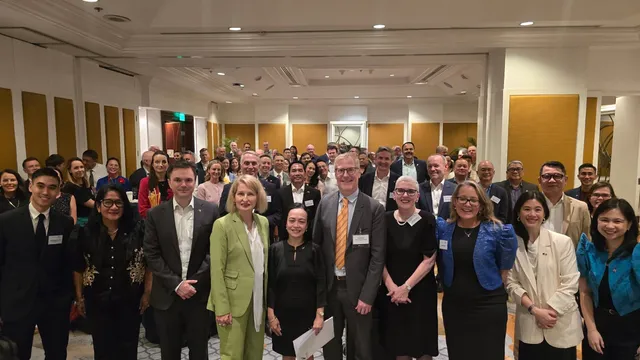
CE Group has taken another step in its regional growth strategy, joining the Australian delegation at the Asian Development Bank Business Opportunities Fair 2026 in Manila and contributing to discussions around the future of sustainable infrastructure across Asia and the Pacific.

The move reflects a broader direction for the Australian electrical engineering and infrastructure business: taking the experience developed across Australia, Papua New Guinea, Solomon Islands and Fiji into the wider Indo-Pacific market.

For CE Group, that expansion is closely connected to the infrastructure challenges already familiar across the Pacific-energy security, resilient infrastructure, remote delivery, local capability and the need for stronger partnerships between government, development institutions, industry and communities.

Infrastructure investment is moving

The scale of planned investment across the Pacific demonstrates the opportunity ahead.
At the Manila forum, ADB outlined a US$3.652 billion active Pacific portfolio, a further US$3.686 billion program for 2026–2029, and a US$469 million procurement pipeline for 2026–2027.     

Transport, energy, water and urban infrastructure represent some of the largest areas of current ADB investment in the Pacific. But the regional conversation is increasingly extending beyond the infrastructure asset itself.

Climate resilience, local participation, workforce capability, supply chains and long-term economic value are becoming central considerations in how infrastructure is planned and delivered.

These are areas where CE Group sees a direct connection between its Pacific experience and the wider Indo-Pacific market.

Pacific experience provides the foundation

Delivering infrastructure in the Pacific requires a different operating model.
Distance, logistics, workforce availability, local supply chains and the capacity to operate in remote environments can influence every stage of delivery.

For CE Group, regional growth has therefore been built around developing capability on the ground rather than approaching the Pacific as an extension of the Australian market.

Its regional footprint now includes operations across Papua New Guinea, Solomon Islands and Fiji, supported by its Australian engineering, design, manufacturing and construction capability.

That experience is shaping the company's approach to the Indo-Pacific.

CE Group's focus is not simply entering new countries. It is building the relationships, local capability and delivery networks required to operate responsibly and effectively within them.

Joining the infrastructure conversation earlier

Participation in the ADB Business Opportunities Fair also placed CE Group within a much broader conversation about where regional infrastructure investment is heading and how industry participates.

ADB's Pacific program specifically examined development priorities for the next three to five years, emerging investment areas and where greater industry capability and innovation will be required.    

For CE Group, engagement at this level represents an important evolution.

The business is moving beyond responding to individual project opportunities and engaging earlier with the governments, development institutions, delivery partners and industry networks influencing the region's infrastructure pipeline.

That includes understanding where investment is being directed, the infrastructure priorities of individual countries and the role Australian capability can play alongside local and regional partners.

Beyond Borders

CE Group's Indo-Pacific direction builds on a straightforward principle: infrastructure should create value beyond the asset being constructed.

Local employment, skills development, stronger supply chains and enduring in-country capability are increasingly important measures of successful regional delivery.

As investment in energy and critical infrastructure continues across the Indo-Pacific, CE Group intends to bring its electrical infrastructure capability and practical Pacific delivery experience into those conversations.

The geography may be expanding, but the approach remains consistent-work with local people, understand the operating environment and build partnerships capable of delivering infrastructure that lasts.

Beyond Borders. Progress Through Partnership.

September 08, 2026

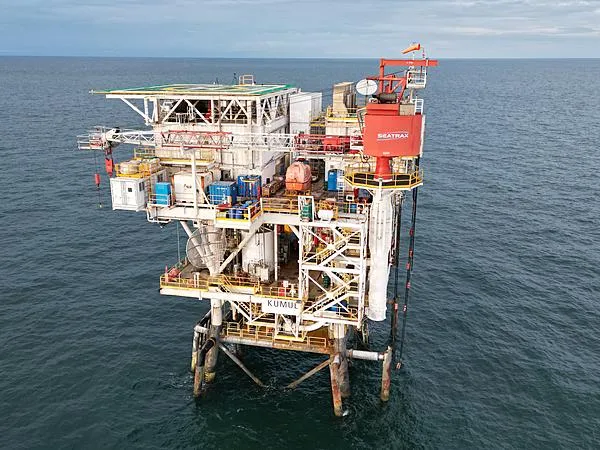
Santos is proud to recognise a historic milestone at the Kumul Marine Terminal (KMT), with the appointment of Jackson Jim as Team Leader, working back-to-back with Willie Mapal. This marks the first time the facility has been led entirely by Papua New Guinean nationals.

The achievement represents a significant moment in the history of one of Papua New Guinea's most important energy export facilities and reflects decades of investment in workforce development and capability building.

Located in the Gulf of Papua, the Kumul Marine Terminal is a critical piece of national energy infrastructure, serving as the primary offshore export terminal for crude oil production. Since commencing operations, the facility has played a vital role in supporting Papua New Guinea's petroleum industry and contributing to the country's economic development through safe and reliable oil exports.

Santos PNG Vice President PNG Operations, Rhys Ward, said the milestone demonstrates the strength of national talent and the company's commitment to developing Papua New Guinean leaders.

"The appointment of Jackson and Willie to lead the Kumul Marine Terminal is a proud achievement for Santos and Papua New Guinea. It reflects the dedication, professionalism and capability of our national workforce and demonstrates what can be achieved through long-term investment in people and leadership development.

"KMT is a critical asset within our operations. Seeing it fully led by Papua New Guinean nationals is a testament to the depth of talent within our workforce and our commitment to building sustainable careers for Papua New Guineans."

Santos Country Chair PNG, Leon Buskens, said the milestone reflects the company's long-standing commitment to developing Papua New Guinean talent and leadership.

"The Kumul Marine Terminal has been a cornerstone of Papua New Guinea's oil export industry for many years, and seeing it now fully led by Papua New Guinean nationals is a significant and proud achievement."

Jackson Jim, Team Leader, Kumul Marine Terminal, said he was proud to be part of the first fully Papua New Guinean leadership team at KMT, demonstrating Santos' commitment to developing local talent.

"I started with the company as an apprentice in 2007, so this is a proud moment for me personally. As PNG's petroleum industry continues to grow, I hope this achievement encourages more Papua New Guineans to see the opportunities available and pursue careers in the sector."

As Team Leader, Jackson Jim will oversee the safe and efficient operation of the terminal while continuing to champion operational excellence and workforce development. Together with Willie Mapal, the leadership team will continue to build on KMT's strong safety culture and commitment to reliable performance.

Santos congratulates Jackson, Willie and the entire KMT team on this landmark achievement and recognises their contribution to the continuing success of Papua New Guinea's oil and gas industry.

Background:

  • Jackson joined the company in 2007 as an Apprentice, while Willie joined in 2002 as a Platform Operator Trainee.
  • KMT commenced export operations in 1992.
  • The first export cargo, #0001, was loaded on 27 June 1992 onto the Ten-ei Maru tanker, carrying 650,000 barrels.
  • KMT has safely completed 1,064 loadings since that date.
  • KMT has exported approximately 664.8 million barrels of oil in total, based on 1,064 loadings of approximately 650,000 barrels each.
  • As of 31 August 2026, the facility has been in operation for 12,749 days, or approximately 34 years and two months.
  • Throughout this period, KMT has safely exported oil from Papua New Guinea 1,064 times.
  • Some KMT crew members have worked at the facility for more than 20 years, contributing to a highly experienced team.


August 21, 2026

 For more than two decades, CE Group has delivered complex electrical and engineering projects across Australia and the Pacific, building a reputation for providing practical, end-to-end engineering solutions in some of the region's most challenging operating environments. From major mining operations and hospitals to water infrastructure and renewable energy developments, the company has supported clients with integrated engineering services across a diverse range of sectors.

Founded in 2000 in South East Queensland, CE Group has steadily expanded its footprint beyond Australia into Papua New Guinea, Fiji, Solomon Islands, Vanuatu and New Zealand. Today, the privately owned business provides a full suite of services, from engineering design and electrical construction to switchboard manufacturing, commissioning and ongoing maintenance. Rather than engaging multiple contractors, clients increasingly turn to CE Group as a single integrated delivery partner capable of managing projects from concept through to completion.

As infrastructure projects continue to grow in scale and complexity, integrated project delivery has become increasingly important.

In response to this shift, CE Group has strengthened its in-house engineering capability, enabling it to become involved much earlier in the project lifecycle. Early engineering engagement helps reduce project risks while providing greater certainty around cost, quality and schedule. It also improves coordination and collaboration between project teams, identifies potential challenges before construction begins, and supports more efficient project delivery. 

By bringing engineers, designers, manufacturers and construction teams together under one roof, the company aims to deliver practical, buildable solutions that improve project outcomes.

The move also reflects broader changes across the infrastructure sector. Throughout Australia and the Pacific, governments and private investors continue to increase investment in renewable energy, water security, mining, industrial facilities and other critical infrastructure. 

Many project owners are seeking delivery partners with the technical capability to support projects from early planning and design through construction, commissioning and long-term maintenance, rather than contractors focused solely on construction.

For CE Group, expanding its engineering capability positions the business to meet that demand. The company says earlier involvement in project planning enables it to improve constructability, identify potential issues before construction begins, streamline project delivery and develop more efficient engineering solutions.

These capabilities have already been demonstrated across a diverse portfolio of projects. In Papua New Guinea, CE Group has contributed to major developments including the Angau Memorial Hospital Redevelopment and APEC Haus, while across Australia it has delivered electrical and engineering solutions for mining, water and industrial infrastructure projects.

Alongside strengthening its technical capability, CE Group continues to invest in its people and regional presence. The company now employs more than 450 people across multiple countries and maintains a strong focus on safety, workforce development and local capability building. Investing in local talent remains a key part of its regional strategy, particularly across Pacific markets where demand for skilled engineering and technical expertise continues to grow.

Looking ahead, the company expects continued investment in the energy transition, industrial expansion and essential infrastructure to create new opportunities across the region. With its expanded engineering capability and integrated delivery model, CE Group believes it is well positioned to support clients through every stage of increasingly complex projects.

As infrastructure demands continue to evolve, the company's strategy remains focused on combining engineering expertise, practical execution and long-term partnerships to deliver projects more efficiently, safely and reliably. In an environment where project certainty is increasingly valued alongside technical capability, CE Group's integrated approach is designed to help clients achieve better outcomes throughout the project lifecycle.

August 11, 2026

For ten years, Project Yumi has been making a difference in communities across Papua New Guinea, building partnerships, strengthening local capacity and delivering practical initiatives that continue to create lasting impact.

What began as a grassroots effort has grown into an Australian-registered charity working alongside communities in 20 of Papua New Guinea’s 22 provinces. Throughout its journey, Project Yumi has remained committed to a simple but powerful belief: sustainable development is achieved when communities are empowered to shape their own future.

That philosophy has resonated with organisations across the mining, resources and business sectors, where long-term success is increasingly measured not only by economic contribution, but also by the legacy left within the communities that support industry.

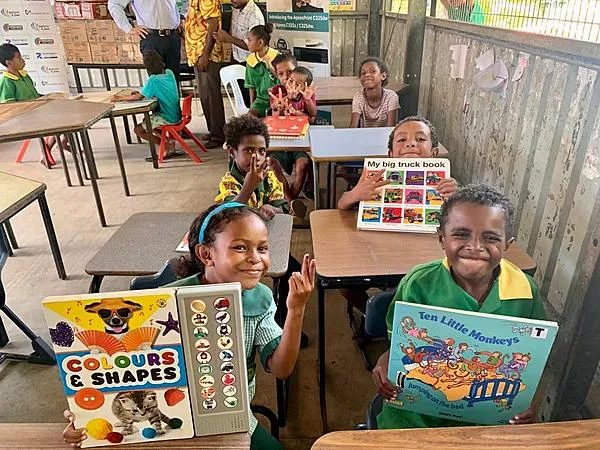
Through Project Meri, women have been supported through maternal health initiatives that encourage attendance at health facilities for antenatal and postnatal care. Healthcare providers have also received equipment and resources to strengthen frontline services. Meanwhile, Project Skul has helped schools access educational resources that create more engaging learning environments for students, while Project Wok has equipped young Papua New Guineans with employability skills and pathways into meaningful employment.

Beyond these flagship programmes, Project Yumi has worked with more than 150 schools, health facilities and community organisations, delivering resources that continue to improve opportunities for thousands of Papua New Guineans.

Yet for Project Yumi, success cannot be measured by numbers alone.

While the figures tell part of the story, the organisation believes its greatest achievements are reflected in stronger communities, increased local ownership and partnerships that continue long after the initial investment. For Project Yumi, sustainability has never been about delivering a project and walking away; it has always been about laying the foundations for communities to thrive independently.

This collaborative approach has enabled Project Yumi to work alongside a growing network of corporate partners, volunteers, donors and community organisations, many of whom contribute far more than financial support. Their expertise, logistics, professional skills and local knowledge have all played an important role in extending the reach and effectiveness of programmes across Papua New Guinea.

For the mining and resources sector, these partnerships demonstrate the value of investing in initiatives that complement broader sustainability and social investment goals. By working with trusted organisations that have established relationships within communities, businesses can contribute to meaningful, measurable outcomes while supporting the long-term wellbeing of the regions in which they operate.

As Project Yumi celebrates its tenth anniversary, the milestone is less about reflecting on the past than recognising what can be achieved through collaboration. The challenges facing Papua New Guinea remain significant, but so too are the opportunities when communities, industry and development organisations work together towards a shared purpose.

Ten years of impact is an achievement worth celebrating. More importantly, it marks the beginning of the next chapter — one focused on building healthier communities, stronger education systems and sustainable opportunities for future generations across Papua New Guinea.

July 06, 2026

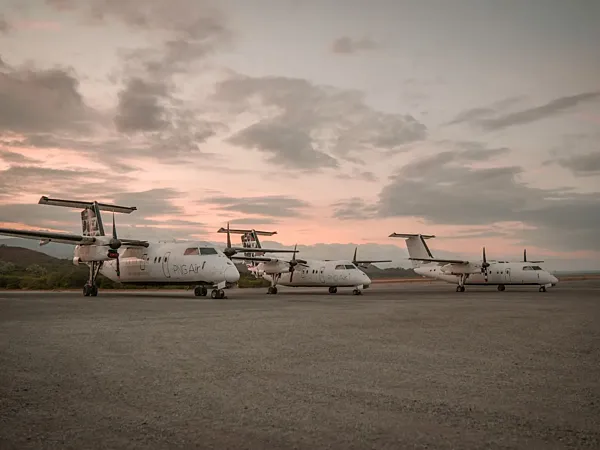
PNG Air has officially bid farewell to its iconic Dash 8 fleet, marking the end of an important chapter in the airline's history and the completion of its transition to a modern, all-ATR fleet.

For decades, the Dash 8 aircraft served Papua New Guinea with distinction, earning a reputation for reliability and versatility while connecting communities, supporting key industries, and operating into some of the country's most challenging airstrips.

As the fleet enters its next chapter, all three Dash 8 aircraft will continue their operational service with new operators overseas. One aircraft recently departed for Kenya, where it will join Renegade Air to support both domestic services and United Nations operations.

PNG Air Chief Executive Officer Mr Brian Fraser said the farewell marked both a proud achievement and a significant milestone for the airline.

"The Dash 8 has been an extraordinary aircraft for PNG Air and for the people of Papua New Guinea. These aircraft have connected communities and supported our nation's growth for many years. While we bid farewell to an important part of our history, we are excited about the future as we continue our transition to a modern ATR fleet," Fraser said.

The retirement of the Dash 8 fleet forms part of PNG Air's broader fleet modernisation programme. As the airline transitions to the ATR 72-600 and ATR 42-600, it is investing in the future of regional aviation through modern technology, enhanced safety systems, greater passenger comfort, improved operational performance, and increased environmental sustainability.

The ATR fleet offers industry-leading fuel efficiency and lower carbon emissions, supporting PNG Air's commitment to providing safer, more reliable, and more sustainable air services. The aircraft are also well suited to Papua New Guinea's unique operating environment, with the capability to serve regional and remote destinations efficiently.

About PNG Air

For nearly four decades, PNG Air has connected the people of Papua New Guinea through safe, reliable, and affordable air services. The airline currently operates more than 460 flights each week across 22 destinations, providing essential passenger and cargo services throughout the country.

April 06, 2026

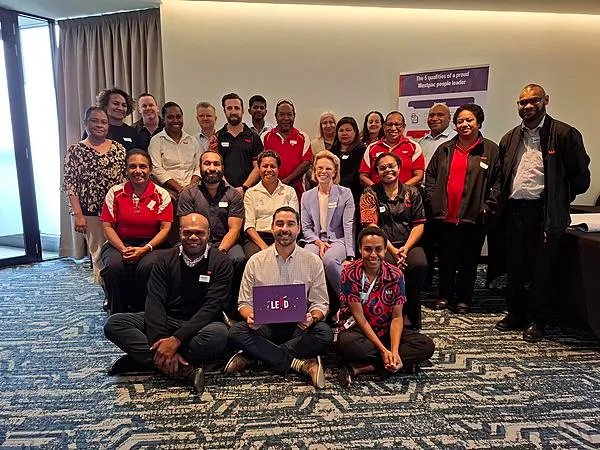
Westpac is making a significant investment in strengthening leadership capability across its Pacific businesses with the rollout of its best-in-class LEAD program in Papua New Guinea and Fiji this year, delivering training to 120 employees across the two markets.

LEAD is Westpac Group’s flagship leadership development program focused on building future-ready leaders through experiential learning, coaching, and strategic capability uplift.

The LEAD program is designed to build practical leadership capability, equipping participants with the skills, confidence, and mindset required to lead teams, support customers, and contribute to Westpac’s long-term success in the Pacific. The program will be delivered through in-person training sessions supported by online modules, ensuring the learning is relevant, grounded in local context, and immediately applicable in day-to-day roles.

By delivering the program locally, Westpac is enabling participants to learn alongside peers, strengthen networks across the business, and apply leadership learning directly within their teams and communities. The world-class format also supports deeper engagement, discussion, and reflection, reinforcing Westpac’s commitment to investing in meaningful, high-quality development experiences for its people.

The program covers:

• Leading Self – building self-awareness, confidence, and personal leadership effectiveness
• Leading Others – developing strong people leadership, communication, and coaching skills
• Strategic Thinking – strengthening decision-making and broader business understanding
• Leading Change – equipping leaders to navigate change and lead with agility
• Customer & Outcome Focus – linking leadership behaviors to customer and business outcomes
• Pacific Context Application – applying leadership skills in real-world PNG and Fiji settings

Maria Stefanac, Head of People, Pacific, said the LEAD program represents a significant investment in Westpac’s Pacific workforce.

“LEAD is a major investment in our people in Papua New Guinea and Fiji. We know that strong leadership is critical to creating a positive culture, delivering for our customers, and building a sustainable business for the future,” Stefanac said.

“This program has been designed to support our people to grow as leaders, build confidence in leading others, and develop skills they can apply immediately in their roles. By having Westpac Group trainers deliver the program here in the Pacific, we’re ensuring our leaders benefit from global expertise while learning in a way that is relevant, practical, and grounded in local context," she added.

Stefanac said the program also reflects Westpac’s broader commitment to developing talent from within and creating clear pathways for growth and progression.

“Investing in leadership capability is an investment in our future. Through LEAD, we are supporting our people to step into leadership roles, strengthen their impact, and continue to serve our customers and communities with confidence," Stefanac said.

Westpac Banking Corporation ABN 33 007 457 141. The liability of its members is limited. Westpac is represented in Papua New Guinea by Westpac Bank - PNG - Limited.

The LEAD program forms part of Westpac’s ongoing focus on capability building and people development across the Pacific, recognizing that empowered, well-supported leaders play a critical role in driving strong performance, engagement, and customer outcomes.

By continuing to invest in programs such as LEAD, Westpac is reinforcing its long-term commitment to its people in Papua New Guinea and Fiji and to building leadership capability that supports sustainable growth across the region.

March 30, 2026

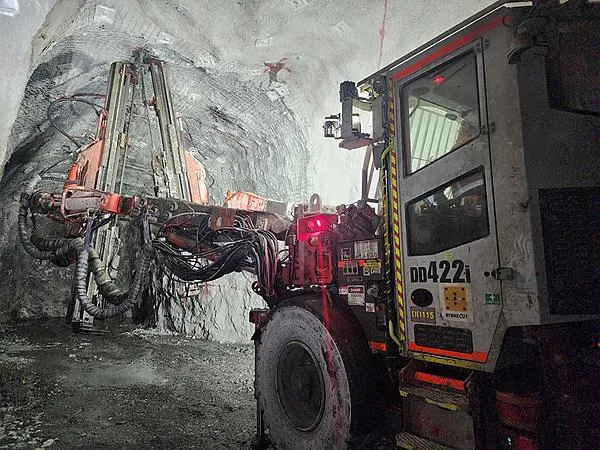
Sandvik has received five AutoMine® orders from Byrnecut, the world’s largest underground mining contractor. The orders, all of which include AutoMine® Multi-Lite systems, were booked in Q1 2026 for the Gwalia, Ulysses, Youanmi and Gossan Valley mine sites in Australia, as well as the Navachab mine in Namibia. With these latest orders, the majority of Byrnecut’s global operations now utilise AutoMine® for loading.

In addition, Byrnecut has acquired AutoMine® for Underground Drilling across four of these sites, further advancing its strategy to expand automation across its global fleet.

AutoMine® Multi-Lite is an advanced automation system that enables loaders to operate fully autonomously from the stope to designated loading or dumping points. This allows a single operator to control up to three loaders simultaneously from a safe, climate-controlled surface control room.

Shift changes are among the largest contributors to downtime in underground operations. Byrnecut is using AutoMine® to mitigate these disruptions by maintaining material movement and drilling progress during transition periods. As a result, downtime is reduced and production remains consistent.

Operators also benefit significantly from the system, as they can remotely supervise and control multiple machines, reducing exposure to dust, noise, vibration and other on-site hazards. This approach enhances safety for both operators and mine personnel, while also supporting workforce development by transitioning workers into technology-focused roles. In addition, real-time feedback helps build skills for an increasingly automated mining environment.

Luke Clements, Manager – Automation and Electrification at Byrnecut, said: “We now have the majority of our loaders running on AutoMine® across our global operations. Safety is Byrnecut’s number one priority, and AutoMine® helps ensure that our people get home safely, while also enabling high productivity through precise, consistent and repeatable operations.”

David Hallett, Vice President – Automation at Sandvik, added: “This deal highlights the growing recognition across the mining sector that Sandvik’s advanced automation solutions help mines operate more safely, efficiently and sustainably.

“Byrnecut and Sandvik have a long history of collaboration, and Byrnecut has been a key development partner in our suite of automation solutions. We are proud to continue supporting them as they expand automation across their global operations.”

Sandvik Group
Sandvik is a global, high-tech engineering group providing solutions that enhance productivity, profitability and sustainability across the manufacturing, mining and infrastructure industries. The company is at the forefront of digitalisation and focuses on optimising customer processes. Its offering includes equipment, tools, services and digital solutions for machining, mining, rock excavation and rock processing. In 2025, the Group had approximately 42,000 employees and revenues of about SEK 121 billion across more than 150 countries.

Business Area Mining
Mining is a business area within the Sandvik Group and a leading global supplier of equipment, tools, parts, services, digital solutions and sustainability-driven technologies for the mining and construction industries. Application areas include rock drilling, rock cutting, loading and hauling, tunnelling, ground support and quarrying. In 2025, sales were approximately SEK 69 billion, with about 18,000 employees. For further information, visit mining.sandvik.com.

For further information, please contact:
Julia McMurray
Director of Marketing and Communications, Business Unit Automation
Email:
julia.mcmurray@sandvik.com
March 23, 2026

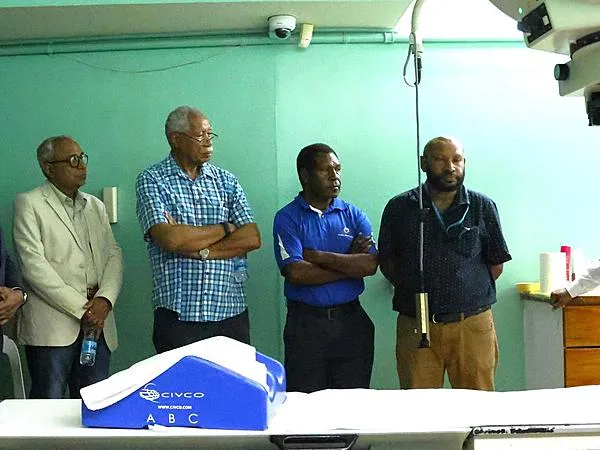
The board of Kumul Petroleum Holdings Limited has visited the Cancer Service Unit at ANGAU Memorial Hospital, where the company has invested more than K20 million to strengthen cancer treatment services.

The investment, implemented between 2020 and 2025 under a tripartite agreement with the Morobe Provincial Health Authority and ANGAU, supported the re-establishment of radiotherapy and brachytherapy services at the hospital. Funding enabled the engagement of a resident oncologist, training of radiotherapists and the procurement of key equipment, including a Cobalt-60 radioactive source, allowing radiotherapy treatment to resume in Papua New Guinea.

Kumul Petroleum chairman Gerea Aopi said the visit gave board members an opportunity to assess the impact of the company’s support.

“Today’s visit allowed us to understand the work being carried out here, and the difference that improved medical equipment can make for patients,” Aopi said.

He noted that cancer remains a significant health challenge in the country, underscoring the importance of initiatives that expand access to diagnosis and treatment.

“Many families across the country are impacted by cancer. Supporting initiatives that improve access to care reflects our broader developmental role as a national company,” he said.

The visit was facilitated by ANGAU Memorial Hospital chief executive officer Dr Kipas Binga and staff from the Cancer Service Unit, who provided insights into current operations and patient care.

The board’s visit coincided with Kumul Petroleum’s annual charity golf tournament in Lae on 6 March, an event held to raise funds for essential medicines for patients undergoing chemotherapy at the hospital.

March 16, 2026

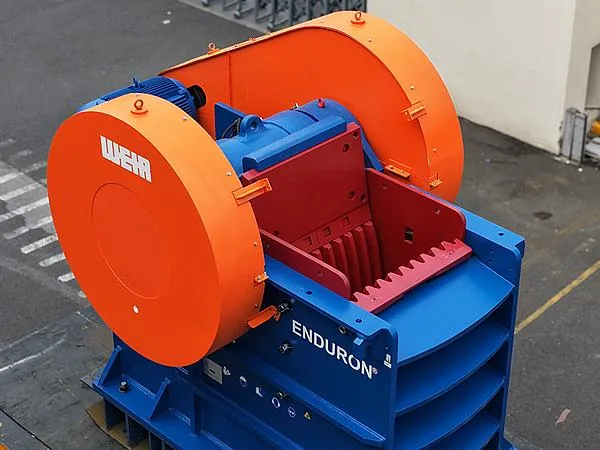
Weir has been awarded a contract to supply a 150 tph crushing and screening plant for Bezant’s Hope and Gorob Copper-Gold Project in Namibia. The value of the agreement has not been disclosed.

The order includes: an ENDURON® ET905 jaw crusher; an ENDURON® ET906 jaw crusher; a Trio® TF4012 vibrating grizzly feeder; a Trio® EF3605 vibrating pan feeder; a Trio® TIOSP6162 scalping screen; conveyor belts; and the supporting steel structure.

Weir recently launched its new range of ENDURON® jaw crushers, which have been developed to enhance safety, boost productivity, simplify maintenance and support its customers’ sustainability goals.

The updated ENDURON® jaw crushers now feature a redesigned Hydraulic Power Unit (HPU), which allows for true push-button control of CSS adjustments. This new feature eliminates the need for manual intervention, significantly reducing safety risks for operators and maintenance teams.

The new HPU also ensures consistent tensioning of the retraction springs at all times, improving reliability and ease of use across the full wear range of the jaw dies. The optimised motor power and oil tank capacity reduce the HPU’s CO2 footprint and reduce environmental impact.

To further improve performance and reduce downtime, the entire range of ENDURON® jaw crushers now include ESCO® wear parts. These components extend wear life, which means fewer maintenance interventions and increased equipment utilisation – translating to lower operating costs and more efficient production.

JD Singleton, Weir Comminution Director for Europe, Middle East and Africa, said: ‘There is obviously a lot of time, effort and resources that go into designing, developing and bringing to market new products. The range of ENDURON® jaw crushers was developed in close collaboration with our customers, so we’ve been confident throughout the entire process that these crushers will help miners overcome some of their most pressing operational challenges. Nevertheless, it’s rewarding to see this work come to fruition and the crushers performing well in some of the most arduous crushing applications.

Today, Singleton said that miners are taking a more holistic view of their operations; rather than looking at pieces of equipment in isolation, they are increasingly considering how what happens upstream impacts what’s happening downstream, and vice versa.

"In other words, there’s more of a focus on optimising the entire flowsheet," he said.

As an end-to-end solutions provider, Weir has long understood the value of this approach.

"We’ve worked closely with Bezant and its partners to develop a crushing and screening solution for the Hope and Gorob project that optimises the entire flowsheet and enables them to meet their ambitious production targets," Singleton said.

Martyn Churchouse, Bezant Technical Director, said: ‘We are pleased to collaborate with Weir on this project. Their service centre, located less than an hour from the mine site, significantly reduces project risk from a service and support perspective. We recognise that crushing and screening plants require extensive maintenance, and having a hands-on partner who supports and stands behind their own equipment is essential to ensuring our success.’

About the Weir Group PLC

Founded in 1871, The Weir Group PLC is one of the world’s leading engineering businesses with a purpose to make its mining and infrastructure customers’ operations more sustainable and efficient. Weir’s highly engineered technology enables critical resources to be produced using less energy, water and waste while reducing customers’ total cost of ownership. Weir is ideally positioned to benefit from structural trends that support long-term demand for its technology, including the need for more essential metals to support economic development and the carbon transition.

The Group has c.12,000 employees operating in over 50 countries,with a presence in every major mining region of the world. Find out more at www.global.weir.com.
February 11, 2026

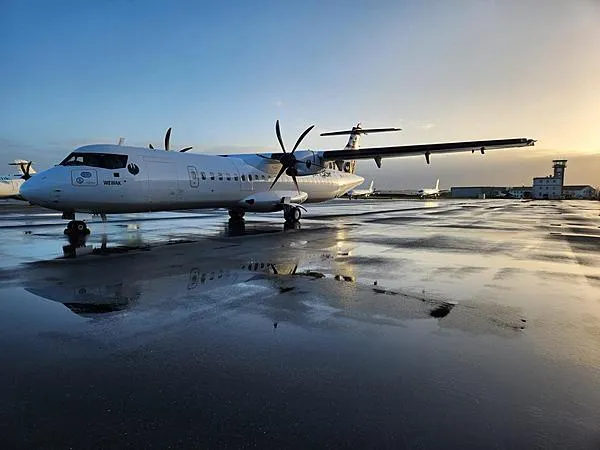
PNG Air continues to strengthen its operations and network with the arrival of its fourth ATR aircraft in six months, part of the airline’s ongoing fleet renewal programme, increasing capacity to meet growing demand across the country.

The new aircraft will maximise the expanded schedule and enhance operational reliability as PNG Air continues to serve and better connect communities, businesses, and essential services throughout Papua New Guinea.

Investment in the fleet has already contributed to measurable improvements in operational performance. In January 2026, PNG Air achieved an on-time performance of 87.12%, considered an exceptionally strong result by global industry standards. Leading airlines worldwide typically operate within an on-time range of 75% to 85%.

The airline also reduced cancellations to just 1.52% in January, reflecting improved aircraft availability and operational excellence.

These results mean fewer disruptions and more dependable travel for passengers — a critical factor in a country where air transport plays a central role in daily life and economic activity.

“Every investment we make in our fleet is about reliability,” PNG Air said. “Our goal is to operate consistently and get our customers where they need to be, when they need to be there — because in Papua New Guinea, air travel is essential.”

The expanded fleet supports PNG Air’s revised network schedule introduced in December 2025, now operating across 22 destinations using a fleet of ATR and Dash 8 aircraft.

Additional aircraft have enabled:

  • Reinstated services to Vanimo and Kavieng

  • New direct routes to Madang and Hoskins

  • Overnight aircraft positioning to improve early morning departures and network reliability

Capacity has also increased significantly since December 2025, representing a 269% increase year on year.

Investing for the Long Term

The latest aircraft arrival forms part of PNG Air’s broader strategy to modernise its fleet and build a stronger operation to support Papua New Guinea’s national development.

“Reliable air service is more than convenience — it is critical infrastructure. Strengthening our fleet allows us to improve performance today while building the foundation for long-term growth,” the airline said.

About PNG Air

For nearly four decades, PNG Air has connected the people of Papua New Guinea with safe, reliable, and affordable air services. Listed on the Port Moresby Stock Exchange since 2008, the airline is majority-owned by Papua New Guinean institutions, including the MRDC Group and NasFund, and supported by approximately 2,900 local shareholders.

PNG Air currently operates more than 460 flights each week across 22 destinations, providing essential passenger and cargo services that support economic development, community connectivity, and national unity. In 2024, the airline carried over 150,000 passengers, underscoring its pivotal role as a national connector.

February 10, 2026

Weir’s materials technology capabilities are a key factor in WARMAN® MCR® slurry pumps remaining the preferred solution for mill circuit applications among the world’s major miners. Notably, Weir’s long-standing expertise in elastomer science enables its rubber-lined pumps to compete directly with, and often outperform, metal-lined alternatives in abrasive slurry applications.

Advanced elastomer development

Mill circuit slurries typically present a challenging wear environment due to wide particle-size distributions and the presence of hard, angular particles. To address this, Weir formulates and manufactures proprietary elastomer compounds engineered for high abrasion resistance, energy absorption, and tear strength. These compounds are developed in-house, allowing precise control over polymer chemistry, filler systems, and curing processes to optimise performance under dynamic slurry loading.

Continuous R&D investment underpins this capability. Weir’s materials scientists and mechanical engineers collaborate to characterise wear mechanisms, refine compound formulations, and validate performance through laboratory testing and field trials. This iterative development cycle ensures that the WARMAN® MCR® pump remains aligned with evolving operational requirements in the mining and minerals processing sector.

Customer-driven engineering

Weir’s engineering teams work directly with mine operators to diagnose wear patterns, understand process variability, and design component solutions that improve pump reliability and reduce total cost of ownership. This collaborative approach supports broader industry goals around sustainability, process efficiency, and operational safety.

The WARMAN® MCR® pump is a direct outcome of this long-term engineering focus, incorporating decades of empirical data, computational modelling, and materials innovation.

Developing wear-resistant alloys

A key advancement in recent years is the expanded use of Armachrome®, a highly wear-resistant overlay material engineered for extreme abrasion environments. Armachrome® wear parts are now applied to critical pump components such as throatbushes, volute liners, and, increasingly, impellers.

The material’s high hardness and superior erosion resistance enable significant extension of component life. Importantly, Weir applies Armachrome® selectively—targeting high-wear zones such as the impeller eye—rather than coating entire components. This precision application reduces material usage while maximising functional benefit.

Field data has demonstrated substantial performance gains. In oil sands operations, Armachrome® components have shown markedly improved wear life compared with white iron. Similar results have been observed in WARMAN® mill circuit pump installations, validating the material’s effectiveness across multiple slurry environments.

Future materials innovation

As the mining industry seeks to reduce energy consumption, extend maintenance intervals, and lower carbon intensity, advanced wear materials will play an increasingly important role. Weir’s ongoing investment in materials R&D—spanning elastomers, overlays, and composite systems—positions the company to deliver solutions that enhance pump efficiency and durability.

Customers are increasingly selecting Weir products not only for performance, but also for their contribution to sustainability objectives, driven by longer wear life, reduced waste, and improved operational efficiency.

February 06, 2026

Steamships has launched two community grants programmes to coincide with Global Community Engagement Day, reinforcing its focus on volunteerism and community-led development across Papua New Guinea.

The company introduced the Steamies LEAD Grants Programme, an internal initiative aimed at enabling employees to design and lead their own community projects. Managing Director Chris Daniells said the programme recognises the contribution staff already make through volunteering and community involvement and is intended to support them to expand that work.

Daniells also confirmed that applications are now open for the 2026 Community Grants Programme, Steamships’ flagship external funding initiative. The programme supports registered organisations delivering positive and sustainable outcomes in communities across PNG. Application details and forms are available on the Steamships website.

The announcements were made during Steamships’ first internal Lunch with Legends session for 2026. The event, themed The Community Special, brought together community partners working in areas ranging from sport and leadership to youth development, women’s advancement and community health.

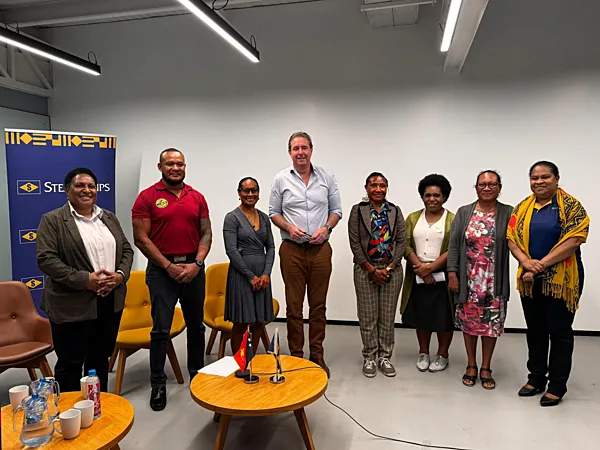
Panellists included Dika Toua, founder of the LDT W8lifting Club; Esther Lavu, president of Vewala'va Association Inc.; Nelson Stone, founder of NEST Foundation; Cathy Alex, executive director of Advancing PNG Women Leaders Network; and Shirley Kaupa, programme coordinator at Magna Carta PNG Inc.

Speakers shared perspectives on the challenges and opportunities shaping their work and highlighted the role of partnerships in delivering long-term community impact. The discussion encouraged Steamships employees to continue active participation in community development initiatives throughout the year.

Steamships Trading Company, commonly known as Steamships, is a diversified group operating across logistics, hospitality, property and joint-venture businesses in Papua New Guinea. Established in 1918, the company has played a long-standing role in the country’s economic and social development.

The group says it remains committed to its people, the sustainability of its operations and long-term investment in PNG, positioning community engagement as a core part of its approach to business and national development.

January 08, 2026

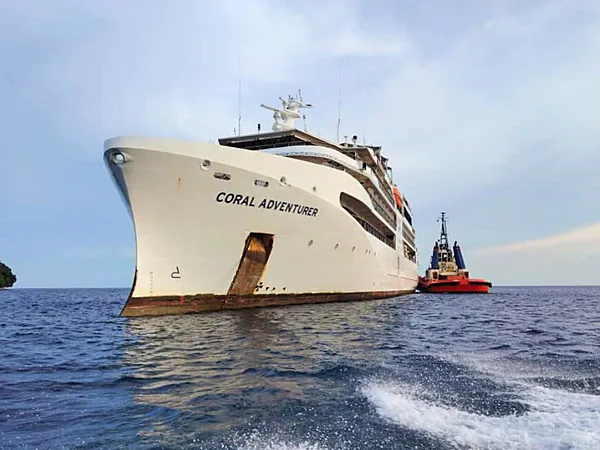
Pacific Towing (PacTow) has successfully refloated the grounded Coral Expeditions cruise vessel Coral Adventurer (IMO 9838644).

The refloating operation was completed on the afternoon of December 30, 2025, near Dregerhafen, approximately 65 miles north-east of Lae, Papua New Guinea.

Following the vessel’s grounding, Pacific Towing was engaged to lead the salvage and recovery operation. The successful outcome was achieved through prompt and professional coordination between the crew onboard Coral Adventurer and shore-based support teams from Coral Expeditions, the National Maritime Safety Authority (NMSA), and Pacific Towing.

Pacific Towing’s diving and salvage specialists coordinated the refloating operation, with support from the PacTow tug Langila (IMO 9018933).

“We are very pleased with the result of this operation,” said Gerard Kasnari, General Manager of Pacific Towing.

“Our rapid response and the strong teamwork demonstrated by all parties ensured a safe and efficient refloat, while maintaining safety, the integrity of the vessel and protection of the marine environment as our top priorities," he added.

Pacific Towing is Papua New Guinea’s and Melanesia’s market leader in marine services and salvage, with operations extending across the broader region. The company has been operating for nearly 50 years and is a full member of the International Salvage Union (ISU) and the International Spill Control Organisation (ISCO).

Pacific Towing provides marine services to both upstream and downstream oil and gas clients, as well as a wide range of other industry sectors. The company owns and operates a fleet of 21 vessels and maintains its own Australian-trained and certified commercial dive team.

Employing more than 200 people, of whom 97 per cent are national employees, Pacific Towing is committed to workforce development and diversity. The company partners with the Australian Government on female cadetship training programmes.

With operations across Papua New Guinea’s major ports and in the Solomon Islands, Pacific Towing is headquartered in Port Moresby at its dedicated tug base and HACCP-certified camp. The company is ISO certified to international standards ISO 9001, ISO 14001 and ISO 45001.

January 06, 2026

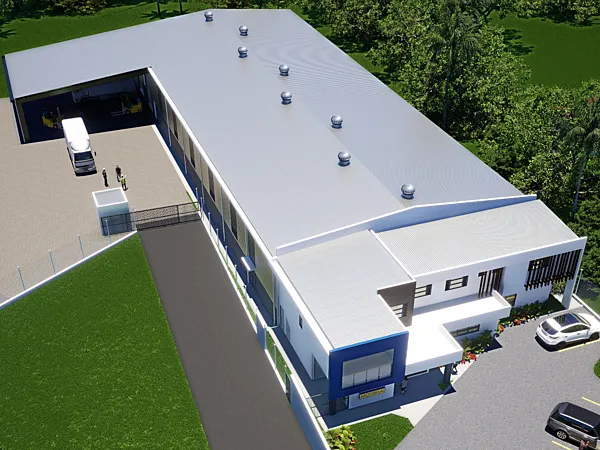
Motibhai Group has announced plans to develop a new, purpose-built distribution centre in Labasa, a move aimed at improving supply chain efficiency across Fiji’s Northern Division and supporting sustainable economic growth.

The modern facility will strengthen the company’s logistics and distribution operations while contributing to the broader development of Vanua Levu and the Fijian economy.

Key features include a warehouse of more than 1,500 square metres with a mezzanine level, open unloading area and a seven-metre height designed to support efficient storage and logistics operations. The development will also include a 192-square-metre ground-floor office block and a 185-square-metre first-floor manager’s flat to enable on-site administration and operational oversight.

Safety and resilience measures form a central part of the project. These include a setback block wall with fire-rated doors along the eastern boundary, backup water tanks and a new on-site fire hydrant. Drainage infrastructure will be upgraded with stone pitching to control erosion and ensure long-term reliability and low maintenance. The facility will also integrate solar energy systems as part of Motibhai Group’s commitment to environmentally responsible business practices.

The project’s architectural and design consultants are LHM, with Engineered Design providing geotechnical, civil and structural engineering services, and Irwin Alsop Pacific PTE LTD delivering building services engineering. Construction will be undertaken by Total Infrastructure Fiji PTE Ltd, with a scheduled construction timeframe of 44 weeks.

“This new Distribution Centre represents a major investment in the Northern Division, totaling just over FJ$8.5 million,” said Jinesh Patel, executive director of Motibhai Group. “It reflects our long-term commitment to the people of Northern Division, improving service delivery, resilient infrastructure, and sustainable environmental practices.”

Investment Fiji Chief Executive Officer Kamal Chetty welcomed the development, describing it as an example of high-impact domestic investment in the North.

“The Motibhai Group’s new Distribution Centre is a prime example of the high-impact domestic investment we are seeing in the North,” Mr. Chetty said. “This facility not only strengthens the region's supply chain capacity but also generates meaningful employment and improves the standard of services available to the people of Vanua Levu. We remain committed to facilitating such projects that align with our national goals of sustainable growth and infrastructure modernisation.”

Motibhai Group also acknowledged the support of Investment Fiji for facilitating regulatory requirements with relevant authorities and recognising the capital investment, employment opportunities and growth potential the project brings to the Northern Division.

The company said the new distribution centre underscores its confidence in the Northern Division and its intention to invest in modern, resilient and environmentally responsible infrastructure.

October 29, 2025

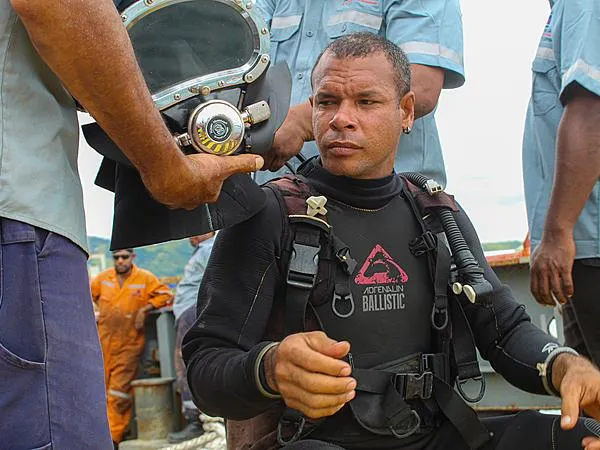
Marine salvage is a discipline defined by urgency, complexity, and risk. Every operation is different, and every operation is high-stakes – multi-million-dollar assets, lives, and marine ecosystems are often at risk. In Melanesia, Pacific Towing (PacTow) has consistently demonstrated the expertise and resolve to tackle these challenges head-on. A homegrown Papua New Guinean business headquartered in Port Moresby, PacTow has earned its reputation as the region’s leading marine services provider. At the core of nearly every salvage operation PacTow undertakes is its commercial diving team – the only permanently based unit of its kind in Melanesia.

Salvage Leadership with Global Recognition

Over the past two decades, PacTow has completed close to 100 successful salvage and wreck removal operations, involving a diversity of vessels ranging from bulk carriers to general cargo ships, and from fishing vessels to yachts. These projects have taken PacTow not only across PNG but also further afield – throughout Melanesia, into Micronesia, across to Indonesia, and even into northern Australia. This extensive track record underscores both the demand for and the trust in PacTow’s capability.

That capability is further evidenced by PacTow’s standing in the global salvage community. It remains Melanesia’s only full member of the International Salvage Union (ISU), the body that represents the world’s leading professional salvors. It is also the region’s only member of the International Spill Control Organization (ISCO), reflecting its role in protecting marine environments. These affiliations are not merely symbolic; they attest to PacTow’s adherence to international standards of salvage practice, safety, and environmental stewardship.

Commercial Diving: The Essential Ingredient

What distinguishes PacTow from many other salvage operators is the central role of its commercial diving team. Salvage operations – whether patching hull breaches, sealing fuel tanks, or rigging heavy lifts – are almost always dependent on skilled divers working in hazardous conditions. PacTow’s diving team brings a combination of local knowledge, international training, and experience that is unmatched in the region.

There are 18 divers – all Papua New Guinean – in PacTow’s commercial diving team. Diving Manager Ricky Leka has been diving for PacTow for 20 years and leading his team for 13. Another seven divers have been with the company for more than 10 years.

Uniquely, the PacTow diving team is the only permanently based commercial diving operation in Melanesia. This ensures that PNG and neighbouring nations have 24/7 access to a highly qualified dive team without the costs and delays of flying in specialists from more developed countries further afield. The team holds both PNG and Australian diving certifications – a rare dual qualification that guarantees compliance with regulatory frameworks.

PacTow’s divers also regularly travel for international training, honing skills in subsea engineering, salvage techniques, and safety systems. The company also supports PNG’s diver recompression facility in Port Moresby, and several of its divers are certified hyperbaric chamber technicians.

Beyond Salvage: Serving PNG’s Oil and Gas Sector

While salvage remains the most high-profile demonstration of PacTow’s diving expertise, the team’s contribution extends well beyond emergency response. As PNG’s oil and gas industry continues to expand, demand for reliable and locally available subsea services is growing. PacTow’s divers are increasingly engaged in underwater inspections, maintenance of subsea infrastructure, and pipeline support. Their capacity to provide a cost-effective and certified local solution is vital for a sector that values safety, efficiency, and the minimisation of downtime.

A Regional Asset with Local Commitment

PacTow’s investment in its commercial diving team is not just about building technical capability; it is also about developing local capacity. This is evident in the five young commercial diving trainees currently in PacTow’s team. By developing homegrown divers and technicians, the company contributes to skills transfer and workforce development in PNG. This ensures that the nation has its own cadre of diving professionals who can respond to crises and support its economic growth.

Conclusion

Marine salvage will always be a demanding field, and in Melanesia, it is PacTow that consistently answers the call. Central to that capability is its commercial diving team – the region’s only permanent professional diving operation, staffed by divers with international qualifications and unparalleled local knowledge.

Pacific Towing is Melanesia’s largest marine services business. It employs more than 250 staff and has a fleet of 20 vessels. It provides a broad spectrum of marine services including towage, emergency response, commercial diving, life raft services, and salvage. PacTow is part of the larger maritime and land Logistics Division of the Steamships Group.

To learn more about PacTow, visit: www.pacifictowingmarineservices.com