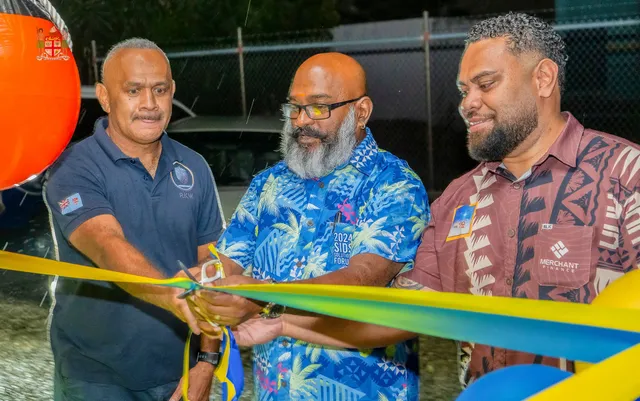
Fijian-owned Raikiwai Adventures & Transfers has launched its jet ski operations at Wailoaloa, Nadi, expanding its marine recreation services and creating potential new employment opportunities in Fiji’s tourism sector.
The launch was officiated by Assistant Minister for Commerce and Business Development Sachida Nand, who described the expansion as an example of how local entrepreneurs can participate in and benefit from Fiji’s tourism industry.
Raikiwai Adventures was established in 2024 by Paula Waqakalou, who has 18 years of experience in marine recreational water sports across the Mamanuca and Yasawa Islands, Vuda, Lautoka and Momi.
“Today is more than simply the launch of jet skis. It represents the growth of a Fijian MSME, the determination of a local entrepreneur, and another example of how our people can participate meaningfully in Fiji’s tourism industry,” Nand said.
The business currently offers boat and jet ski rentals, diving and other marine recreational activities, as well as security-related services.
The project was considered under the Fiji Government’s Integrated Human Resource Development Programme (IHRDP), with a total proposed investment of about $309,051.41. Raikiwai Adventures sought $150,000 in assistance under the programme, with the balance proposed to be financed through Merchant Finance Limited.
The company has identified the potential to create 25 permanent jobs as the business expands.
“When we support an entrepreneur, the benefits can extend beyond one individual or one business,” Nand said.
He urged Raikiwai Adventures to maintain high standards in safety, customer service, responsible operations and environmental stewardship.
Nand congratulated Waqakalou and his team, saying the investment could help generate income, create jobs, build local skills and demonstrate the potential of Fijian entrepreneurs in the tourism sector.
The third Caledonia Festival has officially opened at the Tjibaou Cultural Centre, bringing together communities from across New Caledonia for a celebration of culture and arts centred on Melanesian heritage.
Developed in the spirit of the Melanesia 2000 cultural event held in 1975, the festival opened with traditional dances and songs from Belep and the Isle of Pines.
The opening followed youth activities and workshops on cultural policy. Customary leaders, participating communities and government officials were presented to representatives from the Drubea-Kapumë area and staff of the cultural centre.
Government president Milakulo Tukumuli attended on behalf of the 19th government, alongside government members Ernest Déméné, responsible for culture, and Billy Forest, responsible for cultural affairs.
Déméné officially opened the festival, saying its objective was to make culture “a real lever so that citizenship is shared by all”.
He also described the festival as a platform for developing cultural policy, drawing on the theme of an earlier workshop, “Des racines et des ailes” — “Roots and Wings”.
“Roots to know where we come from. Wings to decide where we go together,” Déméné said.
The programme also featured the unveiling of “Djinu owa”, an exhibition showcasing works by four pioneering contemporary Kanak artists — Paula Boi, Yvette Bouquet, Micheline Néporon and Denise Tiavouane.
The festival features a programme of performances, exhibitions and cultural activities celebrating the diverse cultures of New Caledonia.
Fiji is shifting its tourism strategy from visitor growth toward higher-value and more sustainable economic returns, Deputy Prime Minister and Minister for Tourism and Civil Aviation Viliame Gavoka said.
Speaking at Tourism Fiji Industry Day 2026 at the Sofitel Fiji Resort & Spa in Denarau on Sept. 17, Gavoka said the next phase of tourism development must generate greater and more sustainable benefits for Fijian businesses, workers and communities.
Fiji welcomed a record 986,367 visitors in 2025, while visitor arrivals reached 105,791 in July 2026, marking the first time arrivals exceeded 100,000 in a single month.
“Demand for Fiji remains strong. The world still wants to come to Fiji. But the question before us now is not simply how do we attract more visitors? It is: how do we translate that demand into greater and more sustainable value for Fiji?” Gavoka said.
He said future growth would require closer coordination among destination marketing, aviation capacity, accommodation investment, tourism products and visitor experience.
“Our ambition must be value over volume, quality over quantity, and authentic Fijian experiences that distinguish us from every other destination competing for the same traveler,” he said.
Gavoka pointed to renewed investment in the sector, including proposed developments such as Sofitel Fiji Vatu Talei, TRIBE Na Tomba, The Sebel Nuku Loaloa Living and Tawamudu Yadua in the Western Division, as well as continued investment in established properties such as Hilton in Suva.
He also called for tourism opportunities to expand beyond Fiji’s traditional tourism corridors.
Through the Na Vualiku program, the government is supporting the foundations for long-term tourism growth in Vanua Levu through improved access, infrastructure, destination planning and assistance for businesses and communities.
Gavoka said the government would also continue exploring opportunities in Lau and other parts of Fiji where tourism remains relatively undeveloped.
The broader geographic push is intended to spread the benefits of tourism investment while creating new destinations and experiences for visitors.
The Industry Day also provided a platform to discuss government reforms, including the Tourism Act 2026, which replaced the Hotels and Guest Houses Act 1973.
The new legislation establishes a framework for national quality and sustainability standards, a progressive pathway for tourism businesses and greater industry and community participation through the National Tourism Council.
It also provides greater support for micro, small and medium enterprises and community-based tourism.
Gavoka acknowledged the tourism industry's engagement during the introduction of the 5-percent Tourism Services Tax and reaffirmed the government's commitment to clear communication and continued consultation during its implementation.
He also recognized Tourism Fiji, its regional teams and industry partners for promoting Fiji in an increasingly competitive global market.
Tourism Fiji has adopted a more targeted approach to international markets, including an AI-powered marketing initiative in China that received recognition at the 2026 PATA Gold Awards.
Gavoka said aviation would remain fundamental to Fiji's tourism growth, with air connectivity, route competitiveness and airline capacity determining the country's ability to convert international demand into actual visitor arrivals.
He acknowledged the growing role of technology and artificial intelligence but said Fiji's people, culture, communities, environment and hospitality remained the country's key competitive advantages.
“Tourism is our vuvale. Government, Tourism Fiji, Fiji Airways, our hotels and operators, investors, SMEs, communities, and every Fijian who welcomes a visitor and shares a little of our home with them, we are all part of it,” he said.
Tourism Fiji Industry Day 2026 brought together tourism leaders, regional market representatives, industry partners and other stakeholders to discuss market performance, emerging opportunities and the future direction of Fiji's visitor economy.
The Fiji Development Bank (FDB) and the Sasakawa Peace Foundation (SPF) are exploring opportunities to support sustainable, community-based ecotourism and strengthen economic resilience in Fiji’s maritime communities.
The two organizations are discussing potential collaboration focused on community empowerment, responsible ocean stewardship and long-term development partnerships.
Fiji has significant marine resources, with 3.5 percent of the world’s coral reefs located within its Exclusive Economic Zone and more than 65,000 hectares of mangroves along its coastlines.
These ecosystems underpin the country’s economy, culture, food security and resilience while presenting opportunities for sustainable blue economy development.
For FDB, the initiative aligns with Strategic Pillar 5 — Sustainability, Social Impact and Development, which focuses on supporting eco-inclusive growth in line with Fiji’s National Development Plan.
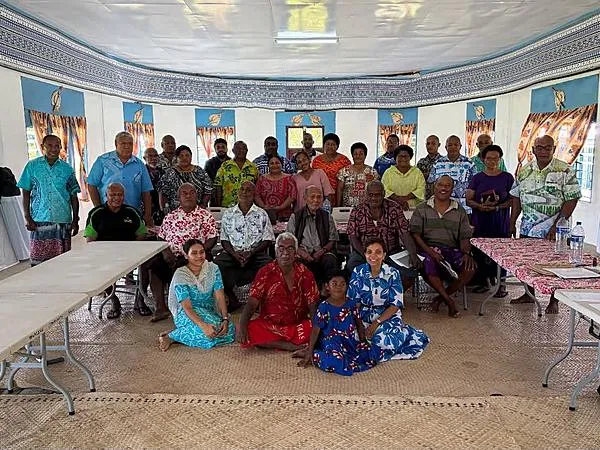
As part of the exploratory engagement, representatives from SPF and FDB recently visited Levuka and Vanua Balavu, meeting with local communities, government agencies, provincial authorities and traditional leaders.
The discussions examined existing tourism practices, community aspirations and potential opportunities for sustainable development.
The visits highlighted opportunities for community-based ecotourism and agritourism that could showcase Fiji’s culture, national heritage and traditional knowledge while creating economic opportunities for local communities.
SPF also introduced its Sasakawa Community Based Eco-Tourism Model, which seeks to balance environmental conservation and cultural preservation with tangible economic benefits for communities.
The model emphasizes knowledge-sharing, capacity building and exchange opportunities to help communities develop tourism ventures that are commercially viable while remaining environmentally responsible.
FDB and SPF said their discussions are continuing as they explore areas for future collaboration.
The organizations share a vision of supporting resilient communities, healthy ecosystems and sustainable economic opportunities for future generations, they said.
Communities, development partners, government agencies, investors and other organizations interested in sustainable and inclusive blue economy initiatives in Fiji can contact FDB for information on potential collaboration, investment and community-based development opportunities.
A New Zealand-funded grant has helped the Vilu War Museum in West Guadalcanal improve visitor interpretation, with 30 new signs providing historical context for the World War II relics preserved at the site.
The Vilu War Museum, which holds one of the Solomon Islands’ most significant collections of large World War II relics, has completed the production and installation of new interpretive signage with support from a grant facilitated by Business Link Pacific (BLP).
The Solomon Islands WWII Heritage Association (SIWHA) applied for the grant on behalf of the museum in April 2025. The project was developed in response to the museum’s growing number of cruise ship visitors and the need to provide clearer information about the exhibits in the outdoor museum park.
The collection includes the remains of Japanese and American aircraft and artillery pieces associated with the Guadalcanal Campaign of 1942–43, during which major battles were fought on and around Guadalcanal.
Bringing greater context to WWII relics
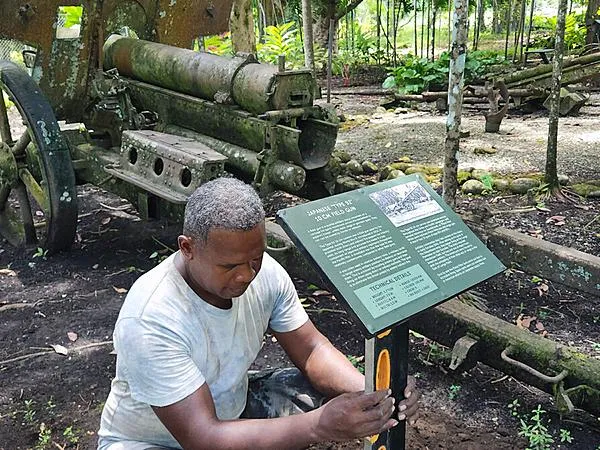
The grant supported the production and installation of 30 interpretive signs throughout the museum grounds.
Two large overview signs were installed at the entrance, providing visitors with background on the Guadalcanal Campaign and its key battles. The remaining signs were positioned alongside individual exhibits, linking the historical information directly to the aircraft, artillery and other wartime relics on display.
The museum said the project represented an important improvement to the visitor experience.
“Thanks to a New Zealand–funded grant from Business Link Pacific, we’ve been able to produce 30 new interpretive signs for the outdoor exhibits — a big step toward improving the visitor experience and preserving these stories for future generations,” the museum said.
The signage project also made extensive use of local participation. Graphic design was completed in-house, while installation was carried out by volunteers from the Vilu War Museum and SIWHA.
As a result, almost all of the grant funding was spent directly on producing the signs through a local sign maker, keeping the project focused on the intended visitor improvements.
Longer visits and stronger visitor engagement
The museum has reported changes in how visitors interact with the site since the signs were installed.
Visitors are now tending to stay longer, while the additional information has also reduced the need for museum staff to personally guide every visitor through the outdoor exhibits.
The museum said visitors have responded positively to having more detailed historical interpretation available at each display.
Tour operators have also provided positive feedback, with some sharing photographs of the museum and its exhibits on social media, helping increase the site's visibility as a heritage tourism attraction.
For a museum built around physical remnants of one of the Pacific's most significant World War II campaigns, the project demonstrates how relatively modest visitor infrastructure can improve the way historical sites are experienced and understood.
Supporting Pacific tourism businesses
The Vilu War Museum project was supported through Business Link Pacific, which facilitates small and medium-sized enterprise access to business advisory services and financial support.
BLP provides online tools that allow businesses to assess their needs, including its Business Health Check, Business Continuity Planner and Climate Action Sensor. Businesses can also connect with local BLP partners for face-to-face diagnostic support.
For Vilu War Museum, the grant has provided a practical investment in interpretation while supporting the museum's ability to accommodate growing visitor numbers and preserve the historical stories associated with the Guadalcanal campaign.
Vanuatu’s tourism sector recorded strong growth in the first half of 2026, with international visitor arrivals increasing by about 30 per cent year-on-year and generating an estimated USD 87.8 million in economic contribution, according to a new visitor survey.
The Pacific Tourism Organisation (SPTO), in partnership with the Vanuatu Tourism Office (VTO), released its January-June 2026 International Visitor Survey (IVS) Report, which also found high visitor satisfaction and growing interest in sustainable tourism.
The survey was conducted under the New Zealand Government-funded Pacific Tourism Data Initiative (PTDI) and examines visitor behaviour, expenditure, satisfaction and perceptions of sustainability to support evidence-based tourism planning.
The growth in arrivals reflects improved air connectivity, the reopening of tourism businesses and the resumption of cruise activity, the report said.
A total of 299 valid responses were analysed from 1,473 survey invitations, representing a 20 per cent response rate. First-time visitors accounted for 54 per cent of respondents, while holidays remained the main purpose of travel, at 81 per cent.
Visitors continued to highlight Vanuatu’s people and hospitality, natural environment, relaxed island lifestyle, authentic culture, and marine and adventure experiences.
Strong visitor satisfaction
The survey found that 95 per cent of respondents would recommend Vanuatu, while 80 per cent said they would return to the destination.
Tourism also generated significant visitor spending during the six-month period. Visitors spent an average of USD 1,191 before arrival and USD 948 while in Vanuatu, resulting in an average economic contribution of USD 1,692 per visitor.
SPTO chief executive officer Christopher Cocker said the findings demonstrated the resilience of Vanuatu’s tourism sector and the importance of reliable data to guide policy and investment.
“The International Visitor Survey provides destinations with valuable evidence to support smarter tourism decisions,” Cocker said.
“Vanuatu’s strong visitor growth, high satisfaction levels, and significant economic contribution demonstrate the destination’s resilience and appeal. The results also highlight areas where continued investment can further strengthen competitiveness and visitor experiences.”
Sustainability gains importance
The survey also highlighted the growing importance of sustainability in visitor decision-making.
About 91 per cent of respondents said responsible tourism was important to them, while 63 per cent said they were likely to choose tourism operators based on their sustainability practices.
Meanwhile, 81 per cent said they had observed or participated in sustainable tourism initiatives during their stay.
Vanuatu Tourism Office chief executive officer Adela Issachar Aru said the results confirmed that visitors continued to value the country’s distinctive natural and cultural assets.
“The survey confirms that visitors continue to value what makes Vanuatu unique, particularly the warmth of our people, our culture, and our natural environment,” Aru said.
She said the findings would help the Vanuatu tourism industry better understand demand for sustainable experiences and inform future planning and investment priorities.
Aru said Vanuatu would continue strengthening its position as a leading Pacific destination focused on soft adventure and “bucket list” experiences.
Infrastructure remains a priority
Despite the high satisfaction levels, visitors identified several areas for improvement, including infrastructure and public amenities, transport and connectivity, environmental cleanliness and value for money.
SPTO said the findings provide evidence for identifying areas where further investment could improve visitor experiences and strengthen the destination’s competitiveness.
The report also marks a step towards greater local capacity in tourism data collection and analysis.
Through the PTDI, VTO has strengthened its capability in visitor survey analysis and reporting, with SPTO providing technical guidance, mentoring and quality assurance.
VTO is expected to take the lead role in future IVS reporting, while SPTO will continue providing technical assistance and capacity-building support as required.
The January-June 2026 IVS report provides further evidence of the recovery of Vanuatu’s tourism industry while highlighting opportunities to strengthen infrastructure, sustainability and the overall visitor experience.
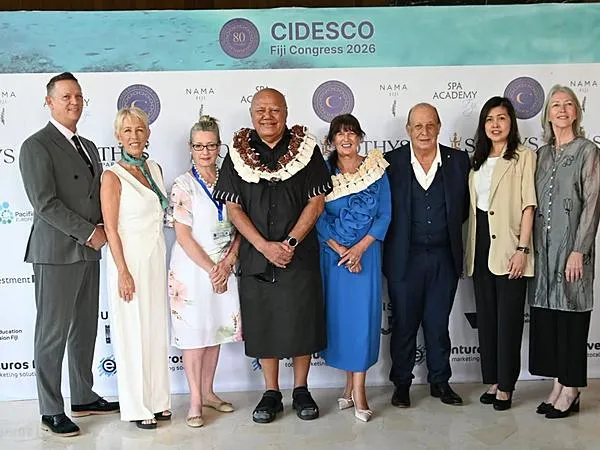
Fiji has marked a milestone for the regional wellness and tourism industry by hosting the CIDESCO World Congress for the first time in the South Pacific.
The 2026 CIDESCO World Congress was officially opened in Nadi by Deputy Prime Minister and Minister for Tourism and Civil Aviation Viliame Gavoka, bringing together beauty, spa and wellness professionals from Fiji and around the world.
Held from 29 to 31 August at the Crowne Plaza Fiji Nadi Bay Resort and Spa, the Congress is hosted by Nama Fiji and its CIDESCO-accredited Spa Academy Fiji.
CIDESCO, the Comité International d’Esthétique et de Cosmétologie, is an international organisation for professional beauty and spa therapy, with a presence in more than 56 countries and more than 230 accredited schools, salons and spas. The organisation is also marking its 80th anniversary this year.
“For the first time in CIDESCO’s history, the Congress meets in the South Pacific, and it meets here, in Fiji,” Gavoka said.
He said internationally recognised training and certification would strengthen Fiji’s wellness tourism sector by providing locally trained therapists with qualifications recognised around the world.
Gavoka also highlighted opportunities to connect wellness tourism with locally produced goods and rural livelihoods, pointing to Nama Fiji’s use of nama harvested from Fiji’s reefs, including by women in rural communities.
“This is how tourism should work for a small island nation: the value stays here, in our villages and with our people,” he said.
The Government is looking to build on the Congress by supporting more Fijian therapists in achieving internationally recognised standards, strengthening the competitiveness of local spas and salons, and creating pathways for young Fijians to pursue careers in the growing wellness industry.
The Congress programme also features competitions under the 2026 theme, “Wellness from the Sea”, as well as a careers expo and industry networking opportunities.
Fiji is moving to a broader tourism regulatory framework under the Tourism Act 2026, replacing legislation that has focused primarily on hotels and guest houses for more than five decades.
Deputy Prime Minister and Minister for Tourism and Civil Aviation Viliame Gavoka told Parliament Tuesday that the government would implement the new framework through a managed transition, giving existing tourism businesses time and support to meet the new requirements.
Businesses currently licensed under the Hotels and Guest Houses Act 1973 will have their licences and approvals recognised for up to 12 months after the new Act takes effect. This will allow operators to transition to the Tourism Enterprise Register.
The new framework will cover a wider range of tourism businesses, including accommodation providers, tour operators, guides, dive operators and other tourism experiences.
Businesses will be classified under a Tourism Classification System and, after meeting applicable legal and tourism requirements, issued a Recognition Certificate. The Tourism Enterprise Register will be publicly accessible.
Gavoka said the reform was not intended to establish another licensing system, but to create a Recognition Pathway and Fiji Tourism Standards that would allow tourism businesses to progressively improve quality, sustainability and compliance.
The classification system will include Community, Indigenous and Micro Tourism Enterprises as well as small, medium and large operators.
The Ministry of Tourism and Civil Aviation is developing regulations, administrative systems, registration procedures and industry guidance ahead of the Act's commencement. It will also conduct targeted awareness and industry engagement to explain registration requirements, classification, applicable standards and transition timelines.
The government expects the new framework to provide clearer rules and nationally consistent standards while improving recognition of tourism operators that meet quality and sustainability requirements.
For the government, the Tourism Enterprise Register is also expected to provide better information to support tourism policy, planning and industry development. Visitors are expected to benefit from greater confidence that tourism enterprises operate under recognised national standards.
The commencement date for the Tourism Act 2026 will be appointed by the minister and will be determined based on the government's operational readiness.
Tuvalu has completed its first sport fishing tourism pilot, an initiative aimed at testing the potential for a premium, environmentally sustainable tourism product while creating new economic opportunities for local communities.
The pilot was delivered through a partnership between the Australia-Pacific Partnerships for Aviation Program (P4A) and the National Fisheries Corporation of Tuvalu (NAFICOT), with support from experienced Australian sport fishing guides Justin Duggan and Gavin Platz.
The guides worked alongside NAFICOT to explore how Tuvalu's marine environment could support a high-value sport fishing tourism offering while protecting the country's fisheries, environment, culture and communities.
The initiative is designed to attract visitors who travel specifically for sport fishing, potentially generating demand for flights to Funafuti and supporting businesses involved in tourism, hospitality, transport and other services.
For Tuvalu, the pilot provides an opportunity to diversify its tourism offering and create new sources of income while making use of the country's marine resources in a controlled and sustainable way.
The model is intended to grow carefully, with environmental sustainability at its core. This includes ensuring that increased tourism activity does not undermine Tuvalu's marine environment or fisheries and that economic benefits extend to local communities.
The initiative could also strengthen aviation connectivity by creating additional demand for international and regional flights to Funafuti, linking tourism development with broader economic activity.
Australia said the pilot demonstrates the potential of the partnership between the two countries under the Falepili Union, which provides a framework for closer cooperation between Australia and Tuvalu.
By combining sustainable tourism development with stronger aviation connectivity, the initiative is intended to help Tuvalu expand its economy while creating opportunities for future generations.
The Papua New Guinea Tourism Promotion Authority (PNGTPA) has taken another important step towards strengthening marine tourism in Papua New Guinea through a new partnership that will bring a ferry back into service in Port Moresby Harbour.
The partnership was formally signed on 6 August 2026, bringing together PNGTPA, Happy Soles Limited and Marine Contract Management to operate and manage the vessel.
The partnership aims to ensure the vessel is safely, professionally and efficiently operated while supporting PNGTPA’s tourism promotion activities and creating new experiences for both local and international visitors.
The vessel will initially support tourism promotion activities, official engagements and sightseeing experiences around Port Moresby, while also providing a platform for the development of new marine tourism products showcasing the capital’s coastline and surrounding waters.
Speaking at the signing ceremony, PNGTPA Chief Executive Officer Eric Mossman Uvovo said the partnership marked an important milestone for the Authority and demonstrated its commitment to making better use of its tourism assets.
“This boat has been sitting idle for some time, and today marks the beginning of a new chapter. Our goal is to get it back on the water as quickly and safely as possible so it can support PNGTPA’s work in promoting Papua New Guinea and creating more tourism opportunities. This is only the beginning of what we hope will become a bigger marine tourism initiative for our country,” Mr Uvovo said.
He added that the initiative was also aligned with PNGTPA’s long-term vision of strengthening marine tourism infrastructure, including the development of jetties and waterfront facilities.
According to Mr Uvovo, Port Moresby will serve as an important starting point, with the potential to expand similar marine tourism initiatives to other provinces and coastal destinations across the country.
Happy Soles Limited Managing Director Yiannis Nicolaou welcomed the partnership, saying the company was excited about the opportunity to help transform the vessel into a unique tourism attraction.
“We’re proud to work alongside PNGTPA on this exciting project. We want to give visitors something different by creating enjoyable experiences on the water. From island cruises and private functions to family celebrations, we believe this boat can become a memorable attraction that people will want to experience again and again,” Mr Nicolaou said.
He added that Happy Soles Limited plans to upgrade the vessel with more comfortable seating and modern features while developing creative tourism experiences that complement existing marine services in Port Moresby.
Meanwhile, Marine Contract Management Managing Director Captain Matthew Dieni said his company was pleased to be part of the initiative and would place a strong emphasis on safety, vessel maintenance and professional operations.
“It is an honour to partner with PNGTPA on this important project. My team and I are committed to ensuring the boat is well maintained, safely operated and ready to deliver quality services. We look forward to working together to make this a success,” Captain Dieni said.
As the vessel prepares to return to service, PNGTPA remains committed to building strategic partnerships that enhance Papua New Guinea’s tourism offering and support sustainable tourism development.
PNGTPA will continue working with industry partners to unlock the potential of the country’s extensive coastline, pristine marine environment and unique coastal attractions, helping position Papua New Guinea as a world-class destination offering authentic and memorable experiences to visitors.
The Republic of the Marshall Islands has launched the Marshall Islands Pocket Guide, a new online tourism resource aimed at raising the country's profile in regional and international travel markets.
Developed by South Pacific Pocket Guide in collaboration with the Office of Commerce, Investment & Tourism (OCIT), the website provides travellers with comprehensive information on Majuro and the wider Marshall Islands.
The guide is the 10th destination platform produced by South Pacific Pocket Guide and contains 136 articles covering attractions, accommodation, restaurants, transport, shopping and practical travel information.
The content was compiled following 10 days of field research in Majuro in July, during which South Pacific Pocket Guide representatives Robin and Laura met with more than 50 tourism operators, accommodation providers, restaurants, handicraft businesses, transport operators and other tourism stakeholders.
The project was supported by the Pacific Tourism Organisation (SPTO), which facilitated collaboration between South Pacific Pocket Guide and OCIT, and by the Australian Government through the Australia-Pacific Partnerships for Aviation (P4A) programme.
South Pacific Pocket Guide Operations Manager Robin said the website highlights the Marshall Islands' untapped tourism potential.
"As one of the Pacific's smaller and more remote destinations, the Marshall Islands has significant untapped tourism potential. The fact that the Pocket Guide now features 101 things to do demonstrates the depth and diversity of experiences available, and the opportunity for the industry to position RMI more confidently in regional and international markets," Robin said.
He said the guide showcases unique cultural experiences, including traditional canoe building, handicrafts and pandanus-based food and drink, while making information more accessible to prospective visitors.
During the research visit, the team also promoted the destination through social media, generating about 948,000 views and 45,000 interactions.
Loretta Lori deBrum, Marketing and Public Relations Officer at OCIT, said the guide would make it easier for travellers to discover the Marshall Islands while providing greater exposure for local tourism businesses.
"With the Marshall Islands Pocket Guide, for the first time, we are bringing together trusted information on our attractions, culture, local businesses, accommodations and experiences into one accessible platform," she said.
"This will make it easier for visitors to discover what the Marshall Islands has to offer while giving our tourism operators greater visibility and opportunities to reach new markets."
South Pacific Pocket Guide plans to return to the Marshall Islands in November to update the guide, expand coverage of the outer atolls and advance the Trip Carver initiative, which will allow local tourism operators to accept online bookings through free websites.
The Pacific Tourism Organisation (SPTO), in partnership with Pacific Trade Invest (PTI) Australia, has completed the first leg of the 2026 Treasures of the South Pacific Roadshow, promoting five lesser-known Pacific destinations to Australian travel industry partners.
The roadshow visited the Sunshine Coast, Brisbane and the Gold Coast, connecting Pacific tourism representatives with Australian travel advisers through trade engagement events and destination presentations.
The campaign highlights the region's "Hidden Treasure" destinations — Nauru, the Federated States of Micronesia, the Republic of the Marshall Islands, Tuvalu and Kiribati — with the aim of raising their profile in the Australian market.
SPTO and PTI Australia showcased tourism products, visitor experiences and investment opportunities while strengthening relationships with travel trade partners.
The organisation also promoted several regional initiatives, including the South Pacific Tourism Exchange (SPTE) 2027, scheduled for 5-6 May 2027 in Nadi, Fiji, its enhanced Industry Membership Programme and the Pacific Storytelling Specialist Programme.
As part of PTI Australia's Talent Development Programme, Tourism Manager Onorina Fugawai was joined by SPTO Marketing Content Creator Bernadette Tunidau-Lee, who gained experience in travel trade engagement and destination marketing during the roadshow.
SPTO Chief Executive Officer Christopher Cocker said the initiative demonstrates the importance of regional collaboration in expanding international awareness of Pacific destinations.
"The Treasures of the South Pacific Roadshow provides an important platform to showcase destinations that offer authentic cultural experiences, unique visitor opportunities, and strong potential for tourism growth," Cocker said.
"Through our partnership with PTI Australia, we are strengthening connections with the Australian travel trade and ensuring that more travellers discover the diversity and richness of the Pacific."
The second leg of the roadshow will take place in Wollongong, Sydney and Melbourne from 11 to 13 August, providing further opportunities to engage Australian tourism operators and promote the Pacific's emerging destinations.
SPTO said it would continue working with PTI Australia to improve regional tourism promotion, strengthen industry capability and expand market access for Pacific destinations.
Fiji has opened a new eco-tourism destination in Nabalabala Village, Ra Province, aimed at creating new income opportunities for local communities while promoting forest conservation and sustainable tourism.
The Navatuvoka Eco-Tourism and Forest Park was officially launched to support community-led economic development through eco-tourism, handicrafts, guided tours and local food services while protecting the area's biodiversity and cultural heritage.
Fisheries and Forestry Minister Alitia Bainivalu joined traditional leaders and residents to inaugurate the park, describing the initiative as an important step toward balancing environmental conservation with sustainable livelihoods for rural communities.
The park will complement nearby attractions, including the Nabalasere Eco-Tourism Park, as part of a broader effort to attract more visitors to Fiji's interior and expand tourism-driven economic opportunities across the region.
The launch comes as Fiji's tourism industry continues to grow. The country welcomed a record 986,367 international visitors in 2025, and provisional figures show 98,522 visitors arrived in June 2026, the highest number ever recorded for the month of June.
The continued growth highlights strong demand for Fiji as a destination and underscores the government's efforts to diversify tourism beyond coastal resorts by promoting community-based and eco-tourism experiences in rural areas.
Navatuvoka also joins Fiji's growing network of protected forest areas, including Colo-i-Suva, Naduruvatu, Savumoli, Nadarivatu and Dakuinaroba, reinforcing the country's commitment to sustainable forest management, biodiversity conservation and community-led tourism development.
Fiji has launched the Nasaulevu Integrated Tourism Development Masterplan, a landmark tourism project aimed at creating a new tourism and investment hub while placing indigenous landowners at the centre of development.
Deputy Prime Minister and Minister for Tourism and Civil Aviation Viliame Gavoka unveiled the masterplan on 19 June at Navoci Village in Nadi, describing it as the beginning of a new phase that will require strong governance, community unity and effective implementation.
The masterplan covers Nasaulevu Island, a 747-acre site located opposite Denarau Port Marina, one of Fiji's premier tourism gateways.
Prepared by global consultancy ARUP in partnership with the Fiji National Provident Fund (FNPF) and the Nakovacake Development Trust, the masterplan was funded through a USD 400,000 grant from the Asian Development Bank (ADB).
The initiative is being promoted as Fiji's first tourism development blueprint of its scale to integrate indigenous landowners, institutional investors and international technical expertise from the outset.
A central feature of the project is its landowner-led development model, under which the Vanua of Nakovacake will play a direct role in planning, governance and economic participation.
Officials say the approach is designed to ensure local communities benefit from future tourism growth while maintaining a stake in the long-term development of their customary land.
Speaking at the launch, Gavoka said the completion of the masterplan marked the transition from planning to implementation.
"This launch is not an ending. It is the start of a more demanding phase requiring unity, sound governance and a clear path from concept to construction," he told community members.
The Ministry of Tourism and Civil Aviation said it would continue supporting the project as it moves toward delivery and investment attraction.
The development is expected to strengthen Fiji's tourism sector by creating new opportunities for accommodation, recreation, marine tourism and supporting infrastructure near the country's busiest tourism corridor.
Tourism remains a key pillar of Fiji's economy, contributing significantly to employment, foreign exchange earnings and economic growth. The government has identified sustainable tourism development and greater participation by indigenous landowners as priorities for the sector's future expansion.
The Nasaulevu masterplan is expected to serve as a model for future tourism developments in Fiji by combining community ownership, institutional investment and international planning expertise within a single development framework.
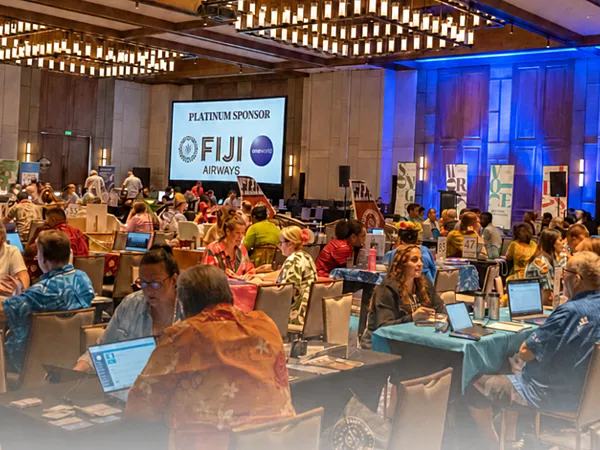
The Pacific Tourism Organisation (SPTO) has released its official Post-Event Report for the South Pacific Tourism Exchange (SPTE) 2026, highlighting record-breaking participation, stronger regional collaboration, and significant progress toward sustainable tourism development across the Pacific.
Held from March 24–26 at the Crowne Plaza Fiji Nadi Bay Resort and Spa, SPTE 2026 attracted more than 225 trade-floor participants, including 82 sellers representing 17 countries and territories, 60 international buyers from 16 countries, and eight ancillary providers.
The report revealed that the event achieved an 84 percent seller conversion rate, an increase of 16 percentage points from 2025, while facilitating a record 2,809 business-to-business meetings at an 80 percent booking rate — the highest figures recorded in the history of the exchange.
A notable highlight was the increased participation from Papua New Guinea, which expanded its presence from one seller in 2025 to seven sellers in 2026. The event also welcomed the Federated States of Micronesia for the first time, further broadening Pacific representation.
Development partner support enabled 11 tourism operators from Smaller Island States and Territories (SISTs) to participate, reinforcing SPTO’s commitment to inclusive regional development and ensuring that emerging destinations could access international tourism markets.
Several new initiatives were introduced during SPTE 2026, including the inaugural Industry Day, which attracted 93 participants and featured expert-led discussions on tourism trends and opportunities. The event also hosted a Women in Business Showcase, highlighting women-led tourism enterprises from six Pacific Island countries.
Media engagement exceeded expectations, with 10 media representatives from New Zealand, Australia, Fiji, and Italy generating more than 200 pieces of digital content before, during, and after the event.
SPTO Chief Executive Officer Christopher Cocker said the strong outcomes demonstrated the Pacific tourism industry's growing unity and readiness to compete in international markets.
“SPTE 2026 demonstrated that the Pacific’s unified approach to tourism is delivering real commercial value for our members,” Cocker said.
“The strong participation, high-quality meetings, and positive stakeholder feedback show that the region is moving forward with confidence, collaboration, and a clear commitment to sustainable, inclusive growth.”
Cocker acknowledged the contributions of industry stakeholders, member countries, tourism operators, and development partners who helped make the event a success. He also extended special appreciation to Fiji Airways, the event’s Platinum Partner, for its significant in-kind support, which enabled the hosted buyer programme and strengthened international participation across key source markets.
The SPTO Chief Executive further recognised the support of numerous sponsors and partners, including New Zealand Māori Tourism, UnionPay International, the Fiji Ministry of Tourism and Civil Aviation, South Sea Cruises, Vanuatu Tourism Office, Tahiti Tourisme, SPREP, Samoa Tourism Authority, Tourism Solomons, Tourism Fiji, Pacific Trade Invest Australia, South Pacific Pocket Guide, and several other industry supporters.
According to the report, stakeholder feedback indicated high satisfaction levels among participants and strong intentions to return for SPTE 2027.
Fiji has secured hosting rights for next year’s event, reaffirming its position as one of the Pacific region’s leading tourism hubs and reflecting confidence in the country’s capacity to deliver one of the region’s premier tourism business events.
The report recommends continued efforts to expand market reach, improve event operations, and strengthen support for Smaller Island States and Territories and emerging tourism operators.
SPTO said the results of SPTE 2026 demonstrate the growing strength and resilience of Pacific tourism and reinforce the value of regional collaboration in driving sustainable economic growth throughout the region.
Solomon Airlines has been granted an International Airline Licence by Papua New Guinea’s Department of Transport, clearing the way for the airline to commence direct services between Port Moresby and Honiara.
The licence was formally presented on 12 June 2026 by Papua New Guinea Secretary for Transport, Matthew Wowoni, to Solomon Islands High Commissioner to Papua New Guinea, His Excellency William Soaki, who received the document on behalf of Solomon Airlines during a handover ceremony in Port Moresby.
The approval marks a significant milestone in strengthening aviation connectivity and economic cooperation between Papua New Guinea and Solomon Islands, two of Melanesia’s closest neighbours.
Speaking at the ceremony, High Commissioner Soaki welcomed the issuance of the licence, describing it as a timely development amid growing travel demand between the two countries.
“The commercial licence comes at an important moment, as we observe a steady increase in passenger movement between our two capitals, reflecting deepening people-to-people links, growing business engagement, and expanding regional cooperation,” he said.
High Commissioner Soaki emphasized the strategic importance of the route, noting that improved air connectivity would benefit both nations through increased trade, tourism, and investment opportunities.
“This route is strategically significant not only for the mobility of our citizens, but also in supporting trade, tourism and investment,” he said.
He further highlighted the strong economic relationship between the two countries, noting that Solomon Islands hosts one of the largest concentrations of Papua New Guinean investment abroad.
“The activation of this traffic right will therefore contribute directly to strengthening economic integration and fostering closer ties between our private sectors and communities,” he added.
Secretary for Transport Matthew Wowoni also welcomed the development, saying the granting of the licence represents an important step in enhancing aviation links between Papua New Guinea and Solomon Islands.
The new service is expected to facilitate greater movement of people, goods, and services between the two countries while supporting broader regional integration objectives.
Solomon Airlines is scheduled to operate its inaugural flight to Jacksons International Airport in Port Moresby on 30 June 2026 under the newly approved licence.
Meanwhile, officials from Papua New Guinea and Solomon Islands are continuing preparations for the next round of bilateral Air Services Agreement (ASA) review meetings, which are tentatively scheduled to be held in Papua New Guinea in early August.
The launch of the direct air service is expected to further strengthen diplomatic, commercial, and people-to-people ties between the two Melanesian nations, while creating new opportunities for tourism, business, and investment across the region.
Follow on LinkedIn:
Pacific Business Review
Be the "First" to get our exclusive Digital Magazine & Weekly Newsletter.