
Fiji's expanding tourism sector is attracting growing interest from international investors, with more than $3 billion worth of tourism projects in the pipeline as the country works toward welcoming 1.25 million visitors and generating $4 billion in tourism earnings by 2027.
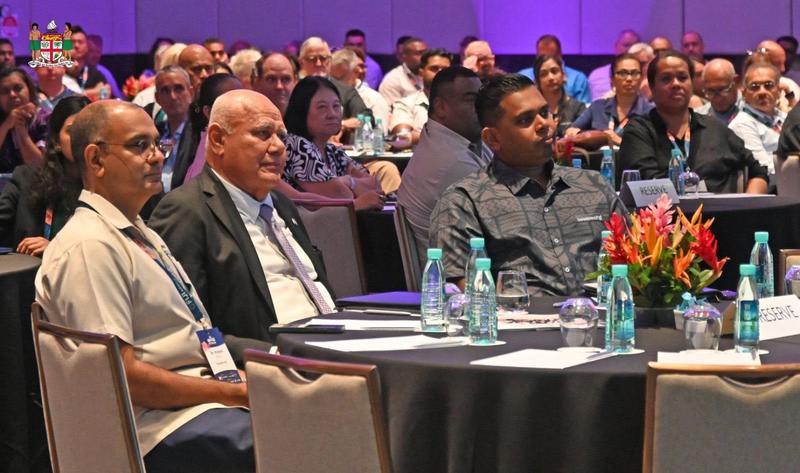
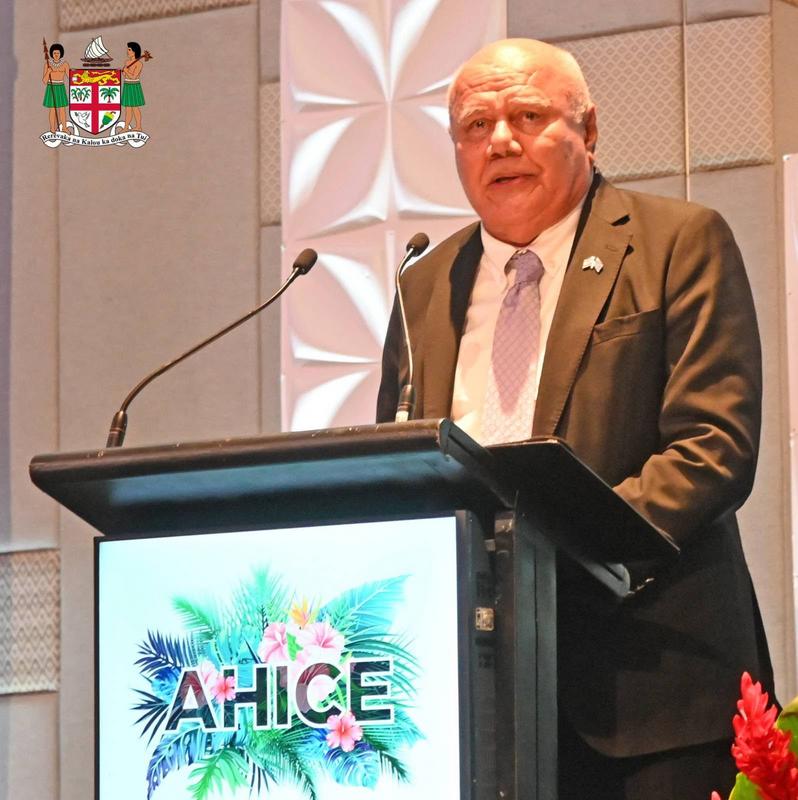
Speaking at the opening of the Asia-Pacific Hotel Industry Conference and Exhibition (AHICE) Fiji Investment in Tourism Summit 2026 at the Crowne Plaza Resort and Spa in Nadi, Deputy Prime Minister and Minister for Tourism and Civil Aviation Viliame Gavoka said tourism continues to be one of Fiji's most important economic drivers, supporting employment, investment and national growth.
Fiji welcomed 986,367 visitors in 2025 and generated $2.81 billion in tourism earnings, representing a 10.9% increase compared with the previous year.
The positive momentum has continued in 2026. Visitor arrivals reached 276,701 during the first four months of the year, an increase of 4.6% from the corresponding period in 2025, reflecting sustained demand from international travelers.
Gavoka said continued growth in visitor numbers is creating strong demand for new tourism infrastructure and accommodation capacity across the country.
To meet future demand, Fiji is expected to require about 4,000 additional hotel rooms. He disclosed that 53 tourism investment projects valued at a combined $3.1 billion are currently in the development pipeline.
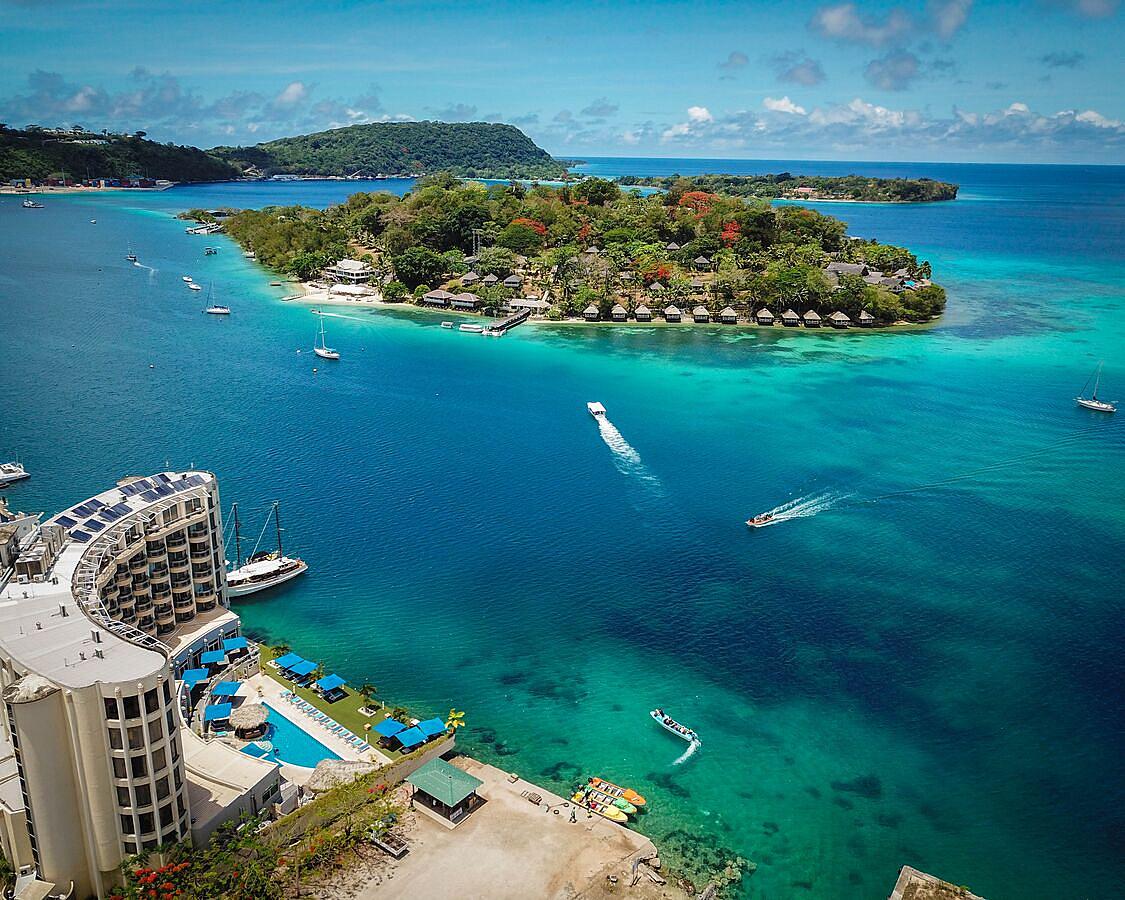
Among the major projects under consideration or development are the Sofitel Fiji Resort & Spa Vatu Talei project, the expansion of Crowne Plaza at Wailoaloa, the Radisson Mirage Resort on Naisoso Island and several large-scale tourism developments on Koro Island.
The minister said Fiji is also attracting growing attention from leading global hospitality brands. Mandarin Oriental Hotel Group is exploring opportunities to acquire private islands in Fiji, while Kerzner International is planning a six-star luxury resort in the Yasawa Islands.
Gavoka said investor confidence has been strengthened by the passage of the Tourism Bill 2026, which modernizes Fiji's tourism framework for the first time in more than 50 years.
He described the legislation as a significant milestone for the industry, providing a more contemporary regulatory environment and greater certainty for investors seeking long-term opportunities in the country.
At the same time, he emphasized that future tourism growth would be guided by sustainability principles.
Under Fiji's National Sustainable Tourism Framework, tourism developments are expected to balance economic growth with environmental protection, cultural preservation and community benefits.
Gavoka said the government remains committed to ensuring tourism investment delivers inclusive outcomes while safeguarding Fiji's natural assets and cultural heritage.
"I invite you to seize these opportunities, engage with our team and partner with us to shape a future where tourism not only drives growth but empowers our people," he told delegates attending the summit.
The AHICE Fiji Investment in Tourism Summit brought together tourism leaders, hotel operators, investors and government representatives to explore emerging opportunities and discuss the future direction of Fiji's rapidly growing tourism sector.