
Fiji has enacted its first comprehensive tourism legislation, replacing the Hotel and Guest Houses Act 1973 with a broader regulatory framework aimed at supporting the long-term growth, governance and sustainability of one of the country’s most important economic sectors.
The Tourism Bill No. 10 of 2026 was passed into law on May 28, establishing the new Tourism Act 2026, which introduces updated provisions covering tourism enterprise registration, national tourism standards, sustainability and compliance measures, and protections for indigenous and cultural knowledge.
The legislation also seeks to strengthen participation by communities and micro, small and medium enterprises in the tourism sector, which remains a major contributor to employment, foreign exchange earnings and rural development in Fiji.
Deputy Prime Minister and Minister for Tourism and Civil Aviation Viliame Gavoka said the new law reflects the transformation of Fiji’s tourism industry over recent decades and aligns with the government’s broader tourism development strategy.
“Over the last 20 years, Fiji has doubled its visitor numbers. Our communities are more deeply involved in tourism than ever before, and the expectations of travellers and investors alike have changed significantly. It is time our laws reflected that reality,” Gavoka said.
Fiji now receives close to one million visitors annually, supported by a wide network of hotels, resorts, tour operators and community-based tourism experiences, including hiking, camping and short-term accommodation platforms such as Airbnb.
The previous legislation governing the sector dated back to the 1970s, when Fiji’s tourism industry was significantly smaller and less diversified.
The enactment of the Tourism Act also follows broader government efforts to strengthen tourism and aviation as central pillars of Fiji’s economic development strategy.
Earlier this year, Gavoka told Parliament that the ministry’s tourism development approach is guided by the “Five A’s” of tourism growth — access, accommodation, attractions, amenities and actors — aimed at ensuring infrastructure, investment and community participation work together to expand the sector.
Among the key initiatives under the strategy is the World Bank-supported Na Vualiku Tourism Development Programme, which seeks to unlock tourism potential in Vanua Levu through airport upgrades, improved infrastructure and expanded opportunities for local businesses.
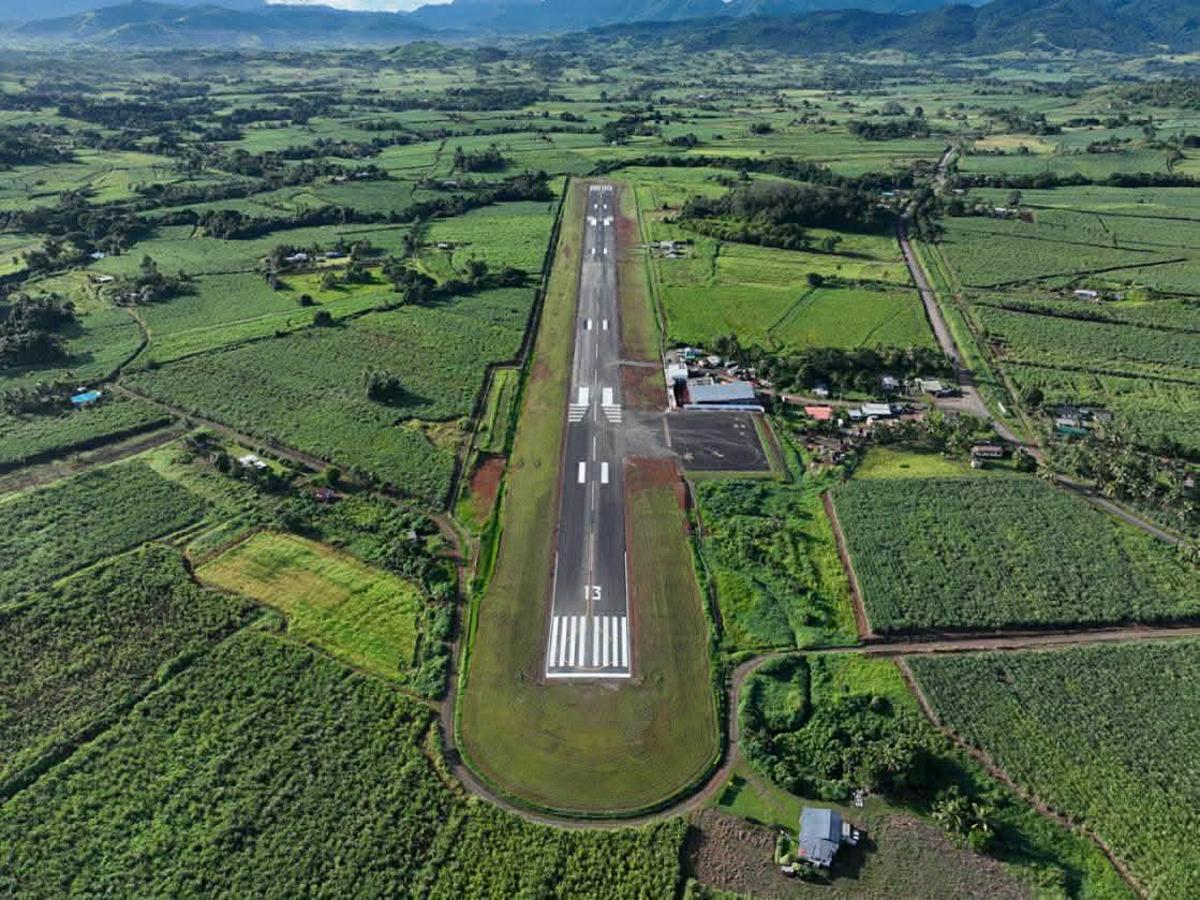
Runway upgrades at Labasa Airport are expected to improve connectivity and boost investor confidence in Fiji’s northern region, while tourism development is also being expanded in maritime and rural areas, including the Lau group.
The Tourism Act 2026 also builds on earlier policy work by the government, including the Fiji Tourism Policy 2025–2035 and the Fiji Tourism Standards Framework Guidance Note, which were introduced as part of preparations for Fiji’s first dedicated tourism law.
Officials previously said the policy and standards framework would help establish clearer expectations around quality, sustainability, safety and service across the tourism industry while supporting responsible and inclusive growth.
The proposed framework is also expected to streamline tourism-related licensing, create greater consistency across regulations and clarify the roles of the Tourism Department and Tourism Fiji.
According to the government, the Tourism Act 2026 was developed through consultations with industry representatives, community groups, government agencies and tourism operators across the country.
“This legislation did not happen overnight,” Gavoka said. “It was shaped by the voices of communities, operators, and stakeholders from across the country.”
The Hotel and Guest Houses Act 1973 will be formally repealed once the new Tourism Act comes into force on a date to be determined by the minister.
The government said the new framework is intended to support sustainable tourism development while strengthening industry oversight and aligning the sector with current market expectations and investment trends.