The Fiji government is stepping up efforts to reduce the country’s rice import bill while strengthening food security and supporting local farmers through a series of agricultural initiatives.
The government said immediate measures are being implemented to increase local rice production and reduce reliance on imported rice.
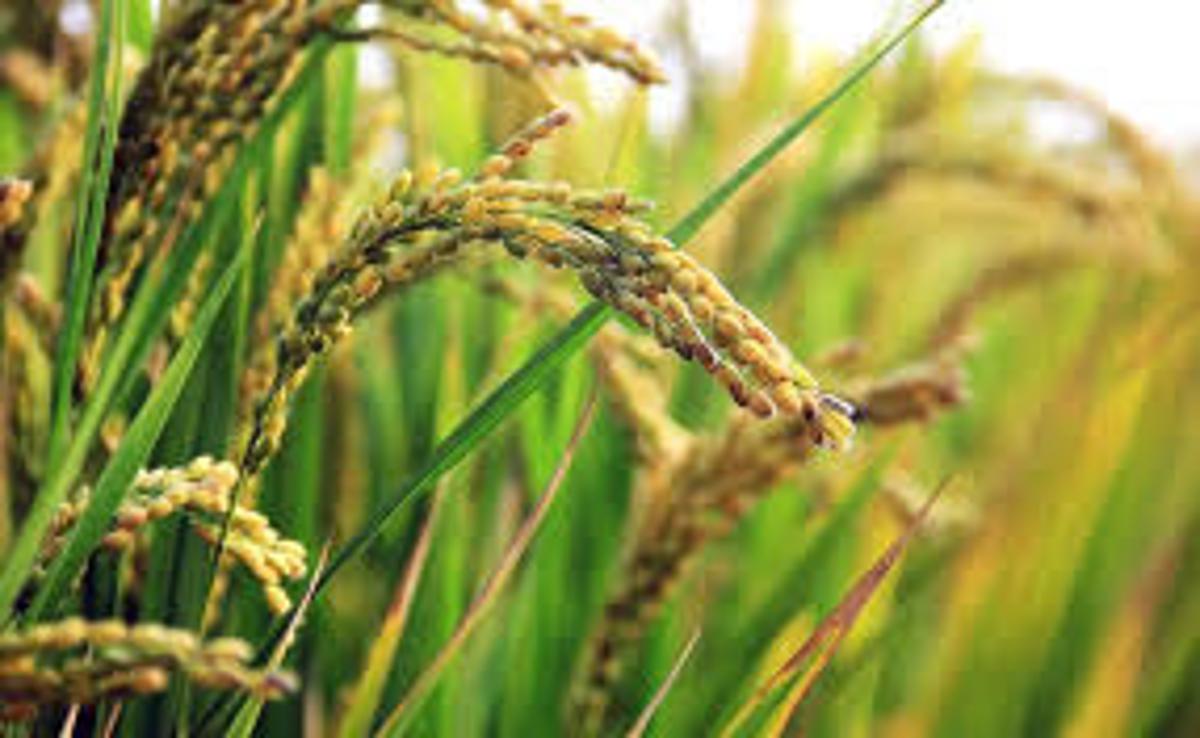
These include expanding rice cultivation programs in suitable agricultural areas and distributing improved and climate-resilient rice seed varieties to farmers.
Authorities are also strengthening mechanization support for land preparation and harvesting while supporting upgrades to rice mills and post-harvest processing facilities.
The government said it is encouraging youth participation and commercial investment in rice farming through targeted incentives and training programs.
Fiji is also working with development partners and research institutions to modernize the country’s rice industry and improve productivity.
As part of broader reforms, the government plans to implement a conditional import tariff framework aimed at managing rice imports while encouraging local production.
Officials are also conducting market demand and consumer preference surveys to better understand domestic rice consumption trends.
Additional measures include policy interventions and institutional reforms designed to strengthen the domestic rice sector and improve long-term sustainability.
The government said technology integration would also play a key role, including the use of precision farming, digital monitoring systems and energy-efficient processing across rice production and supply chains.
The initiatives form part of the government’s broader commitment to building a more resilient, sustainable and self-sufficient agricultural sector in Fiji.