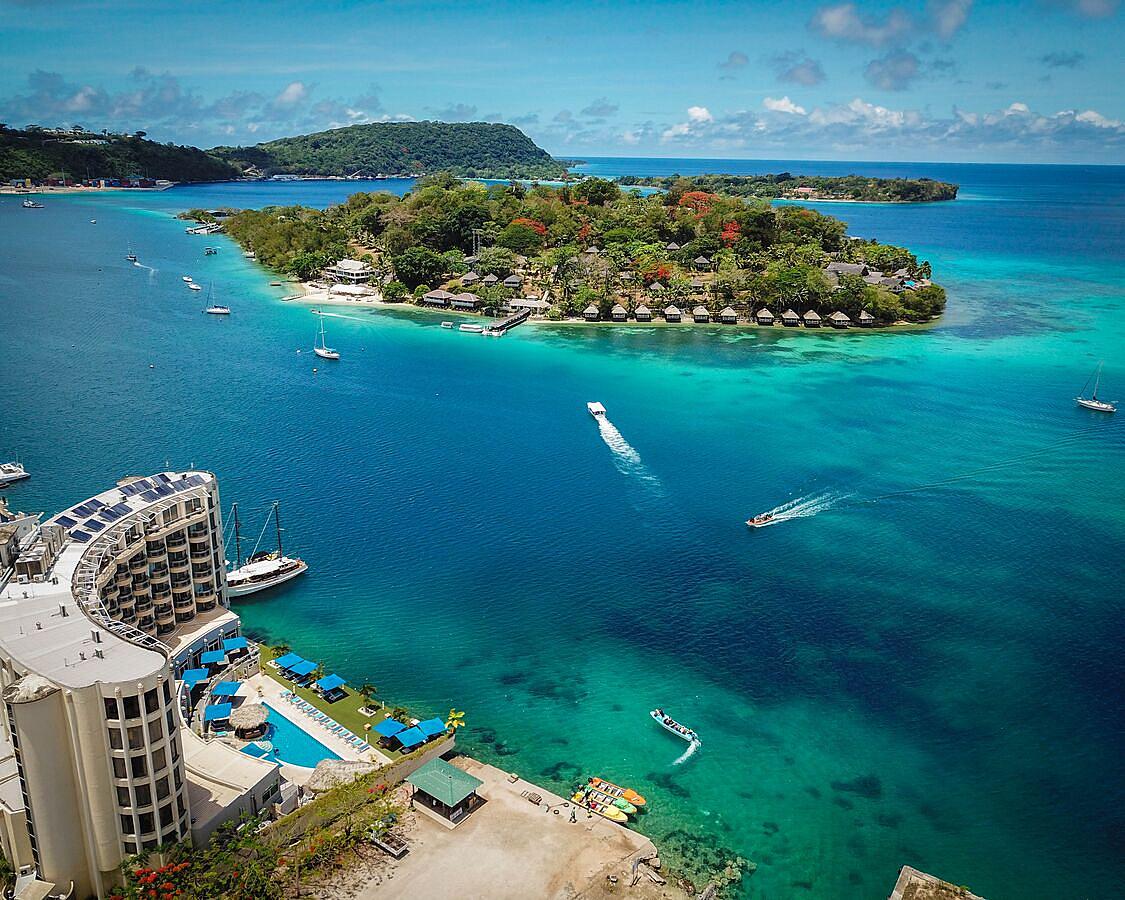
Vanuatu's tourism sector generated an estimated economic impact of USD 136 million in 2025, underpinned by strong visitor spending, high satisfaction levels and growing interest in sustainable travel, according to the latest International Visitor Survey.
The January-December 2025 International Visitor Survey was released by the Pacific Tourism Organisation (SPTO) in collaboration with the Vanuatu Tourism Office (VTO) under the Pacific Tourism Data Initiative, which is funded by the New Zealand government.
The survey analyzed 647 valid responses from 2,993 invitations, representing a 22 percent response rate and about 1 percent of Vanuatu's total international visitor arrivals during 2025.
The findings showed that Vanuatu remained a popular destination among international travelers, with 54 percent of respondents visiting the country for the first time. Holiday travel was the primary reason for visiting, followed by business travel and visits to friends and relatives.
Visitor satisfaction remained strong, with 93 percent of respondents saying they would recommend Vanuatu to others and 80 percent indicating they would return in the future.
The friendliness and hospitality of the Ni-Vanuatu people ranked among the most valued aspects of the visitor experience, alongside the country's cultural attractions, natural landscapes and adventure tourism offerings.
The survey also highlighted tourism's significant economic contribution. Visitors recorded average prepaid expenditure of USD 994 per trip, with an estimated USD 621, or 62.5 percent, flowing directly into the local economy. Average in-country spending reached USD 789 per visitor, supported by an average stay of nine nights.
Sustainability emerged as an increasingly important factor in travel decisions. Eighty-seven percent of respondents said sustainable and responsible tourism practices were important to them, while 62 percent said sustainability influenced their choice of accommodation providers and tour operators.
Visitors also reported observing eco-friendly initiatives and responsible tourism practices during their stay, reinforcing opportunities for Vanuatu to strengthen its position as a sustainable tourism destination in the Pacific.
Despite strong overall satisfaction levels, the survey identified several areas requiring further improvement, including airport processes, road infrastructure, pricing transparency and domestic transport connectivity.
SPTO Chief Executive Officer Christopher Cocker said the survey demonstrated the value of tourism data in supporting sustainable growth and informed decision-making.
"The International Visitor Survey provides more than just numbers — it tells the story of the visitor experience and gives destinations the evidence needed to make smarter tourism decisions," Cocker said.
He said the findings highlighted both Vanuatu's strengths and areas where continued investment would be required to enhance competitiveness and resilience.
Cocker added that sustainability was becoming a central consideration for travelers and would play an increasingly important role in the long-term success of Pacific tourism destinations.
VTO Chief Executive Officer Adela Issachar Aru said the results confirmed Vanuatu's ability to deliver meaningful visitor experiences through its people, culture and natural environment.
She said the survey would help inform future tourism planning and investment priorities, particularly in infrastructure, connectivity, sustainability and service delivery.
The report also highlighted growing local capacity in tourism research and destination intelligence, with the Vanuatu Tourism Office contributing 70 percent of the analytical content under the Pacific Tourism Data Initiative's collaborative reporting framework.
The International Visitor Survey forms part of SPTO's broader efforts to strengthen tourism data systems and evidence-based tourism management across Pacific Island destinations.