The Government has reaffirmed its support for locally driven tourism investment following the launch of a new cruise vessel aimed at expanding Fiji’s premium travel offering.
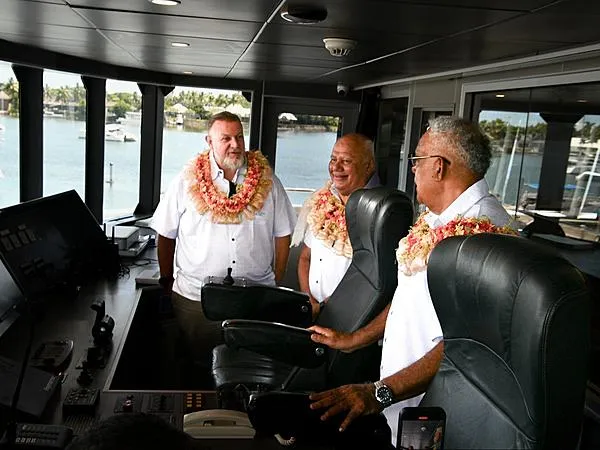
Deputy Prime Minister and Minister for Tourism and Civil Aviation Viliame Gavoka officiated at the launch of the MV Yasawa Princess II at Port Denarau in Nadi on 26 March, marking a significant addition to the country’s small-ship cruising sector.
Operated by Blue Lagoon Cruises, the vessel adds 22 cabins with capacity for 44 guests. Acquired in July 2025 and subsequently refurbished, it joins the existing Fiji Princess, bringing total capacity to 54 cabin berths per week across three-, four- and seven-night itineraries.
Local sailings are scheduled to commence in April, with the vessel’s first international voyage set for 27 April 2026.
Speaking at the launch, Gavoka commended Blue Lagoon Cruises as a Fiji-owned operator with a long-standing presence in the tourism sector, highlighting the importance of local enterprise in driving sustainable economic growth.
“I hold in high regard initiatives driven by local businesses and entrepreneurs committed to delivering services that create meaningful benefits for our communities,” he said.
The launch forms part of the Coalition Government’s broader strategy to strengthen Fiji’s premium tourism segment, with a particular focus on experiential and small-scale travel.
Gavoka said small-ship cruising allows visitors to engage more deeply with Fiji’s maritime regions, offering access to remote destinations and cultural experiences beyond traditional tourism hubs.
Central to the company’s itineraries is the Yasawa Islands corridor, widely regarded as one of Fiji’s most distinctive tourism regions. The expansion of cruise capacity is expected to support economic activity in rural and maritime communities, including job creation and opportunities linked to local culture and services.
The Minister also highlighted the vessel’s fully Fijian crew, describing it as a point of national pride and a reflection of ongoing investment in maritime skills development.
He noted that the crew successfully completed the vessel’s delivery voyage from Brisbane to Port Denarau, demonstrating local capability in international maritime operations.
The addition of the MV Yasawa Princess II is expected to strengthen Fiji’s position in the niche cruise market, as the government continues to prioritise high-value, low-impact tourism as a driver of long-term growth.
The Vanuatu Tourism Office and Tourism Solomons Office have completed their second online refresher training for 2026 under the Pacific Tourism Data Initiative, a regional programme aimed at strengthening tourism data capabilities across Pacific Island countries.
Delivered in partnership with the Pacific Tourism Organisation, the week-long training held from February 23 to 27 focused on enhancing technical expertise in tourism data analysis, statistical interpretation and report compilation. Participants were trained in analytical tools including SPSS, Excel and NVivo.
The virtual sessions, conducted via Zoom and Microsoft Teams, aimed to build in-country capacity to produce International Visitor Survey reports, supporting evidence-based tourism planning and policymaking.
Key analytical areas covered included visitor origin and top source markets, purpose of travel and group size, airlines used, destinations visited, average length of stay, accommodation preferences and satisfaction, as well as trip planning and repeat visitation, including cruise travel.
Participants also undertook practical exercises on frequency analysis, data weighting techniques and reconciliation with National Statistics Office visitor arrival data to ensure outputs are statistically robust and aligned with international standards.
The Vanuatu Tourism Office and Tourism Solomons Office are among 10 Pacific Island participants in the initiative, alongside the Cook Islands, Tonga, Papua New Guinea, Niue, Samoa, Timor-Leste and the Federated States of Micronesia (Yap).
Funded by the New Zealand government, the initiative comprises three core surveys: the biannual International Visitor Survey, the annual Business Confidence Index and the annual Community Attitude Survey, all designed to support data-driven tourism development in the region.
Participants said the training’s practical approach improved their understanding of analytical processes, particularly in applying weighting methodologies and aligning survey data with official visitor statistics. Both offices are working towards completing up to 70% of their January to December 2025 International Visitor Survey reports.
Pacific Tourism Organisation Chief Executive Officer Christopher Cocker said the collaborative format enabled participants to share experiences, compare methodologies and collectively address challenges.
He said the training supports the initiative’s long-term goal of strengthening national tourism offices’ capacity to independently analyse data and produce reports, helping lay the groundwork for more robust, evidence-based tourism planning across the Pacific.
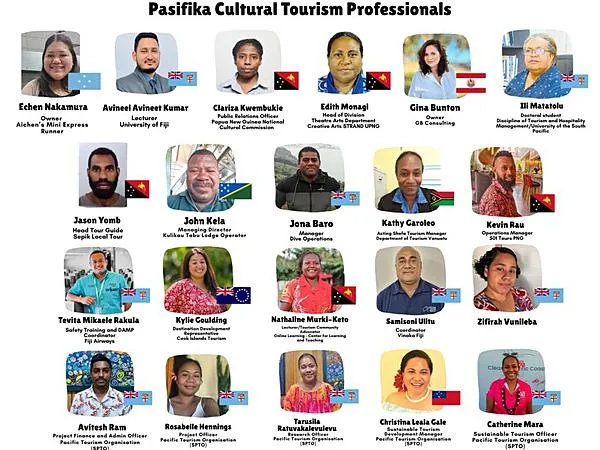
The Pacific Tourism Organisation has graduated 21 participants from its Online Pasifika Cultural Tourism Training programme, marking a step forward in efforts to strengthen cultural tourism across the region.
Participants from eight Pacific countries — Papua New Guinea, Fiji, the Cook Islands, Vanuatu, French Polynesia, Samoa, Solomon Islands and the Federated States of Micronesia — completed the course, which combined online modules, live sessions, assignments and supporting materials. A minimum score of 70 percent was required to pass.
Launched on World Tourism Day in September 2025, the initiative aims to build the capacity of tourism operators and stakeholders to deliver authentic, high-quality cultural tourism experiences rooted in Pacific traditions. It also seeks to support community-led tourism by equipping participants with practical skills aligned with local cultural values.
The programme was facilitated by SauVaka Culture Consultancy’s Simione Sevudredre and Peni Jeffrey and delivered via SPTO’s digital learning platform, Tovuti. Training modules covered storytelling, visitor engagement, product development and core principles of cultural tourism, while live sessions enabled peer learning and mentorship.
SPTO chief executive officer Chris Cocker said the programme demonstrates how digital learning can enhance cultural tourism while preserving authenticity.
“The successful completion of this training by twenty-one participants is a powerful example of how digital learning can strengthen cultural tourism across the Pacific while ensuring our traditions, stories and heritage are shared with authenticity and respect,” Cocker said.
He added that strengthening cultural tourism is central to the region’s broader tourism agenda, noting that equipping practitioners with the right skills supports communities in creating meaningful visitor experiences while generating sustainable livelihoods.
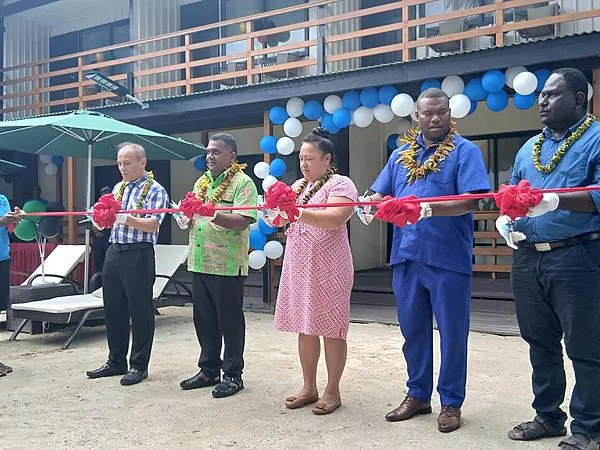
The Minister for Culture and Tourism, Choylin Douglas, on 13 March officially opened the newly upgraded Raiders Hotel in Tulagi, Gela, Central Islands Province.
The opening marks a significant milestone for the hotel’s owners and management and provides a major boost for tourism development in Central Islands Province and the Solomon Islands.
The hotel’s upgrade forms part of the Ministry’s 2025 budget support programme for tourism operators, which aims to enhance the country’s tourism infrastructure and competitiveness.
“This initiative is a testament to the strong partnership between the Government and local tourism operators,” said Minister Douglas. “Together, we have worked to upgrade tourism facilities to a level where they are ready to receive more visitors and contribute to the growth of the sector.”
The Ministry of Culture and Tourism supported several major local operators, including Paringiju Inland Mountain Lodge, Zaru Hotel, Double Islands Resort and Raiders Hotel, to upgrade and expand their facilities.
Minister Douglas praised the joint venture partnership between foreign and local investors, saying it combines international expertise, capital and networks with local ownership and knowledge, strengthening the tourism industry and creating opportunities for local communities.
She encouraged tourism operators in Tulagi and Central Province to collaborate on tour packages and experiences, and called on land and resource owners to work with operators to develop attractive sites and visitor attractions.
The National Government, through the Ministry of Culture and Tourism, remains committed to supporting viable projects that contribute to the growth of the tourism industry.
Raiders Hotel plans to establish a dive shop, swimming pool, jetty and spa, enhancing the visitor experience and attracting more tourists.
Minister Douglas congratulated the shareholders, directors and management of Raiders Hotel on their achievement and thanked them for their partnership with the Government in developing tourism.
The hotel is now open for business, offering improved facilities and services to visitors.
Tulagi Island, located off the south coast of Gela, holds a special place in the Solomon Islands’ history as the country’s first capital during the British Protectorate period.
This charming island is home to a wealth of historic attractions, including the former British High Commissioner’s Residence, the historic Tulagi Prison, and relics from World War II, including underground tunnels dug during the war.
The island’s pristine waters are teeming with marine life, making it a haven for divers and nature lovers.
With its rich history, stunning scenery and abundant marine life, Tulagi Island is a hidden gem waiting to be explored.
Culture and Tourism Minister Choylin Douglas has officially opened the Rua Kokomu Island Resort, also known as Double Island Resort, in Gela, underscoring the Solomon Islands government's push to expand the tourism sector.
The luxury resort, owned and operated by the Leong family, was formally opened on March 6 following significant private investment in the project.
Douglas said the development supports the government’s plan to position the Tulagi hub as a key tourism growth area, highlighting the region’s cultural heritage, colonial history and natural attractions.
The government provided an SBD3 million grant to support the project, reflecting its strategy of partnering with private investors to accelerate tourism development.
“This achievement is a result of commitment, careful planning, hard work, and a strong partnership between the government and the private sector,” Douglas said.
He said the Leong family’s investment demonstrated confidence in the country and in the long-term potential of the tourism industry.
Douglas noted that developments such as Double Island Resort would help increase the number of “market-ready rooms” capable of competing at the international level.
The project is expected to generate employment and stimulate economic activity in Central Islands Province, with the government encouraging the local community to support the investment.
“The beauty of our islands will attract visitors — but it is the warmth and professionalism of our people that will bring them back,” Douglas said.
The Leong family, which also owns the Pacific Crown Hotel, has continued to expand its presence in the Solomon Islands tourism sector through the new resort.
Officials said the opening marks another milestone in the country’s efforts to grow tourism capacity and attract more international visitors.
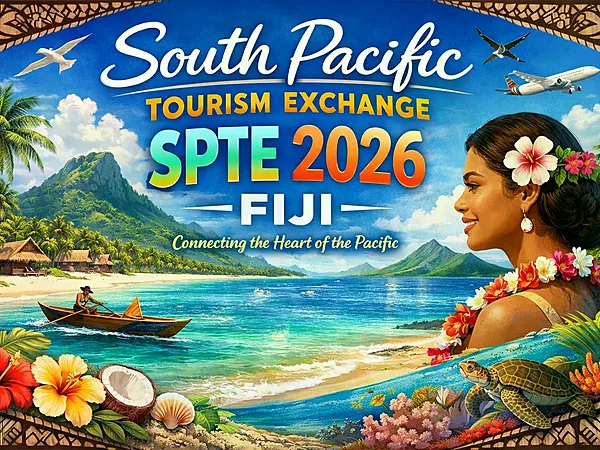
The Pacific Tourism Organisation (SPTO) has announced the Vanuatu Tourism Office (VTO) as the National Tourism Organisation (NTO) Regional Leader Sponsor for the South Pacific Tourism Exchange (SPTE) 2026, to be held from 25–26 March 2026 at the Crowne Plaza Resort & Spa, Nadi.
SPTE 2026 will bring together tourism sellers and buyers from across the Pacific and key global markets, showcasing the region’s diverse offerings while highlighting emerging and lesser-known destinations. Under the theme “Tourism that Connects: Culture, Climate, Community”, the event will celebrate the Pacific as a shared ocean of cultures, traditions and knowledge systems, ensuring inclusive participation from Pacific Small Island States and territories.
Vanuatu Tourism Office’s role as NTO Regional Leader Sponsor reflects its leadership within the Pacific tourism landscape and its commitment to regional collaboration, sustainable development and resilience-building through tourism. The sponsorship will support enhanced participation by Pacific destinations and strengthen the collective regional voice at SPTE 2026.
SPTO Chief Executive Officer Christopher Cocker said the partnership underscores the importance of Pacific-led leadership in shaping the future of regional tourism.
“Vanuatu’s role as NTO Regional Leader Sponsor goes beyond visibility at SPTE 2026,” Mr Cocker said. “It represents a shared commitment to strengthening Pacific collaboration, championing sustainable and culturally grounded tourism, and ensuring that all Pacific destinations — particularly smaller and emerging ones — have a strong platform in the global marketplace.”
Vanuatu Tourism Office Chief Executive Officer Adela Issachar Aru welcomed the partnership, describing SPTE 2026 as a vital opportunity to reinforce regional solidarity. Ms Aru said the sponsorship reflects VTO’s strong belief in the collective strength of the Pacific tourism region.
“Our partnership with SPTE is a strategic investment in the shared success of the Pacific,” Ms Aru said. “Vanuatu Tourism is committed to the Pacific Sustainable Tourism Policy Framework, and by supporting SPTE, we are helping to keep the region front of mind for high-value, conscious travellers. As Vanuatu continues to grow its presence in its priority markets, SPTE provides a critical platform to connect our local operators with global buyers. Just as importantly, we see this sponsorship as an opportunity to actively contribute to regional dialogue and collaboration that benefits all Pacific Island nations.”
SPTE 2026 is expected to attract tourism operators, buyers, media and partners from around the world, providing a critical platform for business development, knowledge exchange and regional advocacy. With strong leadership from Pacific National Tourism Organisations such as Vanuatu, SPTE 2026 will continue to position the Pacific as a globally competitive, values-driven tourism region grounded in culture, sustainability and community wellbeing.
Fiji’s tourism and aviation sectors will remain central to the country’s economic development strategy, Deputy Prime Minister and Minister for Tourism and Civil Aviation Viliame Gavoka said in Parliament, as the government also advances plans for a new tourism law to strengthen governance of the industry.
Responding during a ministerial statement, Gavoka said the government is prioritising policies and infrastructure to reinforce tourism and aviation as key drivers of national growth and employment.
He said the ministry’s development strategy is guided by the “Five A’s” of tourism growth — access, accommodation, attractions, amenities and actors — aimed at ensuring infrastructure, investment and community participation work together to expand the sector.
A major initiative highlighted by Gavoka is the World Bank-supported Na Vualiku Tourism Development Programme, which seeks to unlock tourism potential in Vanua Levu through airport upgrades, improved infrastructure and expanded opportunities for local businesses.
Runway upgrades at Labasa Airport are expected to improve connectivity and boost investor confidence in Fiji’s northern region, while tourism development is also being expanded in maritime and rural areas, including the Lau group.
Alongside infrastructure development, Fiji is preparing a new legislative framework to support the long-term growth of its tourism industry.
According to the latest Cabinet update, the government has introduced the Fiji Tourism Policy 2025–2035 and the Fiji Tourism Standards Framework Guidance Note, which will guide the creation of the country’s first dedicated Tourism Law.
Officials said the two documents will serve as key pillars in shaping the legislation, which aims to formalise governance of one of Fiji’s most important economic sectors.
The Tourism Policy sets the overall direction for the proposed law, while the Guidance Note outlines the structure for a national Tourism Standards Framework that will define expectations around quality, sustainability, safety and service across the industry.
The new standards are expected to boost consumer confidence, strengthen Fiji’s reputation as a world-class destination and encourage responsible business practices that ensure growth remains sustainable and inclusive.
Fiji currently does not have a dedicated tourism law, but Cabinet earlier approved the drafting process for what officials described as a “historic step” toward comprehensive tourism legislation. A joint working group has been established to oversee the development of the framework.
The proposed law is expected to streamline tourism-related licensing, create consistency across regulations and clarify the roles of the Tourism Department and Tourism Fiji.
It will also embed sustainability principles into the sector, providing an integrated framework to guide the development, management and promotion of tourism while addressing regulatory gaps.
Tourism remains one of Fiji’s key economic pillars, contributing significantly to employment, foreign exchange earnings and rural development. Gavoka said the government remains committed to ensuring tourism growth is inclusive, structured and sustainable while protecting Fiji’s natural and cultural heritage.
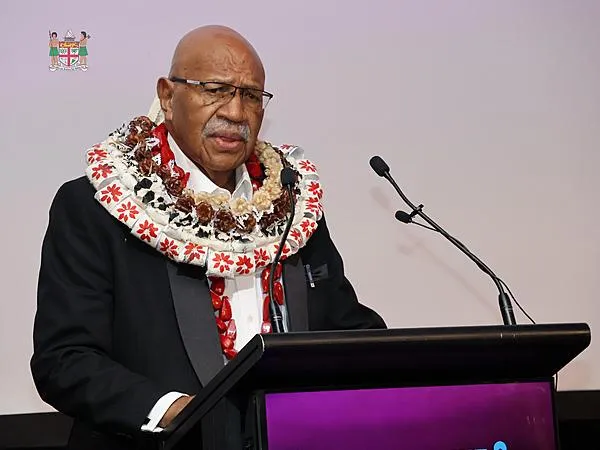
Fiji Prime Minister Sitiveni Rabuka honoured industry leaders and businesses at the ANZ Fiji Excellence in Tourism Awards 2025, highlighting tourism’s continued role as a key driver of the country’s economy.
Speaking at the awards ceremony held in Nadi on 28 February, Rabuka said Fiji’s tourism industry continues to demonstrate resilience and adaptability despite global uncertainties.
“Our ‘Bula’ spirit and the genuine warmth of our people remain our greatest competitive advantage. This essence of true Fijian hospitality is what truly differentiates us in a crowded global market,” Rabuka said.
He described tourism as a cornerstone of Fiji’s economic framework, noting the sector’s strong performance in 2025.
“Tourism remains a cornerstone of Fiji’s economic architecture. Despite global uncertainty and evolving travel patterns, our industry has demonstrated remarkable adaptability and resilience,” Rabuka said.
Citing the Fiji Bureau of Statistics September 2025 Quarterly Report, Rabuka said about $918.4 million was generated from holiday arrivals, making a significant contribution to national output and supporting thousands of Fijian households.
He added that earnings in September 2025 were 23.4 percent higher than in June 2025, reflecting sustained global demand for Fiji’s tourism offerings.
“With room occupancy rates increasing to 62.2 percent and average daily rates reaching new heights, this demonstrates that Fiji’s tourism industry is not only recovering from pre-COVID levels but is thriving,” he said.
“These are not merely positive indicators — they are signals of renewed confidence in Fiji as a premier South Pacific destination. They reflect the trust that international travellers place in the quality, safety and consistency of our tourism offering.”
Rabuka said the awards recognise the dedication and innovation of workers and businesses across the tourism value chain.
“The achievements we celebrate tonight are the result of a coordinated ecosystem — from frontline airport personnel and tour operators to hotel managers, transport providers, restaurateurs, marketers and policymakers. Each plays an indispensable role in delivering a seamless and memorable visitor experience.
“Equally important are our strategic partners and sponsors. Your continued investment and collaboration have strengthened the foundations of this industry and ensured that the benefits of tourism are widely shared across communities.”
Rabuka emphasised that sustained success in tourism will depend on partnerships, innovation and high service standards.
“As we look toward the future, let us remind ourselves of the spirit within us that has turned every challenge into a milestone. It is our unwavering spirit, our unified voice and our passion for excellence that will continue to uplift and inspire our people, ensuring that Fiji remains a premier global destination.”
Among the major awardees were Mark and Janice Hinton, who received the Visionary Award, and Narend Kumar, who was honoured with the Lifetime Achievement Award.
Other key winners included Kolora Mason as Dixon Seeto Tourism Leader, Sawani Hoyt of Tropica Island Resort for Employee Excellence in Service, and Akshay Avin Chand as Rising Star.
Industry recognitions also went to Nanuka Island Resort for Community CSR, Kaibu Fiji Private Island for Environmental Sustainability, Nanuku Resort Fiji for Excellence in Food Tourism, and Rosie Holidays as Inbound and Transport Operators winner.
In the accommodation category, Likuri Island Resort won Accommodation Budget, DoubleTree Resort by Hilton received the Accommodation Superior Award, Malolo Island Resort was named Accommodation Deluxe (less than 50 rooms), Sofitel Fiji Resort and Spa won Accommodation Deluxe (50 rooms and above), and Kaibu Fiji Private Island was recognised under Accommodation Luxury Hotels and Resorts.
The awards recognise excellence across Fiji’s tourism industry, celebrating operators, hospitality professionals and service providers that contribute to the country’s global reputation as a leading travel destination.
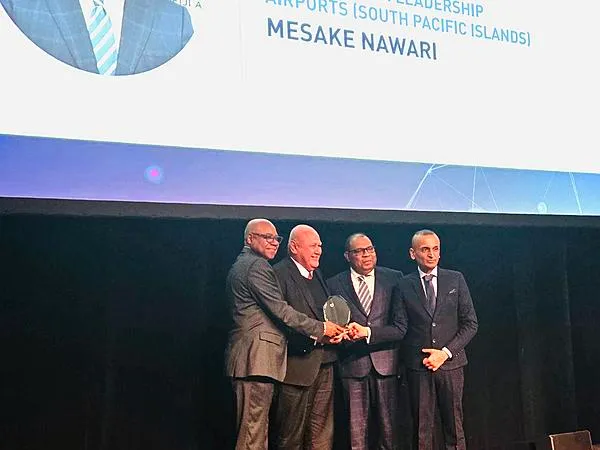
Fiji Airports and its chief executive Mesake Nawari have received international recognition at the Pacific Area Travel Writers Association (PATWA) International Travel Awards 2026 held in Berlin, Germany, with Nadi International Airport named Best Airport – South Pacific Islands.
Nawari also received the PATWA Gold Award – Excellence in Leadership – Airports (South Pacific Islands) during the PATWA World Tourism Leaders’ Summit held alongside ITB Berlin on March 4.
The awards recognise governments, organisations, brands and individuals for outstanding contributions to tourism promotion and leadership across the global travel and aviation industry.
Recipients span airlines, airports, hotels, travel agencies, tour operators, destinations, tourism ministries and service providers from across the travel sector.
The awards were presented by PATWA Secretary-General Yatan Ahluwalia.
Nawari said the recognition reflects the collective effort of Fiji’s aviation and tourism stakeholders.
“This is a proud and humbling moment for Fiji Airports and for Fiji, of course, as a popular tourism destination,” Nawari said.
“These awards reflect the dedication, professionalism and passion of our staff and airport stakeholders, who work tirelessly to ensure our airports operate safely, efficiently, and with the warmth that Fiji is known for.
“I am honoured to accept this recognition on behalf of all our board, our staff and stakeholders.”
The recognition of Nadi International Airport highlights Fiji Airports’ continued investment in infrastructure, safety, service excellence and passenger experience.
As Fiji’s main gateway, the airport plays a key role in supporting the country’s tourism sector, trade flows and broader economic growth.
Nawari said the aviation industry will increasingly be shaped by sustainability, technology and evolving traveller expectations.
“Over the next decade, sustainability, technology and customer experience will define the future of travel,” he said.
“At Fiji Airports, we are focused on balancing these priorities, reducing our environmental footprint, embracing smart technologies, and delivering seamless, inclusive and authentic travel experiences.”
Fiji Airports said it remains committed to strengthening partnerships with airline partners, government agencies, tourism stakeholders and travellers as it works toward its vision of becoming “the world-class aviation hub for the Blue Pacific.”
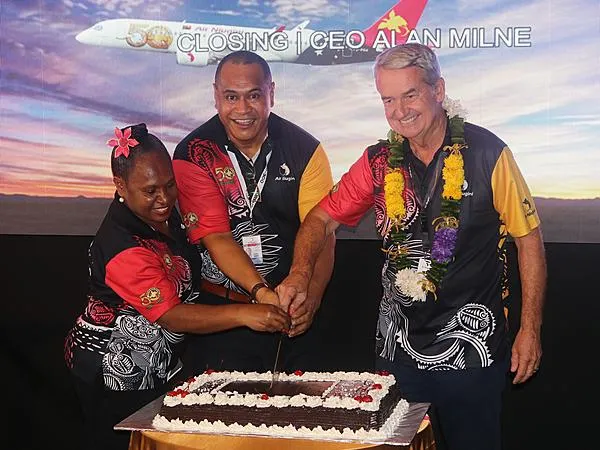
Air Niugini has launched a companywide Customer Experience Transformation (CXT) programme aimed at improving service standards and positioning the national carrier for a higher international airline rating.
The initiative was introduced during the airline’s first staff town hall of 2026 held last Friday in Port Moresby, which also marked the formal welcome of newly appointed Chief Executive Officer Alan Milne.
The CXT programme focuses on strengthening service culture, refining airline products, improving operational systems and aligning departments across the organisation to deliver a consistent and high-quality travel experience.
As part of the transformation, Air Niugini will review around 800 customer touchpoints across the passenger journey, including website and booking systems, airport check-in and lounges, boarding and ground services, onboard seating and cabin service, inflight entertainment, catering and the arrival experience.
The initiative is organised around seven workstreams responsible for different stages of the customer journey to ensure coordinated improvements across the airline.
Acting Chief Operating Officer and project sponsor Capt. Samiu Taufa said the programme represents a significant step in strengthening the airline’s service delivery.
“CXT is more than a programme — it represents our commitment to elevate Air Niugini’s service standards, strengthen our culture and modernise the way we operate. Every customer touchpoint matters, and every employee plays a role in shaping the experience we deliver,” Taufa said.
He added that the transformation is anchored in Air Niugini’s Bird of Paradise Service core belief — “Respect and Care for All,” described as Pasin bilong yumi, or the organisation’s shared values guiding behaviour and decision-making.
In December last year, Air Niugini received a 3-Star Airline Rating from Skytrax, the international air transport rating organisation that evaluates airlines through audits and passenger surveys.
Skytrax assesses airlines across several categories, including cabin service, seating comfort, catering, inflight entertainment, cleanliness and overall passenger experience. A 4-Star rating indicates a high and consistent level of product and service quality.
Through the CXT programme, Air Niugini aims to achieve a 4-Star Skytrax rating by 2027, positioning the airline among leading carriers in the region.
Programme Manager Joeli Qereqeretabua said service excellence depends on building the right organisational culture.
“At the heart of service excellence is mindset. Through the CXT programme, we are mobilising teams across the organisation and strengthening the standards and capabilities that enable our people to deliver ‘Respect and Care for All’ every day,” Qereqeretabua said.
Milne, who previously served with Air Niugini from 2018 to 2020, expressed appreciation for the welcome from employees and said he was encouraged by the company’s focus on improving customer experience.
“My vision is to foster a culture where our people are empowered to identify solutions and deliver outcomes,” Milne said. “I fully support our teams as they work through challenges, and I am committed to ensuring we move forward together with clarity and purpose.”
Employees who contributed ideas to the Bird of Paradise Service core belief were recognised during the town hall with prizes, including return airline tickets to destinations of their choice.
The event was livestreamed to staff across domestic outports and international stations, allowing employees throughout the network to participate in the milestone event.
Pacific Tourism Organisation has announced a strategic partnership with Fiji Airways as platinum partner for the South Pacific Tourism Exchange (SPTE) 2026.
The event will be held from March 25 to 26, 2026, at the Crowne Plaza Resort & Spa under the theme “Tourism that Connects: Culture, Climate, Community”.
SPTE 2026 will highlight the Pacific’s collective journey as a region united by shared heritage, environmental stewardship and community-driven tourism development. Drawing inspiration from the Pacific vaka — a symbol of connection, navigation and partnership — the event aims to reinforce regional collaboration to strengthen tourism resilience and sustainable growth.
The partnership reflects Fiji Airways’ continued support for tourism development across the Pacific and efforts to strengthen connectivity between Pacific destinations and global markets.
SPTE resumed in 2023 in Christchurch, New Zealand, after a four-year hiatus following international border closures. The event attracted Pacific sellers and international buyers from key global markets. Organisers said the 2026 edition will build on that momentum to deepen engagement between global tourism operators and the Pacific region’s offerings.
As part of the collaboration, Fiji Airways will provide flight support for selected trade partners, international media and key tourism stakeholders to enable broader participation and market exposure for Pacific tourism operators.
SPTE 2026 will continue its role as the Pacific’s premier tourism marketplace, providing opportunities for international buyers and tourism operators to engage directly with the region’s tourism offerings, including emerging destinations and community-based experiences.
SPTO Chief Executive Officer Christopher Cocker welcomed the partnership.
“Fiji Airways is more than a carrier for our region — it is a connector of Pacific people, cultures, and economies. This partnership reflects our shared vision of navigating the future of Pacific tourism together, much like our ancestors who voyaged across the ocean guided by knowledge, trust, and collaboration. Through SPTE 2026, we are strengthening our collective vaka by creating pathways for sustainable tourism that support our communities, safeguards our environment, and celebrate our cultural identity,” he said.
Cocker added that reliable air connectivity remains fundamental to ensuring equitable participation of Pacific destinations in global tourism opportunities and strengthening regional economic development.
Fiji Airways Managing Director and Chief Executive Officer Paul Scurrah reaffirmed the airline’s commitment to supporting the sector.
“As the Pacific’s world-class flagship carrier, Fiji Airways is proud to partner with Pacific Tourism Organisation for SPTE 2026. True connectivity goes beyond flights; it’s about linking communities, enabling opportunity, and sharing the Pacific’s story with the world.
“Tourism is a key economic driver for our region, and SPTE provides a valuable platform to create new business opportunities, attract investment, and support long-term resilience across Pacific destinations.”
The event will convene tourism operators, international buyers, development partners and media to strengthen partnerships, generate business opportunities and showcase Pacific experiences. It will also feature an Industry Day and a dedicated Women in Business component aimed at reinforcing collaboration, knowledge exchange and inclusive growth across the regional tourism sector.
Vanuatu has taken a significant step in strengthening its tourism and aviation links with New Zealand, following the announcement of expanded year-round direct services to Port Vila by Solomon Airlines. The Vanuatu Tourism Office (VTO) has welcomed the development, describing it as a major boost for air connectivity and the national tourism industry.
From 1 July 2026, Solomon Airlines will launch a new direct Christchurch–Port Vila service, operating twice weekly on Thursdays and Sundays. This marks the first-ever direct air link between New Zealand’s South Island and Vanuatu, opening an important new source market and making the destination more accessible to South Island travellers seeking a tropical Pacific getaway.
In addition, Solomon Airlines will introduce a fourth weekly service from Auckland to Port Vila from the same date. Together, these expansions will deliver a total of six direct flights per week from New Zealand—four from Auckland and two from Christchurch—significantly increasing capacity and travel choice for visitors.
Under the new schedule, Auckland–Port Vila services will operate on Mondays, Wednesdays, Fridays and Saturdays, with return flights departing Port Vila on Tuesdays, Thursdays, Fridays and Sundays. Christchurch–Port Vila flights will depart Christchurch on Thursdays and Sundays, with return services from Port Vila on Wednesdays and Saturdays.
The expanded services will provide approximately 900 seats per week, equating to around 46,800 seats annually. This represents a substantial increase from 17,400 seats in 2025 and creates strong growth opportunities for accommodation providers, tour operators, transport services and the wider tourism sector.
Vanuatu Tourism Office Chief Executive Officer, Mrs Adela Issachar Aru, said the announcement represents a major milestone for the destination.
“We are delighted to support Solomon Airlines as they continue to invest in the New Zealand market,” Mrs Issachar Aru said. “The launch of direct services from Christchurch and the increased frequency from Auckland significantly strengthen access to Vanuatu and support long-term tourism growth. This expanded connectivity opens new markets, particularly from the South Island, and supports increased visitation across leisure, family and adventure travel segments.”
She added that improved air access also presents strong commercial opportunities for both New Zealand and Vanuatu tourism businesses.
“With six direct services per week, Vanuatu is now easier to sell than ever before. This creates strong opportunities for our local operators, resorts, guides and transport providers to capture increased demand,” she said.
To support the growth in connectivity, the Vanuatu Tourism Office will roll out a comprehensive famil programme throughout 2026, enabling New Zealand travel agents to experience the destination first-hand. The programme will showcase Vanuatu’s accommodation offerings, attractions, cultural experiences and culinary landscape, helping to drive bookings and encourage longer stays.
The new Vanuatu Industry Training Platform will also be launched in February 2026 to ensure travel agents are well equipped to confidently sell the destination. These initiatives will be complemented by trade engagement, cooperative marketing campaigns and ongoing training support.
The increased capacity underscores Vanuatu’s commitment to strengthening its presence in the New Zealand market and driving sustainable tourism growth that delivers lasting benefits for local communities and businesses across the country.
The Vanuatu Tourism Office (VTO) has extended its warm congratulations to the Government of Vanuatu and Air Vanuatu Operations Limited following the successful arrival of a new Twin Otter aircraft, a milestone expected to significantly strengthen domestic connectivity and tourism across the country’s 83 islands.
The addition of the Twin Otter to the national carrier’s fleet marks a major step forward for domestic aviation, promising more reliable and frequent inter-island services. Renowned for its versatility and ability to operate in challenging conditions, the aircraft directly addresses long-standing connectivity gaps, particularly for outer island communities.
The new aircraft, registered YJ-AV15 and named Vanua Endeavour, represents a strategic investment in the people of Vanuatu, supporting economic growth, infrastructure resilience and equitable access to opportunities nationwide. Improved domestic air services will enhance access to essential services, support cargo transport, and enable stronger links between communities.
Vanuatu Tourism Office Chief Executive Officer, Mrs Adela Issachar Aru, described the arrival as a turning point for the tourism sector.
“For tourism, this is a game-changer,” Mrs Aru said. “Reliable domestic air travel is the backbone of visitor dispersal. This Twin Otter provides the essential capacity to welcome more guests to our iconic destinations and to introduce them to the untouched beauty and authentic cultural experiences of our outer islands. It allows us to truly deliver on the promise of an 83-island adventure.”
Strengthening domestic connectivity is also critical to rebuilding traveller confidence. With a more dependable and expanded fleet, visitors can plan and book multi-island journeys with greater certainty. This reliability supports seamless itineraries, encourages longer stays, and helps spread tourism benefits more evenly across the country, boosting local businesses and provincial economies.
The VTO highlighted that the arrival of the Twin Otter will:
Empower communities by improving essential travel, access to services and cargo transport for Ni-Vanuatu across the archipelago.
Diversify tourism by enabling sustainable growth beyond Port Vila and Santo and promoting regional economic development.
Support industry partners by providing tour operators, travel agents and accommodation providers with predictable flight schedules to build and market attractive travel packages.
Drive national growth through improved connectivity that directly contributes to Vanuatu’s broader economic and social development goals.
The Vanuatu Tourism Office commended the Government and Air Vanuatu Operations Limited for this forward-looking investment and reaffirmed its commitment to working closely with key partners, including Airports Vanuatu Limited (AVL), the Civil Aviation Authority of Vanuatu (CAAV), and the Department of Tourism.
As Vanuatu looks ahead, the strengthened domestic aviation network signals a future where every island is within reach—supporting a more inclusive, resilient and truly multi-destination tourism industry.
Fiji has reinforced its growing influence in the global aviation arena with its participation in the Changi Aviation Summit, currently underway in Singapore from 1–3 February. The Deputy Prime Minister and Minister for Tourism and Civil Aviation, Hon. Viliame Gavoka, is representing Fiji at the high-level gathering following an invitation from Singapore’s Minister for Transport. The Summit is organised by Singapore’s Ministry of Transport.
The Changi Aviation Summit has drawn more than 400 participants, including aviation ministers, directors-general, chief executives and senior industry leaders from around the world. Pacific Island countries are strongly represented, reflecting the region’s increasing engagement in global aviation dialogue and policy development.
On the sidelines of the Summit, Hon. Gavoka held discussions with aviation ministers from Pacific Small Island States as well as the President of the International Civil Aviation Organization (ICAO) Council, Mr. Toshiyuki Onuma. Talks focused on strengthening regional air connectivity, preparations for the 4th Regional Aviation Ministers Meeting, and shared challenges facing Pacific aviation, particularly in the areas of resilience, sustainability and capacity building.
Hon. Gavoka also participated in a ministerial-level panel discussion titled “Creating Growth in a Disruptive World: Opportunities, Challenges, and Collaboration,” alongside international aviation leaders. During the session, he outlined Fiji’s strategic vision for aviation as a critical economic lifeline, underpinning tourism, trade and regional integration. He emphasised the need to maintain reliable regional access while building operational resilience in the face of global disruptions.
A key focus of Hon. Gavoka’s intervention was environmental sustainability. He highlighted the importance of sustained technical and financial assistance to support the development and adoption of Sustainable Aviation Fuel (SAF) across the Pacific. He noted that SAF presents a crucial opportunity for Small Island Developing States to address climate change impacts while safeguarding the long-term viability and affordability of air services.
Fiji’s engagement at the Changi Aviation Summit underscores its commitment to collaborative solutions and leadership in advancing a resilient, connected and sustainable aviation sector for the Pacific region and beyond.
As part of a major push to revive its international tourism sector, New Caledonia unveiled a comprehensive recovery plan aimed at welcoming at least 250,000 tourists by 2032. Christopher Gygès, a member of the government in charge of economic attractiveness, presented the plan on Wednesday in Nouméa alongside local partners.
Following a crisis in 2024, Gygès said New Caledonia now has a historic opportunity to reinvent itself and build a tourism industry that drives economic diversification.
“New Caledonia must move forward today despite the difficulties. Moving forward together, with public and private actors, shows that our plan is both ambitious and realistic, enabling the creation of wealth in New Caledonia—something we urgently need at the moment,” Gygès said.
The territory aims to more than double its pre-pandemic performance, building on the 126,000 tourists welcomed in 2023, excluding cruise passengers. The recovery strategy focuses on transforming New Caledonia’s tourism DNA: moving upmarket, diversifying offerings, and targeting high-value-added markets.
Key elements of the plan include:
Boosting international promotion: The government plans to increase the promotion budget from 250 million to at least 400 million francs, with additional revenue from cruise and Airbnb taxes, aiming to reach nearly 700 million francs by the end of 2026 and one billion francs over time.
Restoring confidence and visibility: Joint campaigns with provinces, airlines, hoteliers, and tour operators will target Australia, New Zealand, and Japan. Measures include attractive “flight + accommodation” packages, hosting a major audiovisual production from 2026, and creating a New Caledonian excellence label promoting premium, environmentally sustainable services.
Improving air connectivity: Proactive pricing, new airline routes, monthly charter flights to Japan from 2026, and competitively priced transport-accommodation packages are planned to enhance access.
Diversifying tourism activities: Initiatives include positioning New Caledonia as a Meetings, Incentives, Conferences and Exhibitions (MICE) destination, promoting sports tourism such as sailing and golf, and developing a calendar of economic, cultural, and sporting events.
Supporting accommodation and investment: The government will restart hotel construction and renovation with financial incentives, promote diversified lodging such as eco-lodges and homestays, and establish tourist free zones to attract investment.
Skills development and employment: Training programs in hospitality, food services, culture, and leisure will be expanded to ensure high-quality service, while promoting local know-how and culture.
A new tourism brand will replace the current “Pacifique au cœur” identity through a public consultation involving residents and tourism professionals, aiming to better represent New Caledonia internationally.
Coinciding with the announcement, the destination welcomed two new hotels. Hotel Wadra Bay opened in December, and the luxury beachfront Aqualuna hotel will open in April 2026. Domestic flight operations will transfer to La Tontouta International Airport from 2 March, improving connectivity and modernising infrastructure.
Gygès concluded, “The tourism sector represents a genuine industry of the future. Through coordinated action between public and private stakeholders, New Caledonia can achieve its ambitious goals and ensure sustainable growth, jobs, and international visibility for the territory.”
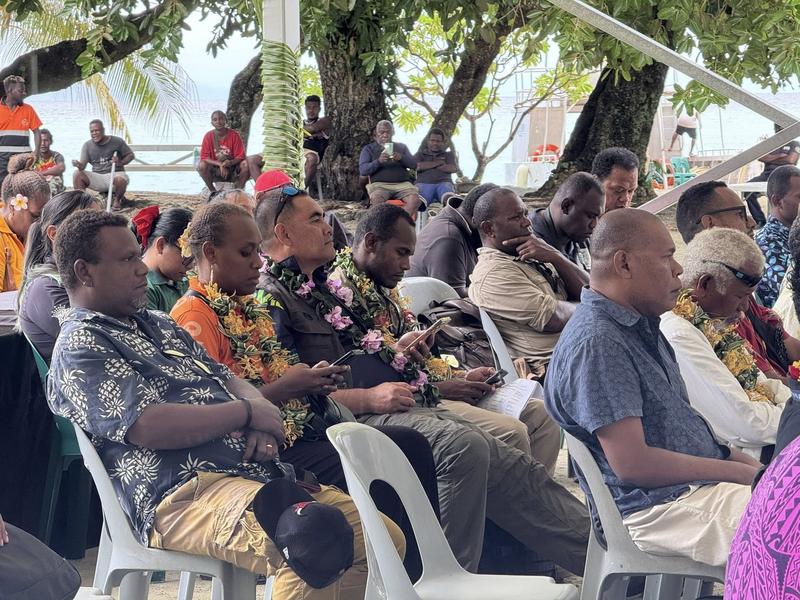
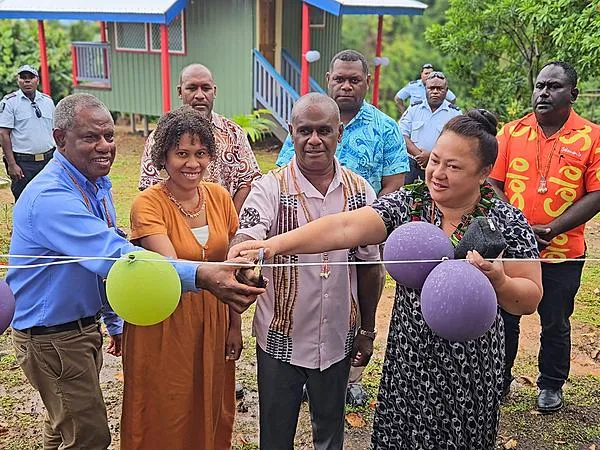
Prime Minister Jeremiah Manele on 16 Januaryt led the opening of the upgraded Parangiju Mountain Lodge in Central Guadalcanal, marking a government-backed push to strengthen tourism as a driver of economic growth in Solomon Islands.
Manele was the chief guest at the ceremony, which marked the completion of new bungalows, additional rooms and expanded services at the lodge. The upgrade was funded through a grant approved under the Government of Solomon Islands’ 2025 Budget Support Programme and administered by the Ministry of Culture and Tourism.
Speaking at the event, the prime minister said the investment reflects the government’s strategic focus on tourism to support job creation, private-sector development and inclusive growth.
“The Government recognises tourism as a powerful driver for inclusive growth. Through the Ministry of Culture and Tourism, we are supporting local operators to expand quality accommodation, improve services and develop tourism products that will attract more visitors to our country,” Manele said.
He congratulated the owners and management of Parangiju Mountain Lodge for their vision and commitment, describing the upgraded facility as an example of sustainable, nature-based tourism that highlights Guadalcanal’s natural beauty and cultural heritage.
“One of the constraints to tourism growth in Solomon Islands has been limited room inventory. The expansion of Parangiju Mountain Lodge directly addresses this challenge and contributes to our long-term ambition of reaching 100,000 visitors by 2035,” the prime minister said.
Manele also acknowledged the Ministry of Culture and Tourism for supporting local operators through grant assistance, training and technical guidance, enabling Solomon Islanders to participate in and benefit from the tourism industry.
He encouraged the lodge’s management to continue working closely with surrounding communities to ensure tourism development remains inclusive, environmentally responsible and culturally grounded, while creating livelihood opportunities for local residents.
The prime minister further urged local entrepreneurs and investors to explore opportunities in nature-based and cultural tourism, citing the Parangiju Mountain Lodge project as an example of what can be achieved through partnerships between government, communities and the private sector.
The opening ceremony was attended by Minister for Culture and Tourism Choylin Yim Douglas, Guadalcanal Province Premier William Atu, senior government officials, tourism stakeholders, community leaders and members of the lodge owners’ families.
Follow on LinkedIn:
Pacific Business Review
Be the "First" to get our exclusive Digital Magazine & Weekly Newsletter.