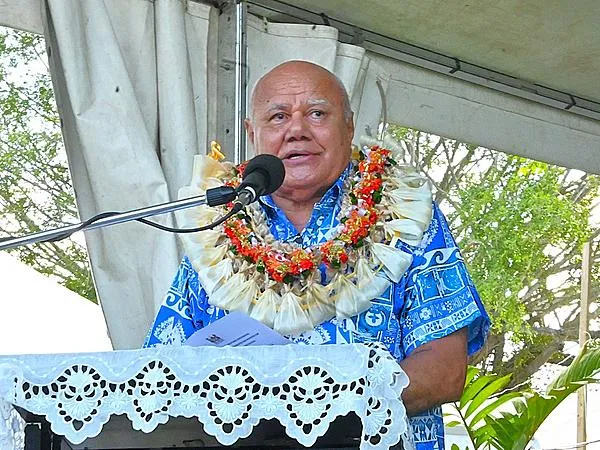
As the sun rose over Tubou village, Lakeba became the setting for a moment its people have awaited for generations, as a high-level delegation led by Deputy Prime Minister and Minister for Tourism and Civil Aviation Viliame Gavoka visited the island for the first time.
The visit signalled Lakeba’s formal entry into Fiji’s national tourism conversation, placing the quiet heart of Lau firmly on the map of future development discussions.
Gavoka was accompanied by the United Nations resident coordinator, representatives of the International Organization for Migration, and officials from government agencies and non-government organisations. More than a ceremonial call, the visit underscored emerging opportunities for the island and the wider Lau Group.
For Mata ni Tikina Kelepi Gucake, the occasion carried deep significance for the community.
“This is not just a visit,” he said. “It is the beginning of a future we have carefully planned for.”
Lakeba’s historical importance predates modern tourism. In the 19th century, during the era of tribal warfare, the island served as a strategic port under the influence of Tongan warlord Enele Maʻafu. Ships once anchored off its shores, bringing traders, craftsmen and missionaries, and establishing Lakeba as a centre of commerce, diplomacy and cultural exchange between Fiji, Tonga and the wider Pacific.
Only five months after the installation of the Tui Nayau, the island has begun implementing its Strategic Development Plan for 2026–2031. Developed through traditional processes, the plan is set to be presented directly to families, yavusa and tokatoka, ensuring that development initiatives are rooted in community participation.
Tourism development, long concentrated in western Viti Levu, is now being reimagined for Lau. During the visit, delegates inspected potential tourism sites and visited historically significant locations, including Nakaukilagi, the former residence of Ratu Sir Lala Sukuna; the chiefly burial grounds; and the stone marking the arrival of Christianity to Fiji through Lau.
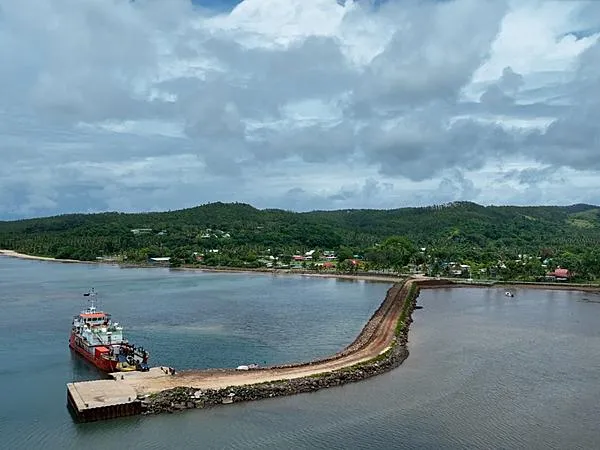
Beyond heritage tourism, plans for Lakeba include the expansion of the airstrip, upgrading of the wharf to accommodate cruise liners, and improvements to roads, water supply and communications — infrastructure needs that have long challenged outer-island communities.
For Lakeba, the visit represents both a return to its historic role as a place of connection and exchange, and a renewal of that legacy, reshaped to meet the aspirations of a new generation.
Minister for Public Works, Meteorological Services and Transport Ro Filipe Tuisawau on 16 December officially commissioned the newly upgraded Ellington Wharf in Rakiraki, marking a milestone in improving inter-island connectivity for communities in Ra and beyond.
The reopening reflects the government’s continued investment in critical transport infrastructure aimed at enhancing mobility, supporting trade and improving access across the country.
Ellington Wharf plays a key role in connecting Viti Levu to Nabouwalu in Vanua Levu by sea, linking families, facilitating passenger movement and enabling the transport of goods between Fiji’s two largest islands. The wharf serves as an important maritime gateway for northern Ra, supporting regular vessel services and providing a vital link for remote and rural communities.
The upgrade includes improvements designed to enhance safety, reliability and operational efficiency, ensuring the facility can better accommodate passengers, vehicles and cargo while withstanding harsh marine conditions. Officials say the works are intended to extend the lifespan of the wharf and reduce service disruptions. The project is expected to ease congestion during peak travel periods and improve turnaround times for vessels. Improved access is also anticipated to support tourism activity and boost local economic development in Rakiraki and surrounding areas. Community leaders have welcomed the upgrade, citing improved safety and convenience for residents who rely on sea transport.
Speaking at the commissioning, Tuisawau said the upgraded facility represents more than a physical improvement.
“The reopening of Ellington Wharf underscores our broader vision to create reliable, safe, and efficient transport links across Fiji. This wharf is a critical artery of economic activity, supporting local businesses, farmers, and entrepreneurs by improving access to markets and reducing travel time,” he said.
Vanuatu’s tourism sector is showing strong signs of recovery, according to the January–June 2025 International Visitor Survey (IVS) released jointly by the Pacific Tourism Organisation (SPTO) and the Vanuatu Tourism Office (VTO).
The survey, conducted under SPTO’s Pacific Tourism Data Initiative and funded by the New Zealand government, provides detailed insights into visitor behaviour, spending patterns, satisfaction levels, and tourism trends in the country.
A total of 444 valid responses were analysed from 455 collected, representing 2% of international arrivals during the period. Most visitors travelled for holidays, followed by business and visiting friends and relatives. More than 57% were first-time visitors, drawn to Vanuatu’s island lifestyle, natural attractions, and unique culture.
Visitor satisfaction remained high, with 92% saying they would recommend Vanuatu and 79% expressing a willingness to return. The warmth and friendliness of the Ni-Vanuatu people were highlighted as a key strength of the destination.
Tourists also made a significant economic contribution. Average prepaid expenditure per traveller was USD 2,395, with in-country spending averaging USD 2,000 per visitor over an eight-night stay. Overall, the survey estimated the economic impact at USD 139 million for the first half of 2025.
Despite positive indicators, the survey identified challenges. Visitors raised concerns about public infrastructure, airport processes, road conditions, pricing transparency, and domestic connectivity, which is still recovering following the liquidation of Air Vanuatu. Limited inter-island transport continues to restrict access to remote islands and communities.
Sustainability remains important to travellers, with 87% saying responsible tourism matters to them and 63% likely to choose operators prioritising eco-friendly practices. During their visits, 81% reported observing responsible tourism initiatives.
SPTO Chief Executive Christopher Cocker welcomed the findings, emphasising the importance of “data-driven decision-making to support resilient and sustainable tourism growth in Vanuatu.”
VTO Chief Executive Adela Aru said the survey would guide marketing strategies, product development, and service improvements, particularly as the sector continues to recover from the 2024 earthquake and changes in the aviation landscape.
With improved international connectivity, the resumption of cruise activity, and growing interest in community-based and sustainable tourism, the outlook for Vanuatu’s tourism sector in 2025 remains positive.
The government has endorsed the Commercial Use of Marine Areas Bill 2025, clearing the way for the return of proprietary ownership of marine areas, or qoliqoli, used for commercial activities — chiefly tourism — to their customary owners.
Once passed by Parliament, the Bill will repeal the Regulation of Surfing Areas Act 2010 and establish a new framework that the government says is fair, transparent and grounded in the rule of law. The measure is expected to be tabled during the two-week sitting that began 24 November.
The Regulation of Surfing Areas Act was introduced by the former Bainimarama administration and “wholly and absolutely” vested ownership of all surfing areas in the Lands Director on behalf of the State, “without any compensation being payable to any person.”
At the time, the government argued the Act would revive Fiji’s surfing industry by “opening up cloud breaks and removing exclusivity.” Then tourism minister and attorney-general Aiyaz Sayed-Khaiyum, who led the policy, said it aimed to unlock economic opportunities and ensure “locals [could] participate in the industry in so many ways…”
The Rabuka government now says the 2010 law will be replaced with a framework that restores the traditional rights of iTaukei communities over marine areas currently used for commercial operations. Under the new Bill, qoliqoli owners would regain proprietary control, while commercial operators would be required to align their activities with arrangements deemed equitable and culturally appropriate.
According to Cabinet, the reversion of ownership will be undertaken “in accordance with the rule of law and the principles of natural justice,” with affected parties participating actively in the process. The framework will also empower existing indigenous institutions to take a central role in administering marine areas, strengthening local involvement in resource management.
The government says the Bill is intended to deliver long-term benefits to iTaukei communities by recognising traditional ownership, enhancing participation in the oversight of marine resources and ensuring commercial tourism activities operate on terms that respect customary rights.
With the legislation now cleared for introduction, Parliament will decide whether the long-standing debate over the control of Fiji’s marine areas will shift decisively back into the hands of traditional owners.
“This is a model of partnership and shared prosperity,” Prime Minister Rabuka tells Tanoa Hotel staff and stakeholders
Prime Minister Hon. Sitiveni Rabuka last night officially re-launched the newly upgraded Tanoa International Hotel in Nadi, commending the Reddy Group and Tanoa Hotels for their continued confidence in Fiji’s tourism industry.
The Prime Minister congratulated the board, management, and staff for their dedication, professionalism, and commitment to excellence, noting that their efforts have strengthened Fiji’s reputation as a world-class destination.
“This is a model of partnership and shared prosperity, your warmth and service are the true spirit of Fijian hospitality,” he said.
Hon. Rabuka highlighted tourism as a core driver of national growth, sustaining thousands of jobs and supporting a wide network of local suppliers and communities. “Tourism is not just an industry; it is a lifeline for our people and a bridge to the world,” he added.
Prime Minister Rabuka also noted the sector’s resilience, with Fiji recording nearly one million visitors in 2024 and 735,154 arrivals so far in 2025—an increase of 0.2% from last year.
The Tanoa International Hotel has undergone a major FJD $20 million refurbishment, including upgrades to the lobby, reception area, restaurant, Mint Coffee Lounge, pool area, and conference facilities. The Prime Minister commended the partnership with Pacific Building Solutions for delivering the project on schedule.
He also acknowledged the Tanoa Group’s expansion efforts, including the modernisation of Tanoa Plaza in Suva and upcoming upgrades to the Tanoa Waterfront Hotel in Lautoka. Hon. Rabuka praised Tanoa Hotels for operating with 100% local talent and for its strong focus on training, recruitment, and engagement with the Vanua.
The Prime Minister reaffirmed the Coalition Government’s commitment to building a sustainable and globally competitive tourism industry. “Every investment that supports these goals contributes to a resilient economy, one that delivers prosperity for all Fijians,” he added.
He thanked all partners involved in the project, noting that the achievement demonstrates the impact of strong public-private collaboration.
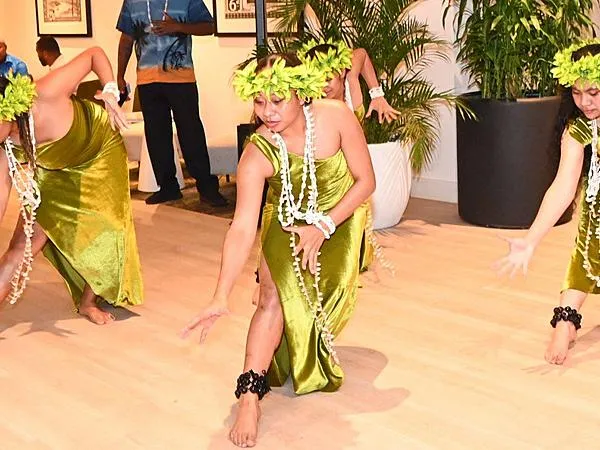
Following the official relaunch, the Prime Minister was entertained by the Manava Performance Arts, showcasing Fiji’s cultural vibrancy and hospitality.
The Pacific Tourism Organisation (SPTO), through its Pacific Tourism Data Initiative (PTDI) and in collaboration with the Cook Islands Tourism Corporation (CIT), has released a series of five comprehensive reports detailing findings from the International Visitor Survey (IVS).
Covering the periods July–September 2024, October–December 2024, January–March 2025, April–June 2025, and a full-year report (July 2024–June 2025), the IVS provides valuable, evidence-based insights into the motivations, spending behaviour, satisfaction levels, and experiences of international visitors to the Cook Islands. The reports offer critical data to guide strategic planning, product development, and destination marketing, enabling tourism stakeholders to better align offerings with evolving visitor expectations.
The Cook Islands is among 10 Pacific Island countries — Vanuatu, Niue, PNG, Tonga, Solomon Islands, Samoa, Kiribati, Timor-Leste, and FSM-Yap — participating in the Pacific Tourism Data Initiative funded by the New Zealand Government. PTDI continues to serve as an essential resource for tourism data across the Pacific through its quarterly and biannual International Visitor Survey (IVS), an annual Business Confidence Index (BCI), and an annual Community Attitude Survey (CAS), strengthening regional tourism strategies.
Cook Islands Tourism Corporation Chief Executive Officer Karla Eggleton noted that the International Visitor Survey provides critical evidence that strengthens the capacity for informed, data-driven decisions. “Through SPTO’s technical partnership and the Pacific Tourism Data Initiative, we are able to transform robust visitor insights into targeted strategies that elevate destination marketing, enrich the visitor experience, and strengthen destination stewardship — ensuring tourism continues to bring lasting benefits to the people, culture, and islands of the Cook Islands. This level of tourism intelligence enables us to anticipate trends, respond effectively to market shifts, and reinforce the Cook Islands’ position as a leading destination in the Pacific,” she said.
Key findings from the reports show that from July 2024 to June 2025, New Zealand continued to be the leading source market for the Cook Islands, accounting for 65% of total arrivals, followed by Australia (23%), North America (5%), and Europe (4%). The majority of visitors were aged between 50 and 59 years (24%), with women making up 74% of the visitor base. More than half (54%) of respondents were visiting the Cook Islands for the first time, and the average household income among visitors was NZD 167,051, reflecting a relatively high-income travel segment.
Leisure travel remained the dominant motivation for visiting the Cook Islands, representing 79% of total visitors. On average, travellers stayed for 8.7 nights, with Rarotonga being the most visited island (98%), followed by Aitutaki (29%). The most popular activities included swimming (94%), snorkelling (84%), and island night shows (63%), underscoring the appeal of the Cook Islands’ natural environment and vibrant cultural experiences.
In terms of economic contribution, visitors spent an average of NZD 2,808 in prepaid expenses, with approximately NZD 1,123 of that amount flowing directly into the local economy. In-country daily spending averaged NZD 183, contributing to an estimated total economic impact of NZD 477 million from 175,757 international arrivals during the reporting period.
Visitor satisfaction levels remained exceptionally high, with an average rating of 4.7 out of 5. Ninety-eight percent of respondents said they would recommend the Cook Islands to others, while 93% indicated they would return for another visit. Visitors praised the warm hospitality, quality of service, and natural beauty of the islands. However, areas for improvement were identified in public services, infrastructure, and the pricing of goods and services.
SPTO Chief Executive Officer Christopher Cocker highlighted the strategic value of the data in advancing regional tourism policy and sustainability. He added that SPTO remains committed to supporting its member countries through data-driven insights, helping to shape a resilient, sustainable, and competitive Pacific tourism industry.
“As the region’s leading hub for tourism research, SPTO is proud to lead initiatives like the Pacific Tourism Data Initiative (PTDI), which provides our member countries—including the Cook Islands—with robust, evidence-based insights,” he said. “These findings enable smarter planning, more responsive development, and greater sustainability across our destinations. Since transitioning to SPTO’s management in October 2023, the Pacific Tourism Data Initiative has become a cornerstone of regional tourism intelligence. Drawing on over 8,800 survey responses, the Cook Islands IVS underscores the country’s strong visitor appeal, consistent satisfaction, and significant contribution to local economic growth.”
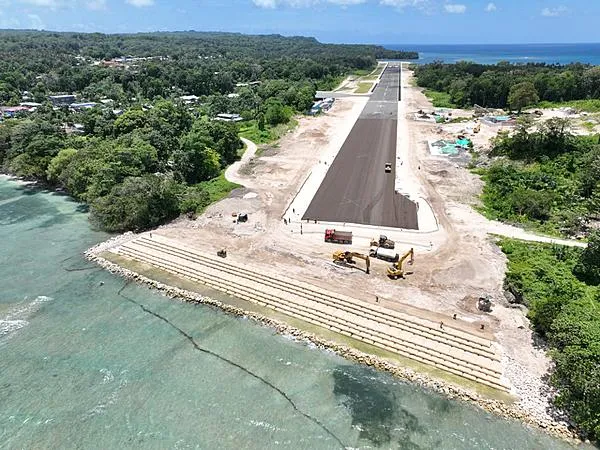
The Santa Cruz Airfield upgrade in Temotu Province is making significant progress towards completion, marking a major milestone in enhancing the Solomon Islands’ aviation sector.
The project, funded by the World Bank and implemented by the Ministry of Communication and Aviation (MCA), is progressing steadily.
Recent works include the application of prime coat on the final sections of the runway, while shoulder treatment for Phase 1 is almost complete, except for areas near the temporary terminal building.
Additionally, rock revetment at the eastern end is ongoing, with geo-bag installation nearing completion and scheduled for backfilling in mid-November 2025.
The sealing of the remaining runway is also underway, with pre-coating of aggregate in progress and the remaining materials expected to arrive shortly.
Construction of the new terminal building and installation of airfield ground lighting are expected to commence soon.
MCA Permanent Secretary Alwyn Danitofea praised the project team for their commitment, stating that the upgraded infrastructure will greatly enhance connectivity, safety, and economic opportunities for the people of Temotu Province.
The Santa Cruz Airfield upgrade is part of the Second Solomon Islands Roads and Aviation Project (SIRAP2), which is also supporting various infrastructure projects across the country. These include upgrades to Honiara and Munda Airports, construction of roads and bridges in Malaita, installation of air navigation systems in Makira-Ulawa and Temotu Provinces, maintenance of regional airports, and rehabilitation of roads in Honiara.
Once completed, these projects will strengthen the country’s aviation sector, improve connectivity, and promote economic growth.
The Fijian Government, through the Ministry of Civil Aviation, is working closely with Fiji Airports and Fiji Airways to strengthen aviation safety and minimize the risks posed by bird strikes across the country’s airports.
Deputy Prime Minister and Minister for Civil Aviation Viliame Gavoka told Parliament that both organizations are implementing coordinated wildlife hazard management programs aligned with international aviation safety standards.
Fiji Airports has rolled out a comprehensive Wildlife Management Plan incorporating global best practices and established an Airport Wildlife Committee to oversee monitoring and mitigation at Nadi, Nausori, and other domestic airports. Trained personnel—including Wildlife Coordinators, Airside Safety Officers, and Airport Environment Officers—are involved in day-to-day hazard management operations.
Among its key initiatives, Fiji Airports is collaborating with local authorities to map and control bird attractants within a 5-kilometer radius of airports, launch environmental awareness campaigns, and advocate for stronger land-use regulations near airport areas to minimize bird activity around flight paths.
Supporting these efforts, Fiji Airways continues to bolster safety through real-time sharing of bird strike data, DNA analysis of bird remains to identify high-risk species, and pilot training programs focused on improving response and situational awareness.
“These proactive measures reflect the Government’s commitment to maintaining the highest standards of aviation safety, environmental stewardship, and inter-agency cooperation,” said DPM Gavoka.
The Fijian Government commended both Fiji Airports and Fiji Airways for their continued dedication to ensuring safe skies for all travelers.
The Coalition Government is taking decisive steps to enhance air and sea connectivity for the Yasawa Group, with plans for a new airport and improved ferry services aimed at strengthening access, opportunity, and services for island communities.
Deputy Prime Minister and Minister for Tourism and Civil Aviation Viliame Gavoka informed Parliament of the progress of the Yasawa Feasibility Study, a joint $400,000 initiative between the Ministry of Tourism and Civil Aviation and the Ministry of Public Works, Meteorological Services and Transport, supported technically by Fiji Airports Limited.
“The Government is fully committed to ensuring the success of this project, with a total of $400,000 allocated across two key ministries: the Ministry of Tourism and Civil Aviation with $150,000 within its consultancy budget, and the Ministry of Public Works with $250,000 for the feasibility study of the Yasawa airport,” Gavoka said.
He explained that the study forms part of a broader national vision to improve connectivity to Fiji’s outer islands, noting its “immense significance for the people of the Yasawa Islands” and its role in “enhancing access to the Yasawa Islands, benefiting both local communities and Fiji’s broader economic development.”
Initial discussions have already taken place between the two ministries, with Fiji Airports Limited providing technical assistance in developing the Terms of Reference (TOR) for the study, which Gavoka said was “now nearing finalisation.”
“The TOR will provide the framework for the study, outlining its scope, objectives, and deliverables, and ensuring that all relevant technical, environmental, and socio-economic factors are thoroughly considered,” he said.
According to the Deputy Prime Minister, Fiji Airports has also conducted a site assessment of the proposed location for the new Yasawa airport, focusing on terrain, land use, and alignment with aviation standards. A Steering Committee will be convened to oversee the study’s progress and coordinate technical assessments.
“One of the key parts of an airport feasibility study is understanding the demand — in other words, whether there is enough need and traffic to justify the development,” Gavoka said. “This begins with looking at passenger projections, where we forecast how many people and how much freight the airport is likely to handle over time.”
He said environmental assessments will also be integral to the study, “carefully assessing how the proposed airport might affect the surrounding ecosystems, wildlife, and air quality,” while ensuring compliance with both national and international environmental standards.
Complementing the aviation initiative, Gavoka highlighted that sea connectivity will also be enhanced through the South Sea Cruises Group’s new Yasawa Flyer III — a 30-metre, 320-passenger vessel set to enter service in August 2025.
“This 30-metre fast ferry has a capacity of approximately 320 passengers, which is about 33 per cent higher than its predecessor,” he said. “It will provide more frequent and reliable daily services between Port Denarau and the Yasawa Islands.”
Gavoka said the Coalition Government’s coordinated approach between air and sea transport “is setting the foundation for the future of civil aviation in the Yasawa Group,” with the goal of creating “a safe, efficient, and sustainable air transport link that complements sea connectivity and supports the long-term growth of tourism and trade.”
“The new Yasawa airport will not only bring the islands closer to the rest of Fiji but also open new pathways for investment, employment, and service delivery,” he concluded. “This project is about giving the people of Yasawa greater access to opportunity and ensuring that no community remains isolated in our national development agenda.”
Fiji is taking a major step toward strengthening its tourism industry with the introduction of the Fiji Tourism Policy 2025–2035 and the Fiji Tourism Standards Framework Guidance Note, both designed to guide the creation of the nation’s first-ever Tourism Law.
According to the latest Cabinet update, the two documents will serve as key pillars in shaping the forthcoming legislation — a milestone that aims to formalise the growth and governance of one of Fiji’s most vital economic sectors.
The Tourism Policy outlines the overall direction and practical considerations for developing the new law, while the Guidance Note provides a structure for the Tourism Standards Framework — a national system that will define expectations around quality, sustainability, safety, and service across all areas of tourism.
Officials said the introduction of national tourism standards is expected to boost consumer confidence, strengthen Fiji’s reputation as a world-class destination, and encourage responsible business practices that ensure growth remains sustainable, inclusive, and resilient.
A Landmark Step for Fijian Tourism
At present, Fiji does not yet have a dedicated tourism law, but work is underway to change that. Earlier this year, the Cabinet approved the formulation of what has been described as a “historic step” toward establishing comprehensive tourism legislation.
Deputy Prime Minister and Minister for Tourism Viliame Gavoka announced in February and March 2025 that Cabinet had endorsed the drafting process. A Joint Working Group was subsequently established to oversee the development of the new framework.
The proposed law aims to streamline tourism-related licensing, create consistency across regulations, and clearly define the roles of the Tourism Department and Tourism Fiji. It also seeks to embed sustainability principles within the sector, ensuring Fiji’s tourism continues to thrive amid shifting global trends and environmental challenges.
Setting a New Standard
When enacted, the Tourism Law will introduce an integrated approach to developing, managing, and promoting sustainable tourism in Fiji. It will enshrine national standards for sustainable operations, address regulatory gaps, and strengthen governance across the industry.
By aligning with the Tourism Policy 2025–2035, the legislation will provide a unified framework for all stakeholders — from policymakers and operators to local communities — to collaborate toward shared goals of inclusivity, accountability, and long-term resilience.
Tourism remains one of Fiji’s key economic pillars, contributing significantly to employment, foreign exchange, and rural development. As the country works to rebuild and future-proof its tourism industry after the challenges of recent years, the forthcoming law and standards framework mark a decisive move toward a more coordinated, sustainable, and prosperous sector.
Fiji remains steadfast in its commitment to strengthening tourism and aviation connectivity across the Pacific region.
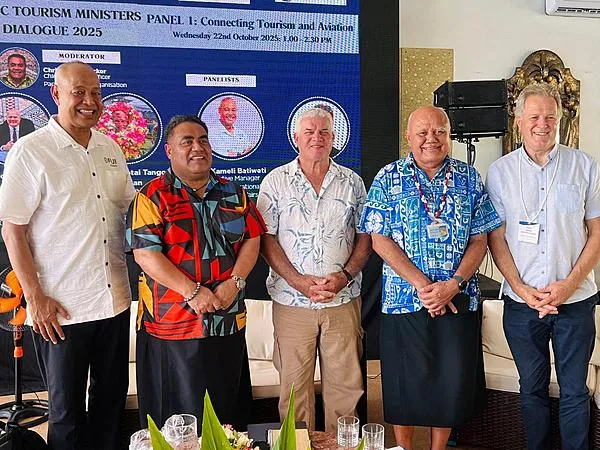
This was underscored by the Deputy Prime Minister and Minister for Tourism and Civil Aviation Viliame Gavoka during the Ministerial Dialogue on Connecting Tourism and Aviation held in Vava’u, Kingdom of Tonga.
Hosted by the Pacific Tourism Organisation (SPTO), the dialogue gathered Ministers, senior government officials, and aviation leaders to discuss ways of enhancing coordination between the two sectors across the Blue Pacific.
Gavoka emphasised the need for stronger collaboration among regional bodies such as SPTO, the Pacific Aviation Safety Office (PASO), the Association of South Pacific Airlines (ASPA), and the Pacific Islands Forum Secretariat (PIFS). He highlighted Fiji’s integrated model—combining tourism and civil aviation under one ministry—as a best-practice example of how aligning air connectivity with tourism development can foster inclusive and sustainable growth.
Welcoming SPTO’s Tourism and Aviation Strategy 2026–2030, Gavoka urged development partners to support its implementation through investments in data systems, institutional capacity building, and sustainable aviation infrastructure.
“Our goal is a connected Pacific that moves together, prospers together, and ensures no one is left behind,” he said.
Tourism remains a cornerstone of Fiji’s economy, contributing significantly to employment, foreign exchange earnings, and community livelihoods. Strengthened regional air connectivity, Gavoka noted, will not only boost visitor arrivals but also deepen cultural ties, facilitate trade, and open new opportunities for shared prosperity across the Pacific.
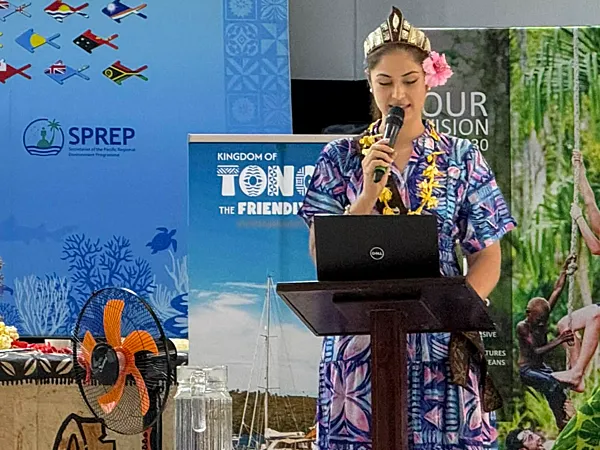
Reducing single-use plastics (SUPs) and strengthening environmental stewardship in the Pacific’s tourism sector took centre stage during a panel discussion at the Third Pacific Sustainable Tourism Leadership Summit (PSTLS), held in Vava’u, Kingdom of Tonga.
Under the theme “Environmental Stewardship through Tourism,” the panel session on Goal 4: Healthy Islands and Oceans of the Pacific Sustainable Tourism Policy Framework brought together experts, conservation partners, and government officials to discuss how the industry can protect the Pacific’s natural and cultural heritage while driving sustainable economic growth.
Speaking at the panel discussion, the Project Coordination Officer for SPREP’s Pacific Ocean Litter Project (POLP), Dwayne Bentley, highlighted the Pacific’s growing efforts to curb plastic pollution through regional and national initiatives that directly engage the tourism industry.
“Plastic pollution remains one of the most pervasive environmental challenges worldwide, with plastics making up to 90% of litter collected on Pacific beaches and shorelines. The tourism and hospitality sectors, especially takeaway food, beverage, and accommodation businesses, are among the highest-risk sources. Through POLP, we’re working with our partners to help reduce these impacts and support a path towards a cleaner Pacific,” said Bentley.
The Pacific Marine Litter Action Plan underscores the urgent need for collective regional action to tackle plastic waste. This commitment was reinforced at the 2024 Clean Pacific Roundtable, where Pacific Island countries agreed to continue elevating the issue of plastic pollution and maintaining strong, coordinated measures.
POLP, implemented by SPREP with funding from the Australian Government, works closely with the Pacific Tourism Organisation (SPTO), national tourism offices, and environment ministries to reduce single-use plastics in tourism.
The project supports policy and strategy development, provides alternatives and guidance for businesses and communities, and encourages consumers and operators across the Pacific to shift towards sustainable, plastic-free practices.
Other panellists included:
Miss Pacific Islands, Litara Ieremia Allan, moderated the session.
The Pacific Tourism Organisation (SPTO), in partnership with Tourism Solomons (TSO) and the Solomon Islands Ministry of Culture and Tourism (MCT), has released the results of the 2024 Community Attitude Survey (CAS)—the first nationwide study of its kind in the Solomon Islands. The research findings provide insight into how Solomon Islanders perceive tourism, its potential, and the challenges that must be addressed to ensure its sustainability.
Conducted between November 2024 and June 2025, the survey engaged 1,280 respondents, with 1,264 valid entries analysed. The study achieved broad provincial coverage across all ten provinces, capturing the voices of both citizens (98%) and resident non-citizens (2%). The results reflect a growing national awareness of tourism’s role in shaping the future of the Solomon Islands.
The findings reveal a strong consensus that tourism is a vital engine for economic growth, job creation, cultural preservation, and national pride. Communities across the country view tourism as a strategic pathway to diversify the economy beyond traditional sectors such as logging and fisheries. Respondents expressed deep pride in sharing the Solomon Islands’ unique culture, natural beauty, and the spirit of the “Hapi Isles” with visitors from around the world.
Tourism Solomons Chief Executive Officer Dagnal Dereveke said the CAS findings, the first of their kind for Solomon Islands tourism, are vital in driving future policy and strategic directions for the sector. He added that such findings come from the communities that are the custodians of the resources and cultures that determine the type of tourism best suited to the Solomon Islands.
“Tourism Solomons thanks SPTO and development partners for their ongoing partnership and support in undertaking the first CAS for the Solomon Islands,” he said. “We look forward to continuing collaboration in the future as we work closely with our communities to shape tourism that respects our people and culture, while at the same time providing sustainable economic benefits for current and future generations.”
However, the survey also highlighted concerns that weak infrastructure—including roads, sanitation, inter-island transport, accommodation, and digital connectivity—is a major barrier to tourism development. Many respondents felt that the benefits of tourism are not equitably distributed, with wealthier groups and foreign operators perceived to be the primary beneficiaries. Environmental threats such as reef damage, waste management issues, and the erosion of cultural authenticity were also raised, alongside concerns about low levels of tourism education and training, particularly in rural provinces.
Despite these challenges, the survey highlights significant opportunities for growth. There is strong support for expanding community-based and eco-tourism models that empower villages, youth, and women. Respondents called for improved tourism education, vocational training, and small-business capacity-building to ensure that local communities are equipped to participate meaningfully in the sector. Enhanced marketing and promotion were also seen as essential to positioning the Solomon Islands as a distinctive eco-cultural and WWII heritage destination. Strengthening government leadership and investing in tourism infrastructure, as well as policy reform, emerged as key priorities.
The Solomon Islands is among ten Pacific Island countries—the Cook Islands, Niue, Papua New Guinea, Tonga, Timor-Leste, Samoa, Kiribati, Vanuatu, and the Federated States of Micronesia (Yap)—participating in the Pacific Tourism Data Initiative (PTDI) funded by the New Zealand Government. The PTDI continues to serve as an essential resource for tourism data across the Pacific through its biannual International Visitor Survey (IVS), annual Business Confidence Index (BCI), and annual Community Attitude Survey (CAS) reports, which strengthen regional tourism strategies.
SPTO Chief Executive Officer Christopher Cocker emphasised that “data is king” and highlighted the importance of community-driven insights in shaping tourism policy: “This survey is a milestone for the Solomon Islands. It reflects the aspirations and concerns of the people who live the reality of tourism every day. Their voices must guide our collective efforts to build a sector that is inclusive, resilient, and locally led.”
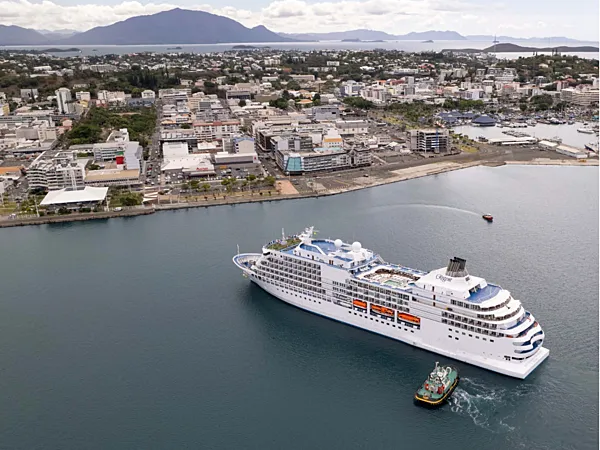
The archipelago of New Caledonia has moved to bring greater cohesion to its cruise tourism sector with the launch of the Club Croisière de Nouvelle‑Calédonie (CCNC). The initiative, unveiled jointly by institutional and private actors in the territory’s tourism ecosystem, is aimed at re-establishing New Caledonia as a competitive cruise destination in the Pacific.
The new association is founded by the Chambre de Commerce et d’Industrie de Nouvelle‑Calédonie (CCI-NC), Nouvelle‑Calédonie Tourisme (NCT), Nouméa Discovery, the Kenua Agency and the Nouvelle‑Calédonie Pilotes Maritimes (Maritime Pilots).
At the presentation, Christopher Gygès, Member of the Government in charge of the economy and attraction issues of New Caledonia and President of NCT, emphasised the need for unified governance of the cruise chain. He said:
“Creating this club is a good initiative. It is now necessary to ensure that he becomes the sole interlocutor of all the actors involved in this network in order to structure it efficiently.”
A strategic response to a weakened cruise sector
Before the pandemic, New Caledonia’s cruise industry generated up to 7.5 billion CFP francs and serviced six port-of-call zones. By contrast, in the current climate only two zones remain active and revenues have fallen to an estimated 2.5 billion CFP francs. The CCNC is being presented as a key tool in the relaunch of this sector.
Its three headline missions are:
In short-term terms, the club plans to establish a clear governance framework, strengthen local communications, and reopen additional port-of-call stops. In the medium term, it intends to roll out a multi-year strategic plan, develop a charter and environmental/quality label for the sector, professionalise industry actors, and enhance the value of Caledonian products and know-how.
Why this matters
New Caledonia has a number of assets that favour the development of cruise tourism: an accessible and well-equipped port at Nouméa, a unique mix of French and Melanesian cultural heritage, world-heritage listed lagoons, and a location in the heart of the South Pacific.
The challenge, however, has been to restore confidence among cruise lines, rebuild shore-side infrastructure and streamline coordination across the many stakeholders involved.
By designating the CCNC as the single interlocutor for public and private actors in the cruise chain, Gygès seeks to reduce fragmentation and improve efficiency in decision-making and marketing. The goal is to present a coherent destination proposition to international cruise operators and turn around the downward trajectory in cruise calls and revenues.
Looking ahead
Stakeholders in New Caledonia’s tourism and maritime sectors will now be watching how effectively the CCNC mobilises municipalities, port authorities, local service providers and environmental interests. Ensuring that the club serves not merely as a talking forum but as a functioning governance body will be key to its success.
As Gygès put it, the challenge is now to move from “good initiative” to effective implementation. With appropriate mobilisation and support, New Caledonia may well position itself to reclaim its standing in the Pacific cruise market.
From 16 to 30 September 2025, the Pacific Tourism Organisation (SPTO) hosted a two-week research training program for the Papua New Guinea Tourism Promotion Authority (PNGTPA), aimed at strengthening PNGTPA’s capacity to manage and deliver high-quality tourism research through the Pacific Tourism Data Initiative (PTDI).
The PTDI program, funded by the New Zealand Ministry of Foreign Affairs and Trade (MFAT), supports tourism data systems across 10 Pacific Island countries — Papua New Guinea, Solomon Islands, Vanuatu, Cook Islands, Samoa, Tonga, Niue, FSM-Yap, Timor-Leste, and Kiribati. Its three core surveys — the International Visitor Survey (IVS), Business Confidence Index (BCI), and Community Attitudes Survey (CAS) — provide evidence-based insights that guide tourism policy, strategic planning, and investment decisions.
To support PNGTPA’s ongoing research efforts, the organisation nominated Tonny Kandata, Research Officer – International, Research & Business Development, to participate in the training. The program was fully funded by PNGTPA and strongly supported by SPTO, with the backing of SPTO Chief Executive Officer Christopher Cocker and Manager, Research & Statistics, Prashil Parkas.
The training began with an overview of PTDI and its three surveys, highlighting their importance in producing reliable tourism data for decision-making. Tonny then reviewed the standard operating procedures for the IVS, BCI, and CAS, followed by core principles of tourism research and survey design — including sampling methods, questionnaire construction, and both qualitative and quantitative approaches.
He gained hands-on experience in survey operations, including cleaning email batches, designing engaging surveys in SurveyMonkey, optimising invitation timing, and assessing when online or face-to-face methods were most appropriate. Tonny also developed skills in preparing exported data for analysis in SPSS and NVivo, before synthesising findings into actionable reports and presentations for stakeholders.
Reflecting on the experience, Kandata shared, "The program has been an invaluable step in strengthening PNGTPA’s capacity to manage our research activities. The training was well-structured, practical, and highly relevant."
Alongside the skills gained, Kandata said the purchase of SPSS and NVivo licences demonstrates PNGTPA’s commitment to building internal capacity.
"I am confident the knowledge gained will strengthen our team and ensure these surveys continue to provide reliable insights for PNG’s tourism sector." he said.
"A special thank you to the SPTO team, especially the research team, for their expertise and guidance, and to our leadership at PNGTPA, whose support made this learning experience both comprehensive and impactful. SPTO’s support — particularly from CEO Christopher Cocker and Manager Prashil Parkas — was invaluable throughout this process," he added.
For his part, Cocker reaffirmed SPTO’s commitment to supporting member countries in building robust, locally led research systems.
“This training exemplifies the power of regional collaboration and capacity-building, ensuring that tourism data continues to inform strategic planning, investment, and sustainable growth across the Pacific," he said.
Cocker also commended PNGTPA’s leadership, particularly CEO Eric Mossman Uvovo and Manager Douglas Keari, for their commitment to strengthening national research systems.
"We’re proud to support PNGTPA in this important capacity-building effort and will continue providing technical guidance as they strengthen their research capabilities," he said.
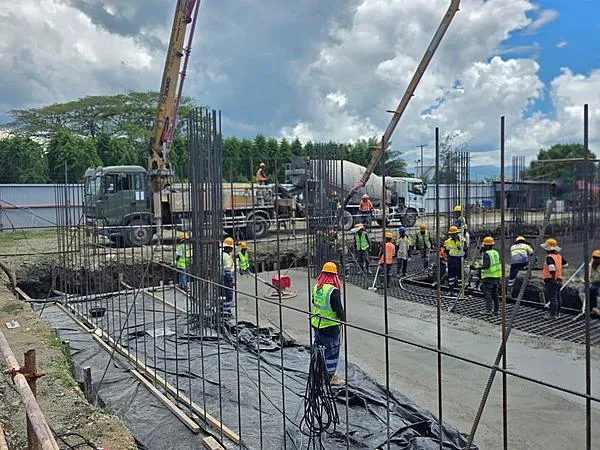
Construction of the new Aviation Complex Building near Honiara International Airport is advancing steadily, with major milestones achieved as part of the government’s push to modernise the nation’s aviation infrastructure under the Second Solomon Islands Roads and Aviation Project (SIRAP2), supported by the World Bank.
Implemented by the Ministry of Communication and Aviation (MCA), the project marks a significant step toward strengthening aviation safety, efficiency, and connectivity across the Solomon Islands.
Permanent Secretary for MCA, Alwyn Danitofea, said the project is now entering a crucial construction phase following months of detailed planning and groundwork.
“The Honiara Aviation Complex Building represents a vital investment in our aviation sector. It will provide aviation stakeholders with a modern, efficient facility to enhance operations at Honiara International Airport,” Danitofea said. “We are encouraged by the progress and remain dedicated to working closely with all stakeholders to deliver this essential infrastructure for Solomon Islanders.”
Milestones Achieved
Since August, the project has recorded strong progress on both design and construction fronts.
Ground improvement works began on 26 August 2025, followed by foundation reinforcement in mid-September. The foundation pouring was successfully carried out from 24–25 September 2025, under the supervision of project consultant Egis, and the team has since moved on to formwork removal and early masonry works.
Environmental management, social engagement, and occupational health and safety continue to be key priorities. In recent community consultations, local vendors raised dust concerns, prompting CRCEG to implement continuous dust suppression. Awareness sessions on gender-based violence and workplace safety have also been conducted with workers and nearby residents.
Aviation Complex to Transform Air Operations
The new Aviation Complex Building is a cornerstone of the SIRAP2 programme and is expected to transform the way aviation work is carried out in the country. Designed under a Design and Build contract, the facility will house key aviation stakeholders and provide modern workspace, training rooms, and parking areas to support more efficient operations.
The detailed design covers civil, structural, architectural, mechanical, electrical, fire, and hydraulic systems — all adhering to international aviation standards. According to MCA, the building’s layout reflects both the operational requirements of Honiara International Airport and the long-term expansion needs of the aviation sector.
Danitofea said the project goes beyond just constructing new infrastructure. “The new Aviation Complex Building will ensure aviation work can be carried out faster and more effectively,” he said. “MCA remains committed to delivering these projects on time and to the highest standards, with the continued support of the World Bank.”
Part of a Nationwide Aviation and Roads Programme
The Second Solomon Islands Roads and Aviation Project (SIRAP2) is a World Bank-funded initiative aimed at improving the safety, resilience, and connectivity of the country’s transport network.
Under SIRAP2, the Solomon Islands Government is undertaking several transformative infrastructure projects nationwide, including:
The Aviation Complex is therefore seen not only as a building project but as a strategic national investment to boost the country’s aviation capability and economic potential.
Once completed, the Honiara Aviation Complex Building will serve as a central hub for aviation management, safety oversight, and technical operations. It will also support capacity-building efforts within MCA and strengthen coordination among aviation agencies.
Project officials say the continued collaboration between the MCA, World Bank, Egis, and CRCEG is driving confidence in the project’s timely delivery.
With construction now shifting into high gear, the new facility is expected to stand as a symbol of the Solomon Islands’ commitment to safer, more efficient, and future-ready aviation infrastructure.
Follow on LinkedIn:
Pacific Business Review
Be the "First" to get our exclusive Digital Magazine & Weekly Newsletter.