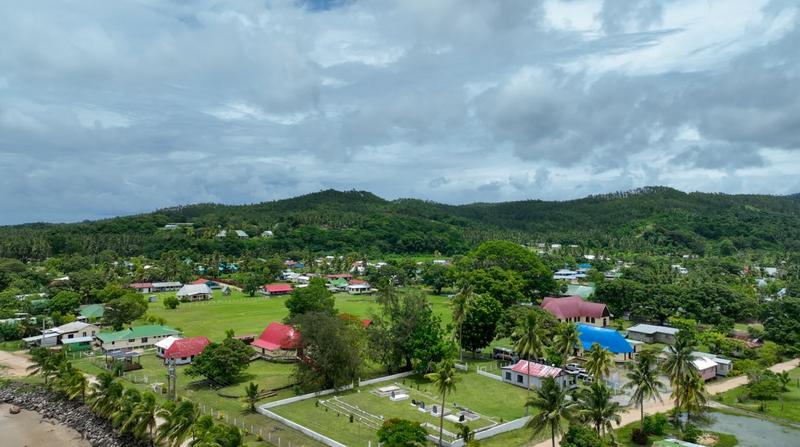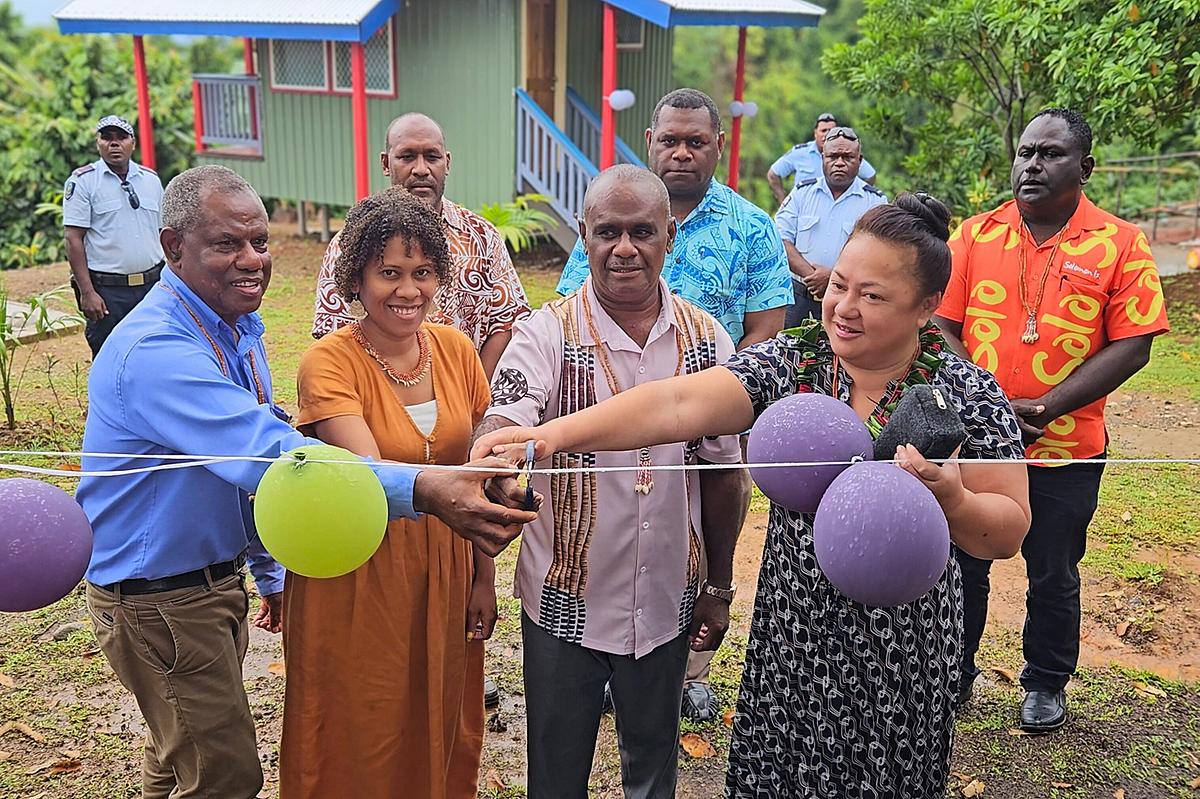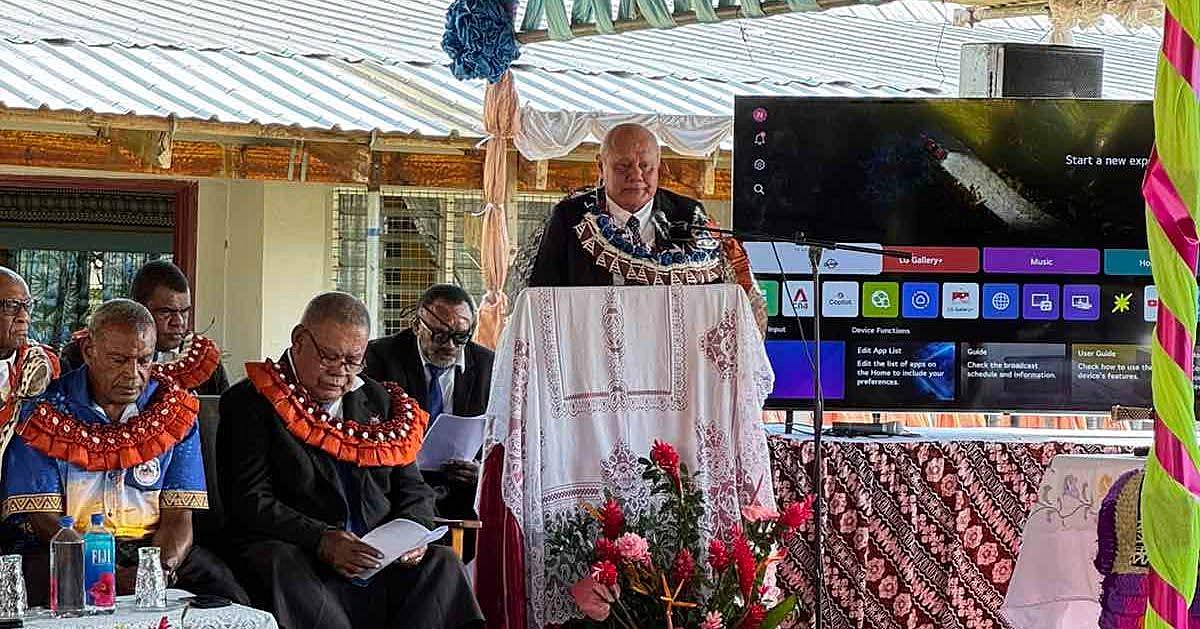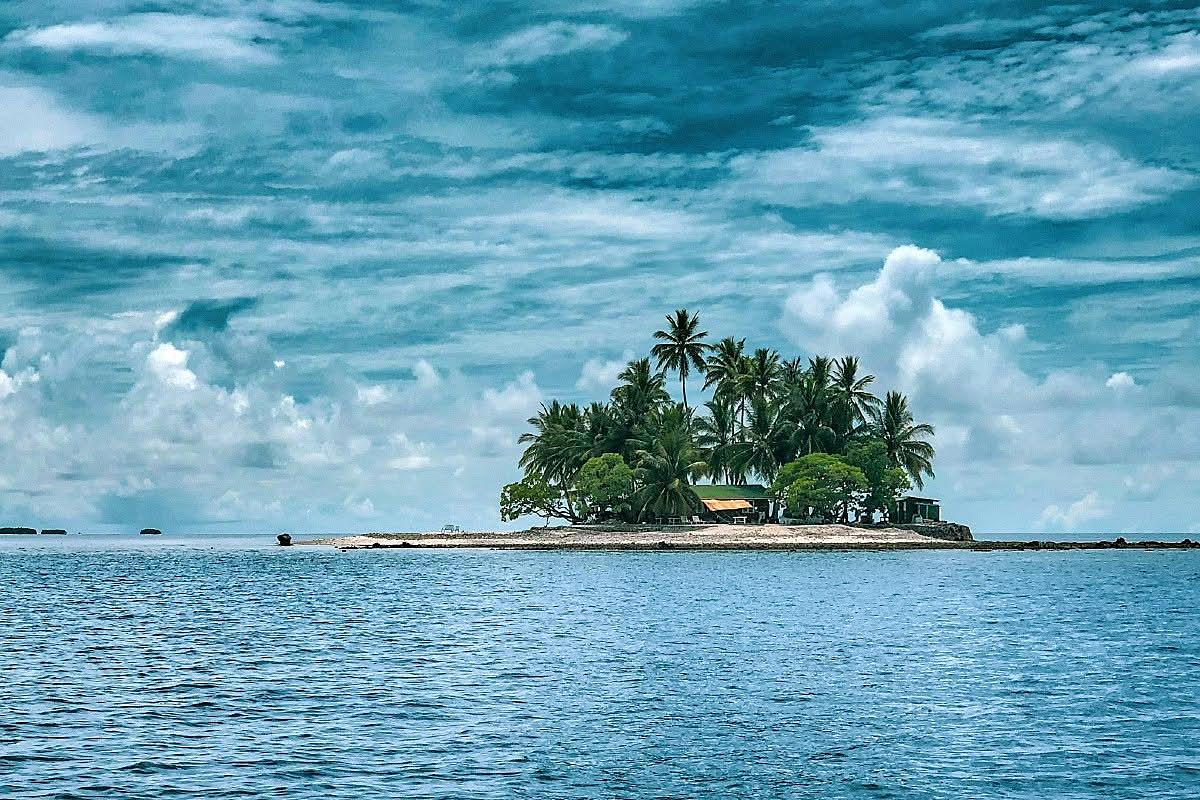
As the sun rose over Tubou village, Lakeba became the setting for a moment its people have awaited for generations, as a high-level delegation led by Deputy Prime Minister and Minister for Tourism and Civil Aviation Viliame Gavoka visited the island for the first time.
The visit signalled Lakeba’s formal entry into Fiji’s national tourism conversation, placing the quiet heart of Lau firmly on the map of future development discussions.
Gavoka was accompanied by the United Nations resident coordinator, representatives of the International Organization for Migration, and officials from government agencies and non-government organisations. More than a ceremonial call, the visit underscored emerging opportunities for the island and the wider Lau Group.
For Mata ni Tikina Kelepi Gucake, the occasion carried deep significance for the community.
“This is not just a visit,” he said. “It is the beginning of a future we have carefully planned for.”
Lakeba’s historical importance predates modern tourism. In the 19th century, during the era of tribal warfare, the island served as a strategic port under the influence of Tongan warlord Enele Maʻafu. Ships once anchored off its shores, bringing traders, craftsmen and missionaries, and establishing Lakeba as a centre of commerce, diplomacy and cultural exchange between Fiji, Tonga and the wider Pacific.
Only five months after the installation of the Tui Nayau, the island has begun implementing its Strategic Development Plan for 2026–2031. Developed through traditional processes, the plan is set to be presented directly to families, yavusa and tokatoka, ensuring that development initiatives are rooted in community participation.
Tourism development, long concentrated in western Viti Levu, is now being reimagined for Lau. During the visit, delegates inspected potential tourism sites and visited historically significant locations, including Nakaukilagi, the former residence of Ratu Sir Lala Sukuna; the chiefly burial grounds; and the stone marking the arrival of Christianity to Fiji through Lau.
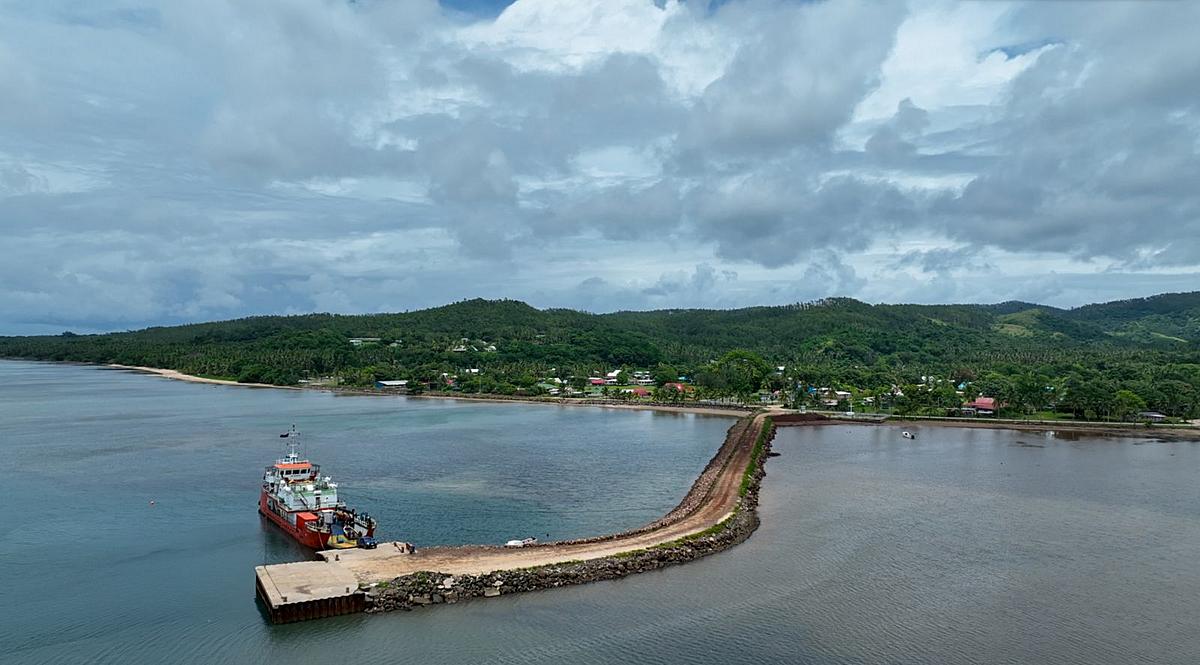
Beyond heritage tourism, plans for Lakeba include the expansion of the airstrip, upgrading of the wharf to accommodate cruise liners, and improvements to roads, water supply and communications — infrastructure needs that have long challenged outer-island communities.
For Lakeba, the visit represents both a return to its historic role as a place of connection and exchange, and a renewal of that legacy, reshaped to meet the aspirations of a new generation.