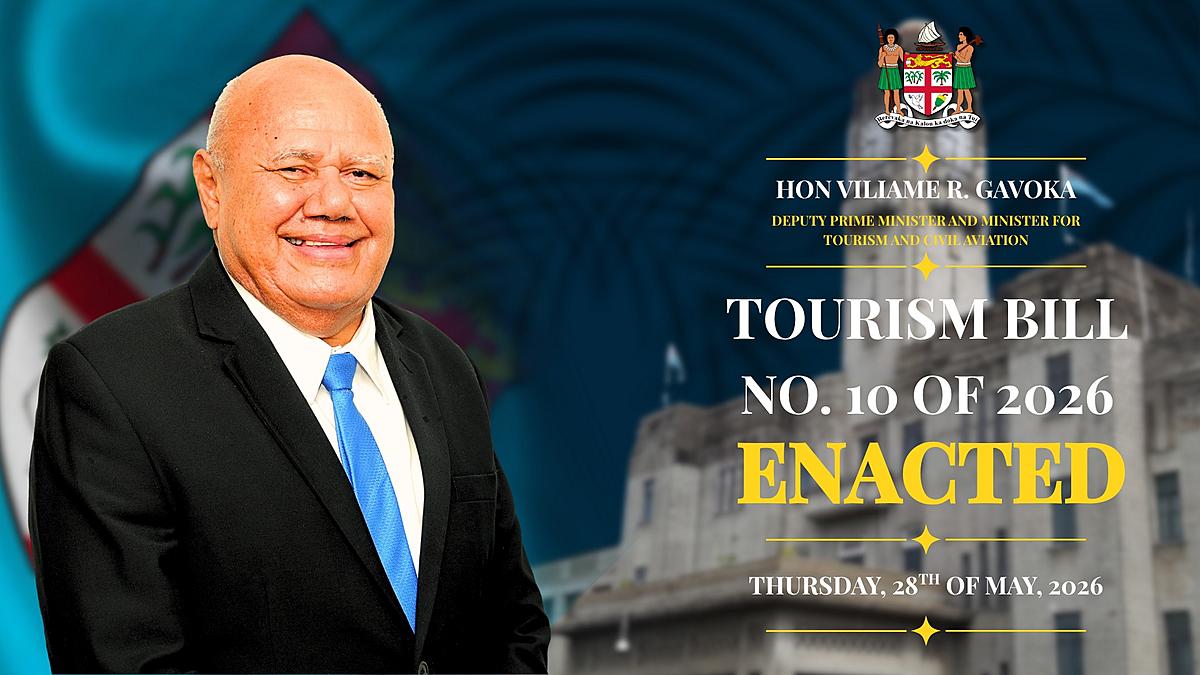
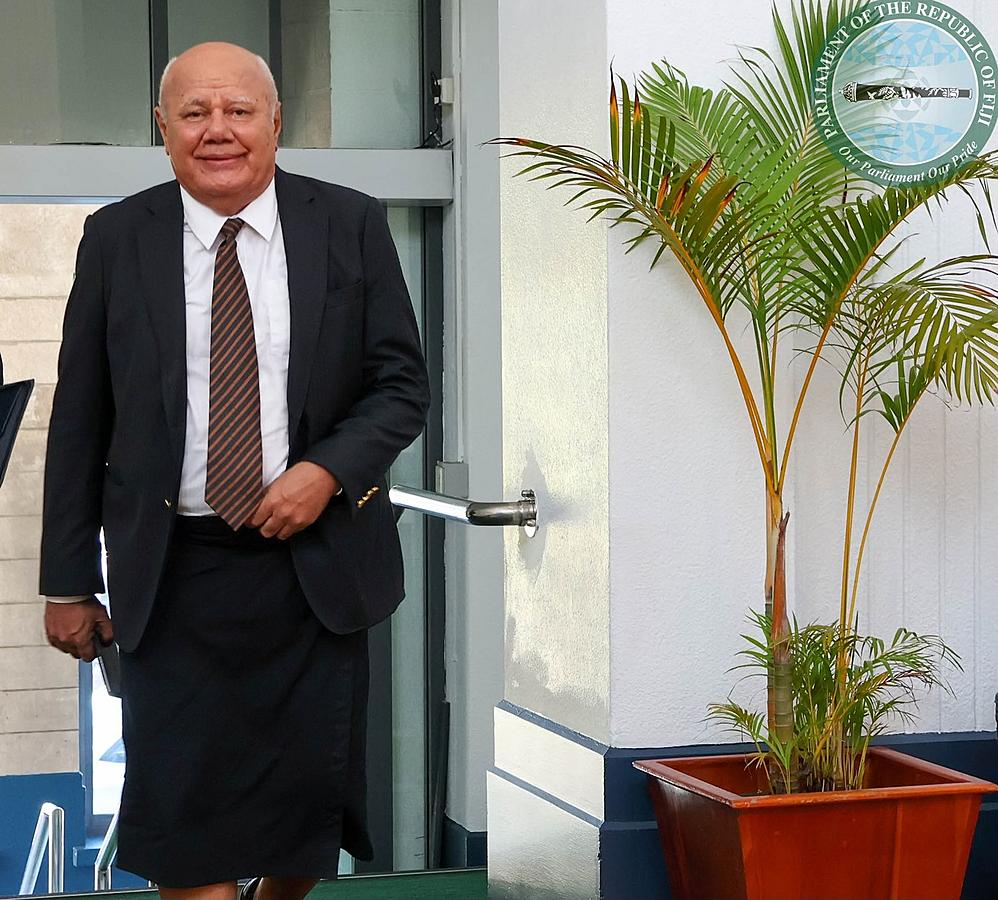
Fiji’s tourism and aviation sectors will remain central to the country’s economic development strategy, Deputy Prime Minister and Minister for Tourism and Civil Aviation Viliame Gavoka said in Parliament, as the government also advances plans for a new tourism law to strengthen governance of the industry.
Responding during a ministerial statement, Gavoka said the government is prioritising policies and infrastructure to reinforce tourism and aviation as key drivers of national growth and employment.
He said the ministry’s development strategy is guided by the “Five A’s” of tourism growth — access, accommodation, attractions, amenities and actors — aimed at ensuring infrastructure, investment and community participation work together to expand the sector.
A major initiative highlighted by Gavoka is the World Bank-supported Na Vualiku Tourism Development Programme, which seeks to unlock tourism potential in Vanua Levu through airport upgrades, improved infrastructure and expanded opportunities for local businesses.
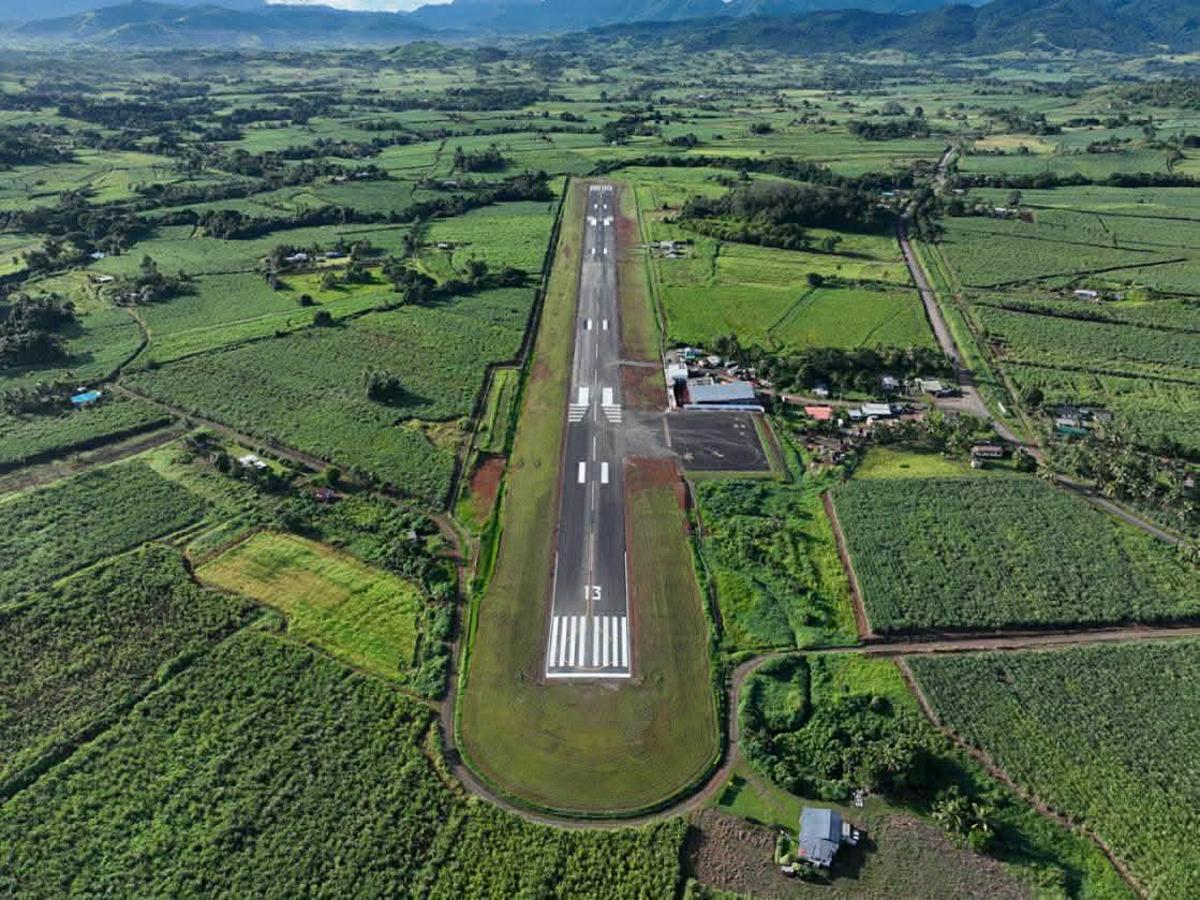
Runway upgrades at Labasa Airport are expected to improve connectivity and boost investor confidence in Fiji’s northern region, while tourism development is also being expanded in maritime and rural areas, including the Lau group.
Alongside infrastructure development, Fiji is preparing a new legislative framework to support the long-term growth of its tourism industry.
According to the latest Cabinet update, the government has introduced the Fiji Tourism Policy 2025–2035 and the Fiji Tourism Standards Framework Guidance Note, which will guide the creation of the country’s first dedicated Tourism Law.
Officials said the two documents will serve as key pillars in shaping the legislation, which aims to formalise governance of one of Fiji’s most important economic sectors.
The Tourism Policy sets the overall direction for the proposed law, while the Guidance Note outlines the structure for a national Tourism Standards Framework that will define expectations around quality, sustainability, safety and service across the industry.
The new standards are expected to boost consumer confidence, strengthen Fiji’s reputation as a world-class destination and encourage responsible business practices that ensure growth remains sustainable and inclusive.
Fiji currently does not have a dedicated tourism law, but Cabinet earlier approved the drafting process for what officials described as a “historic step” toward comprehensive tourism legislation. A joint working group has been established to oversee the development of the framework.
The proposed law is expected to streamline tourism-related licensing, create consistency across regulations and clarify the roles of the Tourism Department and Tourism Fiji.
It will also embed sustainability principles into the sector, providing an integrated framework to guide the development, management and promotion of tourism while addressing regulatory gaps.
Tourism remains one of Fiji’s key economic pillars, contributing significantly to employment, foreign exchange earnings and rural development. Gavoka said the government remains committed to ensuring tourism growth is inclusive, structured and sustainable while protecting Fiji’s natural and cultural heritage.