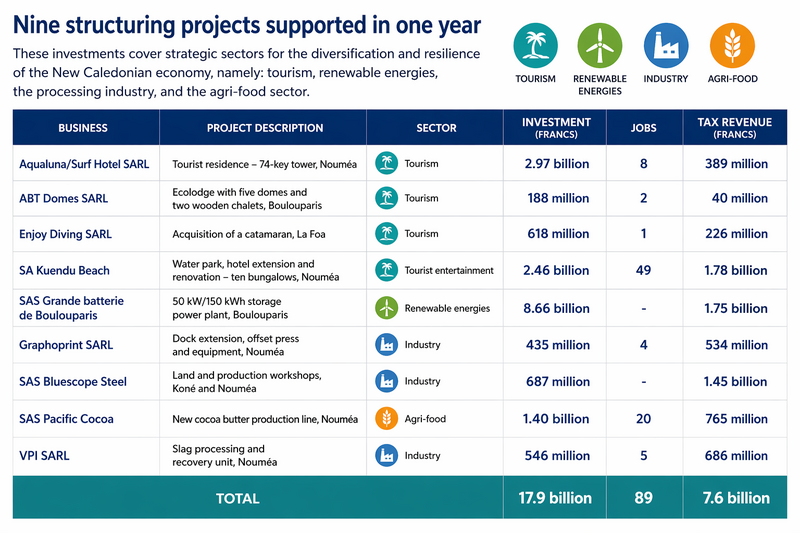
Local tax incentives in New Caledonia supported nearly 17.9 billion CFP francs ($160 million) in private investment over the past year, underscoring their role as a key policy lever to stimulate economic diversification and job creation.
Nine major projects were approved under local tax relief schemes, generating or consolidating 241 direct jobs and delivering more than 7.6 billion francs in tax and social returns to the territory, according to government data.
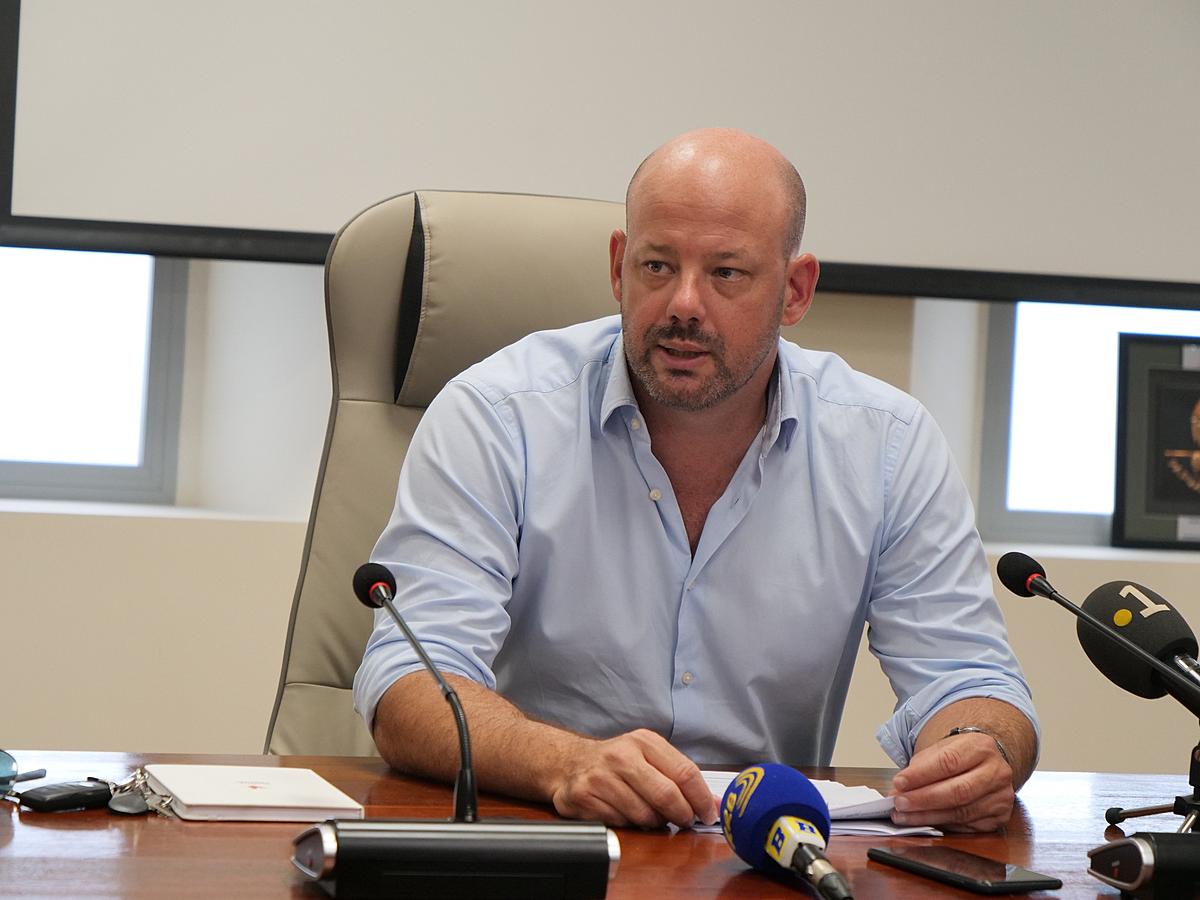
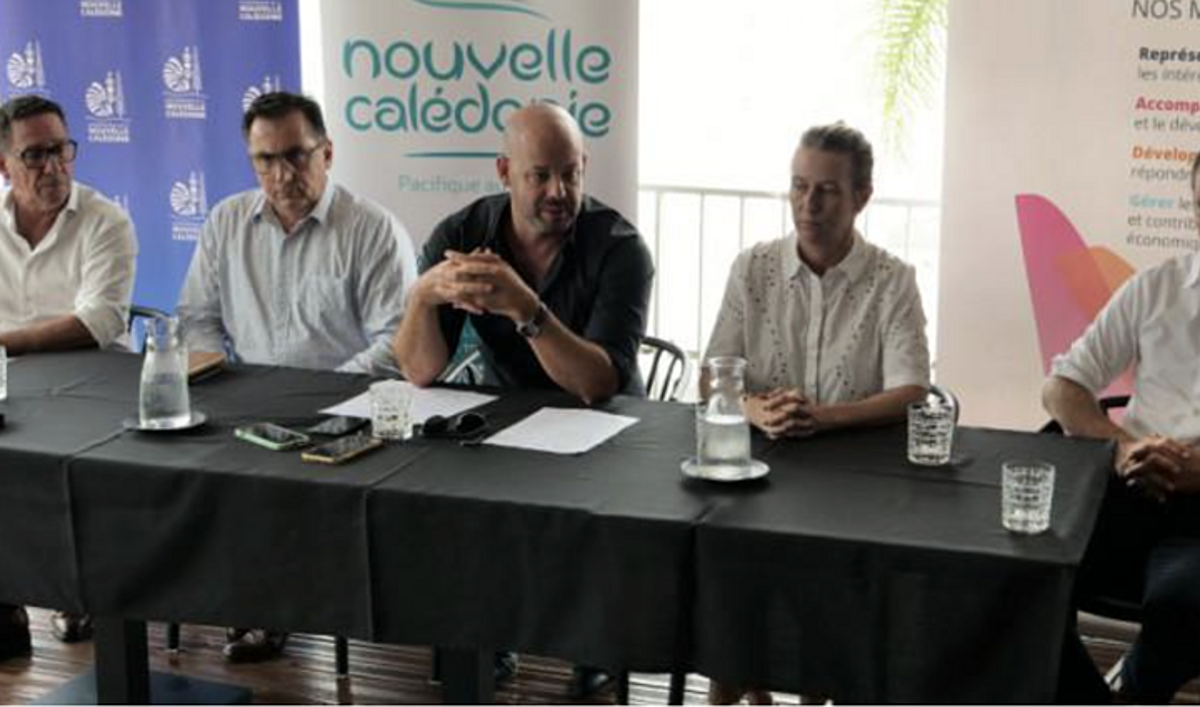
“These mechanisms allow for real support of the private sector. Private investors are choosing New Caledonia and the government wants to be by their side,” said Christopher Gygès, the government member in charge of the economy.
The projects span priority sectors including tourism, renewable energy, manufacturing and agri-food, reflecting efforts to build a more resilient and diversified economic base amid a challenging macroeconomic environment.
Authorities said the results demonstrate a clear policy commitment to positioning tax incentives as an active instrument for attracting investment and supporting domestic enterprise development.
Reform push to accelerate approvals
The government is preparing reforms to streamline the approval process for tax incentives, with a focus on reducing administrative delays and improving transparency for project proponents.
Officials said faster processing times would accelerate capital deployment and job creation, reinforcing economic recovery.
The tax incentive framework combines two complementary mechanisms: a local tax credit scheme for productive investments exceeding 50 million francs, with rates ranging from 45% to 60% depending on location, and a national-level programme under France’s overseas development law (LODEOM), which allows mainland investors to benefit from tax reductions when financing projects in overseas territories.
Industrial project highlights circular economy shift
Among the approved investments is the Valorization of Industrial Products (VPI) project, which aims to transform nickel slag—previously treated as waste—into high-value industrial abrasive materials for export.
The project will establish a processing line in Doniambo, Nouméa, enabling local production of “Emerald Blast,” a material used in industrial surface treatment. The initiative is expected to reduce logistics costs and carbon emissions by eliminating the need to ship raw slag overseas for processing before re-export.
The facility is set to create five permanent jobs initially, with potential for additional employment as operations expand, alongside indirect opportunities in logistics and industrial services.
Officials said the project exemplifies a broader push toward circular economy models, export-oriented production and value-added industrial activity.
Outlook
The government said tax incentives will remain central to its economic strategy, particularly in attracting projects that generate sustainable employment, support exports and align with environmental objectives.
“Every week gained in processing time means investments materialize faster and jobs are created sooner,” Gygès said, emphasizing the need to maintain momentum in private-sector engagement.