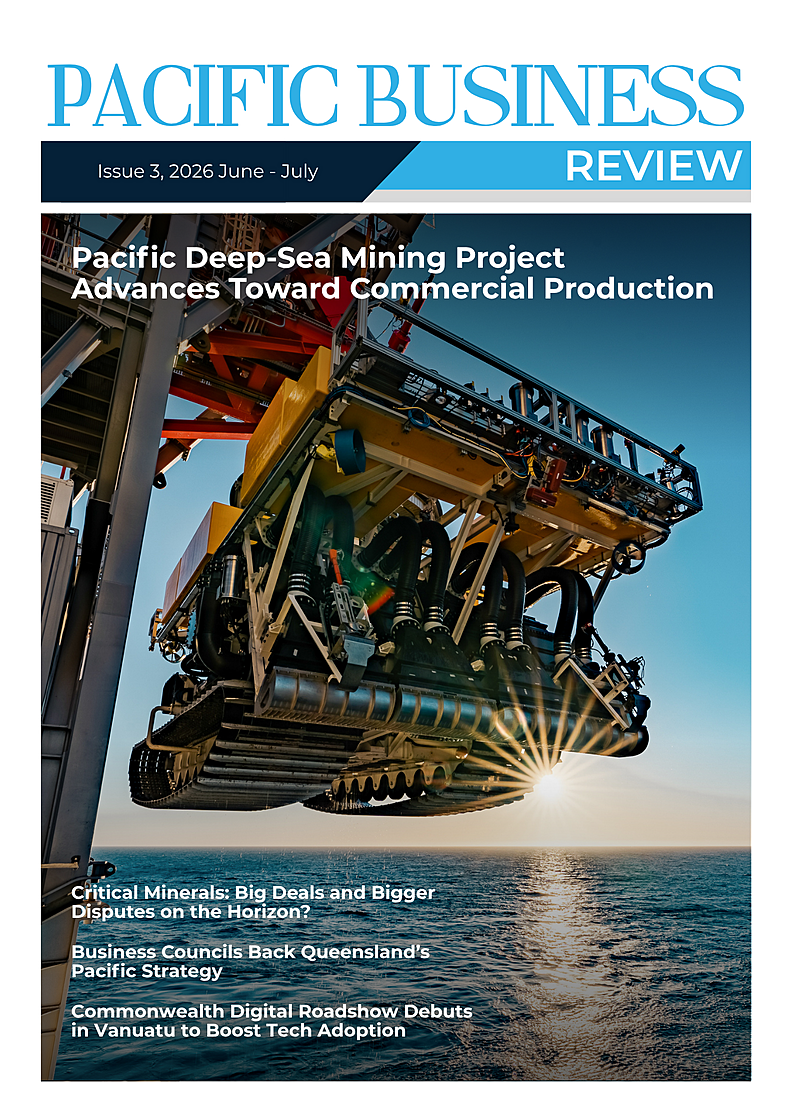
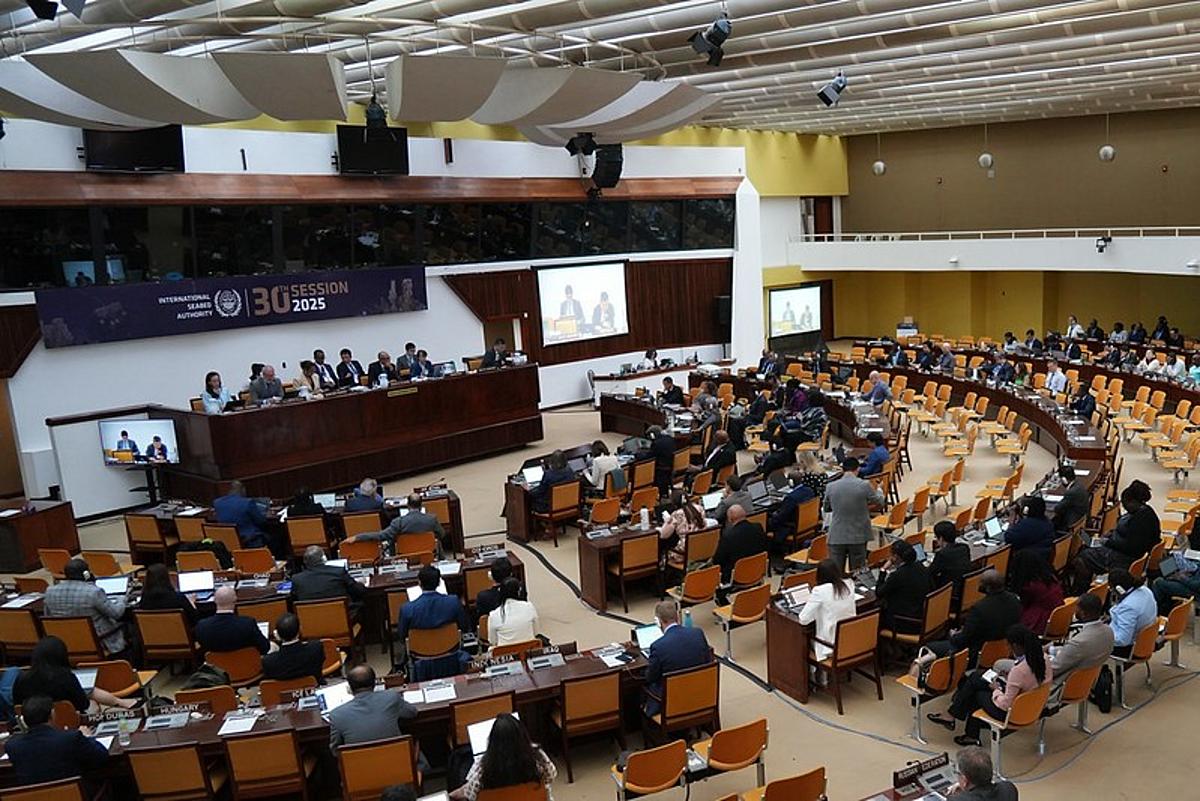
Pacific countries should proceed cautiously as interest in deep-sea minerals grows, according to the head of the United Nations-backed body responsible for regulating mining in international waters.
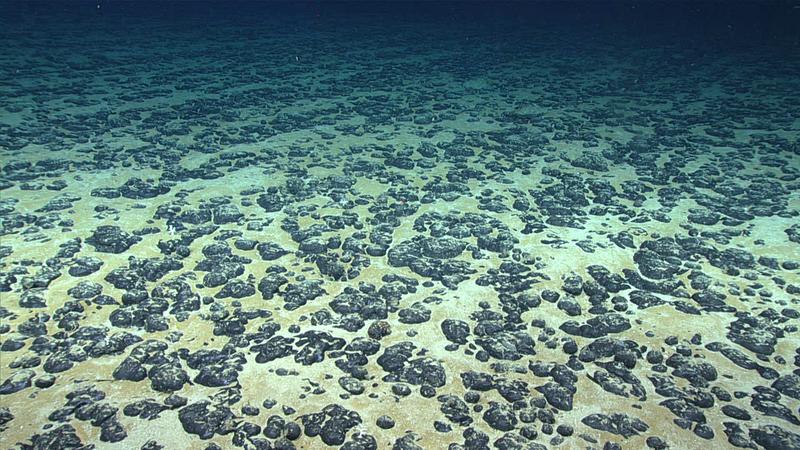
The caution comes as governments and mining companies increase their focus on seabed deposits containing cobalt, nickel, manganese and copper, minerals widely viewed as important for batteries, electric vehicles and other clean energy technologies.
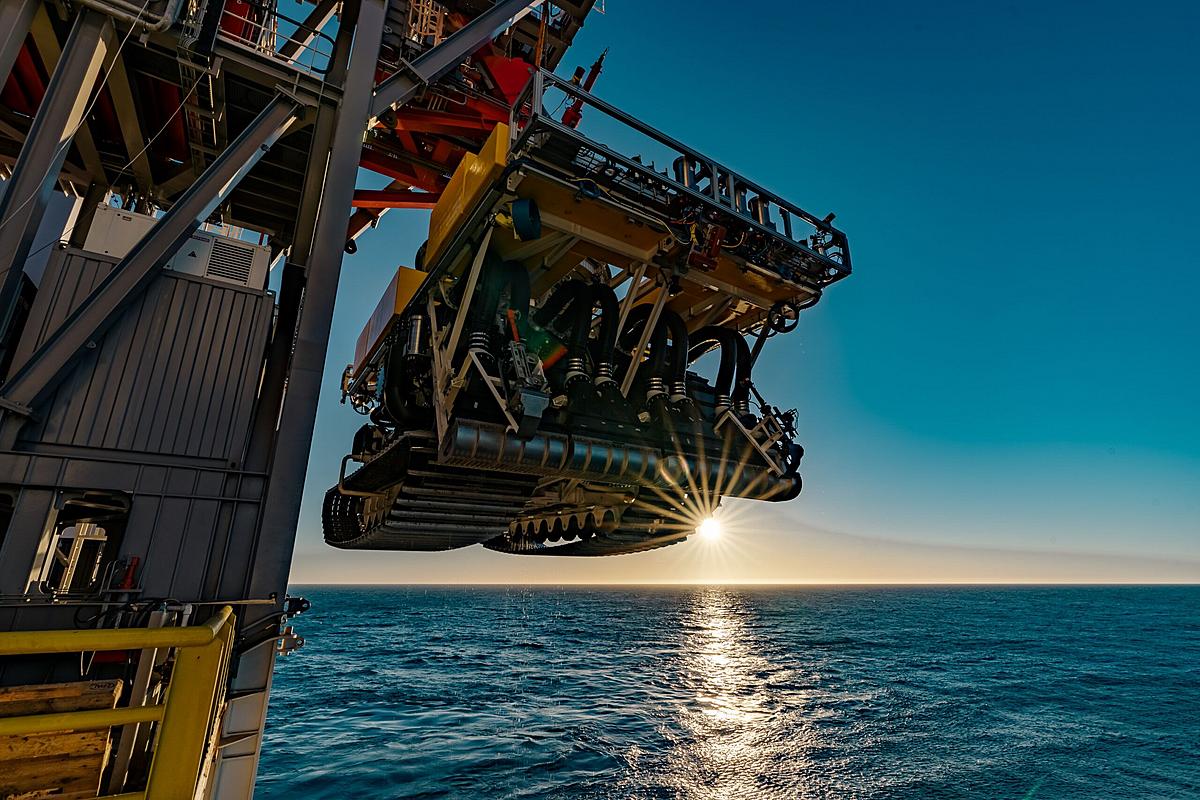
The International Seabed Authority, or ISA, has warned against rushing into commercial extraction before adequate scientific understanding, environmental safeguards and regulatory frameworks are in place.
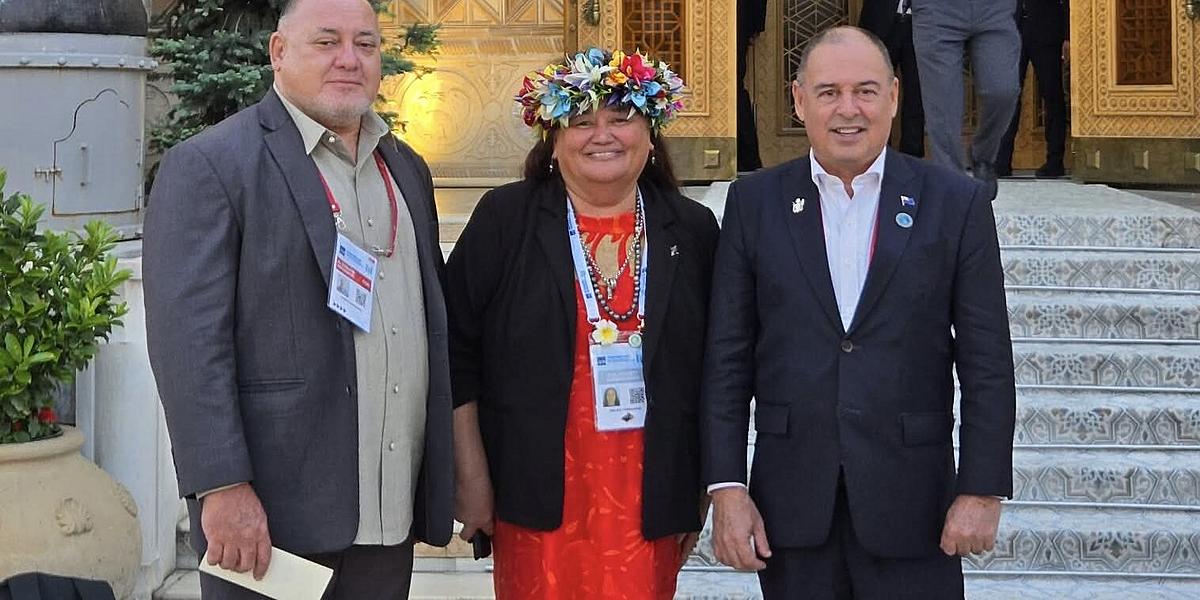
The issue has become increasingly significant for Pacific island countries, where proponents argue deep-sea mining could create new sources of government revenue, employment and economic development.
However, environmental groups and marine scientists continue to raise concerns about the potential impact of mining activities on deep-sea ecosystems, which remain among the least understood environments on Earth. Areas of concern include habitat disturbance, sediment plumes, underwater noise and possible long-term ecological effects.
The debate has intensified as demand for critical minerals grows alongside the global energy transition. Supporters of the industry argue that seabed resources could help diversify supplies of minerals required for renewable energy technologies and electric vehicle production.
Several Pacific nations have expressed interest in the sector, while others have called for a moratorium or stronger scientific evidence before commercial-scale mining is permitted.
The ISA has emphasised the importance of establishing robust governance arrangements before any extraction activities proceed, including environmental monitoring, compliance mechanisms and benefit-sharing arrangements.
For Pacific governments, the debate highlights the challenge of balancing potential economic opportunities with environmental protection and long-term resource management considerations.