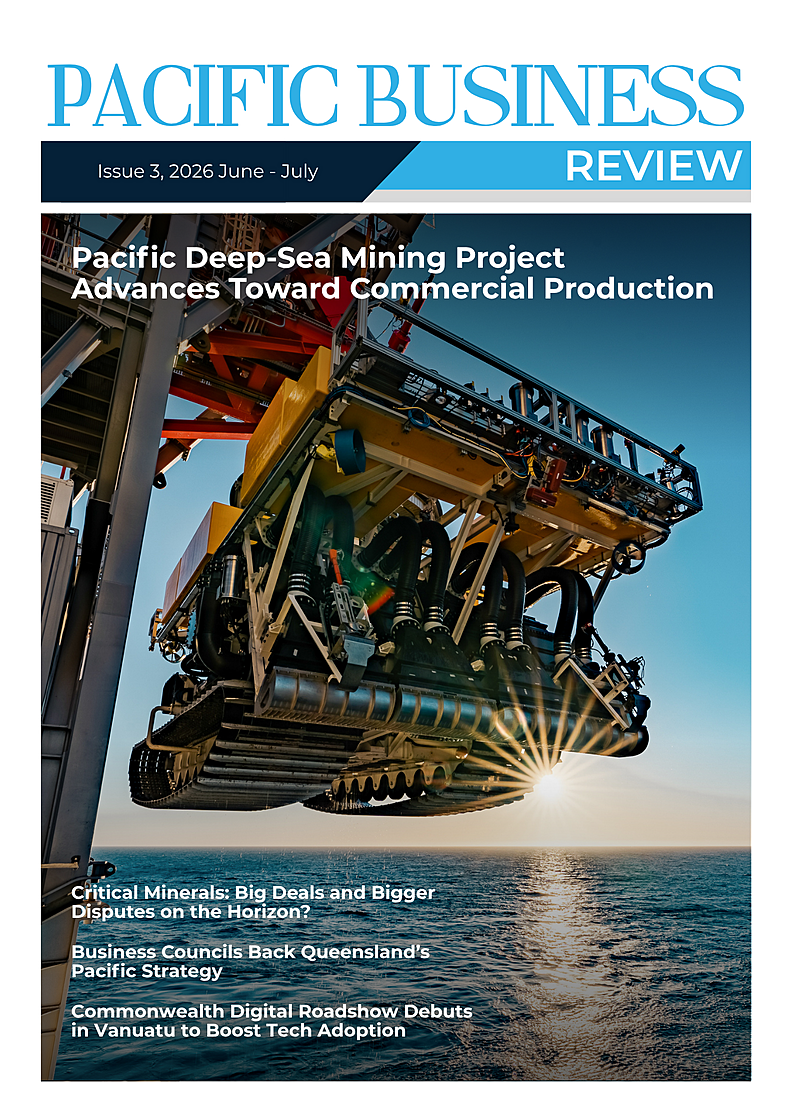
The Metals Company, or TMC, says it is advancing plans for commercial-scale polymetallic nodule recovery in the Pacific Ocean following new regulatory and operational milestones linked to its deep-sea mining projects in the Clarion-Clipperton Zone.
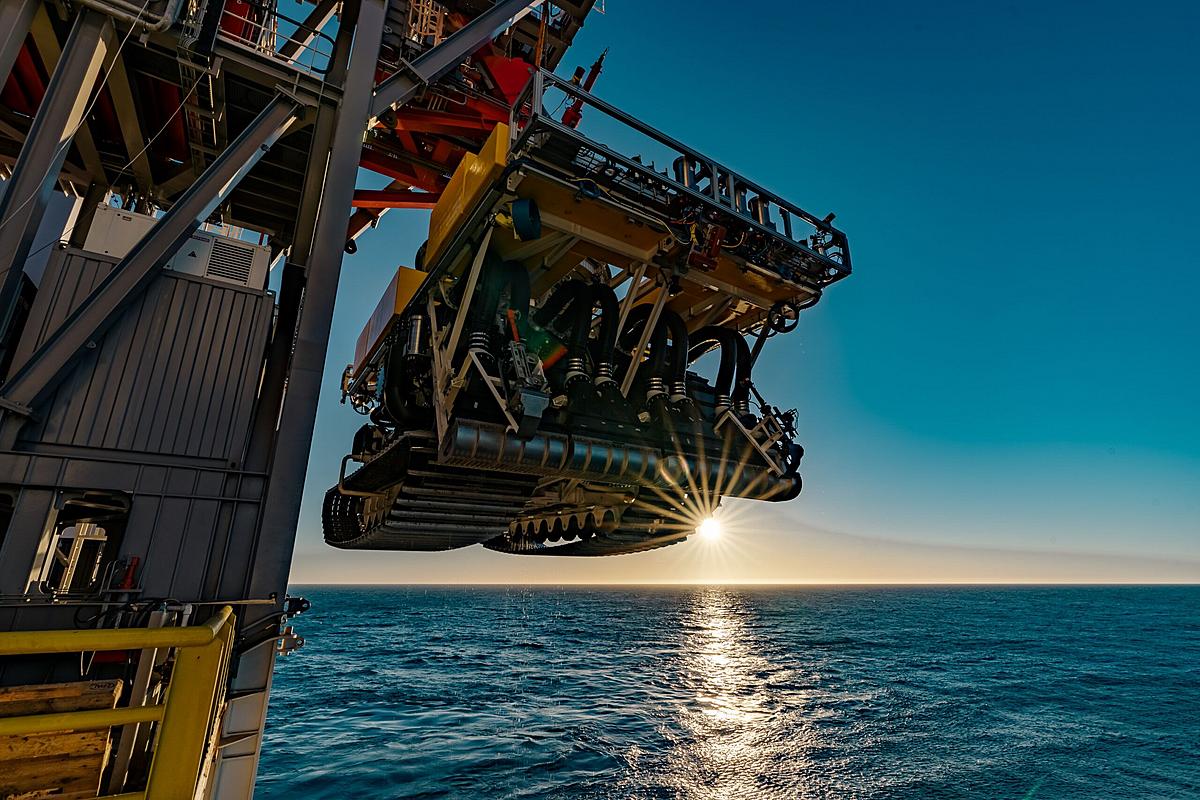
In a first quarter corporate update, TMC announced that it had signed a commercial agreement with offshore engineering company Allseas for the development, commissioning and operation of what it described as the first commercial polymetallic nodule collection system.
The system is expected to have a production capacity of 3 million wet tonnes of nodules annually, with commissioning targeted to begin in the fourth quarter of 2027, subject to regulatory approvals.
TMC said the offshore collection system would operate in the Clarion-Clipperton Zone, an area of the Pacific Ocean containing polymetallic nodules used in energy, manufacturing, infrastructure and defense applications.
The company also announced that the US National Oceanic and Atmospheric Administration, or NOAA, determined that TMC USA’s consolidated application for an exploration license and commercial recovery permit complies with requirements under the Deep Seabed Hard Mineral Resources Act.
According to TMC, the application covers an area named TMC USA A in international waters of the Pacific Ocean and expands the proposed commercial recovery area to about 65,000 square kilometers.
TMC said it expects the NOAA permitting process to conclude before the end of the first quarter of 2027.
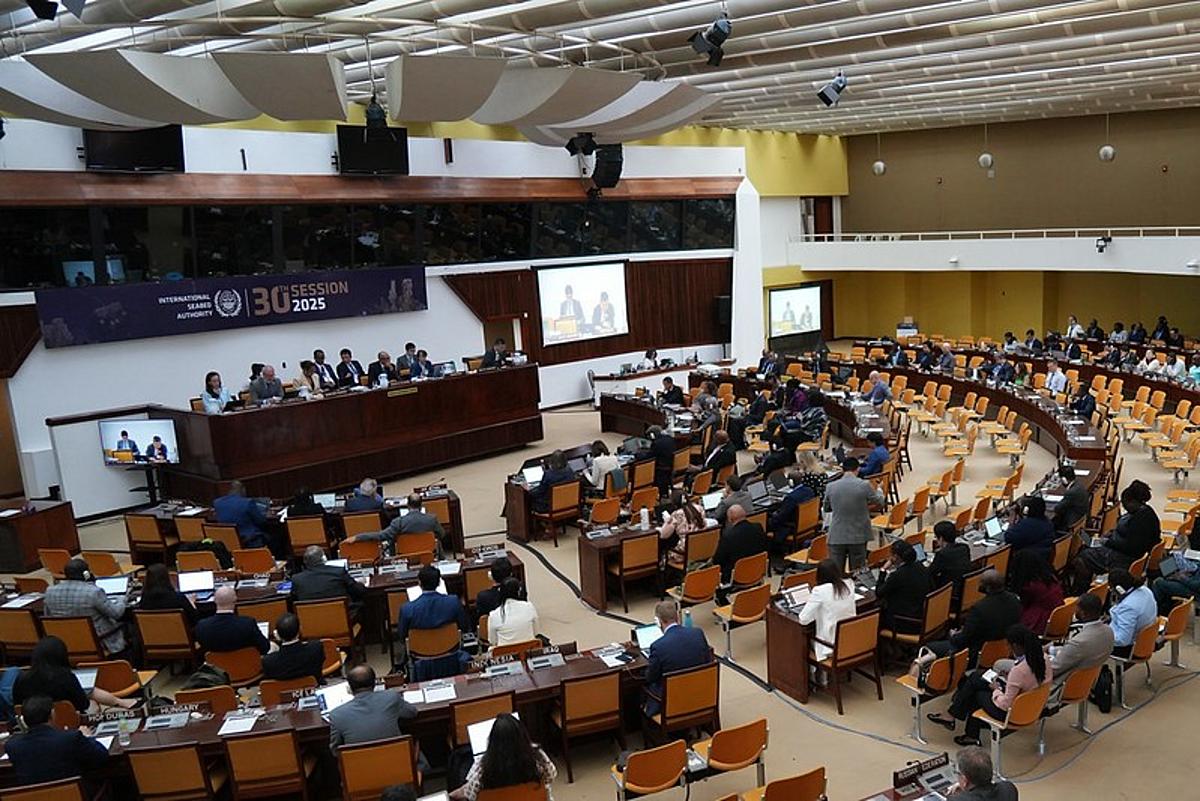
The company’s subsidiaries, Nauru Ocean Resources Inc., or NORI, and Tonga Offshore Mining Ltd., or TOML, also submitted environmental datasets to the International Seabed Authority’s DeepData database covering exploration activities in the Clarion-Clipperton Zone.
TMC said the submission included data from 777 equipment deployments and more than 4,800 environmental samples, generating about 76,000 biological records and 69,185 geochemical data points across the water column and seafloor environment.
Chairman and Chief Executive Officer Gerard Barron said the company continued to advance regulatory, engineering and offshore production activities tied to commercial nodule recovery operations.
“We believe we are uniquely positioned not only to maintain our first-mover advantage, but also to help accelerate development of a broader U.S.-led nodule industry,” Barron said.