The Vanuatu government says it remains committed to rebuilding national carrier Air Vanuatu but warned that future financial support for the airline must be accompanied by major structural reforms to prevent further losses.
The issue was raised during oral questions in the first ordinary session of the 2026 Parliament after Malekula Member of Parliament Hymak Anatole questioned the staffing status of Air Vanuatu and called on the government to complete the airline’s restructuring process following liquidation.
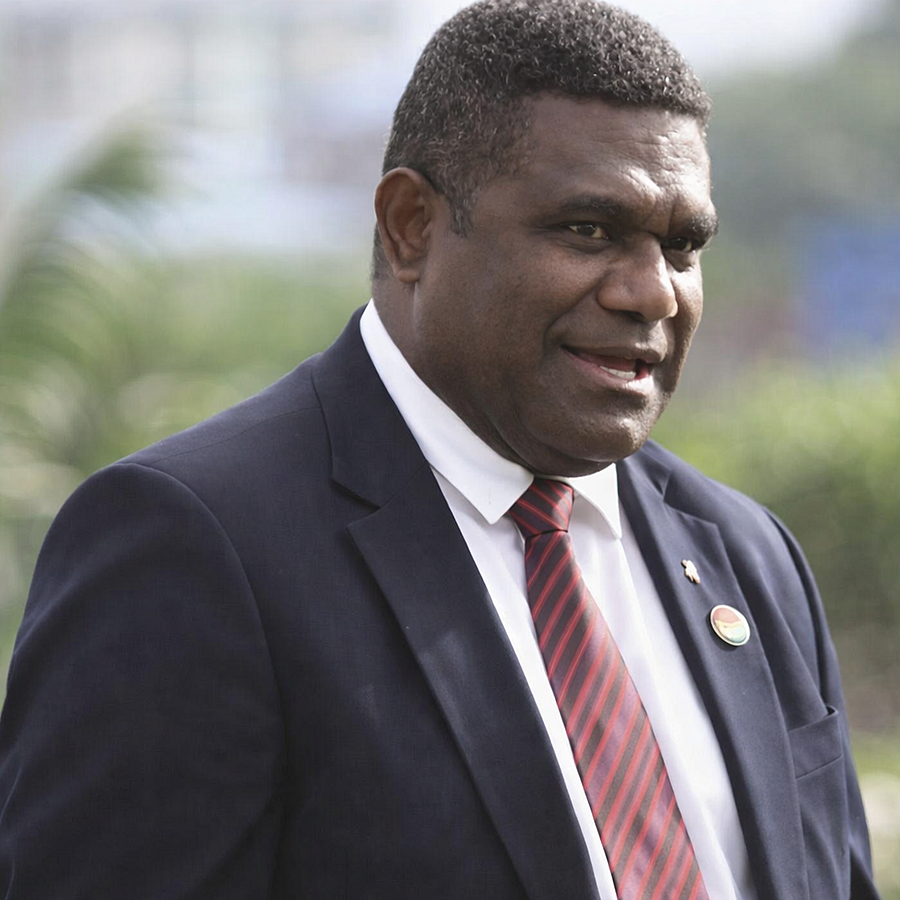
Responding in Parliament, Deputy Prime Minister and Finance Minister Johnny Koanapo said Air Vanuatu was gradually rebuilding under a new board after “starting from almost nothing.”
“Some progress is happening at our level as a company, especially with the new board that came in, and we are trying to restore the company from almost nothing,” Koanapo said.
The minister acknowledged that the airline requires a significant capital injection from the government but said authorities remain cautious after years of heavy public spending on the carrier.
“We spent a lot of taxpayers’ money on the company and then found out that the structure of the company was too heavy from top to bottom,” he said.
Koanapo said Air Vanuatu had 170 permanent employees as of December 2025, although the government was still assessing whether current staffing levels were appropriate given the airline’s limited operations.
At present, the carrier is primarily operating domestic services and does not yet have international aircraft in operation.
The minister said the government was exploring options to rebuild the airline’s fleet and assets, including expansion of domestic aircraft capacity.
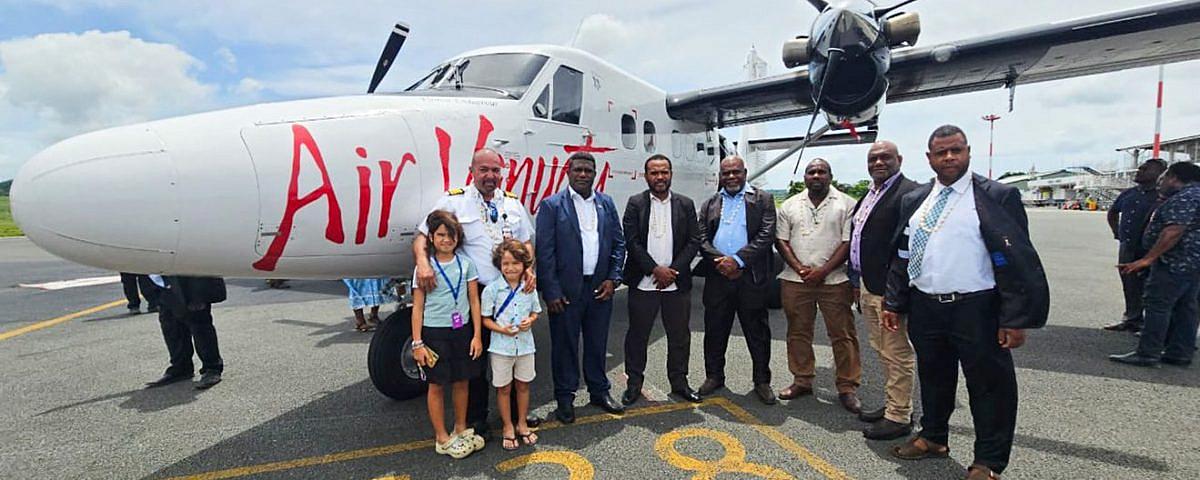
“Today we have Twin Otters, and one more is coming next month as announced by the Prime Minister. We also have the ATR, which is still on lease,” he said.
Koanapo said improvements had already been seen in operational performance and staff morale, including reductions in flight delays.
However, he confirmed that the airline continues to post substantial financial losses.
“If you look at the financial statement of the company from 2024 to 2025, it does not make any profit; it makes a big loss,” he said.
The minister revealed that the government had already provided VT1.1 billion to cover aircraft-related obligations and said additional capital would still be required to revive the airline.
“Apart from that, today Air Vanuatu needs a capital injection, and for us to resurrect the airline, we need a capital injection,” he said.
Koanapo added that the government did not want to continue injecting funds into the airline without broader changes to the company’s structure and operations.
On international operations, the deputy prime minister confirmed that the International Air Transport Association, or IATA, was in the process of restoring Air Vanuatu’s “NF” airline code, which would support future codeshare agreements and international partnerships.
“We have to be optimistic about the future of Air Vanuatu. We will not let go of Air Vanuatu,” he said.
Koanapo also confirmed that the government continues to negotiate with Airbus regarding the VT2 billion Airbus matter involving the airline.
He said a recent delegation visited Airbus headquarters in Toulouse, where discussions were held on legal and contractual issues linked to the aircraft agreement.
According to Koanapo, Airbus requested that negotiations continue privately through its Singapore office, with another round of discussions expected before the end of the year as the government works to restore Air Vanuatu’s international services.