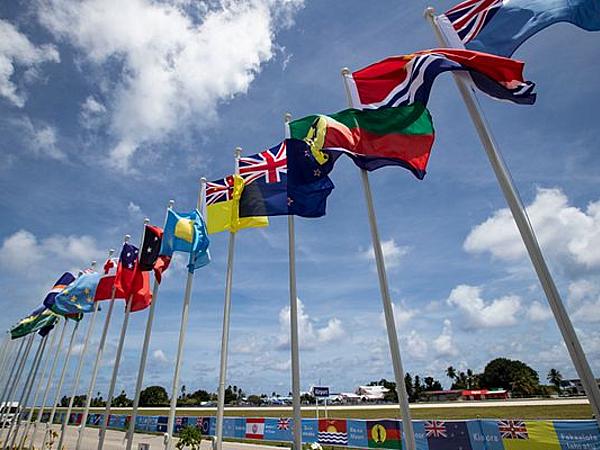
Pacific Islands Forum (PIF) members have adopted a new regional aid-for-trade strategy for 2026–2030, setting out a coordinated agenda to strengthen trade, digital commerce, connectivity and climate-resilient economic development across the Blue Pacific.
The Pacific Aid for Trade Strategy (PAfTS) 2026–2030 builds on the previous five-year framework and aligns regional trade initiatives with the 2050 Strategy for the Blue Pacific Continent, positioning trade and investment as key drivers of sustainable economic growth and resilience.
The strategy was endorsed by Pacific Islands Forum trade ministers in July 2025 and serves as the principal framework for coordinating regional aid-for-trade programs over the next five years. It emphasizes member-led implementation, stronger coordination among development partners and targeted investments in areas that can deliver regional benefits.
Under the new framework, the Pacific will continue prioritizing e-commerce, trade facilitation, services, quality infrastructure, connectivity, trade agreements and value chains such as kava and apiculture, while introducing trade and environment as a new strategic priority.
The strategy recognizes that environmental challenges—including climate change, biodiversity loss and pollution—pose significant risks to Pacific economies but also present opportunities through greener trade policies, sustainable value chains and environmentally sound technologies. Rather than creating a standalone program, environmental priorities will be integrated across all regional trade initiatives.
Digital trade also features prominently in the strategy, with the Pacific Islands Forum Secretariat aiming to expand the region's e-commerce ecosystem to reduce geographic barriers, lower business costs and help diversify Pacific economies.
The strategy notes that around 30% of recommendations under the Pacific Regional E-commerce Strategy had been implemented by the end of 2024, with work now shifting toward updating the strategy and accelerating implementation.
Improving regional connectivity remains another central objective. The framework calls for stronger transport, aviation, digital, energy and people-to-people links to reduce the effects of geographic isolation and strengthen regional economic integration.
Trade facilitation is also expected to receive greater attention after the strategy noted that Pacific Island developing economies recorded a trade facilitation implementation rate of 42% in 2023, well below the global average of 69%, underscoring the need for more efficient border procedures and streamlined trade systems.
The strategy also places greater emphasis on strengthening the Pacific's participation in global and regional trade agreements by providing technical assistance and policy support to member countries. It calls for continued engagement in World Trade Organization negotiations, implementation of regional trade agreements and exploration of new trade opportunities that benefit Pacific economies. The framework further promotes stronger private sector participation, recognizing businesses as the primary drivers of trade-led growth and investment. It also encourages greater inclusion by integrating gender equality, disability and social inclusion considerations into regional trade initiatives where practical. Through these measures, the strategy aims to make Pacific trade more competitive, inclusive and resilient over the next five years.
The strategy further seeks to expand opportunities in services trade, which accounted for 56.4% of regional GDP and 53% of total employment in 2023, while supporting emerging digitally enabled services alongside tourism. Continued support is also planned for regional kava and apiculture initiatives to strengthen export value chains, improve market access and promote rural livelihoods.
Pacific Islands Forum Secretary General Baron Divavesi Waqa said the strategy provides a practical roadmap for collective regional action at a time of growing economic and geopolitical uncertainty.
"The successful implementation of the PAfTS depends on the active and coordinated engagement of all stakeholders, including Forum Members, the Pacific Islands Forum Secretariat, development partners and implementing partners," Waqa said in the strategy's foreword.
Implementation will be overseen through member-driven regional committees, with progress reported annually to Forum trade officials and biennially to Forum trade ministers. Monitoring frameworks will also incorporate gender equality, disability and social inclusion considerations where feasible, ensuring regional trade initiatives deliver broad-based economic benefits across Pacific communities.