The Fiji Tourism Development Program in Vanua Levu — known as the Na Vualiku Project — continues to gather momentum, with contracts worth more than FJ$22 million (US$9.7 million) already signed and several major procurements now underway.
The project, spearheaded by the Ministry of Tourism and Civil Aviation (MTCA) in partnership with the World Bank, aims to build a resilient, inclusive, and sustainable tourism economy for Vanua Levu and Taveuni.
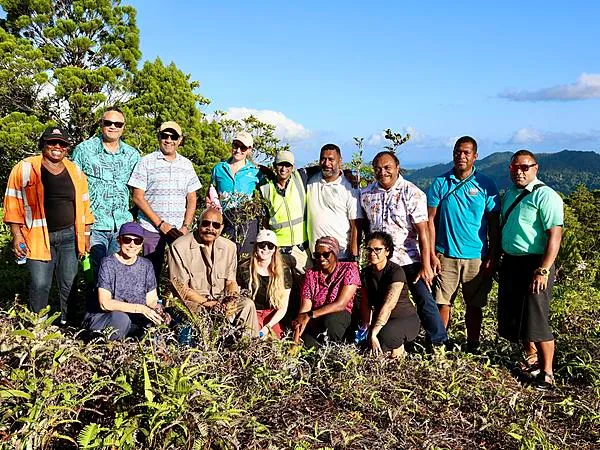
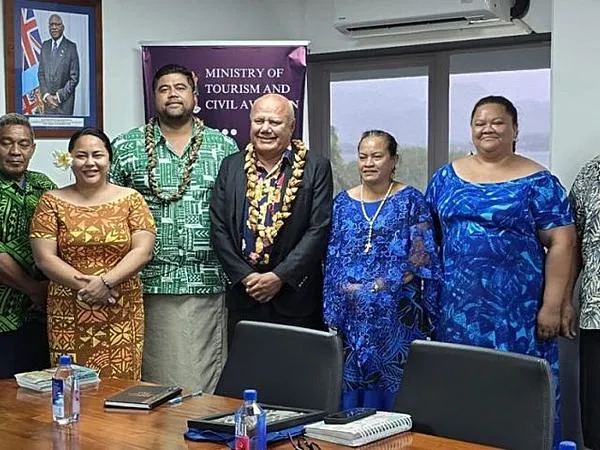
From 28 September to 9 October 2025, the fifth implementation support mission was held, bringing together key stakeholders including government ministries, development partners, provincial councils, community leaders, and private sector representatives. The twelve-day mission assessed ongoing progress and discussed the next steps toward advancing Fiji’s tourism transformation in the Northern Division.
The mission team visited Nadi, Labasa, Savusavu, and Suva to review developments in critical infrastructure, sustainable tourism planning, environmental safeguards, and support for micro, small and medium enterprises (MSMEs), including women-led and community-based initiatives.
Among the key milestones highlighted were:
Deputy Prime Minister and Minister for Tourism and Civil Aviation Viliame Gavoka said the mission was centred on collaboration and local engagement. He said the exercise was about “listening, validating, and coordinating with our communities and partners.”
Officials from the World Bank and MTCA reaffirmed their commitment to ensuring that the Na Vualiku Project supports not only tourism development but also broader economic resilience and community empowerment in the North.
As Fiji continues to diversify and decentralise its tourism industry, the Na Vualiku Project stands as a model for regional inclusivity and sustainable growth — laying the groundwork for a vibrant future for Vanua Levu and Taveuni.
Fiji has secured a landmark investment with Kerzner International Holdings Ltd announcing plans to develop the country’s first One&Only resort and private residences on Nacula Island in the Yasawa Islands.
The project, undertaken in partnership with BSP Life, was welcomed by the Ministry of Trade, Co-operatives, Micro, Small and Medium Enterprises, and Communications, together with Investment Fiji. Officials hailed the move as a transformational moment for the country’s tourism sector and broader economy.
Deputy Prime Minister and Minister for Trade, Co-operatives, Micro, Small and Medium Enterprises, and Communications Manoa Kamikamica said the decision by Kerzner to enter Fiji underscored growing investor confidence.
“This is a big win for Fiji. Having a global brand like Kerzner International choose to invest here shows clear trust in our economy and our future. It’s a positive sign that Fiji is ready to welcome world-class developments as well as international projects. This development is key for the tourism sector and it also builds investor confidence and creates opportunities for more future investments that will help grow our economy,” Kamikamica said.
“The Ministry congratulates Kerzner International and BSP Life on this landmark announcement. The One&Only resort represents a major leap forward for Fiji’s tourism sector and signals strong investor confidence in our economy. This development will bring lasting benefits to our people, create new jobs, and position Fiji as a premier destination for luxury travel and investment,” he added.
Investment Fiji Chief Executive Officer Kamal Chetty said the project reflected the strength of Fiji’s investment environment.
“Kerzner’s investment in Fiji is a clear reflection of the trust global investors have in our economy, our people, and our future. This project goes beyond luxury tourism; it’s about creating jobs, empowering communities, and building a resilient and inclusive economy. Investment Fiji is proud to have played a key role in facilitating this development, and we remain committed to supporting strategic investments that drive sustainable growth,” Chetty said.
The development will feature 40 guest rooms, suites and villas, six dining concepts, and the Club One wellness centre. It will also introduce a community of One&Only Private Homes, with 20 exclusive residences combining luxury living with world-class amenities and service.
Designed to celebrate Fijian culture and natural beauty, the resort will prioritise sustainability and community engagement. Officials said it is expected to create new employment opportunities, stimulate local supply chains, and further strengthen Fiji’s position as a destination for high-value travellers.
The Ministry reaffirmed that Fiji remains open for investment, with the government committed to building a resilient, inclusive and prosperous future.
The Pacific Tourism Organisation (SPTO) has reaffirmed its commitment to regional collaboration, urging Pacific leaders to recognise tourism not only as an economic sector vulnerable to global shocks but as a strategic tool for resilience, sustainability, and Pacific-led prosperity.
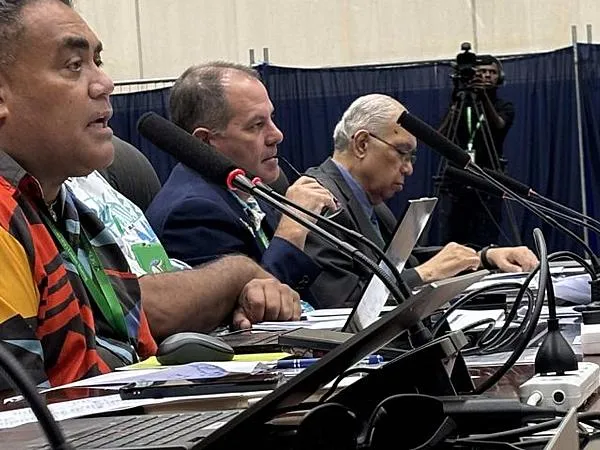
At the 32nd Meeting of the Secretariat of the Pacific Regional Environment Programme (SPREP) in Apia, SPTO Chief Executive Officer Christopher Cocker commended SPREP as a “fellow CROP agency and strategic partner” in delivering Goal 4 of the Pacific Sustainable Tourism Policy Framework: “Protecting our ecosystems through accelerated climate action and resilience building.”
He acknowledged the importance of donor-supported initiatives that integrate environmental safeguards into tourism. These include Environmental Impact Assessments for coastal tourism projects, guidelines for environmental audits of hotels, and waste management programmes such as the Pacific Ocean Litter Project, which is phasing out single-use plastics. Biodiversity protection efforts, supported through the Pacific Bioscapes Programme, have also produced responsible wildlife viewing guidelines to ensure visitor experiences remain sustainable and respectful.
“SPTO expresses its deep appreciation for SPREP’s leadership and reaffirms its commitment to future collaboration with SPREP teams and regional partners to advance environmental sustainability across the tourism sector,” Cocker said.
At the Pacific Islands Forum Leaders Dialogue in Honiara, Cocker broadened his message, calling on governments to position tourism as a driver of resilience rather than as a weakness. “Tourism remains vulnerable to climate change, natural disasters, pandemics, and geopolitical shocks,” he said. “Yet its greatest untapped potential is in its ability to protect communities, ecosystems, and cultural heritage — if we choose to lead with vision.”
Among the challenges, Cocker cited limited air connectivity, infrastructure pressures, and risks to ecosystems and cultural heritage. “Aviation and tourism are interconnected. Improving air links will unlock economic opportunities across our Blue Pacific. But this must be complemented by coordinated efforts to address ecosystem degradation and cultural erosion,” he said.
He also stressed the need for digital inclusion, particularly for small and community-based operators. “Without targeted support, digital transformation risks leaving our smallest operators behind. Inclusion must be deliberate.”
Calling for stronger political leadership, Cocker urged Forum Leaders to maintain support for SPTO’s independence and operational agility. “To fulfil our mandate, SPTO must stay agile, inclusive, and aligned with regional development goals. Our stakeholders are engaged, our structure is solid, and our impact is growing.”
For SPTO, tourism must evolve towards regenerative models grounded in climate resilience, cultural integrity, and fair benefit-sharing. As the Pacific’s lead tourism body, it continues to partner with UN Tourism and regional agencies such as SPREP to ensure that tourism contributes to resilience, prosperity, and Pacific identity for generations to come.
“Tourism is more than an economic driver. It bridges cultures, communities, and economies. The Pacific is not just a destination — it is a vibrant mosaic of ocean-bound identities. Guided by Pacific values, tourism can be a force for resilience and inclusive prosperity,” Cocker said.
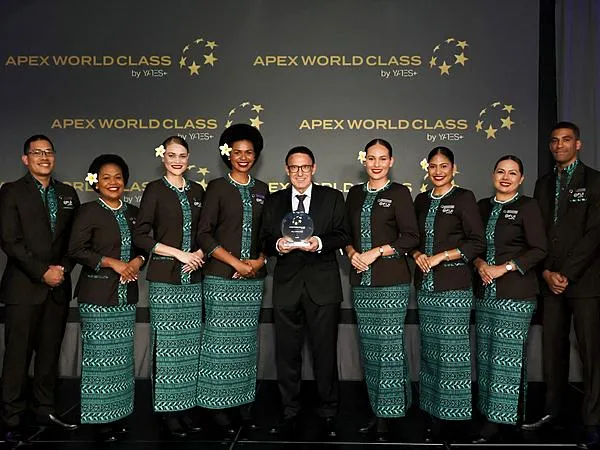
Fiji Airways has soared into aviation history, becoming the smallest carrier by fleet size ever to be named among the Top 10 Airlines in the World after securing the APEX World Class Airline for 2026 Award.
The honour, regarded as the most prestigious in global aviation, crowns a remarkable rise for the Fijian flag carrier, which also clinched the APEX Innovation Award for Best Inflight Food and Beverage 2026 following the launch of its new Pacific Rim menu and redesigned inflight service.
Fiji Airways is the only airline in Oceania to achieve this recognition, a feat Managing Director and Chief Executive Officer Andre Viljoen described as “a proud and historic moment for the airline and for Fiji.”
The World Class Award is conferred through a rigorous process that combines independent audits with passenger feedback from across the globe, evaluating excellence in safety, sustainability, well-being, service and customer experience.
Viljoen recalled the scale of the transformation: “In 2016, we were ranked outside the world’s Top 100 airlines. Today, through sheer grit, relentless innovation, and the unbreakable spirit of our people, we have risen to be named one of the Top 10 Airlines in the World. This recognition is not just an award, it’s about showing every Fijian, and every member of our team, that we can achieve the impossible. We are the David in a world of Goliaths — and we are winning.”
From small island skies to the global stage
The achievement follows one of the most extensive overhauls in the airline’s history. Fiji Airways invested in new galley and service equipment, created supply chains for freshly sourced produce, and collaborated with local businesses both large and small to reimagine its hospitality.
Months were devoted to designing a Pacific Rim-inspired dining experience and revamping service flows. Cabin crew underwent up to two weeks of intensive training, with 16 selected to become World Class Trainers after completing a 10-week programme.
“It was a massive undertaking that required months of preparation, dedication, and teamwork before the very first World Class flight took off,” said Viljoen.
The airline’s chief stressed the importance of aiming higher: “To excel, we cannot afford to be ordinary. We need to stand out, to be unmistakably remarkable, and to create an experience so extraordinary that travellers choose Fiji Airways not just for where we fly, but for how we make them feel. That is why we embarked on the World Class journey. It required us to lift every part of our airline to a standard that only the world’s best achieve. It gives us a powerful point of difference that no amount of advertising and marketing can buy.”
Looking forward
With its place now cemented among the world’s leaders in aviation excellence, Fiji Airways is determined not to stand still. “As we look ahead, Fiji Airways remains focused on constant innovation and raising the bar even higher,” said Viljoen.
For Fiji, the recognition shines an international spotlight not only on the airline but also on the island nation as a premier travel destination, reinforcing its place on the global map.
The Solomon Islands and Cook Islands are exploring closer ties in tourism and culture, with both nations looking to turn shared heritage and industry needs into opportunities for cooperation.
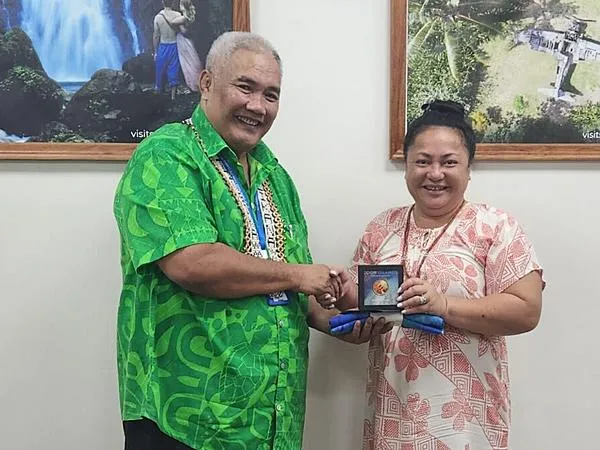
The discussions took place on the sidelines of the 54th Pacific Islands Forum Leaders Meeting in Honiara, where Solomon Islands Minister for Culture and Tourism Choylin Douglas met with Cook Islands Minister of Foreign Affairs and Immigration Tingika Elikana.
At the heart of the talks were proposals to collaborate in the tourism and hospitality industry through labour mobility, and to strengthen cultural diplomacy by reviving traditional canoe building and voyaging.
“We’re looking at ways to strengthen our Pacific family ties through cultural and economic cooperation,” said Minister Douglas. “These discussions reflect the deep cultural and economic ties that bind our Pacific family, and the opportunities we have to learn from each other and grow together.”
Tourism at the centre
Both Ministers underscored the importance of tourism to their economies and acknowledged the potential benefits of a bilateral labour mobility arrangement. Such an initiative would allow Solomon Islanders to gain experience in the Cook Islands’ well-established tourism and hospitality sector, while helping the Cook Islands address workforce needs.
Officials noted that the scheme could provide young Solomon Islanders with skills and exposure that would later contribute to the development of their home country’s tourism sector.
Canoes as cultural bridges
Beyond economics, the dialogue turned to shared traditions. The Ministers explored a cultural partnership focused on canoe building and voyaging — practices deeply rooted in Pacific history and identity.
The Solomon Islands’ wealth of forestry resources and traditional craftsmanship could support collaboration with the Cook Islands in sustaining these age-old skills. Leaders agreed that reviving such traditions would not only preserve heritage but also deepen people-to-people connections across the Pacific.
Towards a formal framework
The meeting concluded with agreement to develop a framework for cooperation, which may lead to a Memorandum of Understanding (MoU). Both Ministers instructed their officials to begin drafting proposals and to move the dialogue towards a formal agreement.
For both countries, the initiative signals a broader push to harness culture and tourism as vehicles for unity and development within the Pacific family.
The Solomon Islands recorded 13,994 visitor arrivals in the second quarter of 2025, marking a 21 percent increase compared with the previous quarter, according to official figures released on 29 August.
Compared with the same quarter last year, arrivals grew 11.8 percent. Returning residents comprised the largest share of entries at 51.8 percent, while visitors accounted for 47.7 percent. Less than 1 percent were intending residents. Visitor arrivals climbed to 6,681 during the quarter, a 19 percent increase from 5,612 in the first quarter of 2025. Year on year, visitor arrivals were up 3.6 percent.
Australia remained the largest source market, accounting for 31.1 percent of arrivals. A total of 2,076 Australians visited during the second quarter, up 32.2 percent from 1,570 in the previous quarter.
China was the next largest source at 13.3 percent, followed by other Asian countries (9.6 percent), the United States (8.9 percent), Fiji (7.3 percent), New Zealand (7.1 percent), Papua New Guinea (6.7 percent), other Pacific countries (4.1 percent), other European countries (3.9 percent), Vanuatu (3.2 percent), Japan and the United Kingdom (1.5 percent each), other countries (1.2 percent) and Canada (less than 1 percent).
By month, April recorded the highest number of visitors with 2,312, followed by June with 2,228. May had the fewest at 2,141.
A total of 2,337 tourists were recorded during the quarter, with 2,146 citing holiday and vacation as their purpose of travel. Tourists stayed an average of 11 days, with Australians making up 32.4 percent of the total.
The most common purpose of travel was holiday and vacation (32.1 percent), followed by business and conferences (27.3 percent), other reasons (24.5 percent), visiting friends or relatives (13.2 percent) and transit or stopover (2.9 percent).
Age distribution showed that 76.1 percent of visitors were between 25 and 64 years old. Those aged 0 to 24 years accounted for 7.1 percent, while 65 years and over comprised 11.1 percent. The remaining 5.8 percent did not state their age. Males represented 69.7 percent of total visitors, while females made up 30.3 percent.
In terms of occupation, the largest group of visitors were professionals and technical workers (32.2 percent), followed by administration and managerial (18.2 percent), production and related work (13.9 percent), not working (12.3 percent), other occupations (5.3 percent), students (5.0 percent), sales workers (4.8 percent), service workers (2.7 percent), agriculture, forestry and fisheries (2.2 percent) and clerical workers (1.4 percent). Another 1.9 percent did not state their occupation.
Male visitors outnumbered females across all occupational groups.
Air Niugini carried the highest share of passengers at 31.1 percent, followed by Qantas (29.9 percent), Solomon Airlines (28.6 percent), Fiji Airways (6.7 percent) and unscheduled flights (3.7 percent).
Statistics for Brisbane-Munda flights, which began weekly service in February 2024, will be included in the third-quarter 2025 report due to a delay in arrival card processing at Munda immigration.
The Pacific’s rich cultures, traditions, and natural beauty have long shaped authentic visitor experiences that reflect the spirit of Pasifika. Building on this, Samoa and Fiji have launched a Peer-to-Peer Exchange on Community Tourism, coordinated by the Pacific Tourism Organisation (SPTO)—a first-of-its-kind initiative aimed at strengthening community-led tourism across the region.
While hosting visitors is deeply embedded in Pacific identity, transforming this cultural tradition into sustainable businesses presents both opportunities and challenges. Many communities face barriers, from limited access to market linkages and best practices, to gaps in financial management and investment strategies. The exchange provides a platform for direct learning, bringing together experts and community representatives from both countries to share experiences, lessons learned, and practical approaches for success.
“This initiative reflects the Pacific way of learning—through Talanoa, sharing, collaboration, and respect,” said SPTO CEO Christopher Cocker. “By working together, we are strengthening communities, empowering livelihoods, and ensuring that tourism in the Pacific remains rooted in our values while delivering long-term benefits for our people and our environment.”
The program is supported by New Zealand Māori Tourism, alongside the Samoa Tourism Authority and Fiji’s Ministry of Tourism and Civil Aviation. It also aligns with the Pacific Sustainable Tourism Policy Framework (PSTPF), which envisions a resilient, prosperous, and inclusive Pacific tourism sector by 2030—one that improves community wellbeing while protecting and celebrating the region’s cultures, islands, and oceans.
Early outcomes of the Samoa–Fiji exchange include new insights into community tourism models, lessons in building gastronomy and culinary tourism, and stronger networks between operators in both countries. Key learnings have underscored the importance of supporting local supply chains, integrating traditional cuisine with modern flavours, and strengthening skills in entrepreneurship, governance, storytelling, and hospitality.
“As Pacific people, tourism is not new to us—it is in our DNA and who we are,” Mr Cocker added. “What is new is turning this spirit of hosting into sustainable enterprises that deliver shared prosperity. This program is a step forward in ensuring our communities lead the way in shaping a tourism future that is truly Pacific.”
The knowledge gained will directly inform the upcoming Community Tourism Framework for the Pacific Islands, to be launched at the 3rd Pacific Sustainable Tourism Leadership Summit in Vava’u, Tonga (October 20–21, 2025). The framework will serve as a regional blueprint for advancing inclusive, community-centred tourism that prioritises cultural integrity, local ownership, and environmental sustainability.
The Pacific Tourism Organisation (SPTO), in partnership with Trove Tourism Development Advisors, has rolled out a landmark digital upgrade for five of its member National Tourism Organisations (NTOs): Timor-Leste, Tonga, Nauru, the Federated States of Micronesia (FSM), and the Republic of the Marshall Islands (RMI).
Funded by the New Zealand Government under Phase 2 of the Pacific Digital Tourism Transformation Project, the initiative focused on strengthening the region’s digital infrastructure and online visibility. It delivered three new websites for FSM, RMI, and Nauru, while existing platforms for Tonga and Timor-Leste were upgraded with improved usability, technical performance, content quality, and search engine optimisation (SEO).
“Pacific people are storytellers, and tourism is about sharing experiences through storytelling,” said SPTO CEO Christopher Cocker. “This digital transformation empowers NTOs and tourism stakeholders to tell the stories of the Pacific in new and engaging ways—amplifying our voices across digital channels and creating shared marketing opportunities that benefit all stakeholders.”
The project was implemented through a multi-phase process of research, audits, design, development, and training. Alongside the technical upgrades, Trove also provided SEO manuals, blog content, and hands-on training to build capacity for sustainable digital management.
A key emphasis of the upgrade was cultural storytelling and content design, ensuring each country could present its unique identity while enhancing international reach. The completed websites and resources have now been handed over to SPTO, which will continue to provide technical support and guidance.
This digital investment also supports SPTO’s wider Consumer, Trade, and Media Marketing Pacific Strategy, aimed at strengthening communication with international markets and partners. Post-launch support will continue through August 2025, reinforcing long-term sustainability.
By modernising digital platforms and amplifying Pacific voices, the initiative marks a significant step in positioning the region more prominently on the global tourism stage.
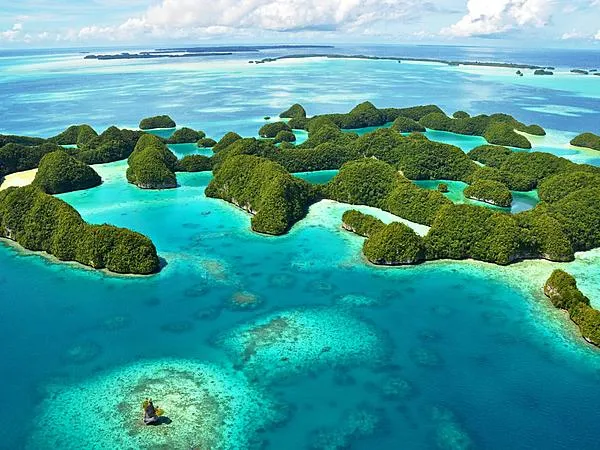
The Pacific island nation of Palau is fast emerging as a sought-after destination for Indian tourists, buoyed by the country’s recent move to grant visa-free entry to Indian passport holders. New booking data from digital travel platform Agoda shows that Palau recorded a 49% year-on-year (YoY) increase in accommodation searches between July and December 2024 for stays in early 2025.
Traditionally better known to divers and eco-tourists, Palau is positioning itself as a broader travel destination for Indian holidaymakers seeking pristine beaches, unique culture, and off-the-beaten-path adventure in the Pacific. The surge in interest reflects a growing appetite for new, lesser-known destinations, alongside the easing of entry requirements across Southeast Asia.
Malaysia, which introduced visa-free entry in 2023, reported a 47% rise in Indian travel interest, while the Philippines, which rolled out visa-free access in April 2025, saw a 26% boost. Sri Lanka also posted a more modest 9% increase, indicating that Indians are increasingly exploring both familiar regional hubs and new frontiers like Palau.
“The easing of visa restrictions across Southeast Asia and the Pacific is a welcome move that resonates strongly with Indian travellers,” said Gaurav Malik, Agoda’s Country Director for India, Sri Lanka, and Nepal.
“As barriers to entry fall, we’re seeing a direct impact on travel planning. This new era of accessibility is helping travellers discover not just tourist-favourites like Malaysia and the Philippines but also hidden gems like Palau," he added.
The Pacific Islands, historically constrained by distance and limited connectivity, are now better placed to attract high-value Indian visitors. Palau’s commitment to visa-free travel, coupled with its reputation for marine biodiversity and sustainable tourism, could put it on the map for Indian holidaymakers seeking more than the usual beach escapes.
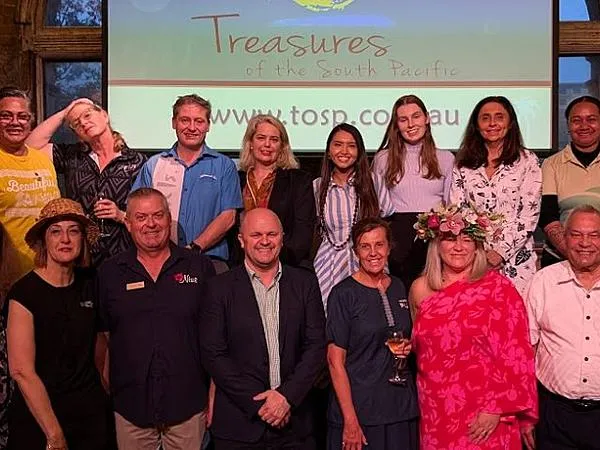
Pacific Trade Invest (PTI) Australia is helping some of the region’s most remote nations carve a stronger presence in the Australian travel market through the 2025 Treasures of the South Pacific (ToSP) Roadshow.
The two-week tour, which started in Brisbane on 18 August and ends in Newcastle on 3 September, will also stop in Melbourne, Adelaide and Sydney. It brings together South Pacific Tourism Offices to showcase the unique culture, natural beauty and character of destinations often described as the “Hidden Treasures of the South Pacific” or “Big Ocean States”.
Many of these countries — including Kiribati, Tuvalu, the Marshall Islands, Nauru and the Federated States of Micronesia — have no dedicated tourism offices in Australia.
PTI Australia is stepping in to bridge that gap by commissioning new videos and marketing materials created by Pacific videographer Alipate Laveti. These visual packages are designed to give Australian travel agents an authentic window into the islands, helping them promote each destination with confidence.
Kiniviliame Raicebe, marketing manager at the Pacific Tourism Organisation (SPTO), is joining the roadshow as part of PTI Australia’s Talent Development Program. PTI tourism manager Onorina Fugawai said the new content marks a major step in supporting small island destinations.
“The videos capture the beauty and vibrancy of our more remote destinations, and the results are breathtaking,” she said. “We want to give travel agents world-class material that reflects each country with authenticity and heart, while highlighting the spirit of collaboration that defines the ToSP approach.”
Cramer Cain, chairman of SPTO’s SIS sub-committee and tourism attaché for the Nauru Consulate, said the initiative ensures even the smallest islands have a place on the global tourism stage.
“Regional collaboration in tourism is critical,” he said. “Through the ToSP platform and PTI Australia’s support, smaller destinations like Nauru can share our culture, highlight our natural beauty and invite travellers to experience the richness of our part of the world.”
Building on record-breaking engagement last year, the 2025 ToSP Roadshow is expected to draw strong interest from Australia’s travel trade. The event is sponsored by Fiji Airways and supported by SPTO and PTI Australia, offering networking opportunities, insider insights and cultural performances.
Founded in 1979, PTI Australia operates as an agency of the Pacific Islands Forum Secretariat and is funded by the Australian government. It works to strengthen trade, investment and tourism links between the Pacific and Australia.
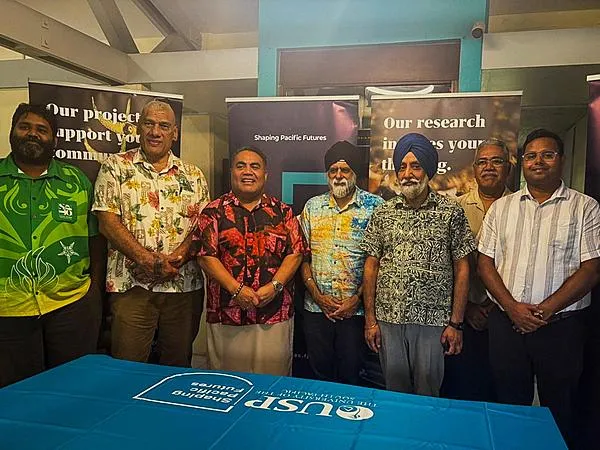
The University of the South Pacific (USP) and the Pacific Tourism Organisation (SPTO) have signed a Memorandum of Understanding (MoU) to establish the Pacific Tourism Research Institute (PTRI), marking a milestone in regional collaboration.
The institute will serve as a hub for knowledge generation, capacity building and innovation, aimed at ensuring tourism across the Pacific is sustainable, culturally grounded and community-driven.
Through the partnership, USP and SPTO will focus on joint research to guide policy and practice, strengthen data systems for more informed decision-making, and build the skills of the next generation of Pacific tourism professionals. The collaboration also covers curriculum development, institutional support and amplifying Pacific voices in global tourism debates.
SPTO Chief Executive Officer Christopher Cocker said the PTRI was the product of the Pacific Tourism Research Cooperation Framework, supported by the New Zealand Ministry of Foreign Affairs and Trade.
The initiative aligns with key regional strategies including the 2050 Strategy for the Blue Pacific Continent, SPTO’s Strategic Plan (2025–2029), the Pacific Sustainable Tourism Policy Framework and the Pacific Tourism Statistics Strategy, according to Cocker.
“Today marks a significant milestone for tourism in our Blue Pacific Continent with the signing of the MoU between SPTO and USP,” Cocker said.
“This agreement formalises the creation of the PTRI – a visionary and innovative partnership that will shape the future of tourism research and knowledge development across our region,” he added.
USP Vice-Chancellor and President Professor Pal Ahluwalia said the partnership reflects the university’s commitment to regional integration and practical learning.
“USP is proud to partner with SPTO in launching the Pacific Tourism Research Institute,” he said. “This initiative will enhance the skills and knowledge of our graduates, positioning them as leaders in the global tourism landscape and fostering a sustainable future for our Blue Pacific.”
The signing was followed by a symbolic tree-planting ceremony, underscoring the spirit of sustainability and shared growth.
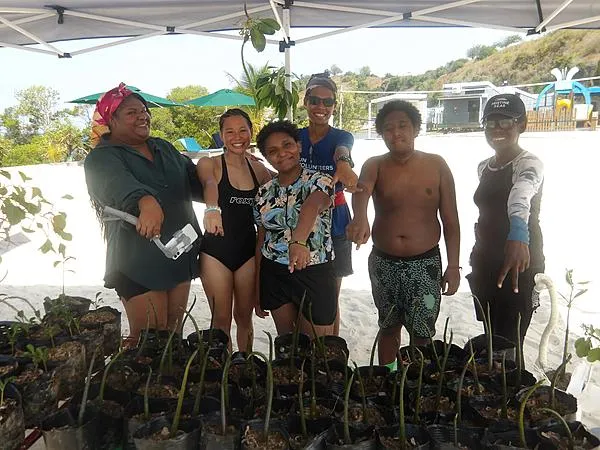
In recognition of World Mangrove Day, Loloata Island Resort led a coastal rehabilitation activity involving resort guests, local staff and volunteers, highlighting its ongoing commitment to marine conservation, ecological restoration and sustainable tourism.
The event saw the planting of 58 Aegialitis annulata seedlings in polybags and the transplantation of 15 mature specimens along the shoreline between Overwater Suites Rooms 2 and 3. The initiative was guided by the resort’s resident marine biologist, Donnya Gordon and conservation officer, Elijah Haru, who provided guests with hands-on education on mangrove ecology and climate resilience.
The selected planting site was chosen based on ecological suitability, with Aegialitis annulata already present and thriving in the area. According to Donnya Gordon “This species is highly adapted to the site’s salinity levels, rocky substrate and exposure to wave action, giving it a greater likelihood of survival and long-term ecological contribution.”
The activity drew participation from a diverse group of guests, including a mother and her four sons, three young cousins—one of whom expressed aspirations to become a marine biologist—and two Papua New Guinean social media influencers, Patronella Gawi and Dagia Aka. Their presence added a vibrant and engaging dynamic to the event, which was marked by an atmosphere of collaboration, curiosity and shared environmental purpose.
Guests received an introduction to the critical role of mangroves in maintaining coastal health, including their function as nurseries for juvenile marine organisms, natural carbon sinks and buffers against coastal erosion. Special emphasis was placed on Rhizophora stylosa, a dominant front-zone mangrove species with extensive ecological value in the region.
The activity was part of a broader programme initiated by Loloata Island Resort in collaboration with the Conservation and Environment Protection Authority (CEPA), local community members and students from the International Education Agency (IEA). The programme aligns with the resort’s long-term sustainability strategy, which includes regular coral planting, reef monitoring and educational outreach.
“Loloata is situated in an area increasingly impacted by development pressures and consistent plastic pollution ,” said Elijah Haru. “It is essential that we not only protect the remaining natural habitats, but also take proactive steps to rehabilitate degraded areas. Our initiatives aim to do just that—while also involving the next generation in environmental stewardship.”
The resort maintains a robust monitoring system for all conservation activities, including daily observations and data collection by the environmental team to assess survival rates and inform future restoration efforts. These efforts are critical to strengthening the resort’s coastal resilience and supporting the biodiversity of surrounding marine ecosystems.
Looking ahead, Loloata Island Resort intends to expand its guest engagement in conservation programmes. “We believe experiential education is a powerful tool,” said Donnya Haru. “When guests participate directly in planting mangroves or restoring coral reefs, they leave with a deeper appreciation of their role in protecting the planet.”
The event underscored Loloata’s position as a leader in conservation-oriented hospitality in Papua New Guinea, and reaffirmed its commitment to safeguarding coastal ecosystems through science-based restoration, public awareness and inclusive participation.
Deputy Prime Minister and Minister for Tourism and Civil Aviation Hon Viliame Gavoka urged the international community to move from ideas to action as he officially opened the 2025 Global Sustainable Tourism Conference at the Sofitel Resort in Denarau, Nadi on 5 August 2025.
Organised by the Global Sustainable Tourism Council in collaboration with Tourism Fiji and key stakeholders, the event brought together global experts to exchange ideas, share strategies and promote sustainability within the tourism sector.
“We are not here to speak in abstractions, we are here to chart action, to share what works, to learn from one another and to harness tourism not just as an economic engine—but as a force for equity, preservation and hope,” Gavoka said during his keynote remarks.
He described tourism as the heartbeat of Fiji’s economy, employing more than 40,000 people nationwide. He stressed the need to align tourism initiatives with Fiji’s National Sustainable Tourism Framework, which prioritises inclusive growth, environmental stewardship and cultural integrity.
“Sustainability is no longer a choice. It must be at the heart of every strategy, every investment and every guest experience. We are partnering with local communities, traditional custodians and industry leaders to ensure that tourism uplifts those at the grassroots and protects the treasures that make Fiji unique,” he said.
Addressing delegates, Gavoka called on participants to translate their discussions into meaningful outcomes.
“We approach every conversation with urgency, every partnership with purpose and every solution with scale in mind. Let this conference be a turning point—where ideas are translated into action, commitments become policies and sustainability becomes the norm rather than the exception,” he said.
Gavoka also reaffirmed Fiji’s commitment to its “Blue Ocean of Peace” vision, which champions dialogue, sustainability and regional solidarity across the Pacific.
“The Blue Ocean of Peace affirms our call for the non-militarisation of the Pacific, the defence of ocean biodiversity and the strengthening of regional solidarity. These collaborate in the respect for culture and sovereignty, the empowerment of women and youth and the pursuit of development that is inclusive, sustainable and future-focused,” he said.
The three-day conference aimed to promote sustainable practices across the tourism industry, drawing international participants to explore innovative solutions and collaborative efforts that align tourism development with environmental and social responsibility.
The long-awaited reopening of Govind Park, now renamed Four R Stadium, took place on 31 July, marking a significant milestone after the iconic venue was severely damaged by Cyclone Winston in 2016.
Officiating at the event was the Minister for Housing and Local Government Maciu Nalumisa, who said the redevelopment is part of a broader vision in which sport is not merely seen as entertainment, but as a tool for empowerment and local employment.
“The redevelopment for sporting purposes is not only for entertainment but also a driver of health, unity, economic activity and national pride. It empowers our youth, strengthens our identity and builds social cohesion,” he said. “Investment in sports and infrastructure like Govind Park also means more local employment, tourism opportunities and vibrant local economies.”
With a total investment of $13 million, the new stadium is set to host local rugby and football tournaments, Super Rugby matches and international rugby test series. During the ceremony, Nalumisa reminded the Ba community of the project's importance, noting the facility's deep-rooted significance.
“We made it a priority to unlock stalled infrastructure projects, especially those that carry deep community value. We committed $13 million to bring this project to life, and we insisted on timelines, transparency and quality,” he said.
“This occasion marks the revival of a national symbol, a local treasure and a proud part of our sporting and community heritage. We did not just restore what was lost, but built something better and lasting.”
The Ba Town Council, relevant authorities and stakeholders were acknowledged for their dedication to the stadium’s reconstruction.
Minister Nalumisa also reaffirmed the Coalition Government’s commitment to Fijians through the continuation of rural housing grants, the upcoming launch of the 2025 Clean Cities and Towns competition and the development of a modern, sustainable waste management solution for the division.
Fiji Airways is introducing a series of new onboard experiences, beginning with a vibrant Pacific Rim–inspired menu now available on select flights. This marks a bold step forward in its commitment to exceptional Fijian hospitality, service and world-class excellence.
Leading this transformation is the new Dine on Demand concept in Business Class, launching on select long-haul flights – a first for the airline. This tailored experience gives guests the freedom to choose what they want to eat and when, adding a new level of personalisation and comfort to their journey.
"Fijian hospitality is at the heart of what we do," said Andre Viljoen, chief executive officer and managing director of Fiji Airways. "This next chapter elevates that promise. With the initial introduction of our new Pacific Rim menu and on-demand dining, we're delivering a fine-dining restaurant-quality experience in the sky – one that is authentically Fijian, thoughtfully crafted and aligned with the evolving needs of today’s traveller."
A menu that celebrates culture and connection
The newly introduced menu reflects Fiji’s unique position at the crossroads of Asia, Oceania and North America. It blends fresh bold flavours from Southeast Asia, contemporary Australia and the Pacific Islands, showcasing local Fijian ingredients with an emphasis on sustainable sourcing.
Dishes are freshly finished and plated onboard to ensure restaurant-quality presentation with cabin crew specifically trained in culinary and wine service to deliver a personalised and seamless experience. Signature dishes in Business Class include:
Fresh Beverages and thoughtful additions
Business Class tables are adorned with a handcrafted Vau flower made in Fiji and set with bone china dinnerware and crisp white cotton tablecloths. The new Business Class menu is accompanied by an expanded programme that includes:
Elevated Economy Experience
Economy Class has also been refreshed with updated meal options, a new cocktail and mocktail offering, hot chocolate and an expanded selection of snacks and beverages available throughout the journey. Special dietary requirements can be arranged in advance ensuring inclusivity across all cabins.
Fiji Airways' move to enhance its inflight service is part of a broader set of game-changing strategies designed to position Fiji’s national carrier shoulder to shoulder with the world’s best airlines.
"We fly for Fiji," explained Viljoen. "As the national carrier, we recognise the profound role we play in connecting Fiji to the world and sharing the unique warmth and happiness that only Fiji offers. Through our strategic investments in food, beverage, service training and sustainable sourcing, we’re bringing that happiness to every journey."
The new Pacific Rim–inspired cuisine and service model are being progressively introduced on select long-haul flights and are expected to be fully rolled out across the network by July 2026.
Fiji Airways offers direct flights to 25 international destinations from its hub in Nadi, Fiji, including up to two flights a week between Singapore and the tropical paradise of Fiji. Travellers from Singapore can also enjoy seamless one-stop connections via Nadi to major cities such as Sydney, Melbourne, Brisbane, Auckland, Christchurch and beyond.
Fiji Airways provides the only nonstop service between Singapore and Fiji’s 333 islands, renowned for their warm hospitality, crystal-clear waters, vibrant coral reefs and pristine white-sand beaches – delivering the perfect blend of relaxation and adventure.
Founded in 1951, the Fiji Airways Group comprises Fiji Airways, the international carrier, and its wholly owned domestic and regional subsidiary, Fiji Link. From its hubs at Nadi and Suva International Airports, the group serves 101 destinations in over 14 countries (including codeshare). Destinations include Fiji, Australia, New Zealand, the US, Canada, the UK, Hong Kong SAR, Singapore, India, Japan, China, Samoa, Tonga, Tuvalu, Kiribati, Vanuatu and Solomon Islands.
The Group brings in 70 percent of all visitors who fly to Fiji, employs over 2,000 people and earned revenues of over FJD $1.7 billion (USD $770 million) in 2023. Fiji Airways rebranded from Air Pacific in June 2013.
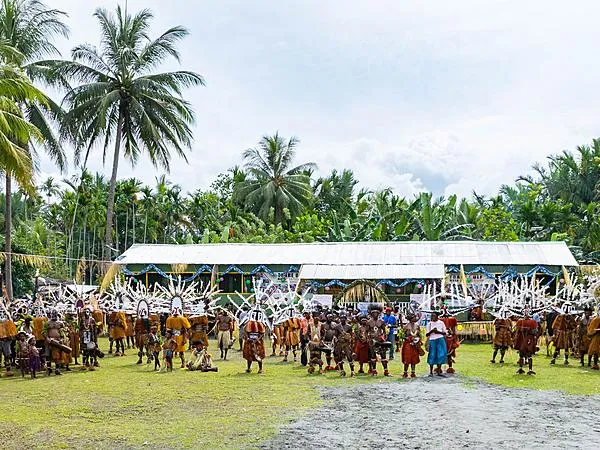
TOARE, Gulf Province — The Toare Mask Festival has been successfully revived through a collaboration between TotalEnergies, the National Cultural Commission (NCC), and the Gulf Provincial Government. The two-day cultural event, held on 12-13 July, marked the 20th anniversary of the festival and the official opening of the Toare Cultural Centre.
First established in 2005, the festival was celebrated annually until 2014. It was revived in 2022 and continues to grow in prominence as a signature cultural event for the Gulf Province.
This year’s celebrations began on 12 July 2025 with an official launch attended by Gulf Provincial Administrator Clement Tare, TotalEnergies Managing Director Arnaud Berthet, and European Union Ambassador to Papua New Guinea Jacques Fradin, along with other distinguished guests.
The following day saw the formal opening of the newly constructed Toare Cultural Centre, attended by Thomas Opa, member for Kerema Open and Minister for Finance; Alex Puki, research manager at the NCC (representing Executive Director Steven Enomb Kilanda); and Doris Apuka, representing UNESCO.
In his remarks, Minister Opa urged the local community to take ownership of the festival, stressing that it is not merely a cultural event but a vital expression of identity.
“We want the Toare Mask Festival to attract tourists from outside Papua New Guinea,” Minister Opa said. “The challenge over the past four to five years has been introducing international visitors to our unique culture through this traditional mask celebration.”
He also encouraged communities to preserve traditional knowledge and artefacts through the new facility.
“All the masks from the villages practising the mask culture must be stored at the cultural centre. We must understand the origins and purpose of each mask — this is an important event for us and must be promoted,” he added.
This year’s festival marked two decades since its inception and a major milestone in cultural preservation. The Toare Mask tradition is now undergoing nomination for inclusion on the UNESCO Intangible Cultural Heritage (ICH) List.
Following concerns about authenticity and the preservation of traditional masks, the NCC deployed two research officers to document the types of masks, their cultural significance, and the traditions associated with them. This research formed the basis for the formal nomination to UNESCO.
The Toare Mask tradition is the first from Papua New Guinea — and the wider Pacific region — to be nominated for inclusion on the UNESCO ICH List, a significant recognition of the country’s rich intangible heritage.
To support the nomination, the Toare Cultural Centre was established. Initial funding of USD 10,000 (PGK 41,169.20) was provided by UNESCO, followed by PGK 20,000 from the NCC as the state party. The Gulf Provincial Government later contributed an additional PGK 80,000 to expand the facility.
Speaking at the event, Alex Puki of the NCC said: “The National Cultural Commission has never partnered with an international organisation like UNESCO to build a cultural centre in a province. This is the first time such an initiative has been undertaken.”
“This achievement reflects our commitment to preserving and promoting Papua New Guinea’s cultural heritage at the community level,” Puki said. “Through this collaboration with UNESCO and the Gulf Provincial Government, we are not only safeguarding the Toare Mask tradition but also creating a permanent space for cultural learning.”
The Toare Cultural Centre is expected to play a vital role in cultural education, particularly for younger generations. Traditionally, masks were stored in family homes, where they were vulnerable to damage or loss. The new centre offers a secure and respectful space for their preservation
Follow on LinkedIn:
Pacific Business Review
Be the "First" to get our exclusive Digital Magazine & Weekly Newsletter.