








June 16, 2026

The Pacific Tourism Organisation (SPTO) has released its official Post-Event Report for the South Pacific Tourism Exchange (SPTE) 2026, highlighting record-breaking participation, stronger regional collaboration, and significant progress toward sustainable tourism development across the Pacific.

Held from March 24–26 at the Crowne Plaza Fiji Nadi Bay Resort and Spa, SPTE 2026 attracted more than 225 trade-floor participants, including 82 sellers representing 17 countries and territories, 60 international buyers from 16 countries, and eight ancillary providers.

The report revealed that the event achieved an 84 percent seller conversion rate, an increase of 16 percentage points from 2025, while facilitating a record 2,809 business-to-business meetings at an 80 percent booking rate — the highest figures recorded in the history of the exchange.

A notable highlight was the increased participation from Papua New Guinea, which expanded its presence from one seller in 2025 to seven sellers in 2026. The event also welcomed the Federated States of Micronesia for the first time, further broadening Pacific representation.

Development partner support enabled 11 tourism operators from Smaller Island States and Territories (SISTs) to participate, reinforcing SPTO’s commitment to inclusive regional development and ensuring that emerging destinations could access international tourism markets.

Several new initiatives were introduced during SPTE 2026, including the inaugural Industry Day, which attracted 93 participants and featured expert-led discussions on tourism trends and opportunities. The event also hosted a Women in Business Showcase, highlighting women-led tourism enterprises from six Pacific Island countries.

Media engagement exceeded expectations, with 10 media representatives from New Zealand, Australia, Fiji, and Italy generating more than 200 pieces of digital content before, during, and after the event.

SPTO Chief Executive Officer Christopher Cocker said the strong outcomes demonstrated the Pacific tourism industry's growing unity and readiness to compete in international markets.

“SPTE 2026 demonstrated that the Pacific’s unified approach to tourism is delivering real commercial value for our members,” Cocker said.

“The strong participation, high-quality meetings, and positive stakeholder feedback show that the region is moving forward with confidence, collaboration, and a clear commitment to sustainable, inclusive growth.”

Cocker acknowledged the contributions of industry stakeholders, member countries, tourism operators, and development partners who helped make the event a success. He also extended special appreciation to Fiji Airways, the event’s Platinum Partner, for its significant in-kind support, which enabled the hosted buyer programme and strengthened international participation across key source markets.

The SPTO Chief Executive further recognised the support of numerous sponsors and partners, including New Zealand Māori Tourism, UnionPay International, the Fiji Ministry of Tourism and Civil Aviation, South Sea Cruises, Vanuatu Tourism Office, Tahiti Tourisme, SPREP, Samoa Tourism Authority, Tourism Solomons, Tourism Fiji, Pacific Trade Invest Australia, South Pacific Pocket Guide, and several other industry supporters.

According to the report, stakeholder feedback indicated high satisfaction levels among participants and strong intentions to return for SPTE 2027.

Fiji has secured hosting rights for next year’s event, reaffirming its position as one of the Pacific region’s leading tourism hubs and reflecting confidence in the country’s capacity to deliver one of the region’s premier tourism business events.

The report recommends continued efforts to expand market reach, improve event operations, and strengthen support for Smaller Island States and Territories and emerging tourism operators.

SPTO said the results of SPTE 2026 demonstrate the growing strength and resilience of Pacific tourism and reinforce the value of regional collaboration in driving sustainable economic growth throughout the region.

June 16, 2026

Solomon Airlines has been granted an International Airline Licence by Papua New Guinea’s Department of Transport, clearing the way for the airline to commence direct services between Port Moresby and Honiara.

The licence was formally presented on 12 June 2026 by Papua New Guinea Secretary for Transport, Matthew Wowoni, to Solomon Islands High Commissioner to Papua New Guinea, His Excellency William Soaki, who received the document on behalf of Solomon Airlines during a handover ceremony in Port Moresby.

The approval marks a significant milestone in strengthening aviation connectivity and economic cooperation between Papua New Guinea and Solomon Islands, two of Melanesia’s closest neighbours.

Speaking at the ceremony, High Commissioner Soaki welcomed the issuance of the licence, describing it as a timely development amid growing travel demand between the two countries.

“The commercial licence comes at an important moment, as we observe a steady increase in passenger movement between our two capitals, reflecting deepening people-to-people links, growing business engagement, and expanding regional cooperation,” he said.

High Commissioner Soaki emphasized the strategic importance of the route, noting that improved air connectivity would benefit both nations through increased trade, tourism, and investment opportunities.

“This route is strategically significant not only for the mobility of our citizens, but also in supporting trade, tourism and investment,” he said.

He further highlighted the strong economic relationship between the two countries, noting that Solomon Islands hosts one of the largest concentrations of Papua New Guinean investment abroad.

“The activation of this traffic right will therefore contribute directly to strengthening economic integration and fostering closer ties between our private sectors and communities,” he added.

Secretary for Transport Matthew Wowoni also welcomed the development, saying the granting of the licence represents an important step in enhancing aviation links between Papua New Guinea and Solomon Islands.

The new service is expected to facilitate greater movement of people, goods, and services between the two countries while supporting broader regional integration objectives.

Solomon Airlines is scheduled to operate its inaugural flight to Jacksons International Airport in Port Moresby on 30 June 2026 under the newly approved licence.

Meanwhile, officials from Papua New Guinea and Solomon Islands are continuing preparations for the next round of bilateral Air Services Agreement (ASA) review meetings, which are tentatively scheduled to be held in Papua New Guinea in early August.

The launch of the direct air service is expected to further strengthen diplomatic, commercial, and people-to-people ties between the two Melanesian nations, while creating new opportunities for tourism, business, and investment across the region.

June 11, 2026

Fiji's expanding tourism sector is attracting growing interest from international investors, with more than $3 billion worth of tourism projects in the pipeline as the country works toward welcoming 1.25 million visitors and generating $4 billion in tourism earnings by 2027.

Speaking at the opening of the Asia-Pacific Hotel Industry Conference and Exhibition (AHICE) Fiji Investment in Tourism Summit 2026 at the Crowne Plaza Resort and Spa in Nadi, Deputy Prime Minister and Minister for Tourism and Civil Aviation Viliame Gavoka said tourism continues to be one of Fiji's most important economic drivers, supporting employment, investment and national growth.

Fiji welcomed 986,367 visitors in 2025 and generated $2.81 billion in tourism earnings, representing a 10.9% increase compared with the previous year.

The positive momentum has continued in 2026. Visitor arrivals reached 276,701 during the first four months of the year, an increase of 4.6% from the corresponding period in 2025, reflecting sustained demand from international travelers.

Gavoka said continued growth in visitor numbers is creating strong demand for new tourism infrastructure and accommodation capacity across the country.

To meet future demand, Fiji is expected to require about 4,000 additional hotel rooms. He disclosed that 53 tourism investment projects valued at a combined $3.1 billion are currently in the development pipeline.

Among the major projects under consideration or development are the Sofitel Fiji Resort & Spa Vatu Talei project, the expansion of Crowne Plaza at Wailoaloa, the Radisson Mirage Resort on Naisoso Island and several large-scale tourism developments on Koro Island.

The minister said Fiji is also attracting growing attention from leading global hospitality brands. Mandarin Oriental Hotel Group is exploring opportunities to acquire private islands in Fiji, while Kerzner International is planning a six-star luxury resort in the Yasawa Islands.

Gavoka said investor confidence has been strengthened by the passage of the Tourism Bill 2026, which modernizes Fiji's tourism framework for the first time in more than 50 years.

He described the legislation as a significant milestone for the industry, providing a more contemporary regulatory environment and greater certainty for investors seeking long-term opportunities in the country.

At the same time, he emphasized that future tourism growth would be guided by sustainability principles.

Under Fiji's National Sustainable Tourism Framework, tourism developments are expected to balance economic growth with environmental protection, cultural preservation and community benefits.

Gavoka said the government remains committed to ensuring tourism investment delivers inclusive outcomes while safeguarding Fiji's natural assets and cultural heritage.

"I invite you to seize these opportunities, engage with our team and partner with us to shape a future where tourism not only drives growth but empowers our people," he told delegates attending the summit.

The AHICE Fiji Investment in Tourism Summit brought together tourism leaders, hotel operators, investors and government representatives to explore emerging opportunities and discuss the future direction of Fiji's rapidly growing tourism sector.

June 10, 2026

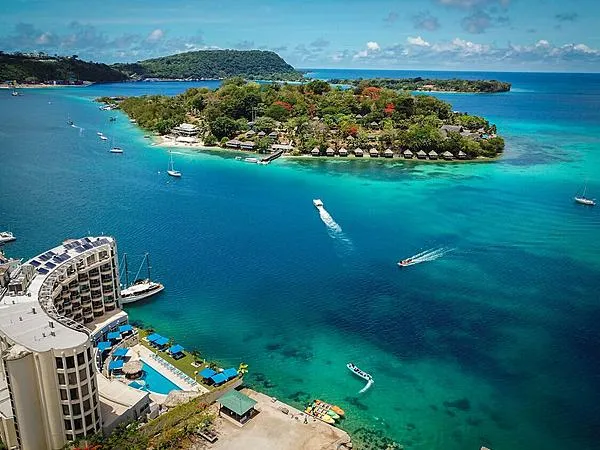
Vanuatu's tourism sector generated an estimated economic impact of USD 136 million in 2025, underpinned by strong visitor spending, high satisfaction levels and growing interest in sustainable travel, according to the latest International Visitor Survey.

The January-December 2025 International Visitor Survey was released by the Pacific Tourism Organisation (SPTO) in collaboration with the Vanuatu Tourism Office (VTO) under the Pacific Tourism Data Initiative, which is funded by the New Zealand government.

The survey analyzed 647 valid responses from 2,993 invitations, representing a 22 percent response rate and about 1 percent of Vanuatu's total international visitor arrivals during 2025.

The findings showed that Vanuatu remained a popular destination among international travelers, with 54 percent of respondents visiting the country for the first time. Holiday travel was the primary reason for visiting, followed by business travel and visits to friends and relatives.

Visitor satisfaction remained strong, with 93 percent of respondents saying they would recommend Vanuatu to others and 80 percent indicating they would return in the future.

The friendliness and hospitality of the Ni-Vanuatu people ranked among the most valued aspects of the visitor experience, alongside the country's cultural attractions, natural landscapes and adventure tourism offerings.

The survey also highlighted tourism's significant economic contribution. Visitors recorded average prepaid expenditure of USD 994 per trip, with an estimated USD 621, or 62.5 percent, flowing directly into the local economy. Average in-country spending reached USD 789 per visitor, supported by an average stay of nine nights.

Sustainability emerged as an increasingly important factor in travel decisions. Eighty-seven percent of respondents said sustainable and responsible tourism practices were important to them, while 62 percent said sustainability influenced their choice of accommodation providers and tour operators.

Visitors also reported observing eco-friendly initiatives and responsible tourism practices during their stay, reinforcing opportunities for Vanuatu to strengthen its position as a sustainable tourism destination in the Pacific.

Despite strong overall satisfaction levels, the survey identified several areas requiring further improvement, including airport processes, road infrastructure, pricing transparency and domestic transport connectivity.

SPTO Chief Executive Officer Christopher Cocker said the survey demonstrated the value of tourism data in supporting sustainable growth and informed decision-making.

"The International Visitor Survey provides more than just numbers — it tells the story of the visitor experience and gives destinations the evidence needed to make smarter tourism decisions," Cocker said.

He said the findings highlighted both Vanuatu's strengths and areas where continued investment would be required to enhance competitiveness and resilience.

Cocker added that sustainability was becoming a central consideration for travelers and would play an increasingly important role in the long-term success of Pacific tourism destinations.

VTO Chief Executive Officer Adela Issachar Aru said the results confirmed Vanuatu's ability to deliver meaningful visitor experiences through its people, culture and natural environment.

She said the survey would help inform future tourism planning and investment priorities, particularly in infrastructure, connectivity, sustainability and service delivery.

The report also highlighted growing local capacity in tourism research and destination intelligence, with the Vanuatu Tourism Office contributing 70 percent of the analytical content under the Pacific Tourism Data Initiative's collaborative reporting framework.

The International Visitor Survey forms part of SPTO's broader efforts to strengthen tourism data systems and evidence-based tourism management across Pacific Island destinations.

May 28, 2026

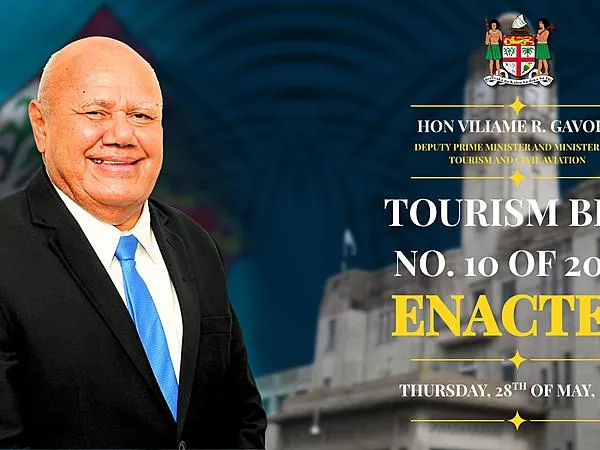
Fiji has enacted its first comprehensive tourism legislation, replacing the Hotel and Guest Houses Act 1973 with a broader regulatory framework aimed at supporting the long-term growth, governance and sustainability of one of the country’s most important economic sectors.

The Tourism Bill No. 10 of 2026 was passed into law on May 28, establishing the new Tourism Act 2026, which introduces updated provisions covering tourism enterprise registration, national tourism standards, sustainability and compliance measures, and protections for indigenous and cultural knowledge.

The legislation also seeks to strengthen participation by communities and micro, small and medium enterprises in the tourism sector, which remains a major contributor to employment, foreign exchange earnings and rural development in Fiji.

Deputy Prime Minister and Minister for Tourism and Civil Aviation Viliame Gavoka said the new law reflects the transformation of Fiji’s tourism industry over recent decades and aligns with the government’s broader tourism development strategy.

“Over the last 20 years, Fiji has doubled its visitor numbers. Our communities are more deeply involved in tourism than ever before, and the expectations of travellers and investors alike have changed significantly. It is time our laws reflected that reality,” Gavoka said.

Fiji now receives close to one million visitors annually, supported by a wide network of hotels, resorts, tour operators and community-based tourism experiences, including hiking, camping and short-term accommodation platforms such as Airbnb.

The previous legislation governing the sector dated back to the 1970s, when Fiji’s tourism industry was significantly smaller and less diversified.

The enactment of the Tourism Act also follows broader government efforts to strengthen tourism and aviation as central pillars of Fiji’s economic development strategy.

Earlier this year, Gavoka told Parliament that the ministry’s tourism development approach is guided by the “Five A’s” of tourism growth — access, accommodation, attractions, amenities and actors — aimed at ensuring infrastructure, investment and community participation work together to expand the sector.

Among the key initiatives under the strategy is the World Bank-supported Na Vualiku Tourism Development Programme, which seeks to unlock tourism potential in Vanua Levu through airport upgrades, improved infrastructure and expanded opportunities for local businesses.

Runway upgrades at Labasa Airport are expected to improve connectivity and boost investor confidence in Fiji’s northern region, while tourism development is also being expanded in maritime and rural areas, including the Lau group.

The Tourism Act 2026 also builds on earlier policy work by the government, including the Fiji Tourism Policy 2025–2035 and the Fiji Tourism Standards Framework Guidance Note, which were introduced as part of preparations for Fiji’s first dedicated tourism law.

Officials previously said the policy and standards framework would help establish clearer expectations around quality, sustainability, safety and service across the tourism industry while supporting responsible and inclusive growth.

The proposed framework is also expected to streamline tourism-related licensing, create greater consistency across regulations and clarify the roles of the Tourism Department and Tourism Fiji.

According to the government, the Tourism Act 2026 was developed through consultations with industry representatives, community groups, government agencies and tourism operators across the country.

“This legislation did not happen overnight,” Gavoka said. “It was shaped by the voices of communities, operators, and stakeholders from across the country.”

The Hotel and Guest Houses Act 1973 will be formally repealed once the new Tourism Act comes into force on a date to be determined by the minister.

The government said the new framework is intended to support sustainable tourism development while strengthening industry oversight and aligning the sector with current market expectations and investment trends.

May 25, 2026

The Pacific Tourism Organisation has selected Fiji as the host of the South Pacific Tourism Exchange, or SPTE, in 2027 following a vote by the organisation’s Board of Directors during a meeting in Nadi last week.

The decision came after the board considered expressions of interest from Fiji and Tahiti Tourisme to host the Pacific region’s flagship tourism trade event.

According to the SPTO, the board approved in principle Fiji as the venue for SPTE 2027 and directed the organisation’s secretariat to continue engagement with Fiji on final arrangements.

The outcome reinforces Fiji’s standing as a regional tourism hub and reflects industry confidence in the country’s ability to stage one of the Pacific’s largest tourism business events.

SPTE is regarded as the Pacific’s leading tourism marketplace, bringing together international buyers, tourism operators and national tourism offices from across the region. The annual event is aimed at strengthening partnerships, expanding visitor demand and generating business opportunities for Pacific tourism stakeholders.

SPTO Chief Executive Officer Christopher Cocker said the board’s decision highlighted Fiji’s continued leadership in regional tourism development.

“SPTE is one of the Pacific’s most important tourism platforms, and Fiji has consistently demonstrated its capability to host high-quality regional events that deliver real value to the tourism industry,” Cocker said.

“The Board recognised Fiji’s strong commitment to the current SPTE structure and its ongoing support for regional tourism collaboration. Hosting SPTE 2027 will provide another important opportunity to showcase not only Fiji, but the wider Pacific tourism product to international markets,” he added.

The board also acknowledged Fiji’s support for the current arrangement of holding the Fiji Tourism Exchange, or FTE, alongside SPTE, noting the operational and commercial benefits the format provides to tourism operators and international buyers.

During discussions, Fiji also proposed that if SPTE is hosted elsewhere in future years, the event should subsequently return to Fiji for the following two consecutive years, reflecting the country’s long-term commitment to regional tourism growth.

The announcement comes as Pacific tourism operators continue efforts to strengthen post-pandemic recovery, improve market visibility and deepen regional cooperation.

Further details on SPTE 2027, including dates and programme arrangements, are expected to be confirmed following consultations between SPTO and Tourism Fiji.

May 25, 2026

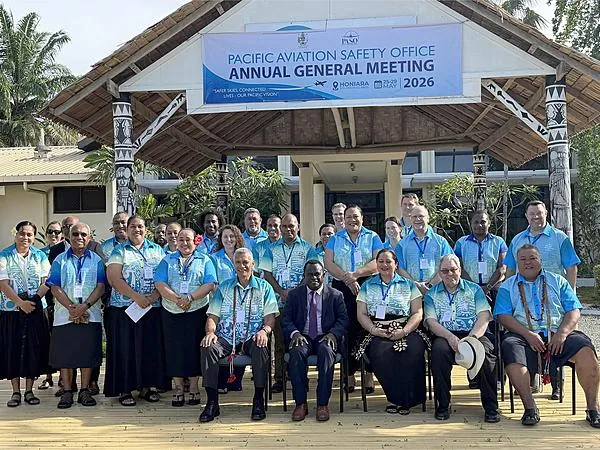
The Solomon Islands government has called for stronger regional cooperation to improve aviation safety and security across the Pacific during the opening of the 22nd Pacific Aviation Safety Office, or PASO, Council Meeting and Annual General Meeting in Honiara.

Speaking at the opening ceremony, Solomon Islands Minister for Communication and Aviation Frederick Kologeto said Pacific countries must work collectively to maintain safe and reliable air connectivity amid rising global and regional challenges.

The meeting, hosted in Honiara this week, brought together PASO council members, regional delegates and international aviation representatives under the theme “Safer skies, connected lives – Our Pacific Vision.”

Kologeto thanked PASO founding members for establishing the regional aviation safety framework and acknowledged the organisation’s council members, management and logistics teams for hosting the annual gathering in Solomon Islands.

He also recognised the Tandai House of Chiefs during a traditional welcome ceremony for visiting delegates.

Kologeto said aviation remains critical for Pacific economies and communities, linking remote island nations to trade, tourism and international markets.

“Aviation connects our people, supports our economies and enables participation in the global community,” he said.

The minister outlined several aviation projects currently being pursued by the Solomon Islands government, including the development of a 10-year aviation master plan focused on growth, resilience and sustainability.

He said the government is also upgrading and sealing provincial runways to support Dash 8 aircraft operations and improve domestic connectivity between Honiara and outer provinces.

Other initiatives include the construction of new air traffic control towers at Honiara International Airport and Munda Airport, as well as reviews of aviation legislation aimed at strengthening the country’s regulatory framework.

Kologeto said Pacific aviation faces increasing pressure from global instability, including volatility in fuel prices linked to ongoing conflict in the Middle East.

He said Pacific island countries are particularly vulnerable because of geographic isolation, long air routes and limited economies of scale.

“These pressures affect connectivity, affordability and the ability to sustain compliance with international safety and security standards,” he said.

Kologeto said aviation safety and security must remain closely aligned as Pacific states respond to emerging operational and regulatory risks.

He acknowledged PASO’s role in helping member states implement International Civil Aviation Organization, or ICAO, standards and recommended practices, but said additional progress was required across the region.

The minister endorsed the Comprehensive Oversight Implementation Framework, or COIF, and urged PASO to accelerate implementation to ensure all member countries receive support equitably.

“Solomon Islands, like many of our member states, is still awaiting its full turn under this initiative. No country should be left behind,” he said.

Kologeto also welcomed ICAO’s participation in the meeting, including workshops focused on aviation regulatory arrangements and institutional strengthening.

He said the ICAO Implementation Support Roadmap aligns with priorities identified during a recent regional ministers meeting aimed at strengthening PASO and accelerating aviation reforms across member states.

On discussions surrounding the Review of Regional Architecture, Kologeto said PASO should remain an independent regional aviation regulatory body.

“Any reforms must strengthen PASO, enhance its capability, and reinforce its mandate — not absorb or dilute it,” he said.

The minister called on regional leaders to strengthen PASO, fully implement COIF and reinforce aviation safety and security standards across the Pacific.

The 22nd PASO Council Meeting and Annual General Meeting concludes on Thursday in Honiara.

May 21, 2026

The Union of Hotels of New Caledonia has signed a statement of intent with the New Caledonian government to support preparations for the 14th Festival of Pacific Arts and Culture, or FESTPAC, scheduled to be held in the French Pacific territory in 2028.

The agreement was signed on May 21 by Mickaël Forrest and Philippe Etwiller as part of broader efforts to strengthen accommodation capacity and tourism readiness ahead of the regional cultural event.

According to the parties, the agreement aims to improve coordination between the government and the hotel sector to ensure delegations from Pacific countries and territories are accommodated under optimal conditions during FESTPAC 2028.

The partnership will focus on increasing the territory’s accommodation capacity, promoting Oceanian culture within tourist establishments, strengthening communications around the festival, improving the experience for delegates and visitors, and supporting the economic recovery of the hotel industry.

The government said FESTPAC represented a major opportunity to showcase New Caledonia’s cultural identity and tourism sector across the Pacific region and internationally.

Under the proposed cooperation framework, both parties will explore initiatives including the promotion of hotels and accommodation venues as spaces for cultural experiences, the development of dedicated FESTPAC travel packages, and the creation of a “FESTPAC 14 Partner Hotel” label offering tariff advantages for participating establishments.

The partnership will also seek to align the values of FESTPAC with sustainability goals and the promotion of local identity across participating hotel operators.

FESTPAC is one of the Pacific region’s largest cultural gatherings, bringing together artists, performers and cultural representatives from across Oceania to celebrate and preserve Indigenous and Pacific cultural heritage. The 14th edition will be hosted by New Caledonia in 2028.

May 15, 2026

The Pacific Tourism Organisation is advancing plans for a regional gender inclusion framework after the Pacific Private Sector Development Initiative presented a draft Gender and Inclusive Tourism Action Plan 2026–2030 during the organisation’s board meeting in Fiji.

The draft plan was presented by the Pacific Private Sector Development Initiative during a dedicated session at the SPTO board meeting in Nadi on 6 May.

During the session, National Tourism Organisations across the Pacific committed to identifying country-specific priority actions, pathways for private sector participation and practical implementation tools needed to operationalise the strategy.

The proposed Gender and Inclusive Tourism Action Plan, or GITAP, was developed following gender audits conducted by PSDI across nine tourism organisations in seven Pacific countries during the 2025 financial year.

According to the audits, many tourism organisations operate within broader national gender equality frameworks, but gender mainstreaming remains weakly integrated into tourism policies and programmes. The findings also highlighted limited formal gender action mechanisms and insufficient dedicated funding and resources.

The draft plan seeks to address these gaps through four priority areas: data and advocacy; inclusive tourism policy and planning; women’s economic empowerment; and institutional commitments.

Representatives attending the workshop included tourism officials and chief executives from American Samoa, Cook Islands, Fiji, French Polynesia, Kiribati, New Caledonia, Niue, Republic of the Marshall Islands, Solomon Islands, Tonga, Tuvalu and Vanuatu.

The meeting followed an earlier webinar held on 28 April where National Tourism Organisations were briefed on the draft plan and findings from the regional gender audits.

PSDI also held a separate planning session with SPTO staff to establish implementation responsibilities, timelines and the scope of a forthcoming Gender and Inclusive Tourism Toolkit intended to support member countries.

Christina Gale, SPTO’s sustainable tourism manager, said the discussions focused on identifying practical and realistic measures for implementation.

“The discussions helped identify practical steps SPTO can take to support members and strengthen implementation,” Gale said.

The action plan aims to shift Pacific tourism organisations away from isolated gender initiatives toward a coordinated regional framework that recognises the role of women, people with disabilities and under-represented groups in driving sustainable tourism growth.

PSDI said it would submit the final GITAP to SPTO in June 2026, after which responsibility for implementation will transition to SPTO under its Pacific Sustainable Tourism Policy Framework.

May 15, 2026

Fiji Airports has received the 2026 Green Airports Recognition Platinum Award for its Wailoaloa Mangrove Restoration Project at Nadi International Airport, highlighting growing regional focus on climate adaptation and environmental resilience in the aviation sector.

The award was presented during the Airports Council International Asia-Pacific and Middle East Regional Assembly, Conference and Exhibition in Bangkok, Thailand. Mesake Nawari accepted the award on behalf of the organisation.

The Green Airports Recognition programme, organised by Airports Council International Asia-Pacific and Middle East, recognises airports implementing climate change adaptation initiatives across the Asia-Pacific and Middle East regions. The 2026 awards attracted 33 submissions and marked the programme’s 10th edition.

Nadi International Airport received the Platinum Award in the category for airports handling fewer than five million passengers annually. Other winners included airports in Hong Kong, New Zealand, Australia, India and Saudi Arabia.

According to Fiji Airports, the Wailoaloa Mangrove Restoration Project was launched to help protect coastlines surrounding the airport while supporting biodiversity, environmental sustainability and climate resilience.

The initiative brought together Fiji Airports staff, families, volunteers, community members and partner organisations in mang

rove planting activities around Wailoaloa.

Nawari said the project demonstrated how community-led environmental initiatives could contribute to long-term coastal protection and climate adaptation efforts.

The award comes as airports across the Asia-Pacific region increasingly invest in infrastructure and environmental measures designed to address climate risks including flooding, storm surges, extreme weather and water scarcity.

May 15, 2026

The Pacific Tourism Organisation has intensified engagement in regional institutional reform discussions, with its board emphasising the importance of maintaining a dedicated regional mechanism for tourism governance in the Pacific.

During a board meeting held last week in Nadi, Fiji, directors received an update on the ongoing Review of the Regional Architecture process from Esala Nayasi, deputy secretary-general of the Pacific Islands Forum Secretariat.

The review is examining institutional arrangements across the Pacific region and includes consultations with governments, stakeholders and industry groups.

Board members also reviewed findings from the organisation’s industry survey and stakeholder engagement process, which highlighted strong support for retaining a stand-alone regional tourism mechanism to coordinate advocacy, policy engagement and sector development across Pacific economies.

The board approved the release of a new industry advocacy video and survey findings to stakeholders as part of SPTO’s contribution to broader regional discussions on the future governance structure for tourism.

According to SPTO, the campaign underscores tourism’s importance as one of the Pacific’s major economic sectors and argues for continued specialised regional coordination and technical support.

The organisation noted that tourism across the Pacific is heavily driven by the private sector, with industry representation embedded within SPTO’s governance structure through its Council of Tourism Membership and Board of Directors.

SPTO also highlighted tourism’s economic significance alongside sectors such as fisheries, which already benefit from dedicated regional institutional arrangements.

The board said specialised mechanisms are needed to effectively address the priorities and economic contributions of both sectors.

Tourism remains a major contributor to Pacific economies, supporting employment, business activity, government revenue and community development throughout the region.

SPTO said regional coordination remains particularly important in areas including sustainability, climate resilience, connectivity, investment and post-pandemic tourism recovery.

May 11, 2026

The Pacific Tourism Organisation (SPTO) and the Secretariat of the Pacific Regional Environment Programme (SPREP) will launch the third phase of their programme aimed at reducing single-use plastics across the Pacific tourism sector, with implementation expected to begin in July or August this year.

The initiative, supported by the Australian government-funded Pacific Ocean Litter Project, will focus on data collection and monitoring to help tourism operators better measure, reduce and report their plastic use.

The announcement was made during the SPTO Board of Directors meeting held in Nadi, Fiji, on May 6. Organisers also launched a supplier directory featuring sustainable alternatives to single-use plastics for tourism businesses across the Pacific.

According to SPTO and SPREP, the third phase will provide tourism operators with practical tools to map and track their plastic footprint, assess the impact of reduction strategies and report environmental progress. The programme is designed to strengthen sustainability practices while improving accountability within the tourism industry.

The organisations said the initiative responds to increasing concerns over plastic pollution in Pacific coastal and marine environments, which continue to threaten ecosystems and tourism-dependent economies across the region.

Since 2023, SPTO and SPREP have worked together to advance Goal 4 of the Pacific Sustainable Tourism Policy Framework, known as “Healthy Islands, Healthy Oceans”, through efforts targeting problematic single-use plastics in the tourism sector.

SPREP representative Seiuli Dwayne Bentley said Pacific island countries were already experiencing the impacts of climate change, biodiversity loss and pollution, with plastic waste posing a growing threat to marine and coastal environments.

“Through the Pacific Ocean Litter Project, we are supporting countries to move beyond commitments and into practical solutions that eliminate plastics and protect our oceans,” Bentley said.

Under Phase 3, support for tourism businesses from the third quarter of 2026 will include systems to help operators quantify plastic usage, implement targeted reduction measures and monitor results over time.

SPTO Chief Executive Officer Chris Cocker said the programme aimed to provide tourism operators with practical tools and resources to support sustainability efforts while responding to changing market expectations.

“This is about giving our tourism operators the tools to act,” Cocker said. “The awareness campaign builds understanding, the supplier list provides immediate alternatives, and Phase 3 introduces the systems needed to measure and demonstrate progress.”

May 07, 2026

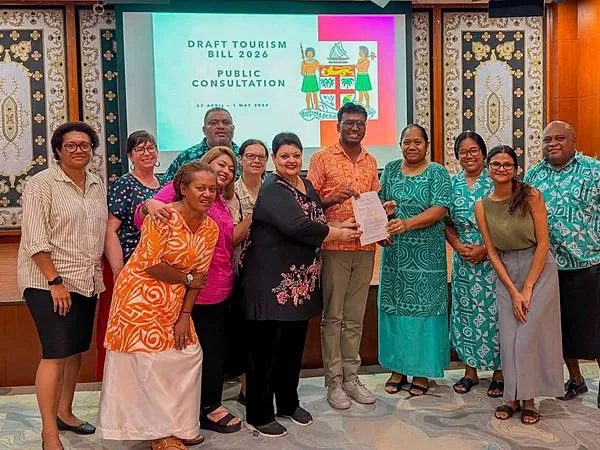
The Fiji Ministry of Tourism and Civil Aviation has concluded nationwide public consultations on the Draft Tourism Bill 2026, marking a key step toward establishing the country’s first comprehensive tourism legislation.

Consultations were conducted across major tourism centres including Suva, Sigatoka, Nadi, Rakiraki, Labasa and Savusavu, with participation from tourism operators, community representatives and members of the public.

The ministry said the consultation process formed part of the government’s commitment to inclusive and transparent law-making aimed at ensuring the legislation reflects the needs and priorities of stakeholders across the tourism industry.

According to the ministry, the proposed Tourism Bill 2026 is designed to strengthen governance of the tourism sector while introducing tourism standards and supporting sustainable industry development.

The legislation also seeks to improve the resilience and competitiveness of Fiji’s tourism industry, one of the country’s key economic sectors and a major source of employment and foreign exchange earnings.

Officials said feedback gathered during the consultations would help refine the draft legislation before its finalisation.

The ministry thanked participants for their contributions and encouraged stakeholders to continue providing written submissions, which remain open until 7 May 2026.

The draft bill is available through the Ministry of Tourism and Civil Aviation’s official channels.

May 04, 2026

The Pacific Tourism Organisation (SPTO), in partnership with the Pacific Private Sector Development Initiative (PSDI) and with support from the Asian Development Bank (ADB), has advanced regional efforts to embed gender equality across the tourism sector with the review of its draft Gender and Inclusive Tourism Action Plan (GITAP) 2026–2030.

The initiative was presented during a regional webinar, marking a key step toward strengthening inclusivity and equity in one of the Pacific’s most important economic sectors.

Persistent gender gaps despite workforce participation

Recent gender audits across seven national tourism organisations (NTOs) and SPTO revealed a mixed picture of progress and structural challenges.

While women account for more than half of the workforce in accommodation and food services, they remain concentrated in lower-paid roles. In the private sector, women hold just 21 percent of board positions, highlighting limited representation in decision-making roles.

By contrast, NTOs have achieved greater gender balance, with women occupying around 50 percent of leadership roles.

However, all nine organisations assessed reported little to no dedicated budget for gender-focused initiatives, pointing to a gap between policy intent and institutional support.

Four-pillar roadmap for inclusive tourism

The draft GITAP 2026–2030 outlines a regional framework anchored on four key pillars:

  • data monitoring and advocacy
  • policy and planning for inclusive tourism
  • women’s economic empowerment and private sector engagement
  • institutional commitments in human resources and organisational culture

The plan is designed as a practical, regionally owned roadmap to guide governments, tourism bodies and private sector stakeholders in embedding gender equality into tourism development.

SPTO Chief Executive Officer Christopher Cocker emphasised the need to translate data into action, noting that tourism plays a central role in Pacific economies and communities.

“A resilient and inclusive tourism sector requires gender equality to be embedded across policy, budgeting, and organisational culture,” he said.

Aligning with broader regional policy goals

The initiative aligns with Goal 2 of the Pacific Sustainable Tourism Policy Framework, which focuses on building “thriving and inclusive communities.”

Tourism remains a critical economic driver across Pacific island economies, contributing to employment, foreign exchange earnings and community livelihoods.

However, sector growth has also exposed structural issues, including limited access to finance, weak data systems and uneven participation across gender groups.

The gender audit process supporting the action plan has established a regional evidence base, including synthesis reports, national-level assessments and a gender mainstreaming toolkit to guide implementation.

From consultation to implementation

Stakeholders participating in the webinar provided early feedback on the draft plan, ensuring it reflects national contexts and diverse perspectives across Pacific economies.

The framework is expected to be further discussed at upcoming SPTO board-level engagements, with a focus on transitioning from policy design to implementation.

SPTO acknowledged the contributions of ADB and PSDI in advancing the initiative, particularly in strengthening technical capacity and supporting evidence-based policymaking.

Toward a more inclusive tourism sector

The development of the GITAP signals a broader shift toward inclusive and sustainable tourism in the Pacific, where gender equality is increasingly recognised as a core driver of long-term resilience.

By integrating gender considerations into policy, planning and operations, the region aims to ensure that tourism growth delivers more equitable economic opportunities and social outcomes.

The initiative also underscores the importance of institutional commitment, particularly in aligning budgets, policies and organisational practices with inclusivity goals.

As Pacific economies continue to rebuild and expand their tourism sectors, the success of the strategy will depend on sustained coordination between governments, industry stakeholders and development partners.

April 29, 2026

New Caledonia is moving to strengthen the governance and regional positioning of its cultural sector, following a high-level steering committee meeting focused on major events and policy reforms.

Mickaël Forrest, the government member in charge of culture, chaired the third meeting of the steering committee for large cultural events at Canala City Hall on April 28, as authorities push to better coordinate and elevate cultural programming across the territory.

The committee—established in March this year—serves as a central platform to align institutions, streamline resources and support flagship cultural initiatives with economic and social impact.

At the meeting, officials reviewed regulatory developments, including the presentation of a Governance Evolutionary Plan aimed at improving efficiency and reducing operational costs across cultural agencies. A key component of this reform agenda is the proposed merger of the Agency for Development of Kanak Culture and the Academy of Kanak Languages, seen as a step toward consolidating expertise and strengthening institutional capacity.

The committee was also briefed on a draft law on traditional knowledge, presented to government on April 29, which seeks to establish a legal framework to recognize, protect and promote indigenous knowledge systems. The initiative reflects broader regional efforts to safeguard cultural heritage while enabling its sustainable use.

Regional cooperation featured prominently in discussions, with the Pacific Community’s culture team outlining progress under the Regional Culture Strategy 2022–2032 and preparations for the 14th Pacific Arts and Culture Festival, which New Caledonia will host in 2028.

The festival, widely regarded as the Pacific’s largest cultural gathering, is expected to anchor the territory’s cultural calendar and drive momentum for related events in the lead-up years.

These include the third Caledonia Festival, the Days of the Caledonian Bath, the Night of Museums, the International Ocean Book Fair, the Week of Native Languages and New Caledonia’s participation in the eighth Melanesian Arts and Culture Festival in Fiji.

Officials said preparations for FESTPAC will serve as a unifying framework for the territory’s cultural programming, with an emphasis on regional engagement, heritage preservation and creative industry development.

The latest meeting signals a more structured approach to cultural policy in New Caledonia, as authorities seek to position the sector not only as a vehicle for identity and heritage, but also as a contributor to economic activity and regional integration.

March 30, 2026

The Government for National Unity and Transformation is reporting renewed momentum in the tourism sector, with four new hotels and accommodation facilities opening in the first quarter of 2026, signalling increased investor confidence and sectoral growth.

The new developments include Zaru Hotel in Gizo, Western Province; Double Island Resort and Raiders Hotel in Tulagi, Central Islands Province; and Paringiju Inland Mountain Lodge on Guadalcanal.

Authorities said the projects reflect strengthened collaboration between the Ministry of Culture and Tourism and local investors, aimed at expanding tourism infrastructure and enhancing the country’s appeal as a destination.

Permanent Secretary Bunyan Sivoro said in a quarterly update last week that the government has intensified its support for the sector, with tangible results now emerging.

“We have stepped up and elevated our support and commitment to this important sector, and we are now seeing real and encouraging results,” Sivoro said.

The new investments have introduced higher-end, internationally competitive accommodation options, improving visitor experience and positioning the Solomon Islands more strongly in the global tourism market.

In parallel, flagship tourism projects such as the Bloody Ridge National Historical Park and the Haus No. 1 Museum in Tulagi are progressing, further strengthening the country’s cultural and historical tourism offerings.

The destination has also been rebranded as “Hapi Isles”, a campaign designed to capture the warmth and spirit of the Solomon Islands and its people.

“The Ministry of Culture and Tourism remains fully committed to developing tourism as a key driver of economic growth, job creation and national development,” Sivoro said.