The Pacific Tourism Organisation is advancing plans for a regional gender inclusion framework after the Pacific Private Sector Development Initiative presented a draft Gender and Inclusive Tourism Action Plan 2026–2030 during the organisation’s board meeting in Fiji.
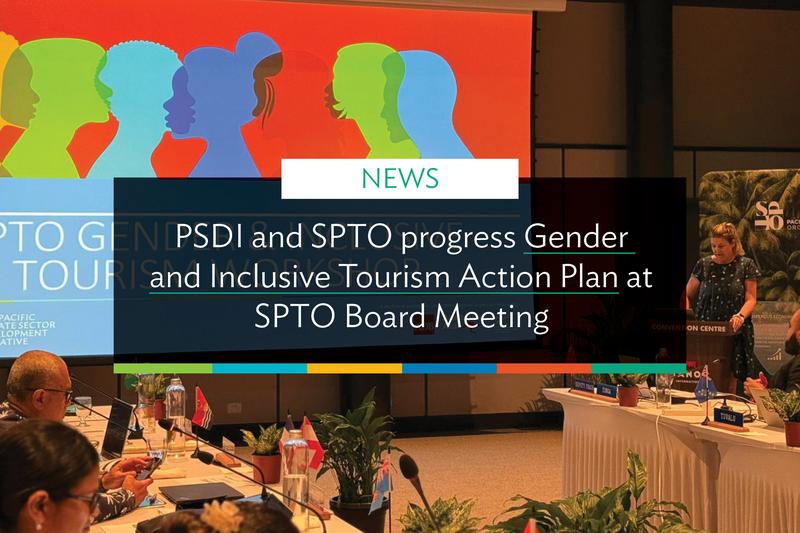
The draft plan was presented by the Pacific Private Sector Development Initiative during a dedicated session at the SPTO board meeting in Nadi on 6 May.
During the session, National Tourism Organisations across the Pacific committed to identifying country-specific priority actions, pathways for private sector participation and practical implementation tools needed to operationalise the strategy.
The proposed Gender and Inclusive Tourism Action Plan, or GITAP, was developed following gender audits conducted by PSDI across nine tourism organisations in seven Pacific countries during the 2025 financial year.
According to the audits, many tourism organisations operate within broader national gender equality frameworks, but gender mainstreaming remains weakly integrated into tourism policies and programmes. The findings also highlighted limited formal gender action mechanisms and insufficient dedicated funding and resources.
The draft plan seeks to address these gaps through four priority areas: data and advocacy; inclusive tourism policy and planning; women’s economic empowerment; and institutional commitments.
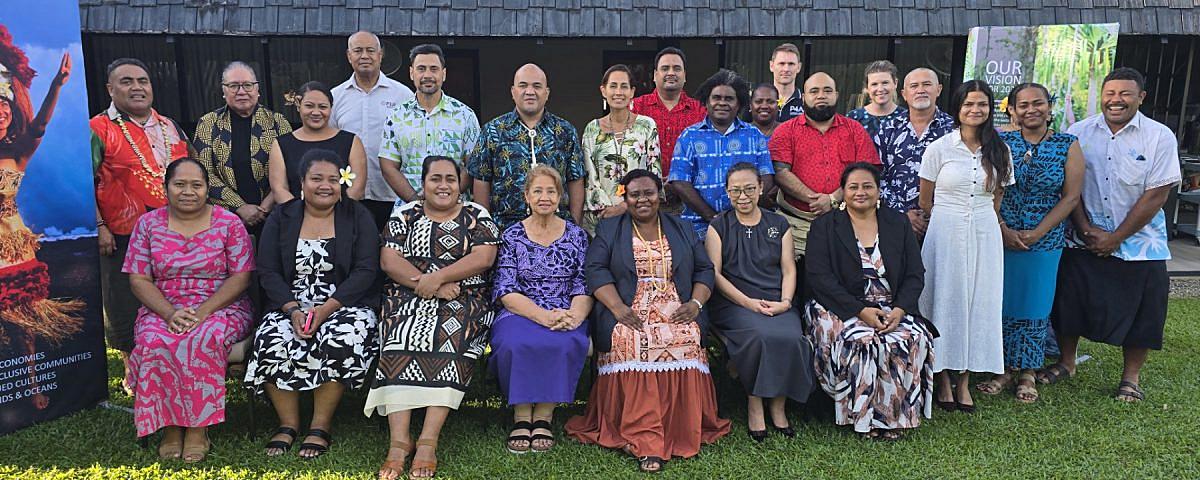
Representatives attending the workshop included tourism officials and chief executives from American Samoa, Cook Islands, Fiji, French Polynesia, Kiribati, New Caledonia, Niue, Republic of the Marshall Islands, Solomon Islands, Tonga, Tuvalu and Vanuatu.
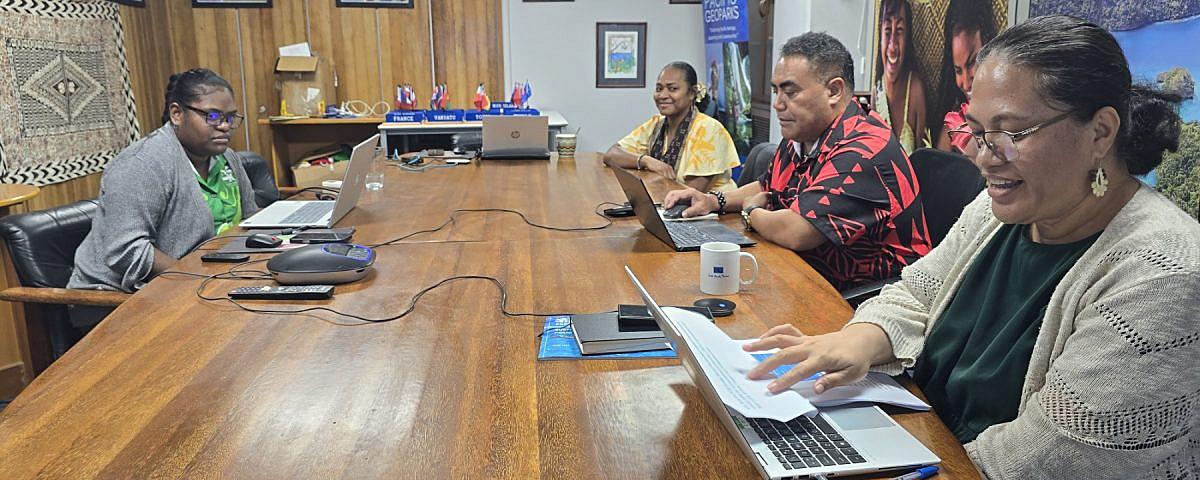
The meeting followed an earlier webinar held on 28 April where National Tourism Organisations were briefed on the draft plan and findings from the regional gender audits.
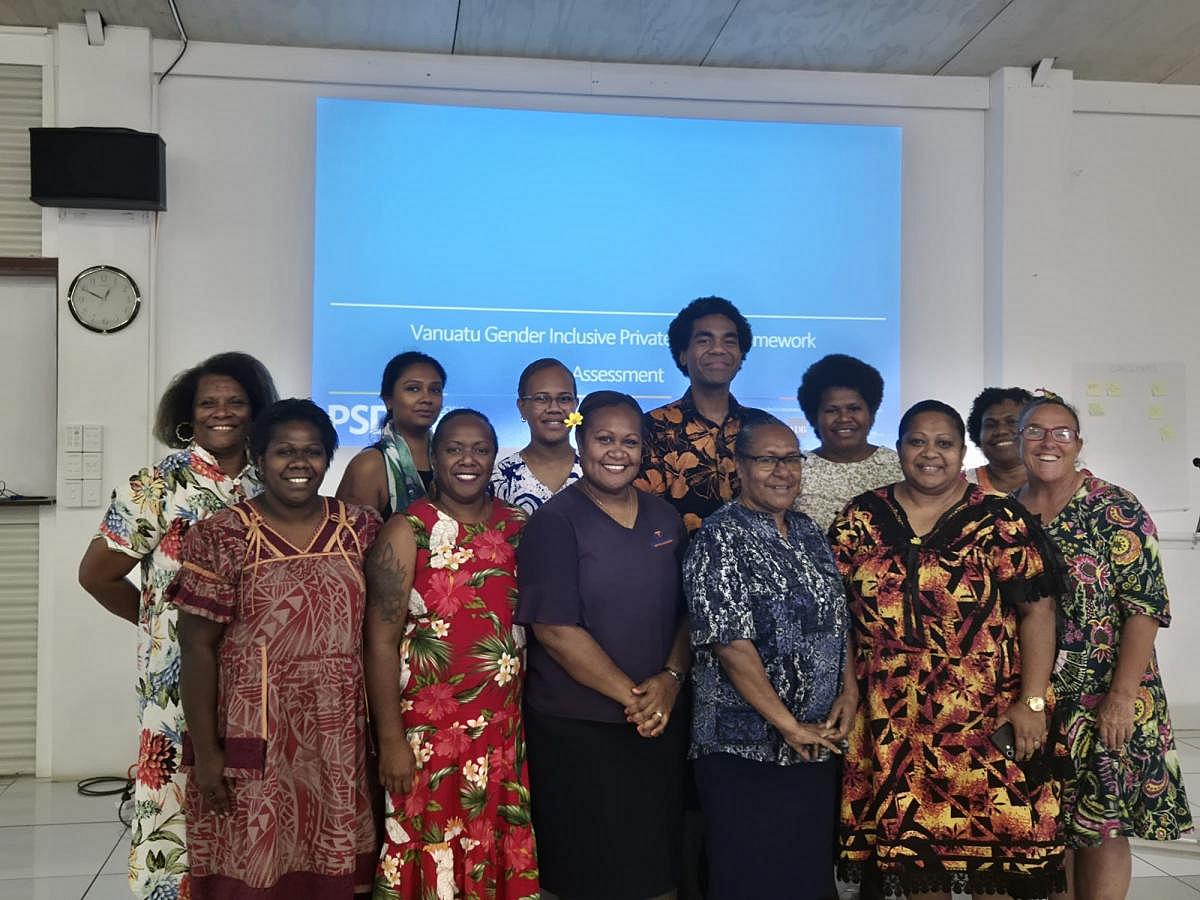
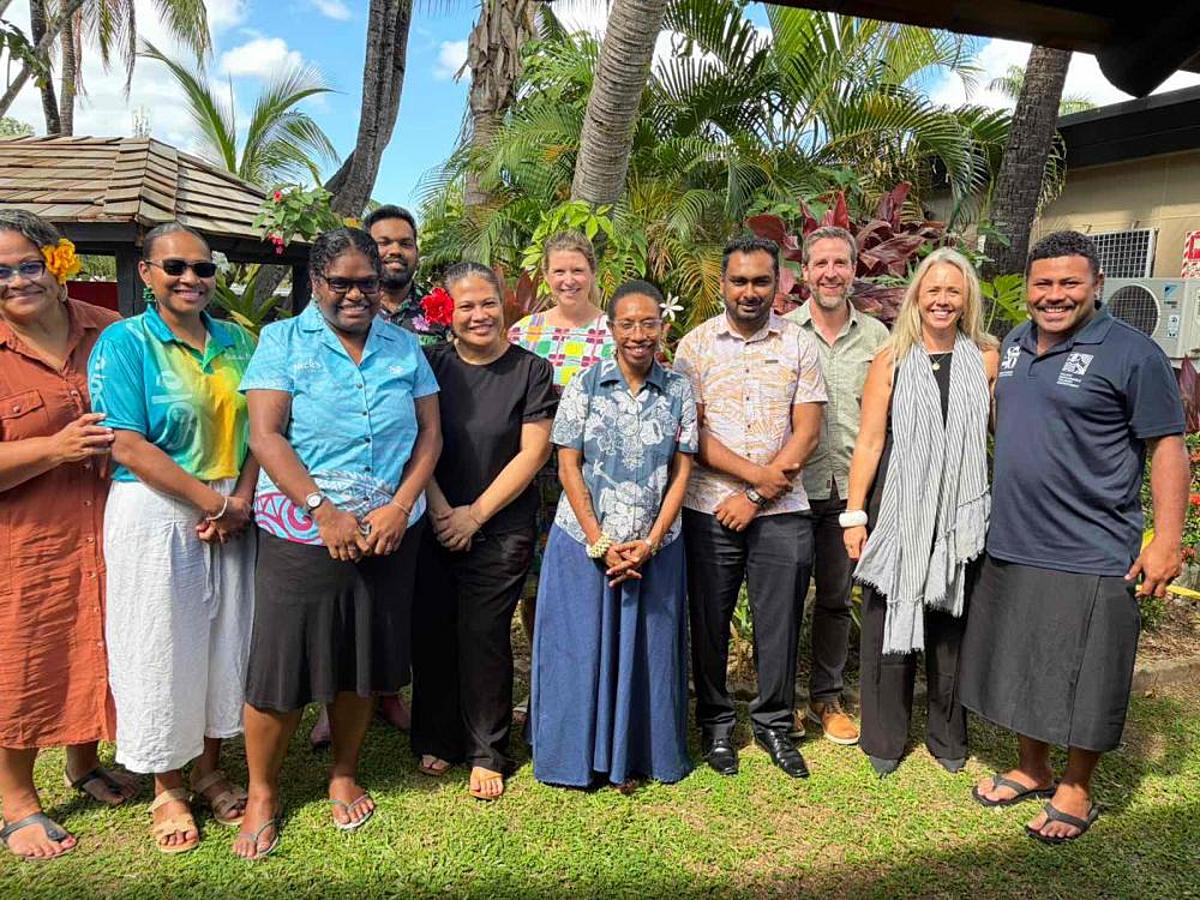
PSDI also held a separate planning session with SPTO staff to establish implementation responsibilities, timelines and the scope of a forthcoming Gender and Inclusive Tourism Toolkit intended to support member countries.
Christina Gale, SPTO’s sustainable tourism manager, said the discussions focused on identifying practical and realistic measures for implementation.
“The discussions helped identify practical steps SPTO can take to support members and strengthen implementation,” Gale said.
The action plan aims to shift Pacific tourism organisations away from isolated gender initiatives toward a coordinated regional framework that recognises the role of women, people with disabilities and under-represented groups in driving sustainable tourism growth.
PSDI said it would submit the final GITAP to SPTO in June 2026, after which responsibility for implementation will transition to SPTO under its Pacific Sustainable Tourism Policy Framework.