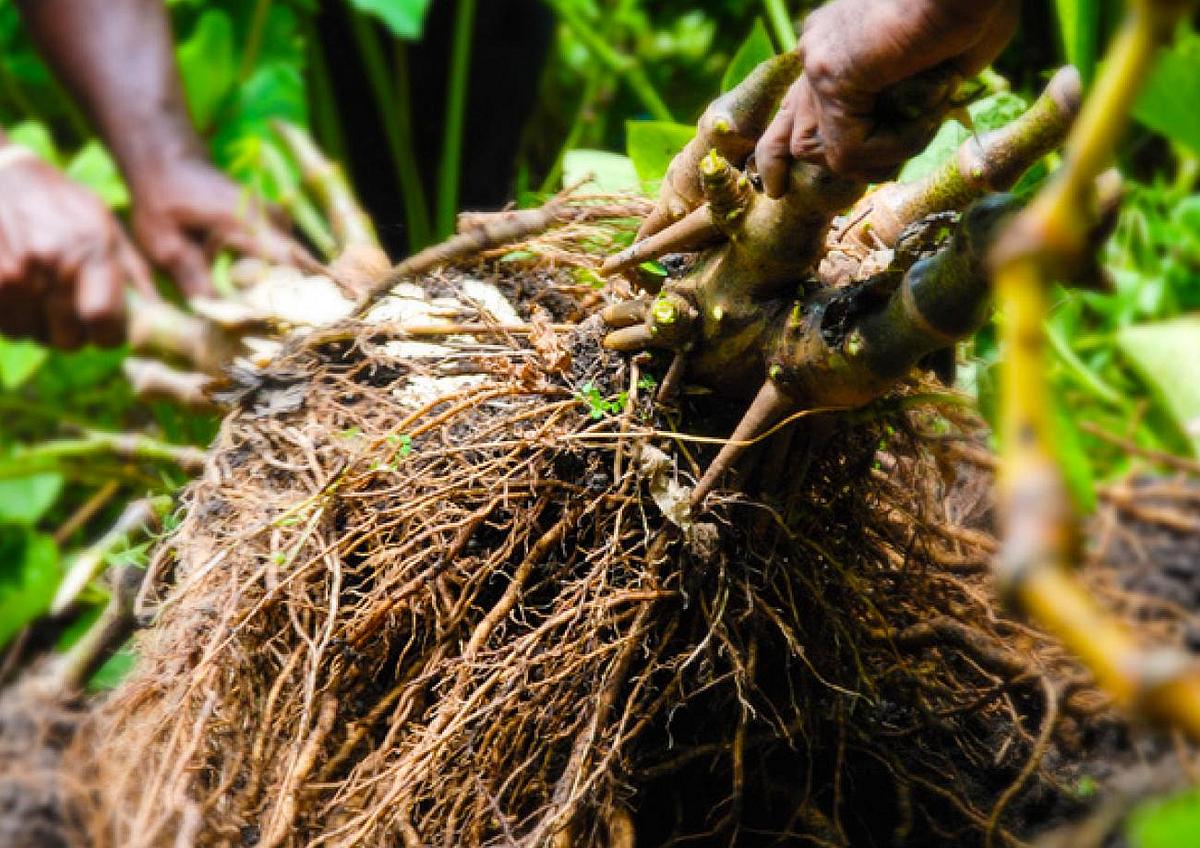
Australia’s imports of Pacific kava remained elevated in the first quarter of 2026 despite a decline from late-2025 levels, as exporters continued to benefit from expanded market access under Australia’s Kava Pilot Program.
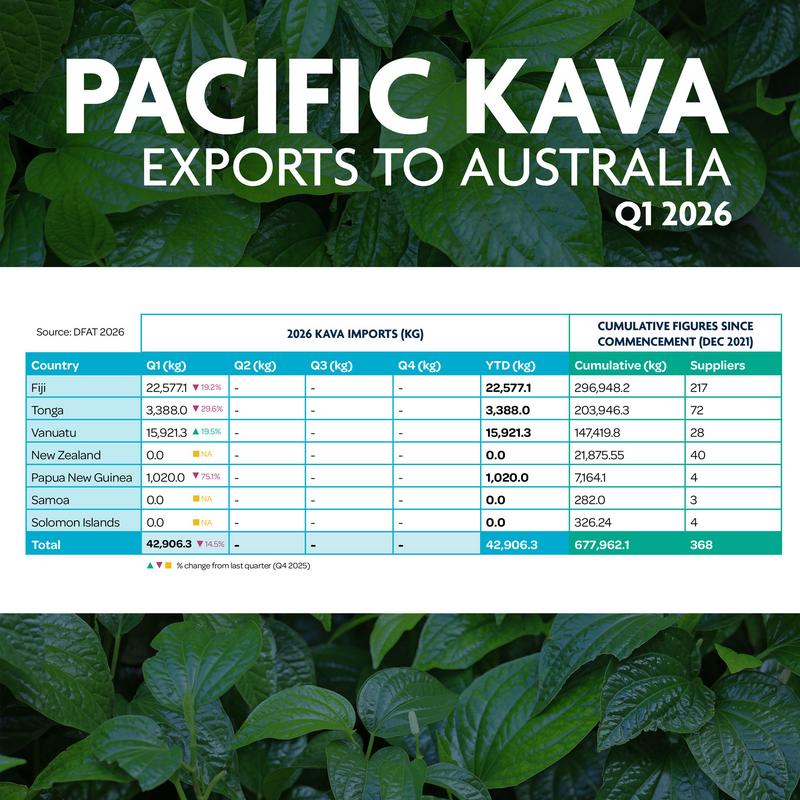
According to a quarterly update released by Pacific Trade Invest Australia, Australia imported 42,906 kilograms of kava during the January-to-March quarter, down 14.5 percent from 50,161 kilograms in the previous quarter.
However, import volumes were still 24 percent higher than the 34,548 kilograms recorded in the first quarter of 2025, indicating continued year-on-year growth in demand for Pacific kava products.
Fiji remained the largest supplier to the Australian market, exporting 22,577 kilograms during the quarter through 217 registered businesses. Vanuatu recorded the strongest quarterly growth performance, shipping 15,921 kilograms, up 19.5 percent from the previous quarter and marking the country’s highest quarterly export volume to date.
The report noted that Vanuatu’s exports had increased consistently quarter-on-quarter throughout 2025 and into 2026, except for a slight dip in the fourth quarter of 2025, reinforcing its position as Australia’s second-largest Pacific kava supplier by volume.
Tonga exported 3,388 kilograms during the quarter, while Papua New Guinea shipped 1,020 kilograms. Smaller cumulative volumes were also recorded from Samoa and Solomon Islands.
Australia’s Kava Pilot Program was launched in 2019 and gradually expanded to allow commercial imports from Dec. 1, 2021. The initiative was designed to improve market access for Pacific exporters while maintaining import controls and food safety standards.
Under the current arrangements, exporters must comply with Australian food safety, packaging and labelling requirements, while importers may also require permits from Australia’s Office of Drug Control depending on shipment volumes and intended use.
The report said evolving consumer preferences were increasingly shaping the market, particularly demand for high-quality and consistently processed kava products linked to the wellness and functional beverage sectors.
Sergine Morin Tahun, owner and director of Tahun Kava Export, said consumers were becoming more informed about kava quality and sourcing standards.
“The biggest opportunities right now include the growing demand for high-quality, clean, and consistent kava products in markets like Australia,” Tahun said.
She added that exporters continued to face challenges related to freight costs, compliance procedures and maintaining reliable supply chains from Pacific island producers.
Pacific Trade Invest Australia said the market was becoming increasingly sophisticated, with compliance, quality assurance and consumer education emerging as critical factors alongside export volumes.