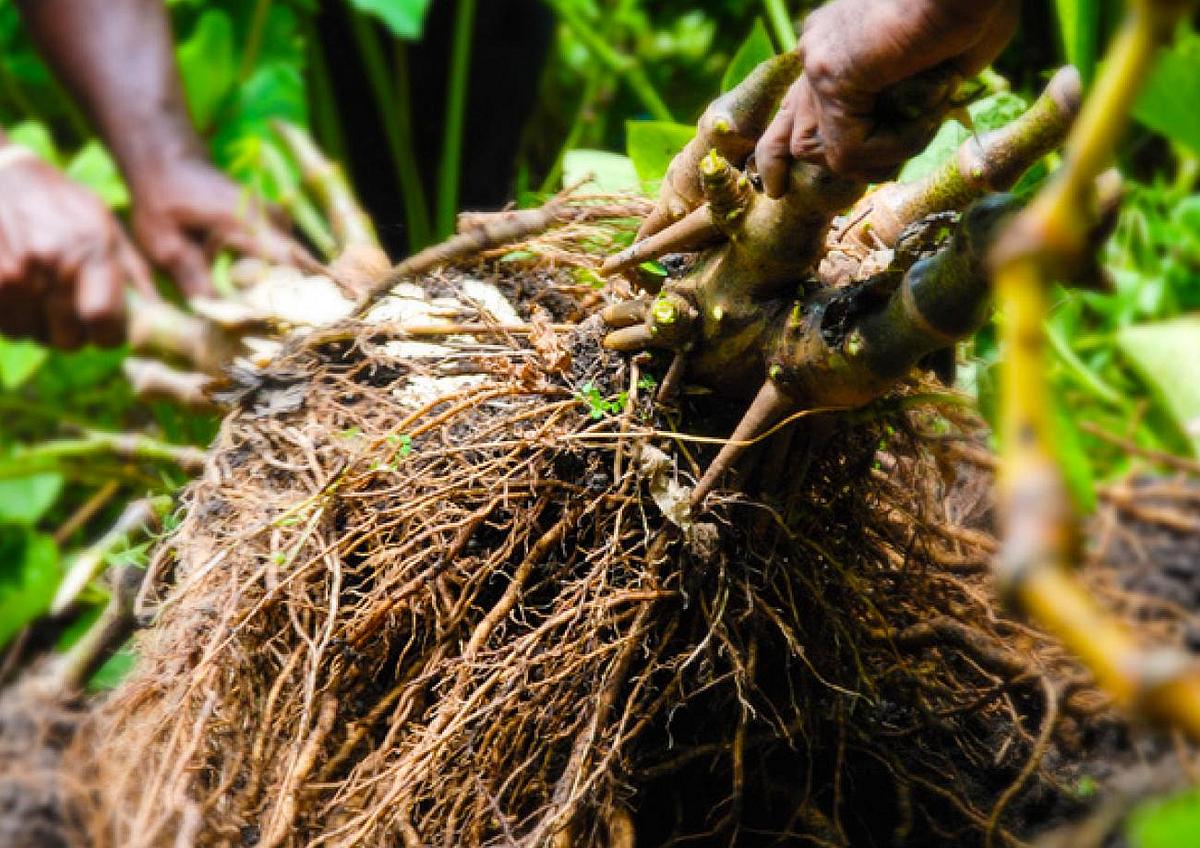
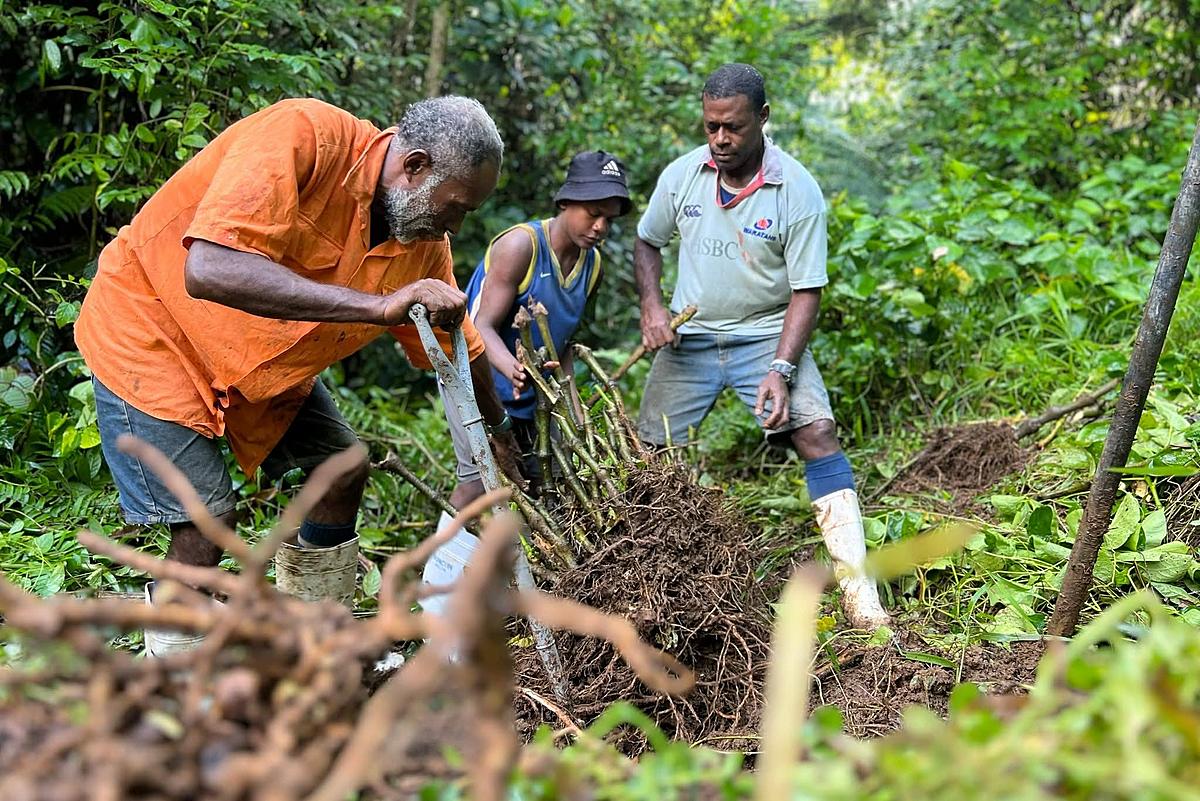
Fiji’s kava industry has transformed into the country’s top agricultural export over the past 15 years, with export earnings exceeding FJD53 million and supporting more than 14,500 farming households.
The shift from subsistence production to a commercialised export sector has been driven by rising demand in key markets including Australia, New Zealand and the United States, alongside improvements in quality standards and supply chains.
Export growth underpinned by policy and market reforms
The expansion reflects sustained support from the Pacific Horticultural and Agricultural Market Access Plus Program, which has worked with the Government of Fiji and industry stakeholders to strengthen biosecurity, plant health and export readiness.
Interventions have included the development of national quality standards, certification systems and support for market access initiatives, particularly Australia’s commercial kava import framework introduced in 2019.
The programme has enabled more than 5,500 farming households to access international markets, contributing to higher rural incomes and increased export volumes.
Industry scaling with new production models
The sector’s current growth phase, which began around 2021, is characterised by product diversification, improved quality assurance and entry into mainstream retail channels.
Green kava processing has emerged as a key innovation, reducing processing time and increasing income across supply chains. One model has delivered income gains of about 26% among participating households, alongside broader productivity improvements.
Fijian kava products are now stocked in major retail outlets in Australia, marking a shift from informal trade to formal commercial distribution.

Economic role expands beyond exports
The broader kava economy is estimated to exceed FJD190 million when domestic consumption and informal trade are included, reinforcing its role as a key rural livelihood across major growing regions such as Kadavu, Bua and Cakaudrove.
The sector has also demonstrated resilience despite past shocks, including export bans, climate impacts and cyclone damage, with recovery driven by stronger systems and rising global demand.
Sustainability risks remain
Despite rapid growth, stakeholders warn of structural risks that could affect long-term stability.
These include plant health threats such as dieback disease and nematodes, the need for stronger regulatory frameworks, and limited industry coordination.
Gender disparities also persist, with women underrepresented in commercial production and trade.
The report calls for continued reforms in regulation, plant health management and industry organisation to sustain growth and avoid future boom-bust cycles.