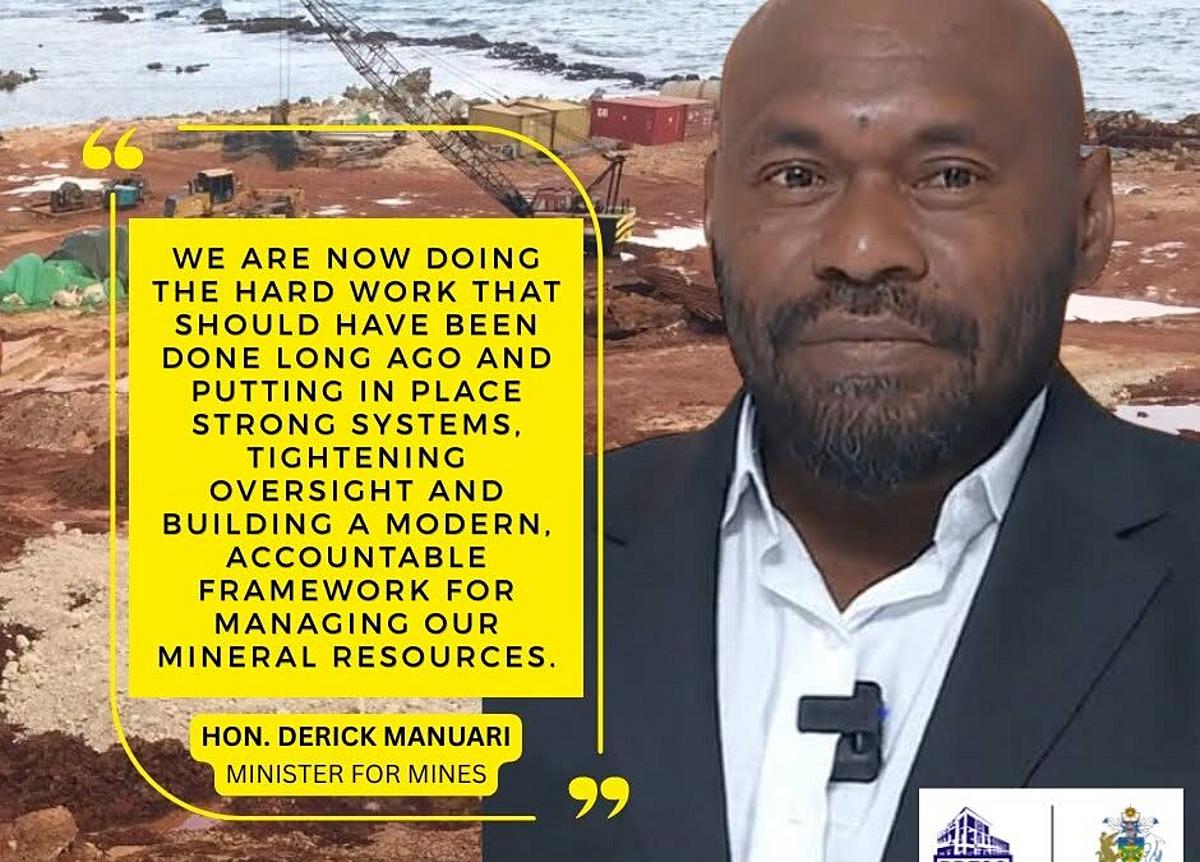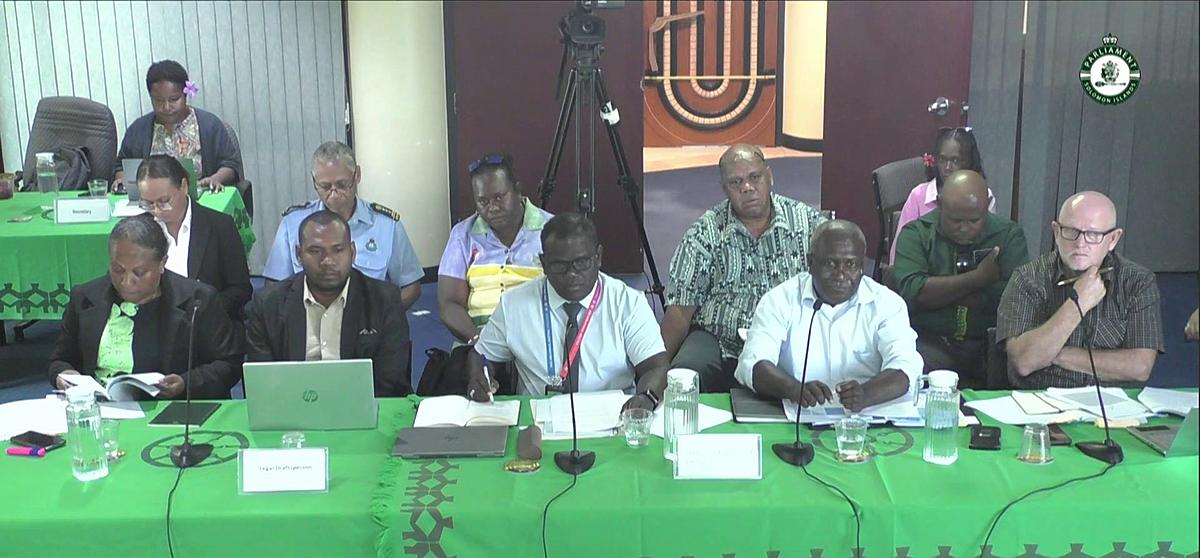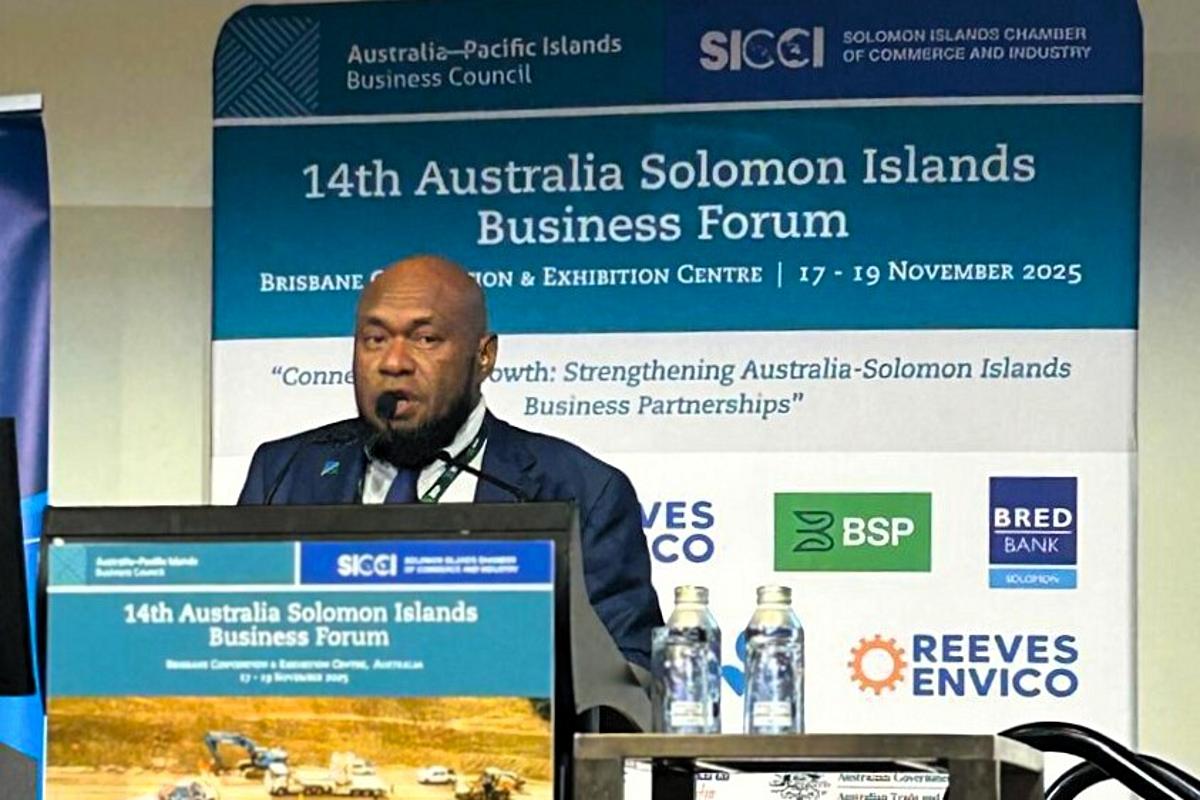
The Ministry of Mines, Energy and Rural Electrification is accelerating a wide-ranging reform agenda to modernise mining laws and improve fiscal, environmental and social oversight as the sector expands.
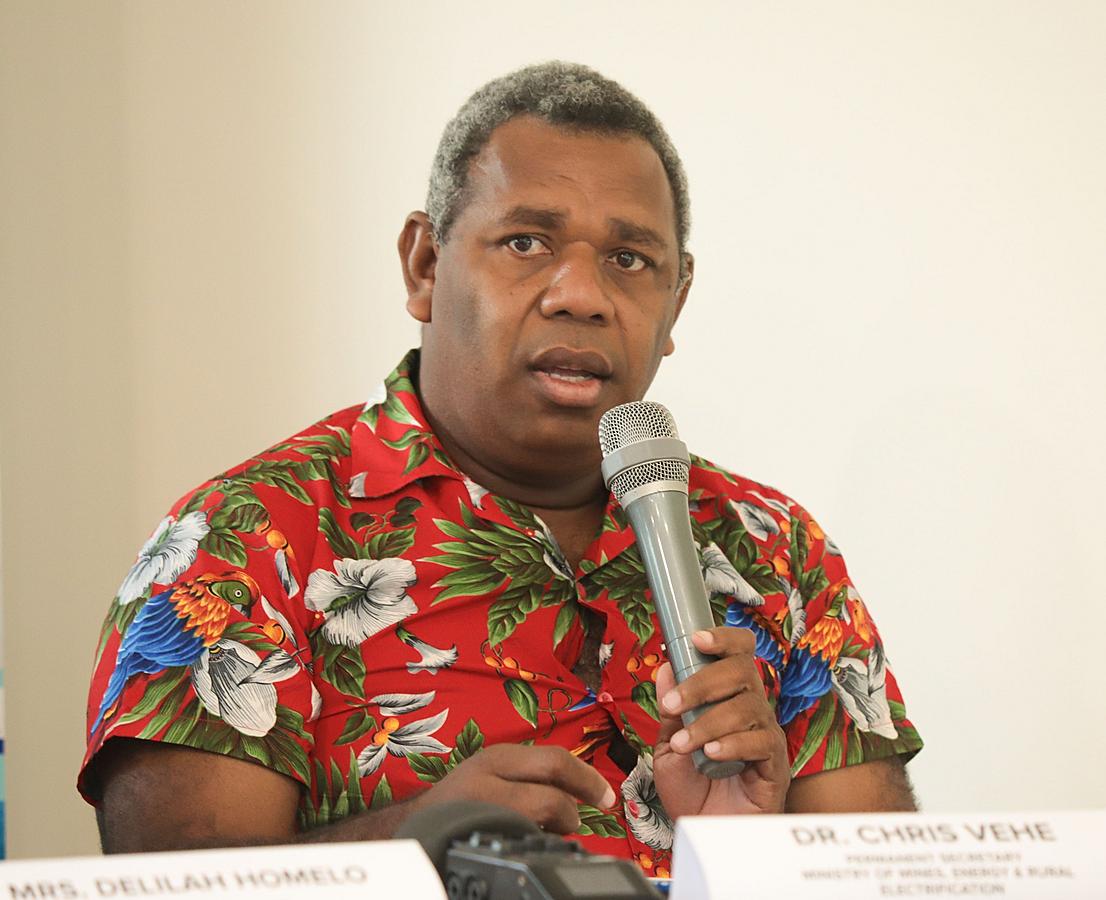
Permanent Secretary Chris Vehe said the reforms aim to position mining as a key economic pillar, while addressing longstanding regulatory gaps.
“The mining industry is now an emerging economic lifeline of our country,” he said.
At the core of the reforms is the Mineral Resources Bill 2025, described by policymakers as a landmark law to replace the outdated Mines and Minerals Act 1990 and establish a clearer regulatory regime for exploration and extraction.
The bill is intended to balance resource development with environmental protection, clarify rights and obligations among stakeholders, and ensure fair economic returns for present and future generations.
It also aligns with the country’s Minerals Policy 2017, which emphasises inclusive governance, local participation and stronger benefit-sharing arrangements with communities.
Alongside the bill, the ministry is finalising supporting regulations covering occupational health and safety, community development agreements and broader sector governance. Additional initiatives include a Strategic Environmental and Social Assessment (SESA), fiscal and revenue reforms, and frameworks on mine safety, gender inclusion and mineral pricing.
Most outputs are in advanced stages of drafting or consultation, with several expected to be submitted to cabinet between April and May. The reform push comes amid ongoing debate over landowner rights and consultation processes.
Civil society groups and international observers have raised concerns about ensuring free, prior and informed consent, equitable benefit-sharing and stronger environmental safeguards under the proposed framework.
Analysts note that mining governance in Solomon Islands has historically faced challenges linked to limited oversight, environmental risks and uneven distribution of benefits.
Government and development partners see significant upside if reforms unlock new mining projects, particularly in gold and nickel. Estimates suggest mining could add several percentage points to GDP and generate new fiscal revenues through royalties, export duties and profit-based taxes if projects reach full capacity.
The ministry said the reforms are designed to ensure that expansion is matched by stronger governance, transparency and accountability mechanisms. The overhaul reflects a broader transition in the Solomon Islands economy, where declining logging activity is shifting attention toward mining as a future growth driver.
Officials said the success of the reforms will depend on balancing investor certainty with community protection and environmental sustainability.