Pacific Islands Forum leaders have invoked the Biketawa Declaration to coordinate a regional response to worsening fuel supply risks linked to ongoing instability in the Middle East, amid growing concerns over the vulnerability of Pacific economies to global energy disruptions.
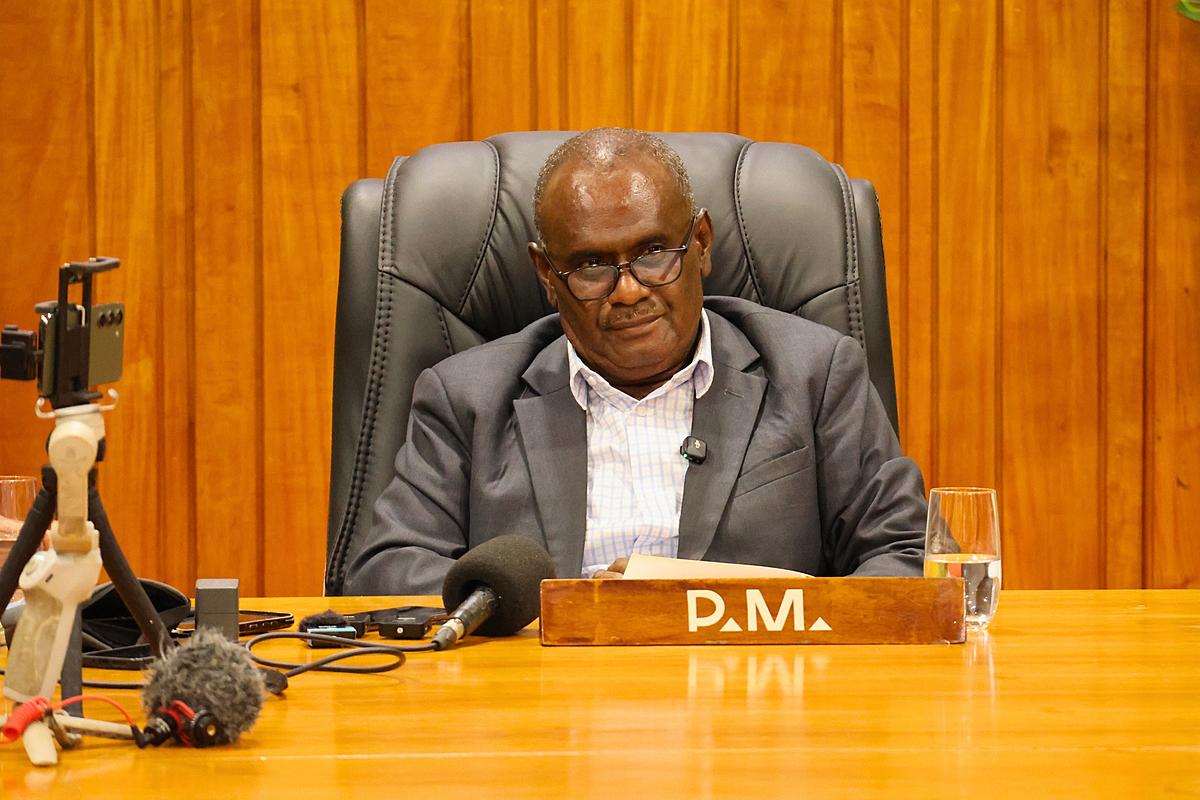
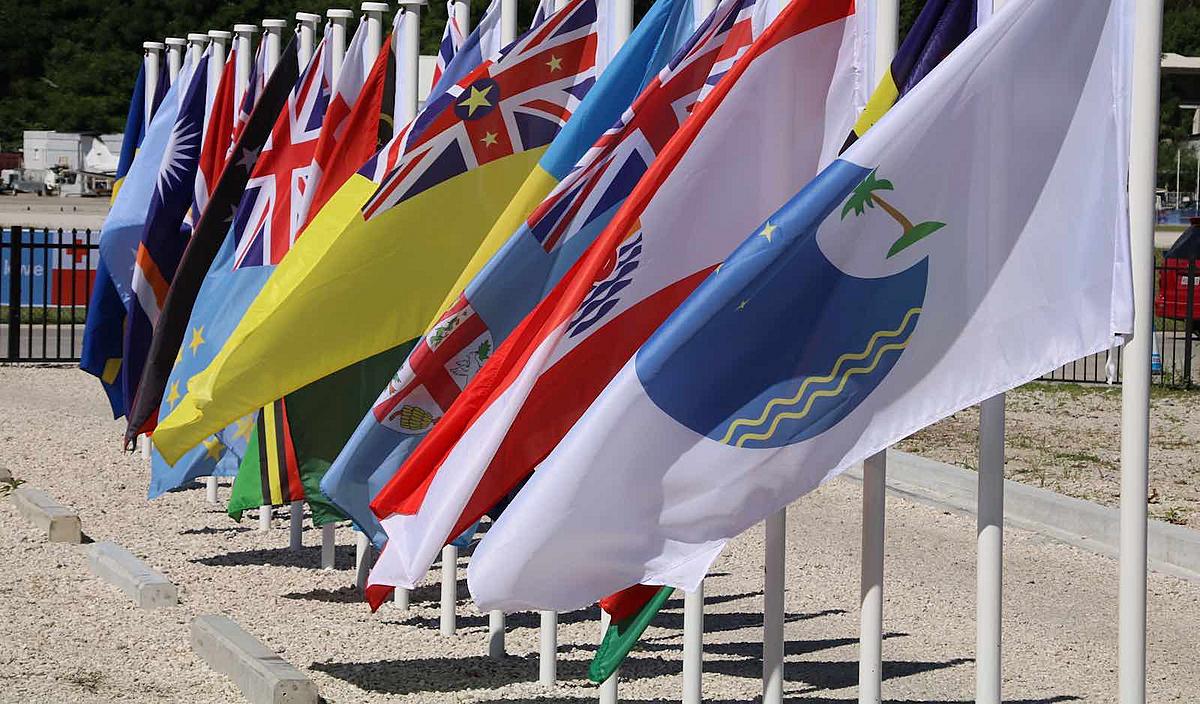
The move was announced following discussions among the Pacific Islands Forum (PIF) Troika, comprising Solomon Islands Prime Minister Jeremiah Manele, Palau President Surangel Whipps Jr., and Tonga’s Prime Minister Lord Fakafanua. The leaders agreed to activate the region’s crisis response mechanism as Pacific nations face rising fuel costs and the threat of supply shortages.
According to the Forum, the declaration was invoked to enable a coordinated regional approach to the emerging energy crisis and to strengthen preparedness measures across member states. Leaders said early intervention was necessary as global fuel supply chains continue to face disruption.
The Biketawa Declaration, adopted by Pacific Islands Forum members in 2000, provides a framework for collective regional action in response to crises affecting peace, security and regional stability. It was previously invoked during the COVID-19 pandemic and ahead of the Regional Assistance Mission to Solomon Islands (RAMSI).
Regional governments are already grappling with elevated fuel prices, while some countries have begun implementing emergency measures to manage fuel consumption and maintain essential services. Reports indicated that Tuvalu had declared a state of emergency over fuel supply concerns, while other Pacific nations were reviewing contingency plans.
The Pacific Islands Forum Secretariat said the coordinated response would focus on strengthening regional energy security, supporting emergency planning, and ensuring continued access to fuel supplies for essential services and economic activity.
Australian Foreign Minister Penny Wong said Australia supported the Forum’s decision and would work closely with Pacific governments and regional institutions to help maintain supply stability across the region.
Analysts and regional observers have warned that prolonged disruptions to global oil markets could have severe economic and humanitarian consequences for Pacific island nations, many of which remain heavily dependent on imported fuel for electricity generation, transport and food supply chains.