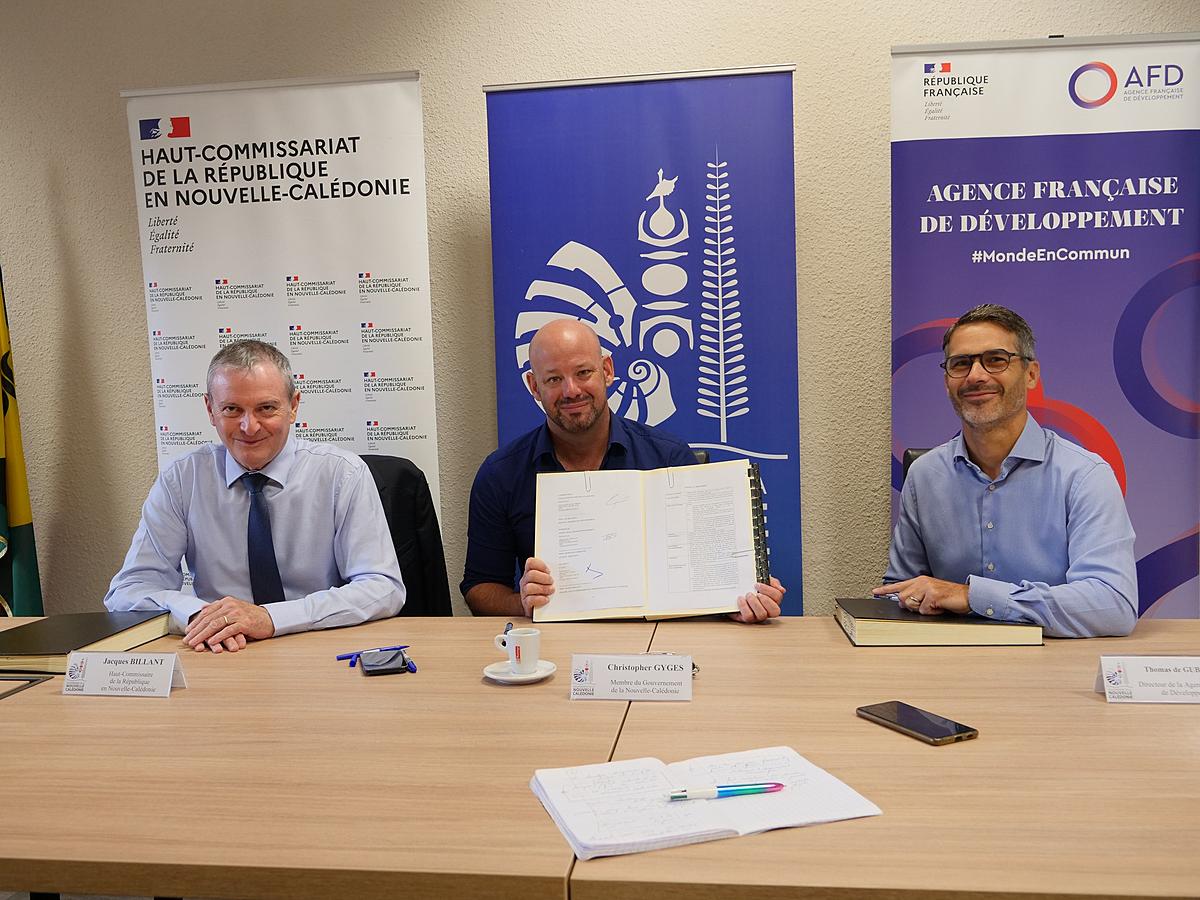
The government of New Caledonia and the French Development Agency have signed an agreement to finance a strategic study aimed at strengthening and structuring the territory’s social and solidarity economy sector following economic disruption linked to the May 2024 unrest.
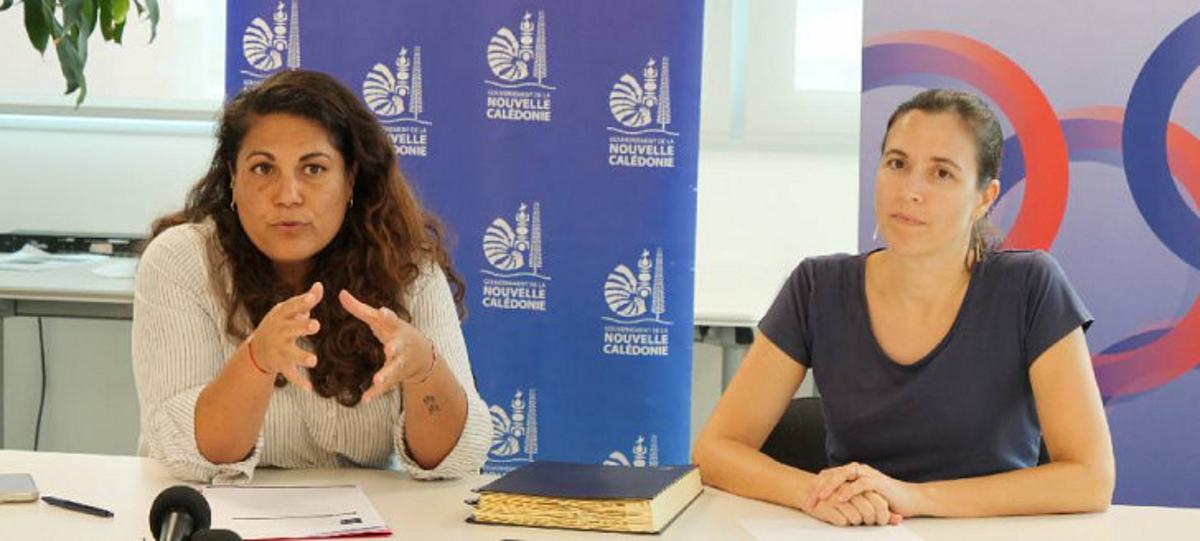
The initiative was presented by Naïa Wateou alongside representatives of the French Development Agency, commonly known as AFD.
Officials said the study would help establish a clearer framework for the development of the social and solidarity economy, or SSE, which includes organisations such as cooperatives, associations, mutual societies, foundations and socially oriented enterprises prioritising social and environmental outcomes alongside economic activity.
Authorities described the sector as an important tool for improving resilience, strengthening social cohesion and supporting inclusive economic recovery in New Caledonia after the social and economic impacts of the events of May 2024.
The initiative follows the adoption of country law No. 2025-13 on August 18, 2025, which formally established a regulatory framework for the social and solidarity economy in the territory.
The legislation defines the sector around principles including social utility, democratic governance and regulated profit management.
Wateou said the new study would provide government with the operational tools and updated data needed to better identify and support SSE actors across the territory.
“Without a regulatory framework, we have no way of recognising the actors in the social and solidarity economy,” Wateou said.
The study mission, financed by AFD for nearly 7.5 million CFP francs, will include mapping and inventory work on the SSE sector, assessment of funding access conditions and analysis of sector support needs, including governance, project engineering and economic model sustainability.
The project will also examine opportunities for accessing public, national and international financing and develop recommendations for a long-term territorial strategy for the sector’s development.
Julie Doiteau said the agency considered it important to support local authorities in strengthening the sector.
“For the AFD, it was natural to support the government and its partners in carrying out this study,” Doiteau said, describing the initiative as a step toward addressing challenges faced by SSE organisations in the territory.
Officials said the agreement would help lay the foundation for a more structured and sustainable development pathway for social and solidarity economy activities in New Caledonia.