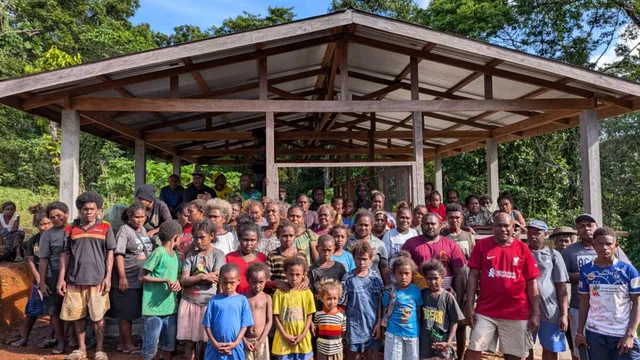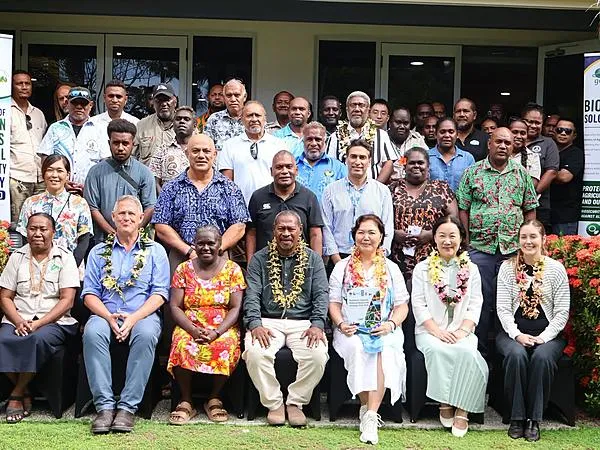
The Ministry of Fisheries and Marine Resources (MFMR) has launched its Gender Equality, Disability and Social Inclusion (GEDSI) Strategy 2026–2030, setting a five-year framework for making the country's fisheries sector more inclusive.
Endorsed in April, the strategy will integrate gender equality, disability inclusion and social inclusion across MFMR policies, programs, services and decision-making.
Director of Fisheries Edward Honiwala said women, youth and marginalized groups have long contributed to fisheries value chains but their roles and voices have not always been recognized.
“Together we can build a fisheries sector that uplifts every voice, values every contribution and leaves no one behind,” Honiwala said.
The strategy replaces a gender mainstreaming strategy developed more than a decade ago that focused primarily on inshore fisheries. The new framework takes a broader approach covering MFMR's work and the wider fisheries sector, including greater participation by persons with disabilities and other marginalized groups in fisheries management, development and decision-making.
Honiwala said Solomon Islands is among the few Pacific countries with a fisheries-specific GEDSI strategy.
The strategy includes objectives, targets, indicators and an implementation plan, with its development informed by consultations with communities and stakeholders.
Technical assistance was provided by the Pacific Community (SPC) through the Pacific-European Union Marine Partnership (PEUMP) Programme, with support continuing under PEUMP II, funded by the European Union.
WorldFish also provided guidance through the Pathways project, funded by the Australian Department of Foreign Affairs and Trade.
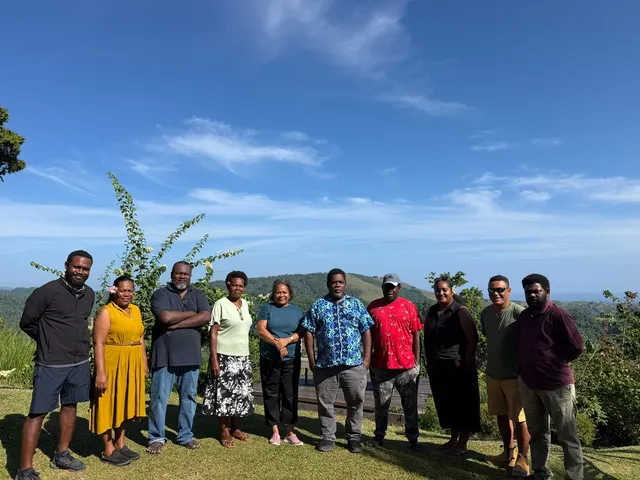
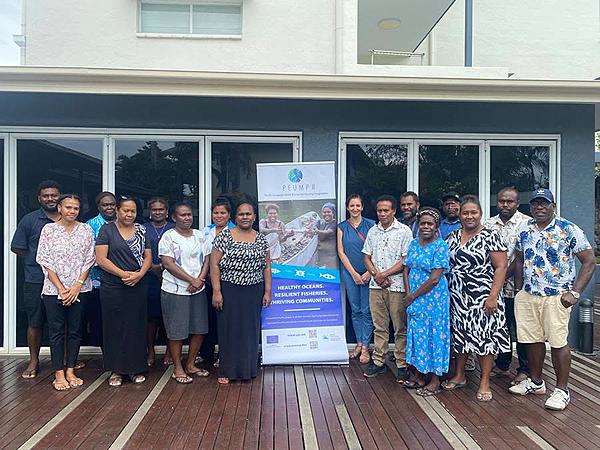
The launch followed a three-day GEDSI training program for MFMR staff held from Aug. 31 to Sept. 2 in Honiara. The training provided staff with practical tools for assessing how fisheries policies, programs and decisions affect different groups.
MFMR will now implement the strategy across its divisions, with responsibilities, timelines and monitoring mechanisms established to track progress over the next five years.
PEUMP II, which runs from 2026 to 2030, supports Pacific countries in addressing declining coastal fisheries resources, marine biodiversity threats, climate change and sustainable economic development. It also promotes GEDSI and a human rights-based approach to ensuring more equitable participation in the region's blue economy.