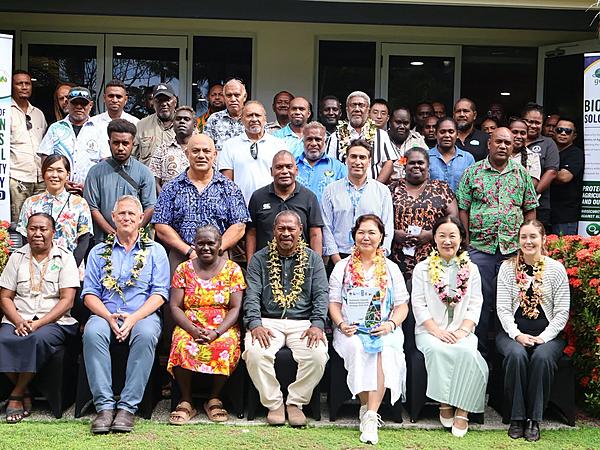
The Ministry of Agriculture and Livestock Development (MALD), through Biosecurity Solomon Islands (BSI), has launched a 10-year strategy to strengthen the country's defenses against pests, diseases, invasive species and other biosecurity threats.
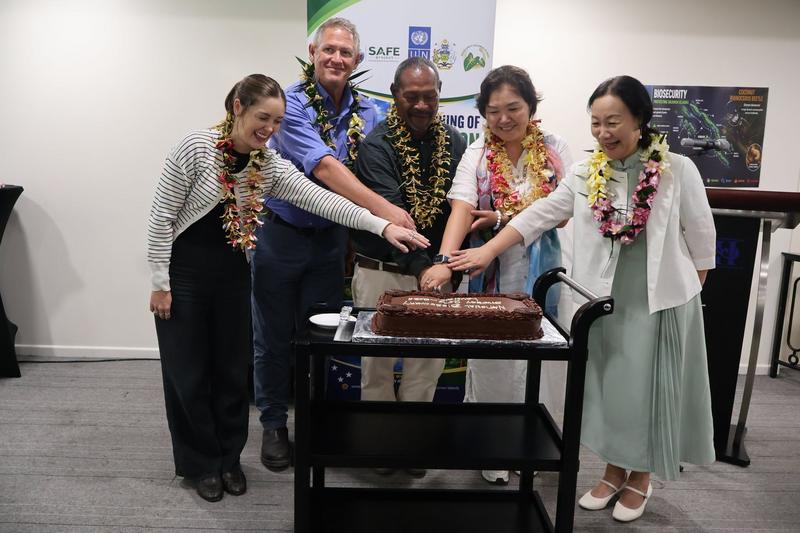
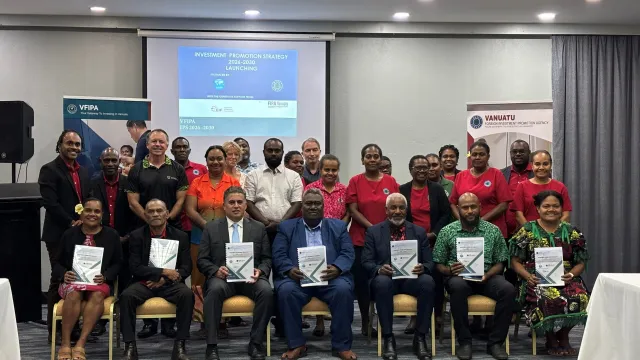
The Solomon Islands National Biosecurity Strategy 2026–2036 was officially launched on Sept. 8, 2026, in partnership with the United Nations Development Programme (UNDP).
The strategy establishes a national framework to protect agriculture, food security, biodiversity, livelihoods and the economy, while strengthening the country's capacity to detect and respond to emerging biosecurity risks.
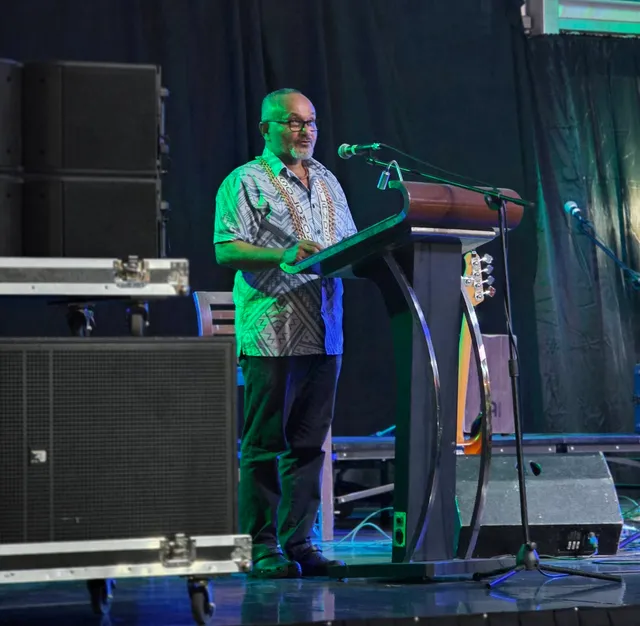
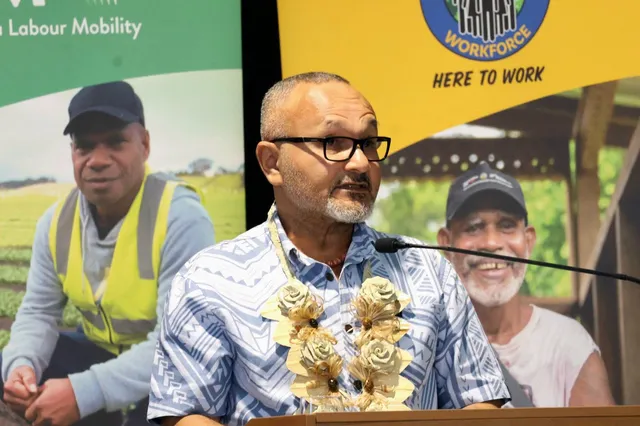
Agriculture and Livestock Development Minister Nestor Giro said agriculture remains a cornerstone of the national economy and a key source of food, income and opportunities for rural communities.
He said strong biosecurity is necessary to protect farmers, agricultural production, investments and access to markets.
The strategy sets out six priority areas: sustainable financing; an engaged and supportive public; stronger partnerships; a capable workforce; expanded safeguarding; and improved risk assessment and risk reduction.
Giro called on government agencies, farmers, communities, businesses and development partners to work together on implementation.
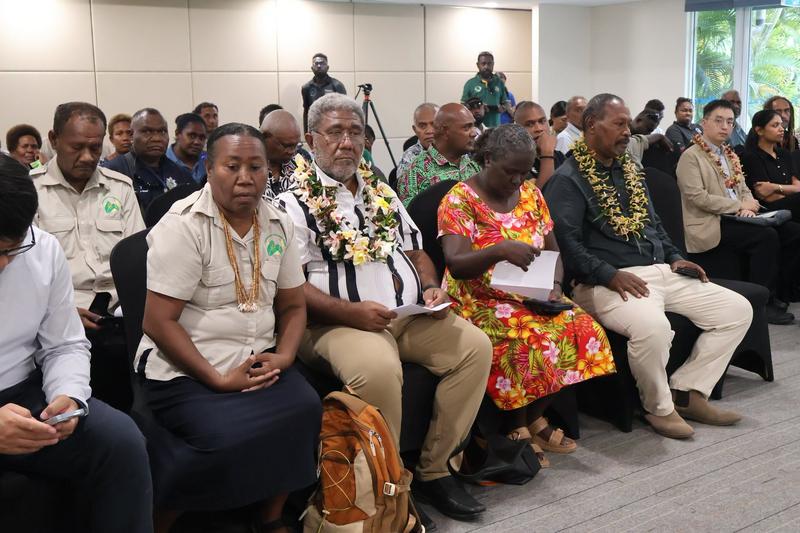
BSI Director Jean Eroa Manepora acknowledged support from Australia, New Zealand and China, as well as UNDP and the Global Environment Facility, for assistance including technical support, training, equipment, surveillance and institutional development.
UNDP Resident Representative Tuya Altangerel said biosecurity extends beyond border controls and invasive species management, encompassing the protection of people, livelihoods, agriculture, fisheries, biodiversity, food security, trade, tourism and the broader economy.
She said biosecurity risks are becoming more complex because of climate change, expanding trade and travel, changing land-use patterns and biodiversity loss.
Altangerel said government, communities, farmers, businesses, travelers and development partners all have a role in strengthening the country's biosecurity system.
The strategy's vision — “Safeguarding, Collective Action and People Centred” — is captured in the message, “Iumi Protektim. Waka Tugeda. Fokus Blong Pipol,” or “Protect together, work together, and keep people at the centre.”
Implementation of the 10-year roadmap will focus on strengthening institutions, surveillance and border biosecurity, equipping frontline officers, raising public awareness, improving coordination and enabling earlier detection and faster responses to emerging threats.
The launch marks the start of implementation of the national strategy, with the government seeking to build a more resilient biosecurity system to protect Solomon Islands' agricultural sector, environment, livelihoods and economic future.