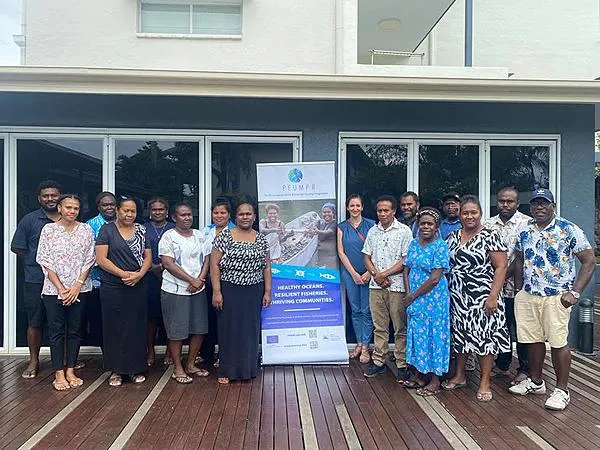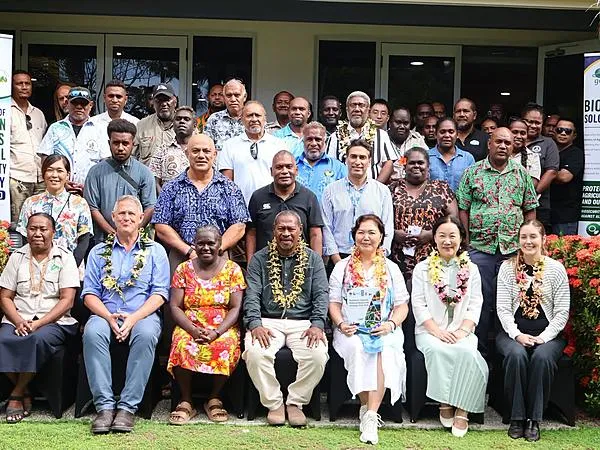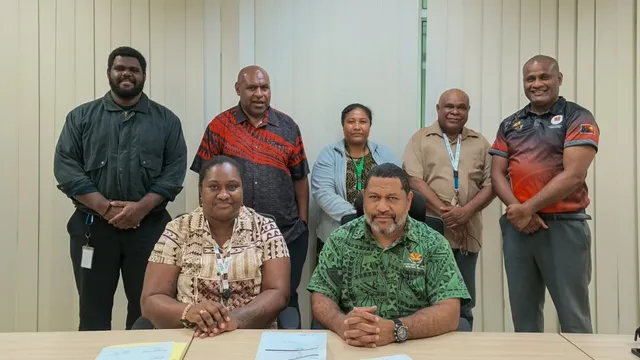
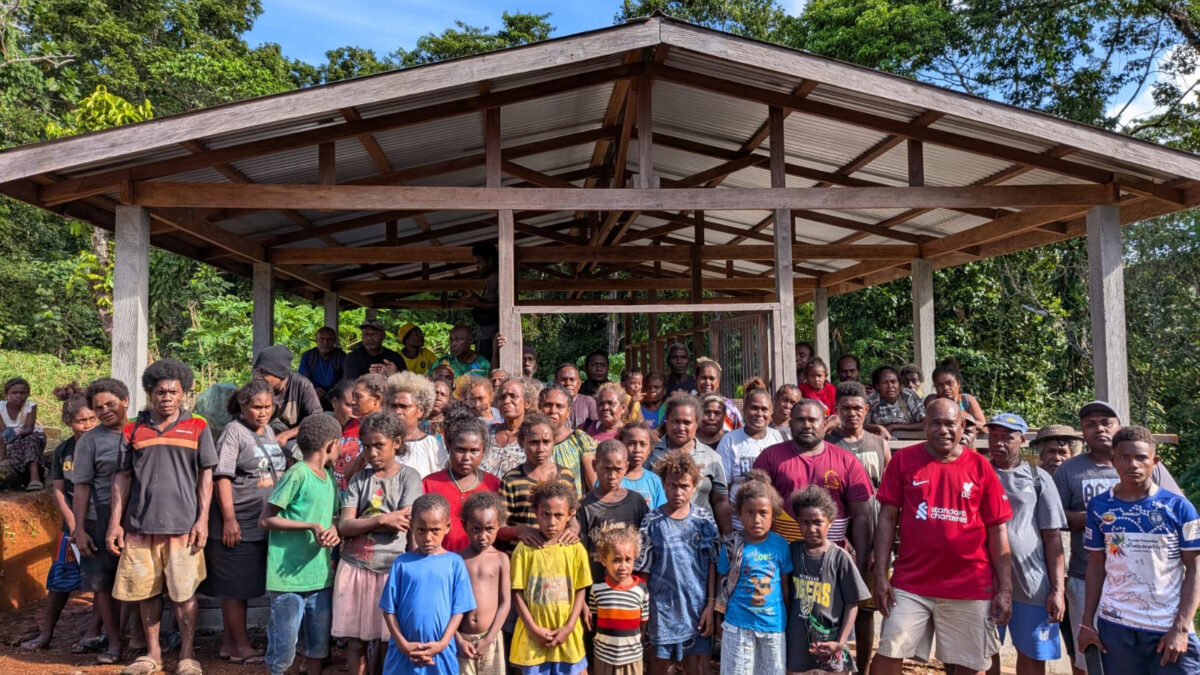
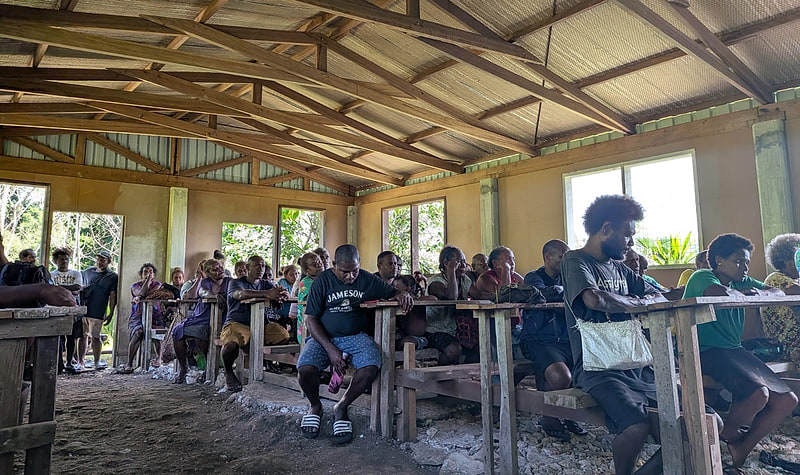
The Solomon Islands Agriculture Rural Transformation (SIART) Project has completed a series of two-day training sessions for pig farmers in South Malaita to improve livestock management, animal health and agribusiness skills.
The training involved members of five agribusiness producer organisations (ABPOs): the Waiasi Piggery Farmers Association, Mamanaha Indigenous Piggery Farmers Association, Apatarau Tribe, Kauhata Piggery Project and Ikoru Raku Farmers Association.
The initiative forms part of SIART's support for rural agricultural enterprises through funding, capacity-building and technical assistance aimed at improving livelihoods and agricultural productivity.
In Malaita Province, the project supports 16 ABPOs engaged in pig farming, representing an investment of SBD6.9 million.
The sessions were facilitated by SIART project representatives and livestock officers from the Ministry of Agriculture and Livestock (MAL) based in Malaita Province.
SIART Agribusiness Officer for Malaita Province Betty Arumae said the training covered pig husbandry, animal health, production quality, marketing, promotion and different farming systems.
She said the sessions were tailored to the needs of local farmers and included practical guidance on constructing suitable pig housing, providing clean water, preparing feed from locally available ingredients, and caring for sows and piglets.
The animal health component focused on identifying symptoms of common pig diseases and understanding appropriate prevention and treatment measures.
Farmers also received guidance on managing their operations as businesses, including keeping records of mating and farrowing dates, litter sizes, feed mixtures and quantities, and medication use. The training also introduced participants to quality pig production for the market, focusing on raising healthy, lean pigs efficiently to meet customer preferences and market demand.
Fr Steven Unu'iwao of the Waiasi Piggery Farmers Association in Waipina Village, South Malaita, said the training provided practical knowledge that could help rural communities manage their pig farms and agribusinesses.
He said the sessions and practical demonstrations were particularly valuable because they introduced information that participating farmers had not previously encountered. Unu'iwao added that the knowledge gained could improve pig farming operations and strengthen the community's agribusiness activities supported by SIART.
He said agricultural activities remained central to livelihoods in rural and remote communities, making practical training important for farmers in the provinces.
The training forms part of SIART's broader efforts to strengthen Solomon Islands agriculture through capacity-building, market linkages and sustainable farming practices.
Funded by the World Bank, SIART is implemented by the Ministry of Agriculture and Livestock.