Fiji has pledged US$10 million to the Pacific Resilience Facility (PRF), as Pacific nations step up efforts to secure climate and disaster resilience financing ahead of the COP31 climate summit.
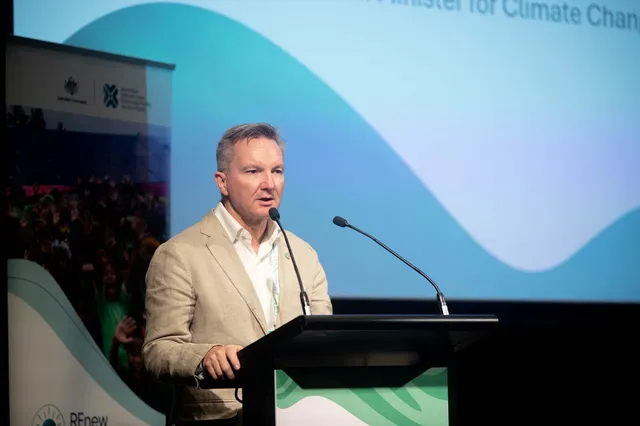
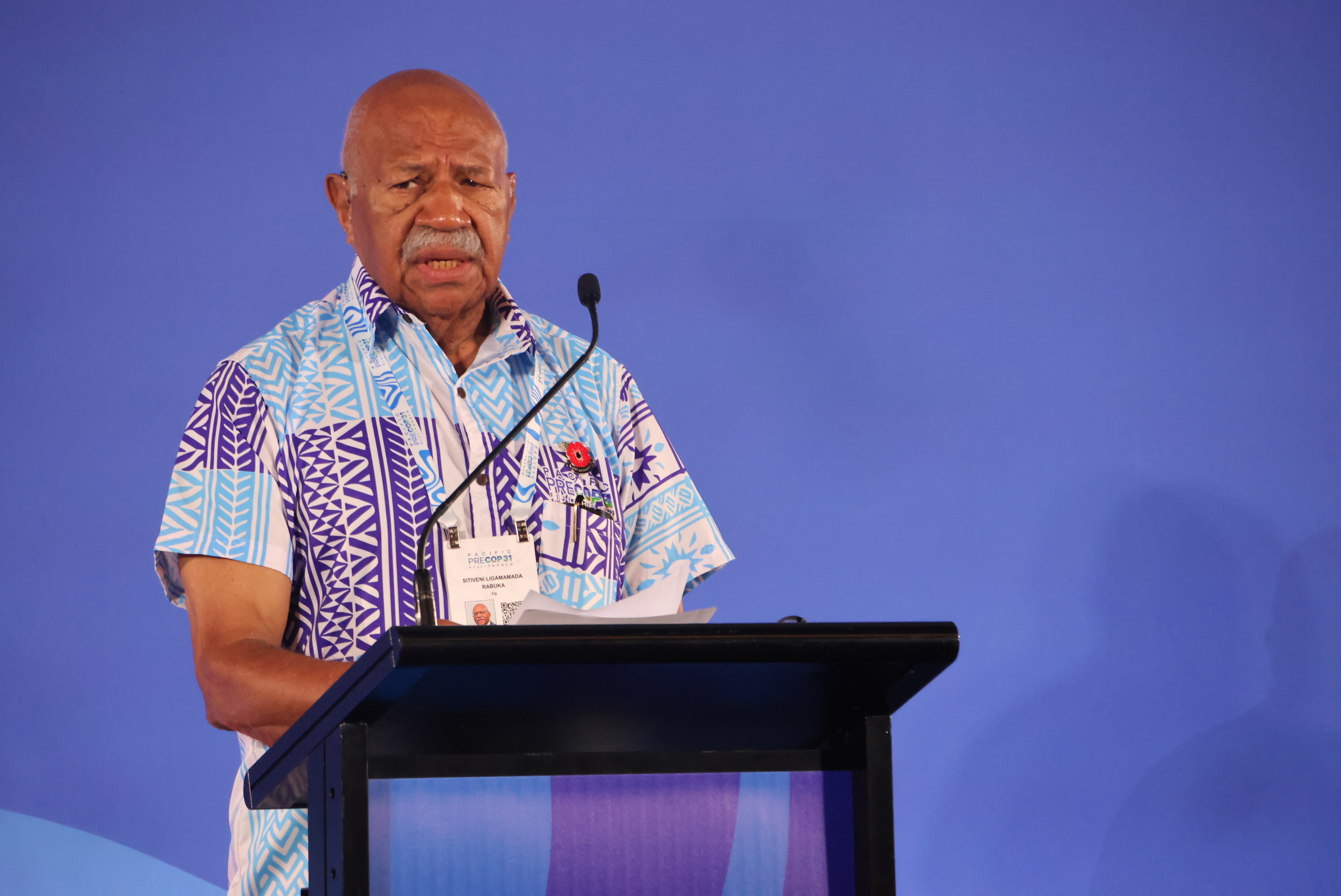
Fiji Prime Minister Sitiveni Rabuka announced the contribution during the high-level event Turning Climate Finance into Community Resilience, held on the sidelines of the Pacific Pre-COP31 meetings in Nadi on 9 October.
Denmark also announced a contribution of US$2.3 million, while the Netherlands pledged a further US$1 million to support the facility's operationalisation.
The latest commitments bring total pledges to the PRF to US$190 million, moving the regional initiative closer to its initial capitalisation target of US$500 million. The facility aims to build towards US$1.5 billion to support climate resilience efforts aligned with limiting global warming to 1.5°C.
Established by Pacific Islands Forum members, the PRF is designed to provide accessible, predictable and sustainable financing for climate and disaster resilience, with Pacific priorities, ownership and decision-making at the centre of its operations.
Pacific Islands Forum leaders reaffirmed the facility as the region's leading climate investment priority at their annual meeting in Palau in early September.
Pacific Islands Forum Secretary-General Baron Divavesi Waqa welcomed the new contributions, describing the facility as an expression of regional leadership in developing solutions to climate change.
He said the initiative placed Pacific priorities, ownership and solutions at the centre of efforts to build a more resilient region, while acknowledging the continued support of forum leaders, members and international partners.
The PRF is intended to help Pacific communities access funding for climate adaptation and disaster resilience, addressing the region's efforts to translate international climate commitments into practical support for communities exposed to climate-related risks.
As the Pacific prepares for COP31, the facility is expected to play a central role in the region's push for climate financing mechanisms that respond to local needs and strengthen community resilience.