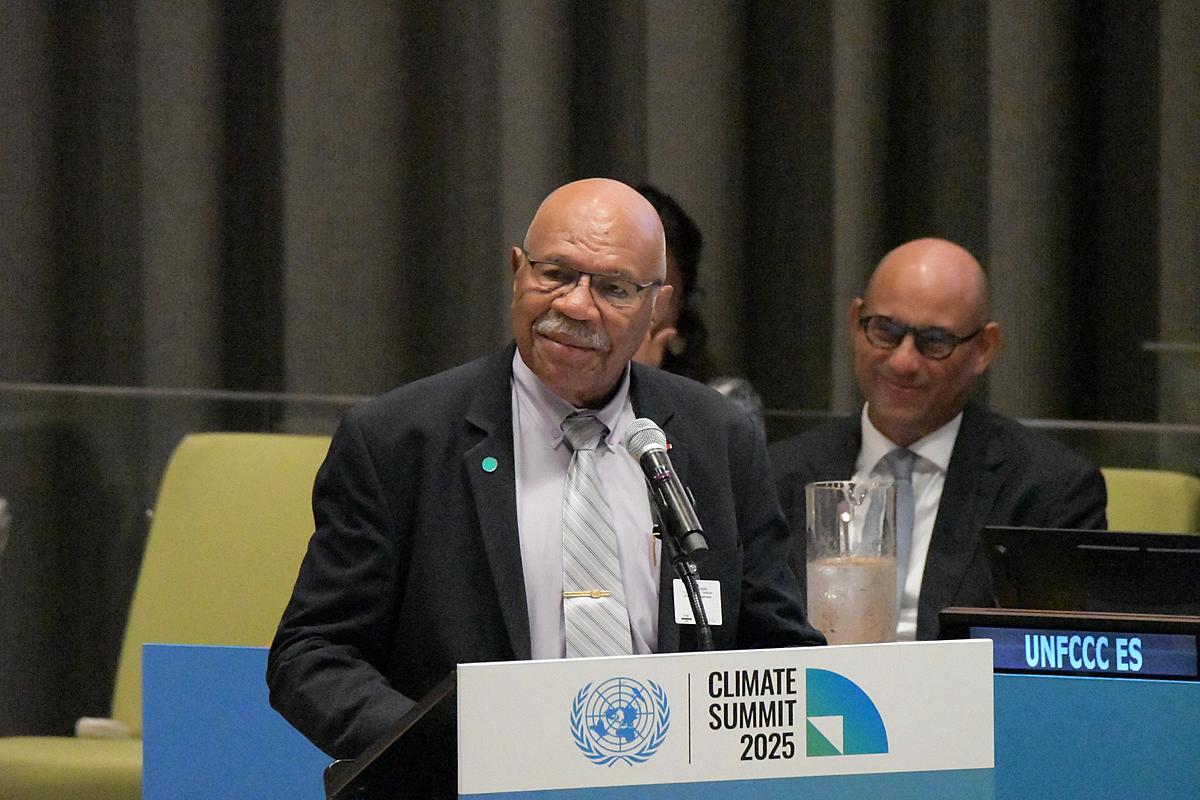
Fiji has pledged to increase its energy sector emissions reduction target from 30 to 36 percent.
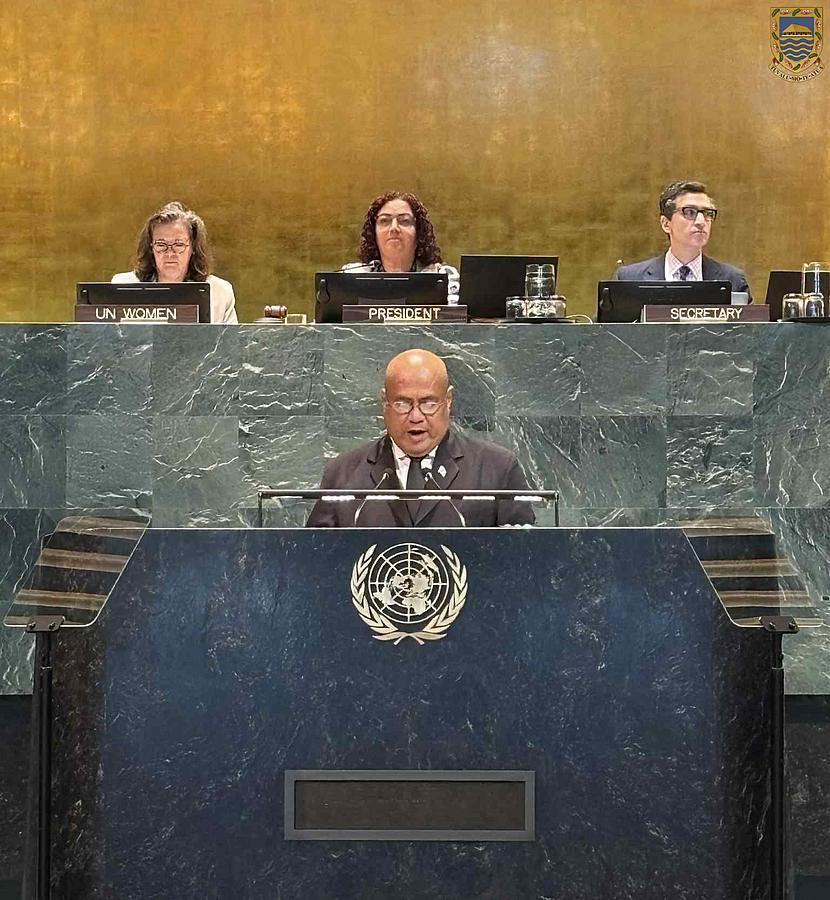
Prime Minister Sitiveni Rabuka announced the commitment at the UN Secretary-General’s Special High-Level Event on Climate Change held on the sidelines of the 80th session of the United Nations General Assembly.
In his address, Rabuka said Fiji’s Nationally Determined Contributions (NDCs) served as the country’s prospectus to access the finance, technology and expertise needed to supplement national resources.
“Fiji is firmly committed to harnessing indigenous forms of energy and the phasing out of fossil fuels,” he stated. “We also target to produce 100% of our electricity from renewable energy sources by 2035.”
The Prime Minister stressed the urgent responsibility of major emitters, citing the recent International Court of Justice Advisory Opinion which confirmed that states have a binding obligation to act in line with science, fairness and equity.
“Large polluters must take substantial, rapid, and sustainable measures to reduce greenhouse gas emissions. COP30 in Belém must be a turning point,” he urged, calling on leaders to show courage, political will, and ambition to secure a sustainable future for all.
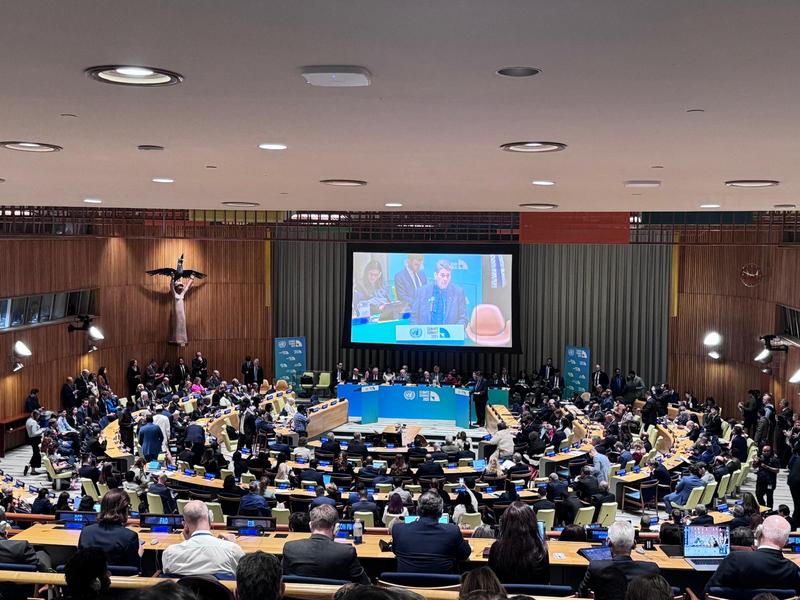
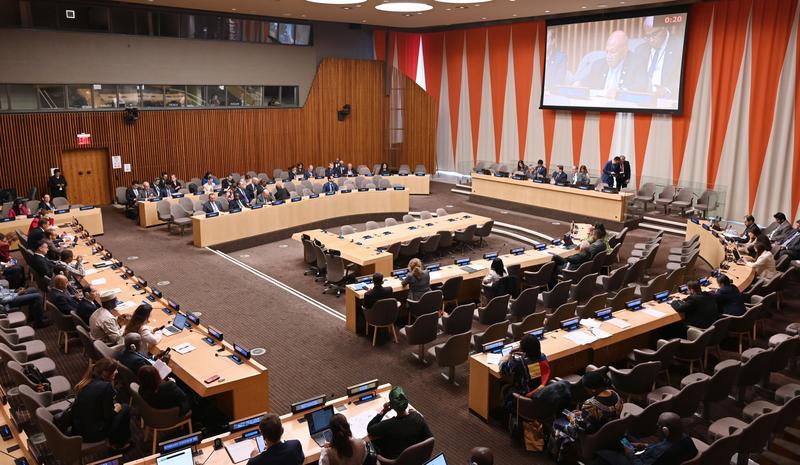
The high-level event provided a platform for countries to present their upcoming NDCs and outline new climate commitments.
.jpg)
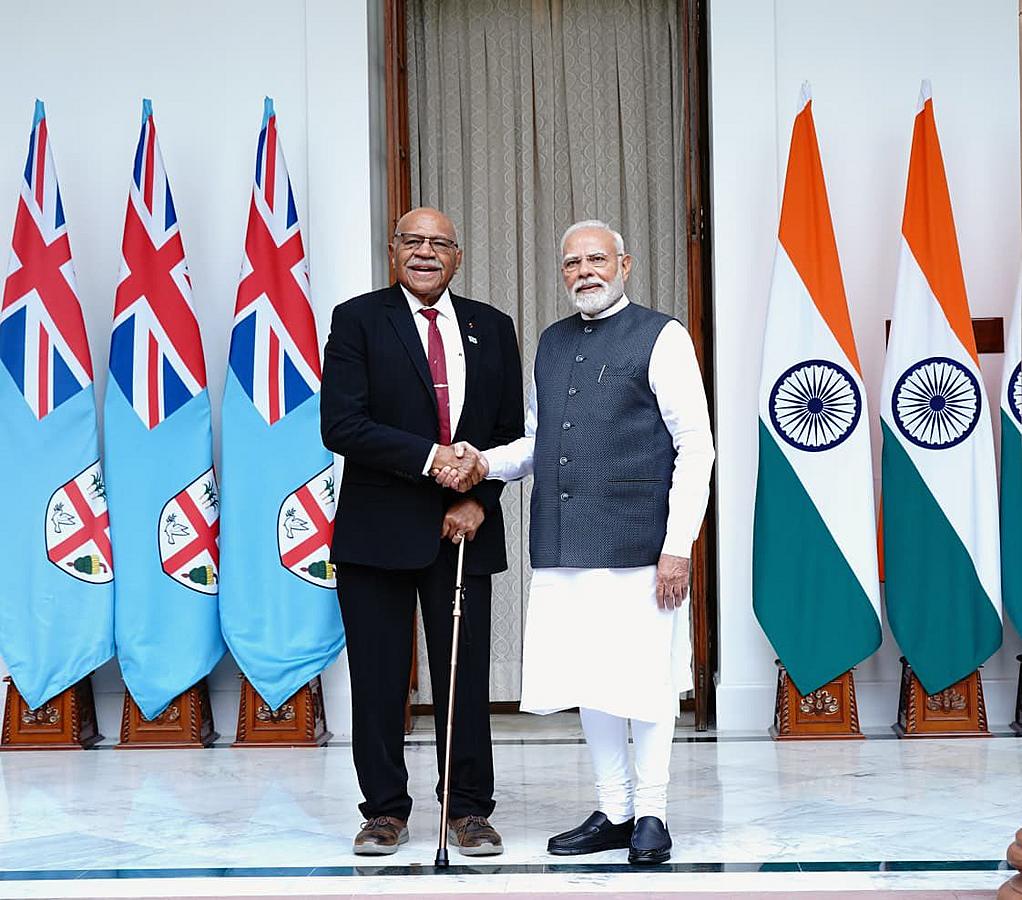
Meanwhile, Rabuka has called for urgent reforms to the global financial system to better support vulnerable nations, particularly Small Island Developing States (SIDS), in achieving the Sustainable Development Goals (SDGs).
Speaking at the Biennial Summit for a Sustainable, Inclusive and Resilient Global Economy held on the sidelines of the 80th session of the United Nations General Assembly, Rabuka highlighted the USD$4 trillion financing gap faced by developing countries. He also pointed to the added strain of climate change and frequent natural disasters on Fiji’s economy.
He stressed that building sustainable and resilient economies requires greater investment in infrastructure, health and education.
“Our plight is urgent. We need a financial system that is cognizant of our reality,” he said.
The Prime Minister urged international financial institutions to adopt the Multi-dimensional Vulnerability Index (MVI) when assessing the challenges faced by SIDS, and called on leaders to implement the Seville Compromise to help close the funding gap.
“As we march into the final quarter of the 2030 Agenda, we must scale up efforts to meet our commitments, especially for nations in special situations like SIDS,” Rabuka concluded.