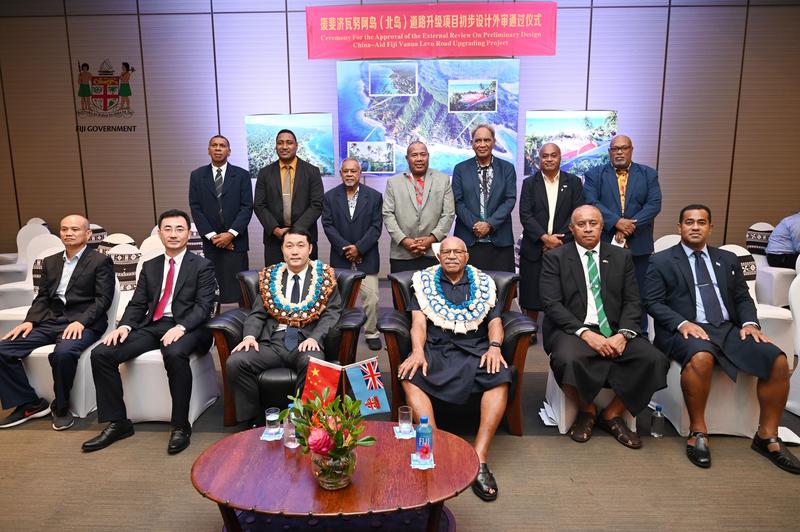
Prime Minister Sitiveni Rabuka has officiated the external review of the preliminary design for the China-aided Vanua Levu Road Upgrading Project, marking a significant step forward in a flagship infrastructure programme aimed at improving connectivity, resilience and economic development in Fiji’s Northern Division.
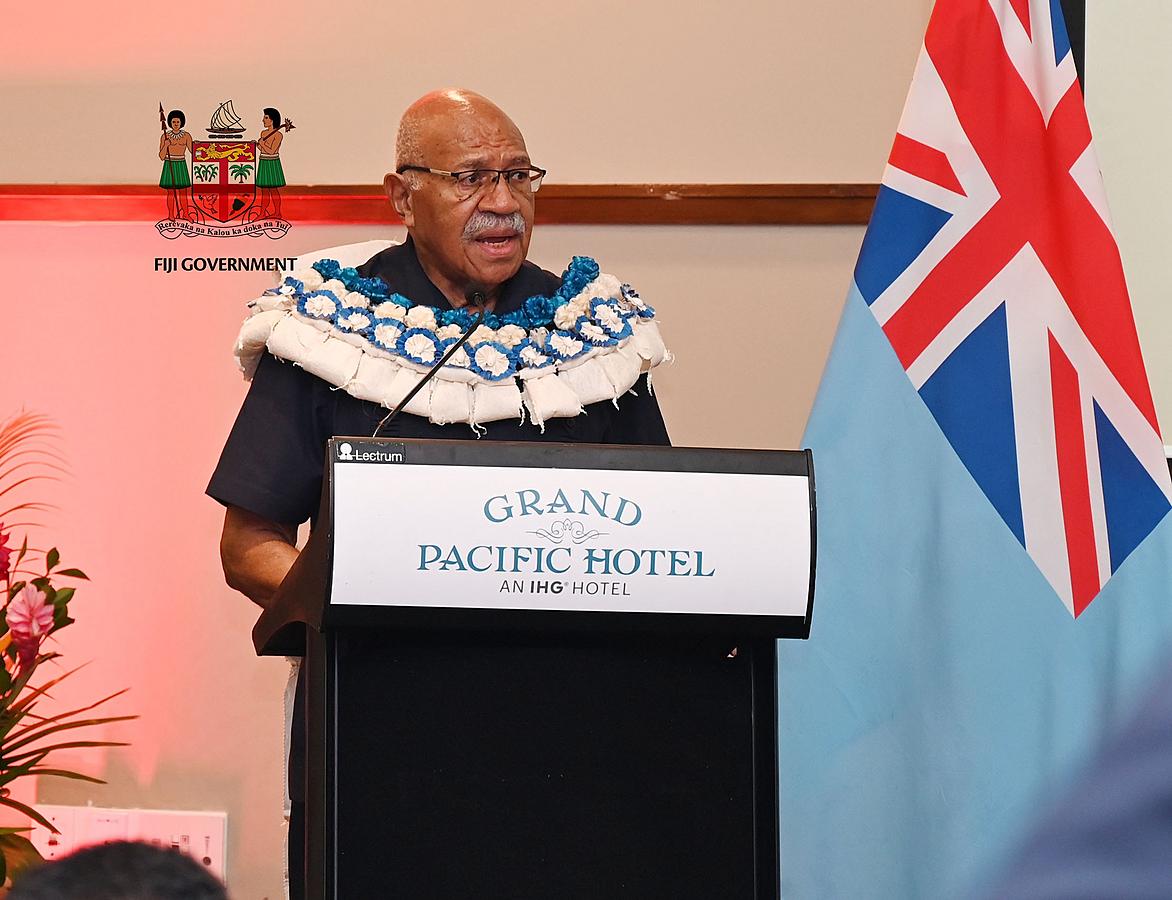
Speaking at the Grand Pacific Hotel on 10 April, Rabuka said the completion of the preliminary design phase capped two years of technical work, planning and consultations undertaken in partnership with Chinese counterparts under Belt and Road Initiative.
“This is a proud moment for our nation,” Rabuka said, noting that the milestone reflects both the government’s long-term infrastructure ambitions and the importance of sustained international cooperation. “The successful completion of the preliminary design demonstrates what can be achieved through careful planning, inclusive consultation and strong partnerships.”
The FJD 300 million grant-funded project will upgrade more than 80 kilometres of rural roads across Vanua Levu, Fiji’s second-largest island and a key focus of the government’s regional development strategy.
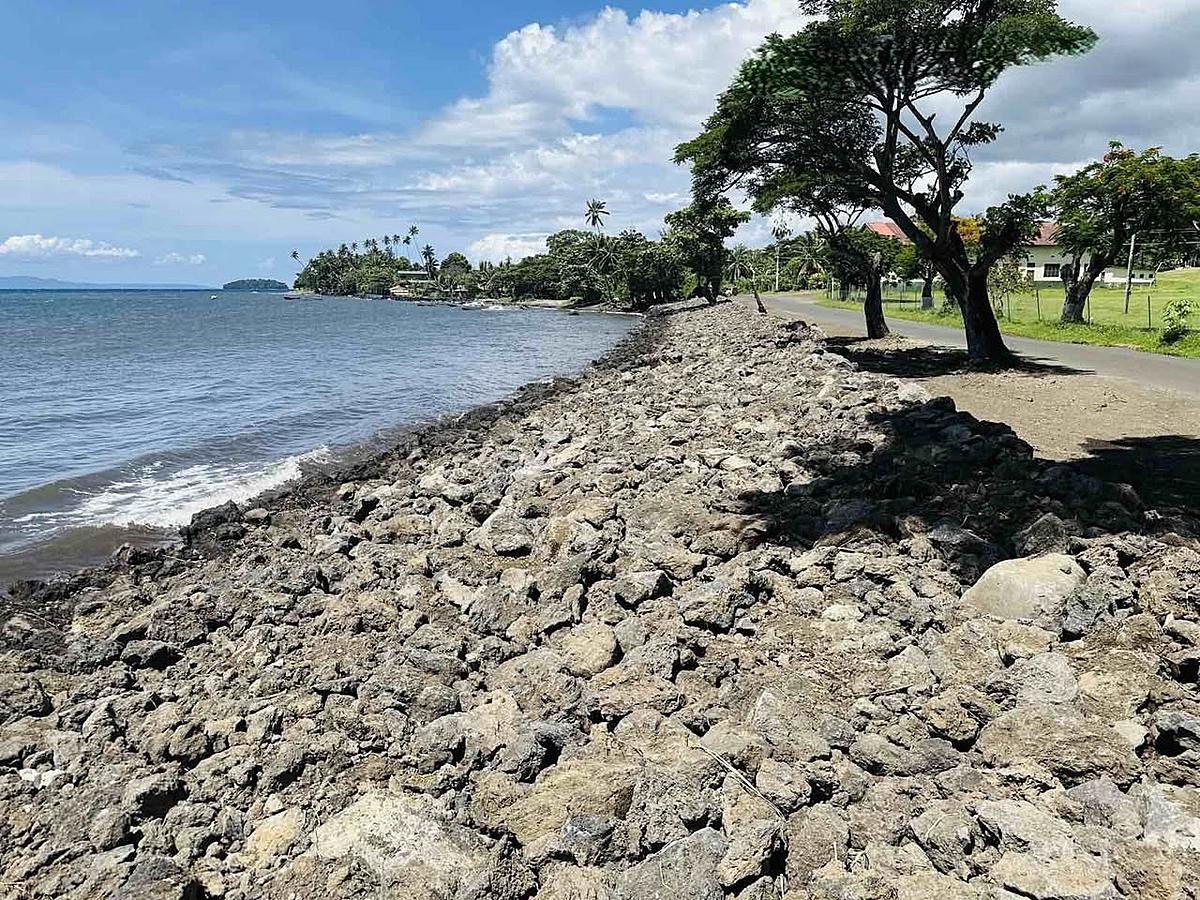
The planned upgrades cover three major corridors: the Nabouwalu–Nasolo road (15 km), the Natewa west coast road from Nacavanadi to Korotasere (32 km), and the Wailevu west coast road from Nabalebale to Dogoru (35 km). These routes are expected to significantly improve intra-island connectivity, particularly for remote and underserved communities.
In addition to roadworks, the project includes the construction and upgrading of more than 20 bridges designed to withstand extreme weather conditions, reflecting an increased emphasis on climate-resilient infrastructure in the Pacific.
Once completed, the upgrades are expected to directly benefit 61 villages and 15 schools, improving access to essential services such as healthcare, education and government administration. Authorities estimate that around 10,000 residents will gain improved access to medical services as a result of the enhanced transport network.
Rabuka emphasised that the project aligns closely with Fiji’s National Development Plan and supports key policy priorities, including the “Look North Policy”, which seeks to accelerate economic growth and infrastructure development in the Northern Division.
He said improved road infrastructure would reduce transportation costs, facilitate the movement of goods and services, and support agricultural productivity by enabling farmers to bring produce to markets more efficiently. The upgrades are also expected to strengthen supply chains and reduce post-harvest losses in rural areas.
Beyond agriculture, the improved connectivity is expected to provide a boost to tourism, particularly in Savusavu, which is known for its natural attractions and growing hospitality sector. Enhanced road access is likely to support increased visitor numbers and encourage investment in tourism-related infrastructure.
The project is also expected to generate employment opportunities during the construction phase, providing income and skills development for local communities. Rabuka noted that such opportunities are critical in ensuring that infrastructure investments deliver tangible socio-economic benefits at the grassroots level.
He added that the upgraded road network would help reduce rural isolation and strengthen social cohesion by improving connectivity between communities. Enhanced transport links are also expected to improve access to schools and higher education institutions, contributing to better educational outcomes.
Disaster preparedness and response is another key component of the project. With Fiji frequently exposed to cyclones and flooding, resilient road and bridge infrastructure is seen as essential to ensuring that communities remain connected during emergencies and that relief operations can be carried out efficiently.
Rabuka reiterated that the initiative reflects the deepening partnership between Fiji and China, highlighting cooperation built on shared development objectives.
“This project is more than infrastructure — it is an investment in our people, our communities and our future,” he said, expressing appreciation to development partners, stakeholders and local communities involved in the planning process.
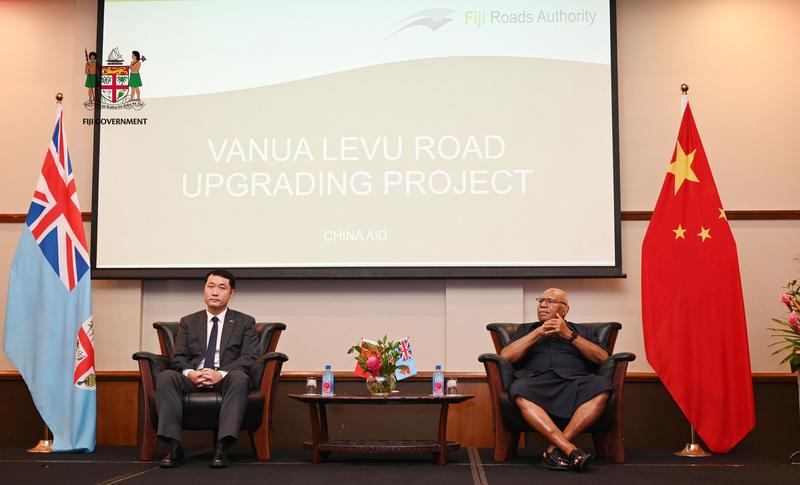
Also present at the event, China’s chargé d’affaires in Fiji, Wang Yuan, said the project underscored the strength of bilateral ties and cooperation under the Belt and Road framework.
He said China remained committed to supporting Fiji’s development priorities through the delivery of high-quality infrastructure projects that promote sustainable and inclusive growth.
According to Wang, the Vanua Levu road upgrade will not only enhance physical connectivity but also contribute to improving livelihoods, expanding economic opportunities and fostering long-term development across the Northern Division.
With the preliminary design phase now completed, the project will move into its next stages, including detailed engineering design and contractor procurement, before construction works commence.
Government officials said continued collaboration among stakeholders will be essential to ensure the timely and effective implementation of the project, which is expected to play a transformative role in the development of northern Fiji.