The Tina River Hydropower Development Project (TRHDP) has released the findings of its Mid-Term Socioeconomic Survey, showing improvements in household livelihoods and quality of life in affected communities while highlighting persistent concerns over benefit sharing, environmental impacts and social issues.
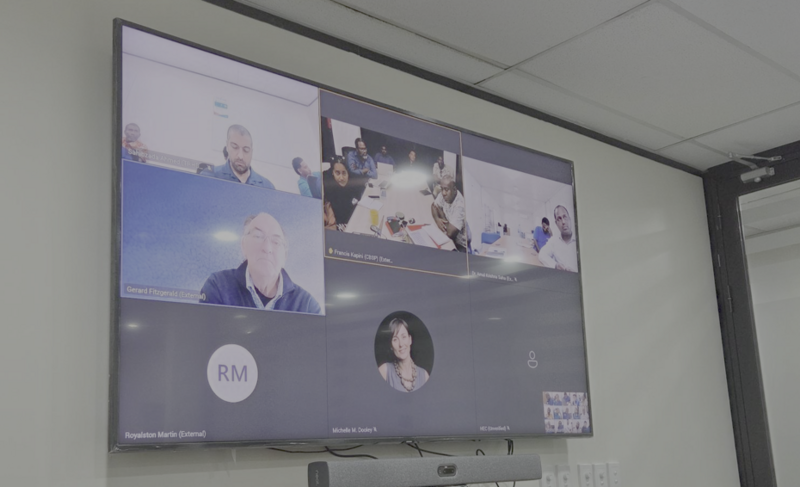
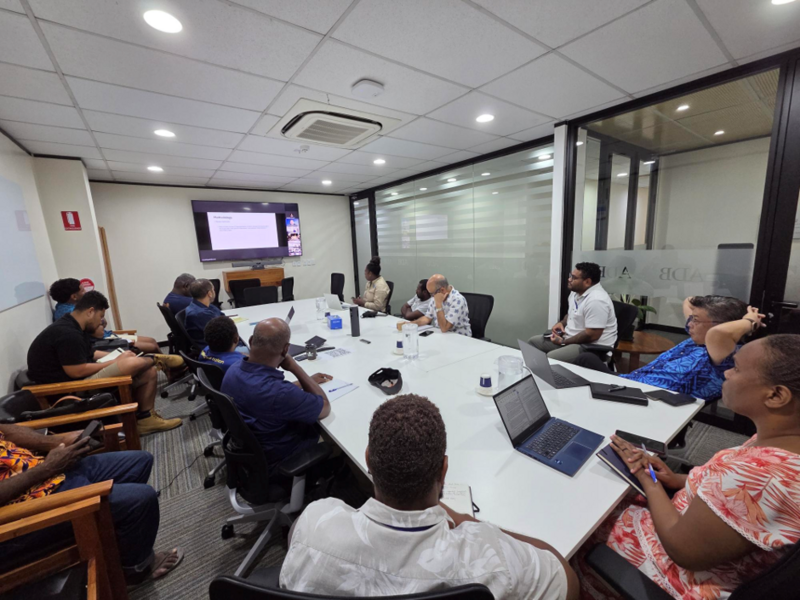
The survey, presented by consultant Gerard Fitzgerald to project stakeholders and development partners, assessed changes in social and economic conditions since the 2020 baseline study conducted before construction began. Participants included representatives from Tina Hydropower Ltd., Solomon Power, the Asian Development Bank (ADB), the World Bank, and other project partners.
The study found that household livelihoods have shifted significantly, driven largely by the growth of artisanal gold panning alongside cocoa production and employment opportunities created during the project's construction. While household incomes have generally increased, the gains have been uneven, with a higher proportion of households living below the international poverty line compared with the 2020 baseline.
Researchers also reported improvements in housing, road access, electricity, water supply and access to basic services. More than half of survey respondents said the project had positively affected their communities, citing employment opportunities, infrastructure improvements and stronger engagement with project developers.
However, residents continued to raise concerns over river turbidity, dust, traffic safety and other construction-related impacts. The survey also found that many households still rely on rivers for water because some water supply systems remain non-operational, while perceptions of unequal distribution of project benefits and unmet community expectations persist.
The study identified emerging social challenges, including increased alcohol consumption, road safety issues and concerns about the long-term sustainability of community infrastructure. Project officials said the findings will help guide ongoing social monitoring, community engagement and project planning as construction progresses.
The Tina River Hydropower Development Project is the Solomon Islands' first utility-scale renewable energy project. Once completed, it is expected to provide cleaner, more reliable and more affordable electricity while reducing the country's dependence on imported diesel for power generation.
The project is being implemented by the Solomon Islands government with financing and support from the Asian Development Bank, World Bank, Green Climate Fund, Abu Dhabi Fund for Development, the Government of Australia, and the Export-Import Bank of Korea's Economic Development Cooperation Fund.