The Solomon Islands took part in the 8th General Assembly of the International Solar Alliance (ISA), held from 27 to 30 October 2025 at the Bharat Mandapam Exhibition Hall in New Delhi.
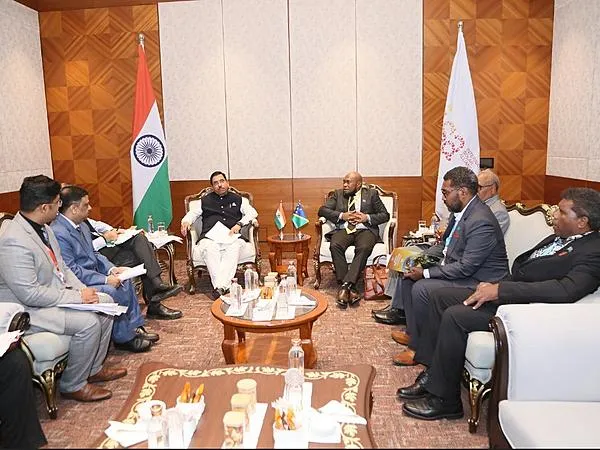
The delegation was led by Derick Rawcliff Manuari, Minister of Mines, Energy and Rural Electrification, and included senior officials from the Ministry’s Energy Division, alongside representatives from the Solomon Islands High Commission in New Delhi.
The Assembly’s opening plenary was inaugurated on 28 October by Droupadi Murmu, President of India, and brought together dignitaries and delegates from 124 member states, as well as representatives from multilateral organisations such as the Asian Development Bank (ADB) and the World Bank Group, alongside solar energy experts from leading research institutions.
The gathering focused on promoting global solar cooperation, expanding access to affordable solar energy, and accelerating the transition to clean and sustainable power.
During the Assembly, Manuari reiterated the Solomon Islands’ call for initiatives that support the deployment of affordable and resilient solar technologies tailored to the unique context of small island developing states (SIDS).
He also highlighted the need to establish an ISA Regional Office in the Pacific to strengthen collaboration and enhance the participation of Pacific Island countries in ISA’s programmes.
“In the policy and regulatory discussions, it is essential to form meaningful partnerships with the Alliance to strengthen our regulatory environment and develop a clear national solar roadmap,” Hon. Manuari said. “This will ensure that our renewable energy transition is both strategic and inclusive.”
On the sidelines of the Assembly, the Solomon Islands delegation engaged in roundtable discussions with other SIDS members, participated in panel dialogues with ISA executives, and held a bilateral meeting with the President of the International Solar Alliance and the Union Minister of New and Renewable Energy of the Government of India.
The 8th ISA General Assembly concluded with member countries reaffirming their commitment to advancing global cooperation in solar and renewable energy. Solomon Islands joined other SIDS in co-signing a joint declaration, pledging to accelerate solar energy deployment across island nations through strengthened collaboration with the ISA.
Since its inception, the International Solar Alliance has served as an important platform for promoting renewable energy financing and technology cooperation among developing countries.
Solomon Islands Delegation to the 8th ISA General Assembly:
REnew Pacific’s Respond Global project has reached the halfway mark in its mission to power up remote healthcare facilities across Vanuatu, switching on clean energy and water systems at five health facilities in Sanma Province. The upgrades, completed last month, are improving care for the 11,700 people the facilities serve.
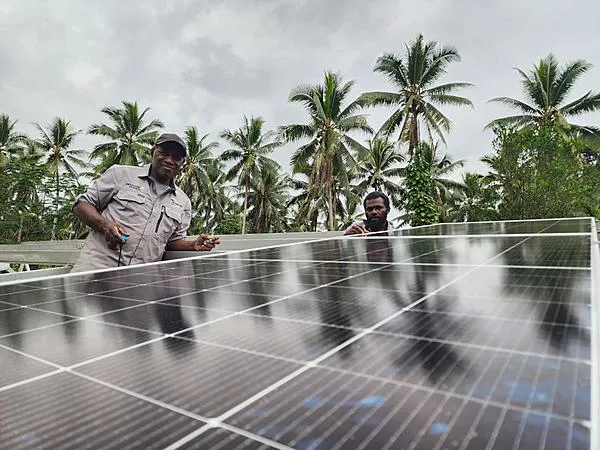
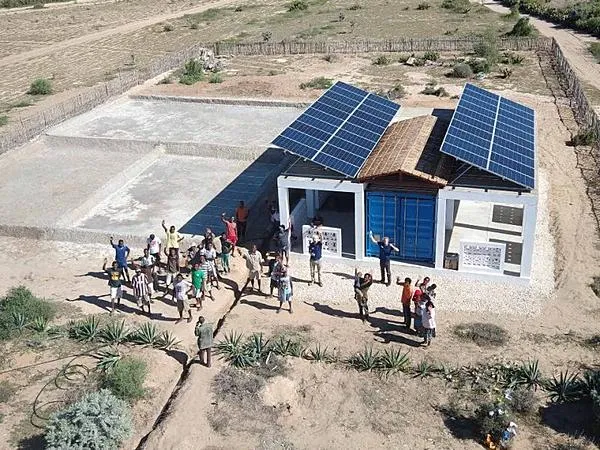
The HELPR-1 team completed a challenging month-long deployment in August to electrify and refurbish some of the province’s most remote health centres. New off-grid solar systems were installed at Saramauri Health Centre, Vulesepe Dispensary and Pessena Dispensary, while essential refurbishments restored and extended existing systems at Stonehill and Tasiriki Dispensaries.
The work went beyond energy. Repairs to water, sanitation and hygiene (WASH) facilities were carried out at every site, and Saramauri Health Centre received its first consignment of modern medical equipment, including a patient monitor, oxygen concentrator, defibrillator, autoclave and foetal doppler — giving staff the tools they need to deliver better care.
Two students from the Vanuatu Institute of Technology joined the mission, gaining hands-on experience and contributing to the next generation of Vanuatu’s clean energy workforce.
Delivered in partnership with Vanuatu’s National Green Energy Fund through REnew Pacific, the HELPR-1 Climate Adaptation Programme is working to install 20 new off-grid solar systems and refurbish 20 more across all six provinces. With Sanma now online, the programme is halfway to its goal of benefiting more than 80,000 people in remote communities with cleaner energy, safer water and stronger healthcare.
Australian High Commissioner to Vanuatu Max Willis said: “When health workers have reliable power and safe water, communities are healthier and more resilient. Australia is proud to be working with Respond Global and the Government of Vanuatu to deliver clean, reliable energy where it’s needed most. With HELPR-1 at its halfway point, we are seeing the impact multiply across the islands, transforming healthcare for tens of thousands of people across Vanuatu.”
Dr Ian Norton, Managing Director of Respond Global, said: “We thank Australia for their support for this impactful project, and for the partnership of the Ministry of Health and Department of Energy. We believe everyone deserves access to health services, even in remote and hard-to-reach islands."
"This project means those services now have power, clean water, and, thanks to the Australian Government, extra medical equipment and supplies delivered as part of this REnew Pacific project," Norton added.
REnew Pacific is the Australian Government’s $75 million commitment to expanding clean, reliable off-grid renewable energy in rural and remote Pacific and Timor-Leste communities.
Over the next five years, the programme will fund locally led projects that improve lighting, water, healthcare, education, agriculture and resilient livelihoods. It is part of the Pacific Climate Infrastructure Financing Partnership (PCIFP), a $350 million initiative focused on climate infrastructure in the region, delivered by the Australian Government’s Australian Infrastructure Financing Facility for the Pacific (AIFFP).
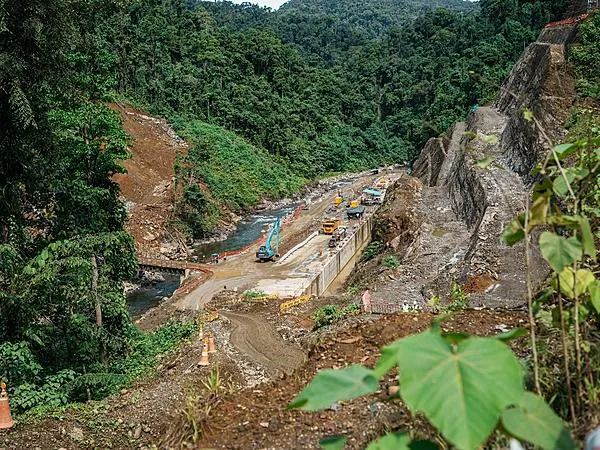
The Concessional Financing Partners (CFPs), led by the World Bank (WB) and the Asian Development Bank (ADB), have completed a week-long safeguard mission to the Tina River Hydropower Development Project (TRHDP).
The mission brought together the Project Office (PO) representing the Solomon Islands Government (SIG), Tina Hydropower Limited (THL), Hyundai Engineering Corporation (HEC), Sinohydro, and other partners to review environmental and social performance and to agree on the next steps.
The programme began on 23 September with the CFP delegation holding its first official meeting with the PO, which represents the SIG. Discussions focused on the implementation of the Construction Environmental and Social Management Plans (CESMP), the monitoring and reporting of safeguards, gender-related initiatives, and the protection of the Upper Tina Catchment.
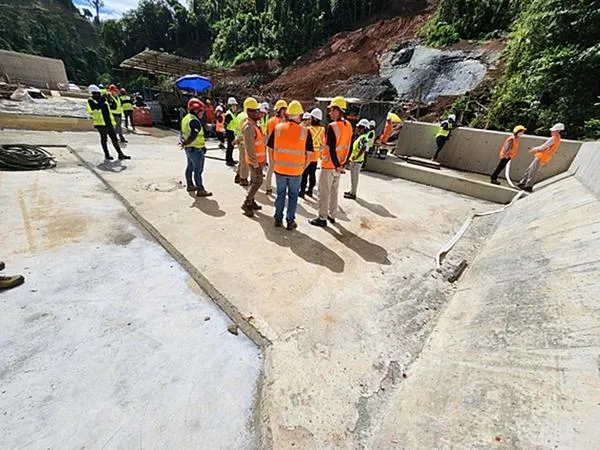
On 24 September, the mission team, together with project stakeholders, visited all operational sites — including the dam site, powerhouse, workers’ camps, aggregate areas, disposal sites, access roads, biodiversity zones, and surrounding communities. During the visit, the delegation engaged directly with THL and HEC — the Engineering, Procurement and Construction (EPC) contractor — and their subcontractor. The day concluded with a meeting between the safeguard teams of HEC and THL to discuss safety issues identified during the visit and measures to ensure compliance.
The mission continued on 25 September with a thematic meeting led by the World Bank and ADB. Project stakeholders provided updates, reviewed recent site observations, and identified areas requiring further attention. The ADB also facilitated a session on the Environmental and Social Framework (ESF), highlighting how strengthened safeguards can promote safer and more sustainable development outcomes for both communities and the environment.
The TRHDP is the first large-scale renewable energy project in the Solomon Islands, delivering benefits such as more affordable electricity and improved access to cleaner, more reliable energy sources for communities — both now and in the future.
The project is being implemented by the Solomon Islands Government, with financing and support from the Abu Dhabi Fund for Development, the Asian Development Bank, the Government of Australia, the Green Climate Fund, the Korea EX-IM Economic Development Cooperation Fund, and the World Bank.
Solomon Islands has secured a seat on the International Renewable Energy Agency (IRENA) Council for the first time, marking a milestone in the country’s growing role in global climate and energy discussions.
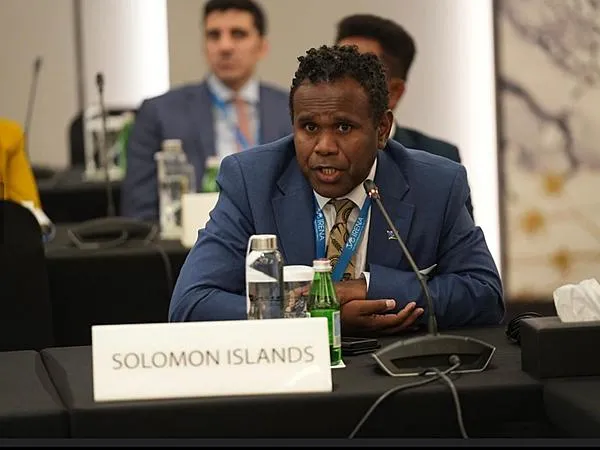
The nation was elected as a member of the Asia-Pacific Group at IRENA’s 29th Council Meeting, held in Abu Dhabi from 10–12 September. Its two-year term will begin on 11 September 2025, succeeding the Kingdom of Tonga, which served from 2023–2025.
For Solomon Islanders, the achievement carries both symbolic weight and practical importance. It is the first time the country has been chosen to represent the Pacific within the Asia-Pacific Group since the Council’s establishment.
Ambassador to the UAE and Permanent Representative to IRENA, Cornelius Walegerea, said the appointment gave the Pacific a stronger voice at the global table.
“As a member of the Council representing the Pacific, Solomon Islands looks forward to working with IRENA during its tenure to advocate and amplify the call for the international community to meet their climate change commitments and support Pacific Island countries with their renewable energy needs," Walegerea said.
The Abu Dhabi meeting drew government officials, diplomats and energy experts from around the world. Discussions ranged from global energy security to advancing next-generation renewable technologies, with a strong focus on solar power and strengthening regional manufacturing.
The Solomon Islands delegation was led by Walegerea and included Gabriel Aimaea, Director of Energy in the Ministry of Mines, Energy and Rural Electrification, and Paul Avoso Pandarongo, Second Secretary at the Solomon Islands Embassy in the UAE.
For a nation facing the daily realities of climate change, from rising seas to fragile infrastructure, the Council seat is more than a diplomatic victory. It is a chance to press for solutions that matter to Pacific communities, where renewable energy is not only about sustainability but survival.
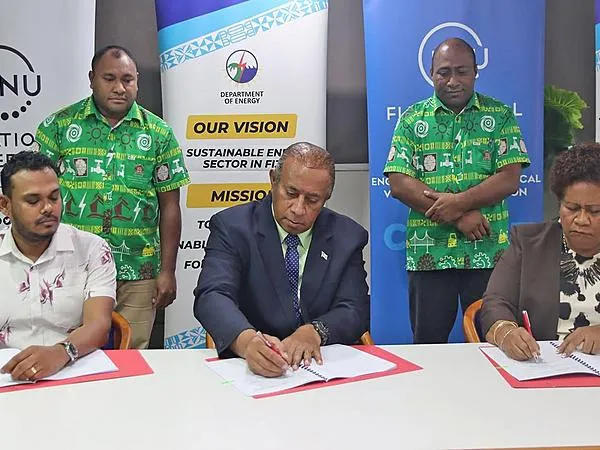
Ro Filipe Tuisawau, Minister for Public Works, Meteorological Services and Transport, on 5 September officiated at the signing of a Memorandum of Understanding between the Fiji Government, Fiji National University (FNU) and the International Solar Alliance (ISA) to advance the country’s renewable energy transition.
The agreement paves the way for the creation of the Solar Technology and Application Resource Centre (STAR-C) at FNU’s College of Engineering and Technical, Vocational Education & Training, with funding support from ISA.
Minister Tuisawau described STAR-C as “a hub for training, knowledge sharing, and expertise in solar energy technologies,” and said it marks a milestone in Fiji’s clean energy journey.
The centre will focus on training and capacity building in solar technologies, testing and quality assurance of solar equipment, knowledge management and research, as well as entrepreneurial development and community empowerment.
“This MoU reflects the deepening energy cooperation between Fiji and India, and underscores our ambitious targets of achieving 100% renewable energy by 2030 and net-zero emissions by 2050,” Tuisawau said.
He stressed the importance of working with academic institutions to address persistent challenges in the solar sector, including knowledge and skills gaps, financing constraints, limited awareness and supply chain barriers.
“The establishment of STAR-C will help develop a new generation of skilled researchers, technicians, and project managers in the solar field, while ensuring quality standards and supporting entrepreneurship,” he said.
Tuisawau thanked ISA and FNU for their collaboration, noting that such partnerships will be vital in overcoming barriers to renewable energy adoption.
“Achieving a renewable energy future is not easy. Challenges will arise, but with partnerships such as this, we open new opportunities. No country can address energy challenges alone. Building strong international and institutional partnerships is essential,” he said.
The government reaffirmed its commitment to working with stakeholders to ensure a sustainable and energy-secure future for Fiji.
The ISA, launched in 2015 by India and France at the Paris Climate Conference, is an international organisation that works with more than 110 member countries to promote solar energy deployment and technology transfer. In the Pacific, ISA has been supporting small island developing states with solar projects, technical training and concessional financing to help reduce reliance on fossil fuels.
An ISA spokesperson welcomed the signing, saying the partnership with Fiji demonstrated the alliance’s commitment to ensuring no country is left behind in the global shift to clean energy. “Through STAR-C, Fiji will not only strengthen its technical expertise but also emerge as a regional leader in solar innovation,” the spokesperson said.
Bluemont has become the sole distributor of Elemental Water Makers’ solar-powered desalination systems across Australia, New Zealand, and the Pacific Islands, expanding access to sustainable freshwater solutions in some of the world’s most climate-vulnerable regions.
Elemental Water Makers, a Netherlands-based company, designs systems that convert seawater or brackish water into clean, drinkable water using only solar energy—without diesel, chemicals, or emissions. The technology is positioned as a cost-effective alternative to rainwater tanks, diesel-driven plants, and ageing bores that remain the mainstay in many remote islands, coastal villages, and drought-hit communities.
Bluemont has already collaborated with Elemental Water Makers over the past year, installing units that serve both small island populations and off-grid eco-resorts. With exclusive rights now in place, the company will manage supply, installation, and ongoing support across the region.
“This partnership comes at a time when demand for climate-resilient, low-maintenance water solutions is growing fast across Australasia and the Pacific,” said Paul Hart, Partner and Project Manager at Bluemont®. “We’re excited to deliver proven, chemical-free desalination technology to the communities that need it most.”
The move comes as Pacific nations continue to grapple with water insecurity driven by rising sea levels, saltwater intrusion, and prolonged droughts. By offering solar-powered desalination, Bluemont® aims to help reduce reliance on fossil fuels while strengthening resilience to climate change.
The Asian Development Bank (ADB) and Sun Pacific Energy Ltd (SPEL) have signed a US$2.8 million (approximately AU$4.3 million) loan to expand renewable energy generation in Samoa.
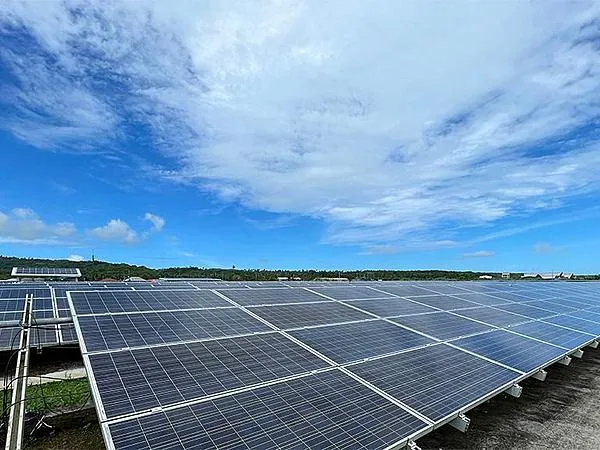
The financing will upgrade and expand SPEL’s Upolu Solar Farm—Samoa’s first independent power producer (IPP)—by installing high-efficiency solar panels. The expansion is expected to deliver 9.6 gigawatt-hours of clean energy annually and cut carbon dioxide emissions by a further 1,944 tonnes. The plant, located at Faleolo International Airport, operates under a 20-year power purchase agreement with the state-owned Electric Power Corporation.
Samoa has faced mounting pressure on its power grid, with prolonged outages caused by generator failures, storm damage, and surging demand. In March this year, the government declared a 30-day state of emergency after widespread blackouts.
“This is the second expansion of SPEL’s solar farm,” said Aaron Batten, Regional Director of ADB’s Pacific Subregional Office. “The generated power will support the delivery of a reliable and sustainable power supply, which will spur economic activity, benefitting commercial, industrial, and residential consumers.”
The deal also supports Samoa’s climate goals, including a 26 per cent cut in greenhouse gas emissions by 2030 and sourcing at least 70 per cent of its electricity from renewables by 2031.
“ADB enabled us to create a financing package that is not available in the market due to limited financial players,” said SPEL Chief Executive Officer Jamie Harrison. “This project is deeply rooted in our mission of providing accessible, clean energy to the people of Samoa.”
The project will receive additional backing through a US$225,000 technical assistance grant from the Australian Climate Finance Partnership, administered by ADB, to strengthen private-sector climate initiatives in the Pacific.
BOULOUPARIS, New Caledonia — Christopher Gygès, member of the New Caledonia government responsible for energy, led the launch of several renewable energy projects in Boulouparis on Friday, 18 July at 10 a.m. at the TotalEnergies Renouvelables Pacific site.
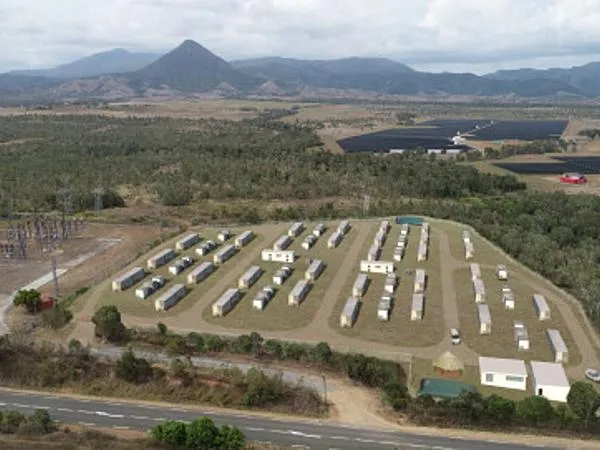
Joined by Pascal Vittori, mayor of Boulouparis, as well as representatives from TotalEnergies Renouvelables France, Akuo Energy and Enercal, Gygès unveiled the Boulouparis Grande Batterie and the 60 MWp Boulouparis 3 photovoltaic farm — two key components of New Caledonia’s accelerating clean energy transition.
In 2016, New Caledonia adopted its Energy Transition Plan (STENC). A revised version, known as STENC 2.0, was approved by Congress in August 2023. It focuses on decarbonising the metallurgy industry, promoting carbon-free mobility and improving energy efficiency.
Three major private sector-led projects in Boulouparis are central to achieving STENC 2.0’s objectives:
“These private initiatives are among the largest national and European projects,” said Gygès. “They demonstrate a genuine desire to green New Caledonia's energy mix and above all to provide affordable, carbon-free energy both to Caledonians and to the metallurgy sector.”
The projects are also expected to boost energy independence, create jobs and stimulate the construction sector.
“With this 15 billion [CFP franc] in private investment (approx. US$135 million) and the 200 jobs subsequently created, we have the opportunity to build a sector with the added bonus of training young Caledonians who will be able to sustain this sector of activity,” Gygès added.
TotalEnergies and Enercal sign agreement for Boulouparis 3
Following the commissioning of Units 1 (12 MWp) and 2 (16 MWp + 10 MWh storage) in 2017 and 2019, TotalEnergies and Enercal have signed the power purchase agreement (PPA) for Unit 3, a crucial step towards launching this next phase. Once completed, the three units will form the largest photovoltaic site in New Caledonia and one of the five largest in France, with a combined capacity of nearly 90 MWp.
Europe's largest battery project in final phase
Akuo Energy’s Boulouparis Large Battery project is now in its final financing stage. Designed as one of the largest electricity storage systems in Europe, the battery will offer 150 MWh of capacity and 50 MW of output over three hours.
The battery will provide key technical capabilities tailored to local needs:
The project is also grounded in community participation, with local groups GDPL Wiwa and Wije holding shares. Risk management measures include a full hazard study and close cooperation with the Civil Security Risk Management Department (DSCGR) and the Boulouparis fire brigade.
Enercal upgrades infrastructure for integration
To connect the solar plant and battery to the Grande Terre transmission network, Enercal is expanding the capacity of its Boulouparis source substation — the key link between high-voltage transmission and medium-voltage distribution networks.
The substation’s capacity has been increased from 45 MVA to 100 MVA, enabling it to handle the full output of local renewable projects. This expansion ensures:
Additional improvements to the existing station include:
Parallel work on the grid will allow both the Boulouparis 3 solar plant and the storage battery to connect seamlessly to the substation, including:
Thanks to Enercal’s network upgrades, both solar generation and battery storage will be centrally managed from Enercal’s control centre in Nouméa. This centralised oversight will optimise solar production and ensure it is available when Caledonian households need it most.
Honiara, Solomon Islands, June 26, 2025 — The Tina River Hydropower Development Project last week welcomed senior representatives from the Asian Development Bank (ADB) and the World Bank for a joint site visit to see firsthand the momentum building behind Solomon Islands’ first large-scale renewable energy project.
The high-level delegation, which included ADB Director Emma Veve and World Bank Country Director for the Pacific and Papua New Guinea, Stephen Ndegwa, toured key sites along the Tina River corridor and reviewed critical progress. This included the near-completion of over 95 percent of the project’s access roads, which are already improving connectivity for local communities and enabling major construction activities.
A milestone noted during the visit was the arrival earlier this year of the Tunnel Boring Machine, (TBM) one of the largest pieces of infrastructure equipment ever brought into the country. This boring machine will excavate the 3.2-kilometer waterway tunnel that will carry water from the dam to the powerhouse, forming the heart of the hydropower system.
“The steady advancement of this landmark project stands to transform how Solomon Islanders power their homes, schools, and businesses,” said Stephen Ndegwa, World Bank Country Director for the Pacific and Papua New Guinea. “The Tina River Hydropower project shows how strong partnerships can have lasting impacts. It is unlocking the country’s renewable potential while also supporting community benefit sharing programs for communities around the dam site.”
ADB Director Emma Veve added, “This is a standout example of how Solomon Islands is working with international partners to meet long-term energy and climate goals. It is encouraging to see the project moving forward hand-in-hand with local communities.”
The next major task is to prepare for construction of the main dam. This involves completing a 232-meter-long diversion culvert box by the end of June, which will safely redirect river water around the site during construction. Once complete, upstream and downstream cofferdams will be built, paving the way for main dam works to start early next year.
Meanwhile, preparations are underway to assemble and test the TBM in August, with full-scale tunneling scheduled to commence in November. By the end of this year, all major groundwork for the dam will be in place. This will allow the main dam construction to begin in 2026 and mark a new phase of accelerated progress.
The Tina River Hydropower Project is expected to reduce Honiara’s dependence on imported diesel for electricity by more than 65 percent, delivering significant savings and environmental benefits. The project is already generating local jobs and business opportunities, with programs in place to ensure surrounding communities benefit directly from this historic investment.
The Tina River Hydropower Development Project is led by the Solomon Islands Government, with financing and support from the Abu Dhabi Fund for Development, the Asian Development Bank, the Government of Australia, the Green Climate Fund, Korea EX-IM Economic Development Cooperation Fund, and the World Bank.
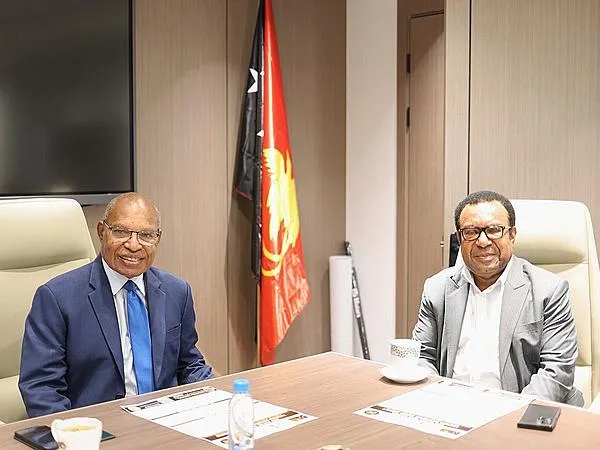
Minister for International Trade and Investment Richard Maru has declared his full support for the proposed 90-megawatt Kaugel Hydropower Project in the Southern Highlands Province, calling it a “transformational project of highest national priority.”
“The proposed K2.5 billion (USD 625 million) project, which will take four years to construct, has my highest support. This is a transformational project. We have a very high demand for cheaper, clean and reliable electricity in our country not only for our people but importantly to drive economic growth,” Maru said.
The minister called on all stakeholders to collaborate with the project’s proponents — including Kaugel Hydro Limited, landowners and the respective Provincial Governments of Southern Highlands, Enga and Western Highlands — to unlock the project’s potential and prioritise it for development.
“The Kaugel Hydropower Project is precisely the scale and quality of foreign direct investment PNG must prioritise. This hydro can provide long-term electricity to Porgera Mine, the proposed Baiyer and Ruti SEZ, Mt Hagen City and parts of Southern Highlands Province,” he said.
Maru also underscored the need for reliable electricity in the Highlands region, citing the deteriorating condition of the existing grid infrastructure including the Yonki hydro scheme, which is no longer able to meet demand.
“Persistent power outages stifle growth, deter investment and hold our people and country back from progress and development,” he said.
The minister also stressed the importance of securing broad community support and equitable benefits, especially for landowners and provincial governments involved.
“Clearly, we have to secure a social license for the project by securing clear landowner equity participation and business spin-off benefits, the participation in equity by the respective Provincial Governments and other benefits. These are critical issues that must be handled carefully and sensitively,” Maru stated.
According to the minister, the Kaugel Hydropower Project aligns with national goals for rural electrification, industrial development and the shift to low-emission energy systems.
He thanked Kaugel Hydro Limited Managing Director Karl Yalo and his team for their continued efforts to progress the project.
“We wish them every success to secure anchor customers to make the project bankable and we also hope that they can secure license from the National Energy Authority,” said Maru.
He added that his ministry and department remain fully committed to supporting the project.
“My Ministry and Department stands ready to champion this potential high impact and transformational project to demonstrate the unwavering commitment of the Marape-Rosso Government to renewable energy transition, equitable distribution of benefits and setting the foundations for a better and brighter future for our people and country as we celebrate 50 years of independence and chart our way forward for the next 50 years,” he said.
Follow on LinkedIn:
Pacific Business Review
Be the "First" to get our exclusive Digital Magazine & Weekly Newsletter.