April 22, 2026

Fiji and Singapore have reaffirmed their strategic partnership with a renewed focus on energy security and supply chain resilience, as global fuel market uncertainties continue to weigh on Pacific economies.

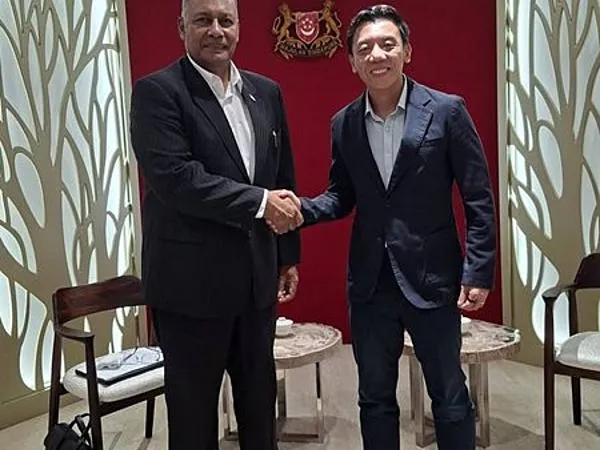
Fiji’s Minister for Foreign Affairs and External Trade, Sakiasi Ditoka, met with Singapore’s Assistant Minister for Transport and Senior Minister of State for Finance, Jeffrey Siow, on April 16 in Singapore to advance bilateral cooperation in critical sectors.

Talks centred on ensuring fuel supply continuity, strengthening logistics systems and enhancing resilience across regional supply chains, amid ongoing volatility in global energy markets.

Ditoka underscored Fiji’s growing challenges, including elevated fuel costs and persistent shipping delays, while highlighting the country’s strategic role as a fuel distribution hub for Pacific Island states.

“The security of Fiji is inseparable from the security of the Blue Pacific,” Ditoka said, noting that discussions are shifting from short-term crisis management toward long-term energy resilience planning.

Singapore officials reiterated that, despite tight global supply conditions, the country has implemented safeguards such as strategic fuel reserves and supply management systems to maintain stability. Both sides also acknowledged that port congestion and shipping delays are expected to ease in the near term.

The meeting explored longer-term collaboration, including support for Fiji in developing a national fuel security strategy, expanding storage capacity and strengthening domestic supply systems. Opportunities in energy transition pathways were also discussed as part of broader sustainability goals.

Officials agreed to continue technical engagements between relevant agencies to advance these priorities.

Beyond energy cooperation, both countries reaffirmed their shared commitment to a rules-based international order, particularly under the United Nations Convention on the Law of the Sea, emphasizing the importance of maritime stability for island economies.

Singapore also acknowledged Fiji’s support in multilateral processes, including elections at the International Maritime Organization, reflecting close coordination on global maritime governance.

Both sides welcomed ongoing collaboration in maritime and aviation sectors, including training and capacity-building initiatives for Fijian officials aimed at strengthening regional connectivity.

The meeting concluded with both countries expressing confidence in expanding practical cooperation to enhance energy security, economic resilience and sustainable development across Fiji and the wider Pacific region.

April 15, 2026

New Caledonia is moving forward with plans to develop a pumped storage hydroelectric facility at Tontouta, a project aimed at strengthening energy security, supporting renewable integration and reducing reliance on imported fuels.

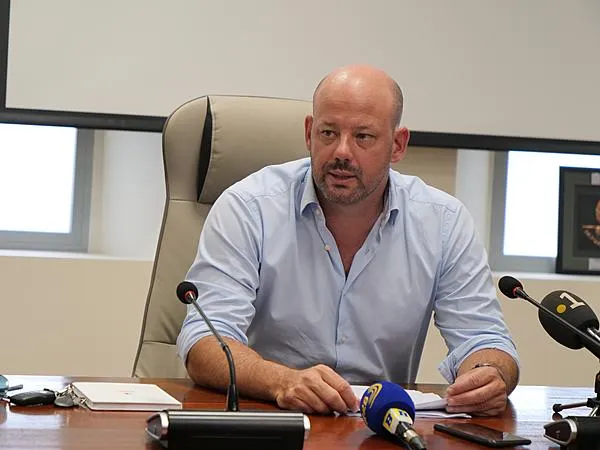
Government member Christopher Gygès and Jean-Gabriel Faget, chief executive of Enercal, said the project marks a significant step towards greater energy independence for the French Pacific territory.

The proposed pumped storage hydroelectric plant (PSHP) will store excess electricity generated by solar installations during the day and release it during periods of high demand or when renewable output is low, particularly at night.

Pumped storage systems operate through a closed-loop process involving two reservoirs at different elevations. During periods of surplus generation, water is pumped to an upper reservoir using excess electricity. When demand rises, the stored water is released back to a lower reservoir, driving turbines to generate power.

Officials said the facility is expected to deliver around 900 megawatt-hours of storage capacity, equivalent to roughly 35% of annual electricity consumption in New Caledonia excluding the metallurgy sector, or about a quarter of the needs of Société Le Nickel (SLN).

The project could avoid an estimated 225,000 tonnes of carbon dioxide emissions annually — comparable to removing around 100,000 cars from the road — while reducing fuel consumption by approximately 65,000 tonnes per year.

Construction is expected to take four years, with commissioning targeted for 2032. The plant is designed for an operational lifespan exceeding 60 years. During construction, the project is expected to support around 130 jobs, with approximately 15 permanent roles once operational.

Faget said the project would address the intermittency of renewable energy sources such as solar and wind, which are dependent on weather conditions and can result in unused surplus generation.

“Thanks to this facility, surplus solar energy produced during the day can be stored and used in the evening and at night, whereas currently it is either sold or lost,” he said.

Currently, part of New Caledonia’s excess solar production is sold to SLN, while the remainder is not stored but still compensated, contributing to higher electricity costs.

Authorities said the project would also support the decarbonisation of the territory’s energy-intensive metallurgy sector by providing a more stable and potentially lower-cost electricity supply.

Gygès said a call for expressions of interest has been launched to enable local companies to participate in the project, which is expected to inject around 22 billion Pacific francs into the domestic economy.

“All types of work will be involved, from engineering to earthworks, ensuring significant local economic benefits,” he said.

Beyond its economic impact, officials described the project as a strategic investment to reduce exposure to global energy market volatility, which has historically affected the competitiveness of New Caledonia’s mining industry and household electricity costs.

Preliminary design studies will be co-financed by the French state under the New Caledonia refounding pact.

Under the current timeline, detailed design and financing studies are scheduled for 2026–2027, with construction expected to begin in 2028 and commissioning planned for 2032.

March 26, 2026

The Government of New Caledonia has adopted a draft resolution calling on the French State to extend its electricity cost equalisation mechanism to the territory, in a move aimed at easing energy costs and supporting economic recovery.

The decision was approved during the Government’s weekly meeting on 25 March, with authorities seeking to include New Caledonia in the reimbursement system that compensates excess electricity production costs in overseas areas not connected to mainland France’s grid.

Under France’s existing framework, tariff equalisation ensures that electricity prices remain broadly comparable across the country by offsetting higher production costs in non-interconnected zones such as Guadeloupe, Guyana, Martinique, Réunion, Mayotte and Wallis-et-Futuna. The mechanism is designed to uphold national solidarity and provide households and businesses in overseas territories with access to energy under conditions similar to those in metropolitan France.

At present, New Caledonia and French Polynesia are the only French territories not covered by the scheme.

Government spokesperson Christopher Gygès said extending the mechanism would address growing concerns over purchasing power, particularly as global pressures, including the conflict in the Middle East, risk further increasing energy costs.

In New Caledonia, electricity prices are structurally higher due to factors such as geographic isolation, limited market size and reliance on imported energy inputs. These costs place additional pressure on households while also affecting the competitiveness of businesses and the wider economy.

Electricity plays a central role in the territory’s economic structure, particularly in industrial and metallurgical activities, as well as in the operation of public services and critical infrastructure. As a result, energy pricing is regarded as a key determinant of both economic stability and growth.

The Government said that, in the current challenging economic environment, reducing electricity costs could serve as an important lever to support business activity, protect purchasing power and aid the territory’s economic recovery.

By seeking inclusion in the equalisation scheme, New Caledonia aims to align itself with the broader principle of national solidarity applied across other overseas territories. The proposal also extends to French Polynesia, which faces similar structural constraints.

The draft resolution will now be submitted to the French State for consideration, with authorities emphasising that the extension of the mechanism would promote equity while supporting the sustainable economic development of France’s overseas regions.

March 23, 2026

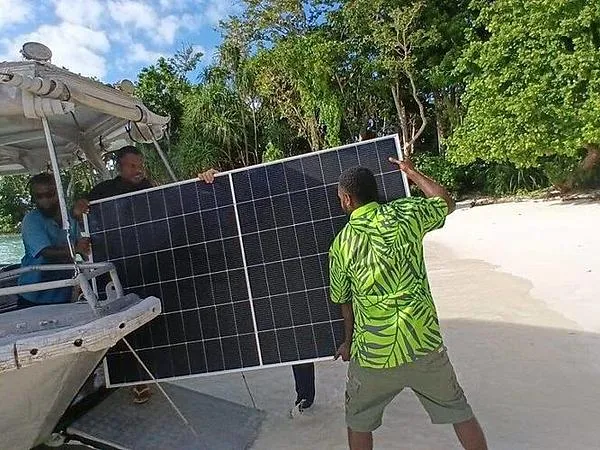
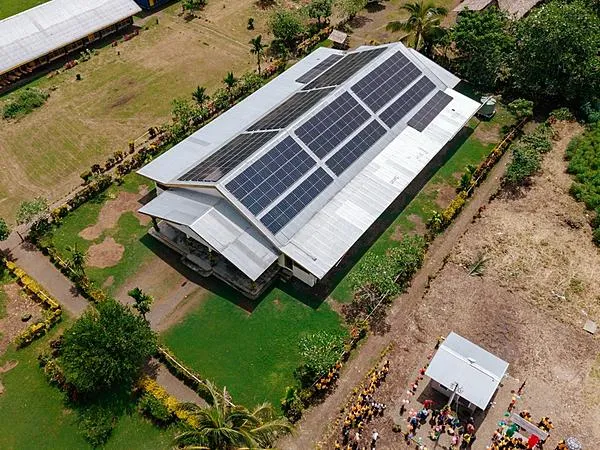
A new solar energy system is now powering Sir Dudley Tuti College in Isabel Province, improving access to reliable electricity for one of the Solomon Islands’ largest and most remote secondary schools.

The installation marks the first Solomon Islands project under the REnew Pacific programme, delivered by local renewable energy provider Superfly. The system supplies clean and dependable power to around 820 students — including about 600 boarders — as well as staff housing and nearby community facilities.

Previously reliant on costly and unreliable diesel generation, the college is expected to benefit from round-the-clock electricity while significantly reducing fuel consumption and operating costs.

The project was officially launched by Member of Parliament for Gao/Bugotu Trevor Hedley Mahaga, alongside representatives from the Australian High Commission and the school community led by principal Dudley Uata.

Australia’s High Commissioner to Solomon Islands, Jeff Roach, said the initiative reflects Canberra’s commitment to expanding access to renewable energy in remote areas.

“The solar hybrid system installation at Sir Dudley Tuti College demonstrates Australia’s commitment to supporting expanded access to renewable sources of energy in remote and rural areas,” Roach said.

Mahaga said the investment would have lasting benefits for education and community wellbeing in Isabel Province.

“Reliable solar power will enable brighter classrooms, safer dormitories and dependable services across the campus, giving students and teachers more opportunities to learn, teach and live well after dark,” he said.

Sir Dudley Tuti College is one of three sites supported under the REnew Pacific programme, which aims to deliver off-grid renewable energy solutions to more than 81,000 people across Isabel, Western and Malaita provinces.

Other projects include a hybrid solar system at Atoifi Adventist Hospital in Eastern Malaita to support emergency and maternity services, as well as installations at Goldie College in Western Province to benefit students and surrounding communities.

Superfly director Gavin Pereira said the company was pleased to work with local stakeholders to deliver the project.

REnew Pacific is part of Australia’s A$75 million investment in off-grid renewable energy across the Pacific and Timor-Leste. The initiative falls under the Pacific Climate Infrastructure Financing Partnership, a A$350 million programme delivered through the Australian Infrastructure Financing Facility for the Pacific and implemented by Palladium.

March 19, 2026

The Fijian government has approved the implementation of a Renewable Hybrid Project (RHP) at Bouwaqa Village in Vatulele, marking a step forward in rural electrification and clean energy deployment.

The RHP is a grant-funded pilot initiative supported by the United Kingdom government and implemented by AEON Energy Group. It aims to test the integration of solar, wind and wave energy technologies within a hybrid mini-grid system designed for remote island communities.

The project will begin with the installation of a 50-kilowatt solar photovoltaic system with battery storage, forming the initial phase of a broader hybrid energy platform. Subsequent phases are expected to incorporate wind and wave energy technologies to enhance reliability and enable more continuous power generation.

AEON Energy Group’s model focuses on combining multiple renewable energy sources into a single decentralised grid, reducing reliance on diesel and improving energy security in isolated areas. The approach aligns with emerging efforts across the Pacific to deploy hybrid mini-grids capable of delivering stable, round-the-clock electricity in geographically dispersed island settings.

The project is linked to United Kingdom-backed clean energy innovation programmes, including initiatives that support the development of smart green grids and pilot technologies for Small Island Developing States. These programmes aim to demonstrate the technical and commercial viability of hybrid renewable systems in challenging environments.

Hybrid systems are increasingly being prioritised in Fiji’s energy strategy due to their ability to improve reliability, lower fuel import costs and strengthen resilience against climate-related disruptions. The integration of wave energy, in particular, represents a relatively new approach in the Pacific and positions the Vatulele project as a test case for next-generation renewable energy solutions.

The government said the project would contribute to expanding energy access in rural communities while supporting broader national goals on climate action and sustainable development.

March 18, 2026

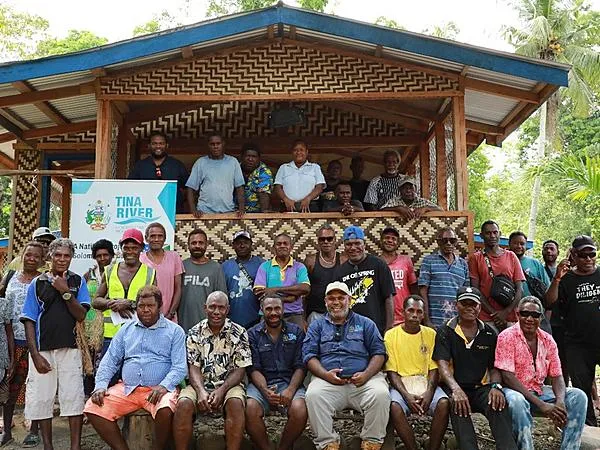
The Lasi Tribal Group in Central Guadalcanal has taken a step forward in advancing a proposed protected area in the Upper Tina Catchment, following a two-day consultation facilitated by the Tina River Hydropower Development Project (TRHDP) Project Office and government partners.

The consultation, held on Feb. 25–26 at Turaranga Community in Vulolo Ward, concluded with participants expressing in-principle support to progress the Barahau–Longa area through the Protected Areas Act 2010 process.

Discussions also identified the Resource Management Category as the preferred designation, subject to further customary consultations, boundary discussions and completion of legal requirements.

The sessions provided awareness on the protected areas process, enabled dialogue on customary land ownership and boundaries, and introduced a mapping exercise to identify taboo sites, cultural landmarks and tribal boundaries.

Participants also elected a Management Committee representing sister tribes to guide the next phase of the process, including engagement with neighbouring tribes and preparation of a draft management plan and budget.

Members of the Lasi Tribal Group expressed interest in continuing discussions on conservation arrangements for the Barahau–Longa area, contingent on further internal consultation and agreement.

The newly formed committee will coordinate with government agencies and development partners to progress documentation required under the protected areas framework.

As part of the consultation, participants undertook preliminary tribal mapping and agreed to engage neighbouring tribes on boundary alignment ahead of formal boundary-signing consultations.

The initiative forms part of a nationally recognised 12-step process for establishing protected areas, which includes community consultations, mapping, planning and eventual declaration by the Ministry of Environment, Climate Change, Disaster Management and Meteorology.

Officials said the process allows tribes to proceed at their own pace, guided by consensus and customary decision-making, an approach reinforced during earlier consultations in the Upper Tina Catchment in December 2025.

John Walenenea Jr., biodiversity officer for TRHDP, said the Lasi Tribal Group’s decision demonstrated strong local leadership and commitment to conservation.

“The Lasi Tribal Group’s decision reflects strong local leadership and a shared commitment to protect biodiversity, water resources and cultural heritage while allowing sustainable community use,” he said. “Today’s outcome moves us from awareness into action.”

Trevor Maeda of the Environment and Conservation Division said the Protected Areas Act provides a legal framework for customary landowners to safeguard their land.

“The Protected Areas Act provides a clear legal framework for customary landowners to safeguard their lands for future generations,” he said. “The Lasi community has taken a decisive step, and MECDM will continue to guide them through the remaining steps of the process.”

The Management Committee, based in the Bahomea region, is expected to convene with support from the Project Office to review meeting outcomes, undertake boundary consultations with neighbouring tribes and initiate a management plan and budget for the proposed area.

TRHDP’s biodiversity engagements in the Upper Tina Catchment aim to support community-led conservation by aligning customary processes with national requirements, with a focus on consensus-building, dispute resolution, boundary clarity and governance readiness.

The Tina River Hydropower Development Project is the first large-scale renewable energy project in the Solomon Islands, aimed at delivering more affordable electricity and improving access to cleaner, more reliable energy for communities. The project is being implemented by the Solomon Islands Government with financing and support from the Abu Dhabi Fund for Development, the Asian Development Bank, the Government of Australia, the Green Climate Fund, Korea EX-IM Economic Development Cooperation Fund, and the World Bank.

March 03, 2026

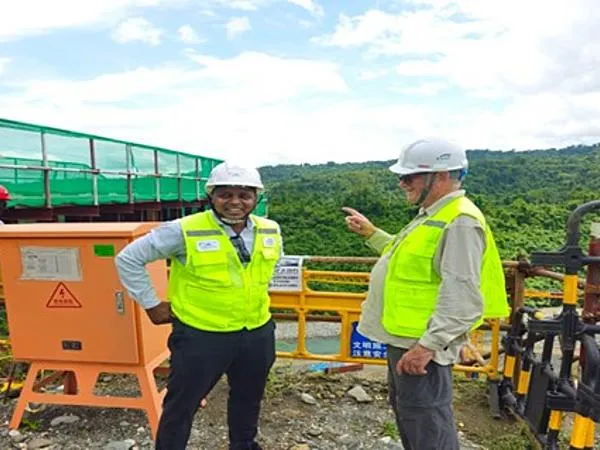
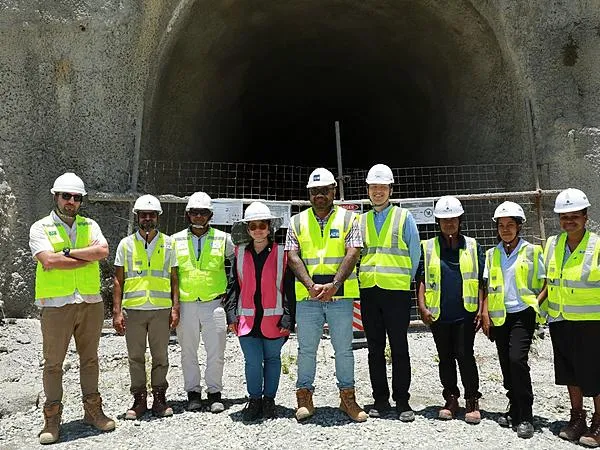
The United Kingdom’s High Commissioner to Solomon Islands, Paul Turner, visited the Tina River Hydropower Development Project site on 20 February to observe progress on the country’s flagship renewable energy initiative.

Turner, accompanied by a team of UK energy specialists, began the visit at Garivera Campsite, where the delegation received an induction presentation outlining construction progress, safety protocols and key engineering milestones. The group then proceeded to the dam site before concluding at the powerhouse site, including the main tunnel system currently under development.

The United Kingdom is a major contributor to the Green Climate Fund, one of the principal financiers of the hydropower project.

“Tina Hydro is a transformational project for Solomons, and the UK is delighted to be supporting it through our funding of the Green Climate Fund (GCF). The GCF is the largest contributor to Tina Hydro, and the UK will continue to be the strongest of advocates,” Turner said.

The project is Solomon Islands’ first large-scale renewable energy initiative and is expected to reduce reliance on diesel power generation, lower electricity costs and support the country’s national climate commitments.

The High Commissioner’s visit underscores the UK’s ongoing partnership with Solomon Islands and its support for sustainable infrastructure delivering long-term social, environmental and economic benefits.

The hydropower development is led by the Solomon Islands Government, with financing and support from the Abu Dhabi Fund for Development, Asian Development Bank, Government of Australia, Green Climate Fund, Korea Eximbank and the World Bank.

The Tina River Hydropower Development Project is being implemented by the Solomon Islands Government to deliver more affordable electricity and improve access to cleaner, more reliable energy sources for communities. Further information is available at www.tina-hydro.com.
February 19, 2026

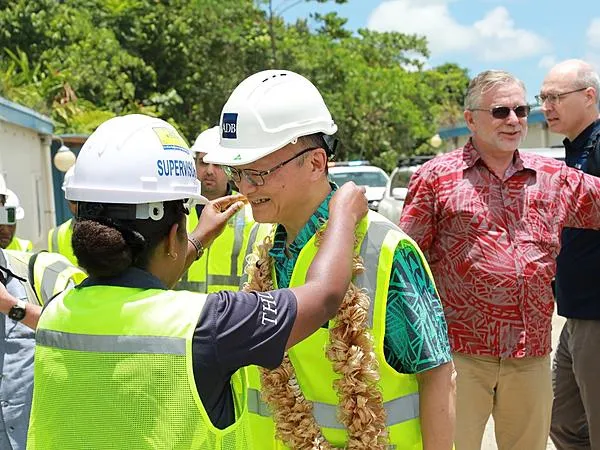
President of the Asian Development Bank (ADB), Masato Kanda, has described the Tina River Hydropower Project as a transformational initiative following his visit to the site on 16 February 2026.

Speaking during the visit, President Kanda said the project, once completed, will provide clean and reliable electricity to Honiara, supplying more than two-thirds of the city’s power needs.

“This 15-megawatt plant will mark a major milestone in shifting the Solomon Islands towards clean energy,” President Kanda said. “This transition will reduce electricity costs, helping businesses and communities thrive while ensuring long-term sustainability.”

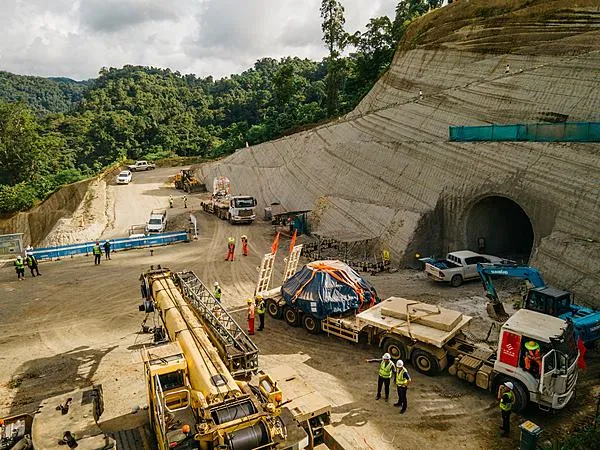
During his tour, President Kanda observed construction progress from a vantage point above the riverbed, noting significant advancements. He highlighted that tunnelling works are expected to commence soon, followed by construction of the dam wall, which will rise 72 metres and span approximately 234 metres.

ADB is supporting the project with an USD 18 million concessional loan and a USD 12 million grant from its Asian Development Fund. President Kanda emphasised that across the Pacific, ADB continues to expand access to electricity and strengthen energy security through similar initiatives.

He further underscored the importance of partnerships in delivering major infrastructure projects, stating that the Tina River Hydropower Project reflects ADB’s commitment to quality infrastructure and effective collaboration.

ADB is working closely with the Government of Solomon Islands, the World Bank Group, Australia, the Green Climate Fund, the Abu Dhabi Fund for Development, and the Export–Import Bank of Korea to ensure the project’s success.

“Together, we are turning this project into reality to benefit the people of the Solomon Islands for generations to come,” President Kanda said.

February 18, 2026

A joint team from the World Bank and the Asian Development Bank (ADB) visited the Tina River Hydropower Development Project (TRHDP) this week as part of their regular monitoring programme. The delegation was accompanied by the Project Office’s Environment and Social (E&S) team.

The mission focused on the Dam Site and Powerhouse Site, reviewing construction progress by Tina Hydropower Limited (THL) and Hyundai Engineering Company (HEC), and assessing compliance with environmental and social safeguards. Officials acknowledged ongoing progress and discussed upcoming milestones with site supervisors.

The monthly site visit forms an essential part of donor oversight, ensuring that construction work continues to meet international standards and that project commitments to safety, sustainability, and community wellbeing are upheld.

The Project Office E&S team provided updates on current activities, ongoing mitigation measures, and any emerging issues requiring attention. The World Bank and ADB teams acknowledged the progress being made and engaged with site supervisors to discuss upcoming milestones for the next phase of construction.

Project overview

TRHDP is the Solomon Islands’ first large‑scale renewable energy project, designed to reduce reliance on diesel power and provide cleaner, more affordable electricity to Honiara and surrounding regions.

  • Capacity: 15 MW

  • Annual generation: ~78 GWh, covering 70–80 % of Honiara’s electricity needs

  • Transmission: 22 km 66 kV line connecting the plant to the city grid

  • Target commissioning: early 2028

Civil works began in late 2024, with road access nearly complete and dam and powerhouse construction well underway. As of early 2025, overall project completion was estimated at 23 %, with the access road at 87 %.

Financing and partnerships

The project is delivered through a public–private partnership with financing from the World Bank, ADB, Abu Dhabi Fund for Development, Australian Government, Green Climate Fund, and Korea EX‑IM Economic Development Cooperation Fund. Total financing exceeds US$200 million, supporting construction, transmission, and community benefit programmes.

Impact

TRHDP will:

  • Provide reliable, affordable energy and reduce diesel reliance

  • Cut greenhouse gas emissions, supporting national climate goals

  • Stimulate local employment and economic growth through construction and community programmes

The monthly compliance visits highlight the continued oversight of donor partners as TRHDP progresses toward delivering a major renewable energy milestone for the Solomon Islands.

For updates, visit: www.tina-hydro.com
February 16, 2026

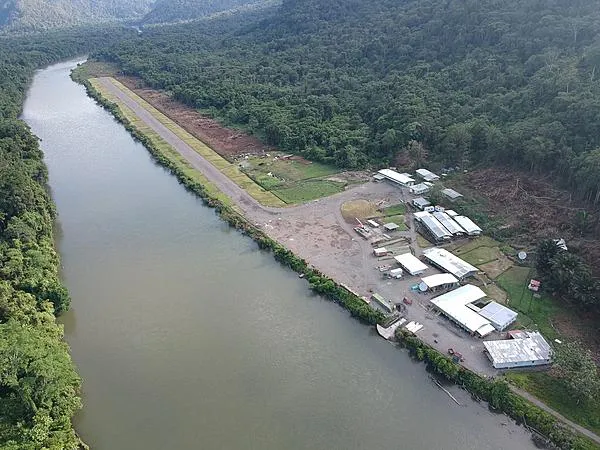
The Sepik Development Project (SDP) is a nation-building initiative in Papua New Guinea, delivering transformative infrastructure, renewable power, and essential services to remote communities while responsibly developing one of the world’s largest gold and copper deposits.

“Utilising world-leading engineering and renewable-powered design, the project is committed to protecting the Sepik River ecosystem and ensuring the safety of its communities,” said a Frieda River Limited spokesperson.

Designed as one of the lowest-emission mining projects globally, the SDP supports Papua New Guinea’s commitment to energy transition and sustainable resource development. The mine will be powered by a hydroelectric dam, producing a surplus of 270 MW of electricity. This power will connect to the national grid, supplying industries and communities in the northern border frontier with clean, reliable energy, while contributing to the reduction of PNG’s long-term carbon emissions.

The dam design, which continues to be strengthened and refined, incorporates world-class tailings and waste management technology to effectively mitigate risks to the Sepik River and surrounding ecosystem. It has been engineered to withstand high rainfall and seismic activity, with an embankment and spillway designed to safely accommodate extreme water flows and potential earthquake events.

Water quality will be managed through advanced waste and water-management techniques, including underwater tailings storage and active treatment of open-pit water. The project’s design is informed by one of PNG’s most extensive environmental data programmes, supported by a decade of baseline studies and biodiversity surveys.

Scientific modelling indicates that impacts on downstream water quality and marine life are expected to be minimal, with significant safeguards in place to protect surrounding and downstream communities. The facility is designed to store water and permanently contain process tailings and mine waste rock. Ongoing water quality monitoring will be conducted at two checkpoints during wastewater discharge activities to ensure the Sepik River and surrounding environment remain protected.

“The safety of the Sepik and its communities is a key priority for the project, guided by four principles: technically appropriate, environmentally safe, socially responsible, and financially profitable,” the spokesperson added.

“The Sepik Development Project is committed to genuine, inclusive engagement with communities, ensuring local voices shape how the project is planned and delivered. We believe this nation-building initiative should deliver substantial economic and social benefits to Sepik communities and PNG more broadly. We are actively listening to and working with our stakeholders to ensure this outcome.”

The spokesperson also noted, “We will continue to engage fully and openly with stakeholders through our annual community engagement programmes within the project’s infrastructure and riverine footprint corridor. We welcome questions, feedback, and guidance from communities as we work to deliver a project that brings tangible benefits to landowners, local communities, and PNG as a whole.”

Frieda River Limited is a significant subsidiary of the PanAust Limited Group. In addition to its pre-development opportunities in Papua New Guinea, PanAust Limited owns Phu Bia Mining — an award-winning dual operation in Laos — and has development projects in Chile.

An Australian-incorporated company, PanAust is owned by Guangdong Rising H.K. (Holding) Limited, a wholly owned subsidiary of Guangdong Rising Holding Group Co., Ltd. (GDRH), a Chinese state-owned company regulated under the State-owned Assets Supervision and Administration Commission of the People’s Government of Guangdong Province.

February 03, 2026

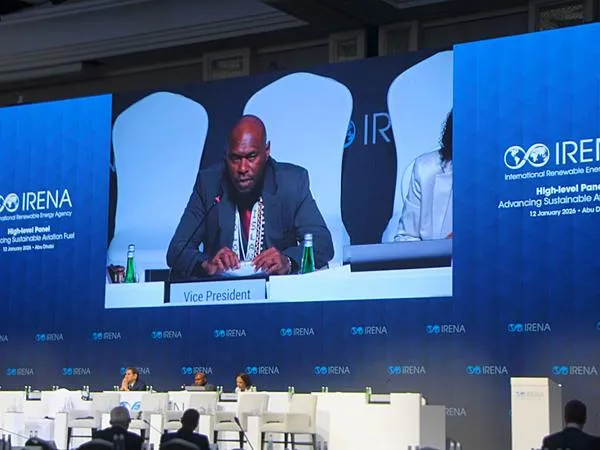
Solomon Islands has been elected as Vice President for the Asia-Pacific Group at the 16th Assembly of the International Renewable Energy Agency (IRENA), recently held in Abu Dhabi, United Arab Emirates. The position was previously held by the UAE during the last Assembly.

The Minister for Mines, Energy and Rural Electrification, Derek Rawcliffe Manu’ari, expressed gratitude for the strong support and confidence placed in Solomon Islands to represent the highly diverse Asia-Pacific region.

“While Solomon Islands is a Small Island Developing State in the Pacific, we look forward to working closely with all Member States to ensure that energy transition pathways are just, inclusive and seamless—pathways that put people first and respond to the renewable energy needs of SIDS within their unique development contexts,” said Manu’ari.

He further highlighted that for Solomon Islands and other Pacific Small Island Developing States (SIDS), the energy transition goes beyond decarbonisation.

“It is about survival, resilience and dignity. A just transition means affordable access to energy, stronger and more empowered communities and resilient energy systems capable of withstanding the impacts of future cyclones,” Manu’ari added.

As Vice President, Solomon Islands will consult and coordinate with Asia-Pacific Member States on matters relating to IRENA’s work, ensuring that issues are addressed constructively and in the best interests of all Members. The Vice Presidency is a rotational role that provides guidance and support to the IRENA Secretariat, Council and Member States.

A key focus during Solomon Islands’ tenure will be the withdrawal of the United States from IRENA, a development expected to influence the Agency’s work programme and budget. Manu’ari stressed that support for SIDS must remain a priority and any revisions to the work programme or budget should not undermine assistance to these nations.

On the sidelines of the Assembly, Manu’ari also chaired a High-Level Panel discussion on “Advancing Sustainable Aviation Fuel through Partnership and Finance,” underscoring the critical role of collaboration and investment in accelerating sustainable solutions within the aviation sector.

The election of Solomon Islands as Vice President reflects its growing role in international renewable energy governance and its commitment to advocating for inclusive and resilient energy transitions that meet the unique needs of Small Island Developing States.

January 14, 2026

Remote health facilities across Vanuatu are now safer, brighter, and better equipped, following the completion of all planned solar installations under the Australian Government-funded REnew Pacific program.

Respond Global’s HELPR-1 team completed the project in record time, delivering Vanuatu’s first fully operational REnew Pacific project since the program launched in March 2025.

The initiative, carried out in partnership with Vanuatu’s National Green Energy Fund, installed 20 new off-grid solar systems and refurbished 20 existing systems across all six provinces. The final installation was completed at Mamalu Vanua Dispensary in Naviso, which had never before had proper electrification.

HELPR-1 now provides reliable solar power to some of Vanuatu’s most remote clinics and hospitals, improving healthcare access for more than 80,000 people.

Australian High Commissioner to Vanuatu, Max Willis, described the project as “an early Christmas present for remote communities.”

“As one of the first REnew Pacific projects to start and the first to finish, HELPR-1 shows the strength of the Vanuatu-Australia partnership,” he said. “These systems strengthen local health services, ensure vital equipment can operate when needed, and help communities overcome the challenges of distance and isolation.”

The project delivered upgrades tailored to each facility, including energy-efficient lighting, battery systems, water pumps, and priority medical equipment. Facilities such as Quatvaes Hospital and Saramauri Health Centre can now operate x-ray machines, ultrasounds, and other diagnostic tools for the first time. Local health workers were trained to maintain the new systems, ensuring long-term reliability.

Dr Basil Leodoro, Director of HELPR-1 Operations at Respond Global, said: “When the power is stable, care is safer. This work means more emergencies handled on site, safer deliveries for mothers and babies, and greater confidence for our health workers every day.”

REnew Pacific is the Australian Government’s $75 million program to expand off-grid renewable energy in rural and remote communities across the Pacific and Timor-Leste. It is part of the $350 million Pacific Climate Infrastructure Financing Partnership (PCIFP) and is implemented by Palladium through the Australian Infrastructure Financing Facility for the Pacific (AIFFP).

December 16, 2025

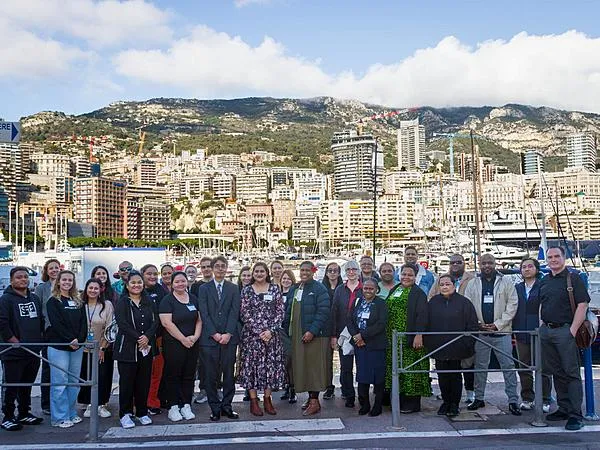
Officials from across the Pacific Islands recently participated in the inaugural training course on Marine Radioactivity Measurement and Assessment for Pacific Island States, aimed at strengthening regional capacity to monitor and assess marine radioactivity.

The weeklong programme, organised by the International Atomic Energy Agency (IAEA) Department of Nuclear Sciences and Applications, brought together representatives from Palau, Marshall Islands, Solomon Islands, Samoa, Vanuatu and Kiribati. Participants were also joined by representatives from the Pacific Islands Climate Action Network (PICAN) and the Pacific Islands Forum Secretariat.

Iolanda Osvath, senior scientist at IAEA and course facilitator, said the capacity-building session was a direct outcome of discussions at the Pacific Islands Leaders Meeting with the Government of Japan (PALM 10) held in Tokyo in July 2024.

“The course provided an introduction to marine radioactivity sources, levels and trends in the Pacific Ocean and offered an overview of sampling and measurement techniques, quality criteria, monitoring strategies, and radiological environmental impact assessments related to the discharge of Advanced Liquid Processing System treated water by Japan,” Ms Osvath said.

In addition to lectures, participants visited laboratories at the IAEA Marine Laboratories in Monaco — the only marine-focused laboratory within the United Nations system — gaining hands-on exposure to state-of-the-art methods for assessing radiological impacts on the marine environment.

The programme also included practical exercises on sample collection, analysis, and data interpretation, allowing participants to apply theoretical knowledge in real-world scenarios.

Participants discussed region-specific challenges such as small-island vulnerability, limited monitoring infrastructure, and the importance of harmonised reporting standards across Pacific nations.

IAEA officials highlighted ongoing support for Pacific Island states, including access to technical guidance, equipment, and collaborative research opportunities. The course concluded with a collaborative session to develop a regional roadmap for ongoing marine radioactivity monitoring and assessment, fostering stronger scientific networks across the Pacific.

December 02, 2025

The Lenders’ Technical Advisors (LTA) Nor Consult have concluded their final engagement for 2025 with stakeholders of the Tina River Hydropower Development Project (TRHDP).

The mission brought together representatives from the Project Office (PO) of the Solomon Islands Government (SIG), Tina Hydropower Limited (THL), Hyundai Engineering Corporation (HEC), World Bank funding parties, the Owner’s Engineer (OE), and other key partners. Its aim was to review overall project progress, address priority issues requiring further attention, and agree on next steps.

During the mission, the team reviewed technical and safeguard priorities including the status of powerhouse foundation design actions, slope stabilisation measures, and the updated construction schedule. Operational matters were also discussed, covering biodiversity, workers’ welfare, reservoir management, core land company administration, and progress on Upper Tina catchment initiatives.

Further attention was given to Tunnel Boring Machine progress, the Managikiki bypass variation, aggregate extraction planning, and implementation of the flood early warning system. Discussions additionally covered technical financing and contractual matters, transmission line contracting with Solomon Power, PO staffing and inspection routines, and preparations for the March 2026 combined mission.

The one-week programme commenced on Monday, 24 November, with a joint site visit facilitated by the PO E&S Team to review field observations and key construction activities, including works at the right abutment and the RCC dam batching plant area.

On 25 November, the mission continued with discussions on priority project issues in relation to Occupational Health and Safety (OHS) matters with the PO, followed by a meeting with THL and HEC to review actions arising from the previous combined mission.

On 26 November, the team carried out a wide-ranging technical site assessment, detailed reviews of environmental and social matters with THL and HEC, and a targeted session with the PO E&S Team on incident reporting, monitoring, reservoir preparation, and upper catchment activities.

Engagements on 27 November included meetings with CBSP and Solomon Power, followed by a briefing to the World Bank and ongoing PO–LTA coordination. The mission concluded on 28 November with technical and E&S wrap-up meetings. LTA specialists confirmed their availability for further consultations as required before departing the country on 1 December 2025.

The TRHDP is the Solomon Islands’ first large-scale renewable energy project, aimed at delivering more affordable electricity and improving access to cleaner, more reliable energy for communities. The project is implemented by the Solomon Islands Government with financing and support from the Abu Dhabi Fund for Development, the Asian Development Bank, the Government of Australia, the Green Climate Fund, Korea EX-IM Economic Development Cooperation Fund, and the World Bank.

November 25, 2025

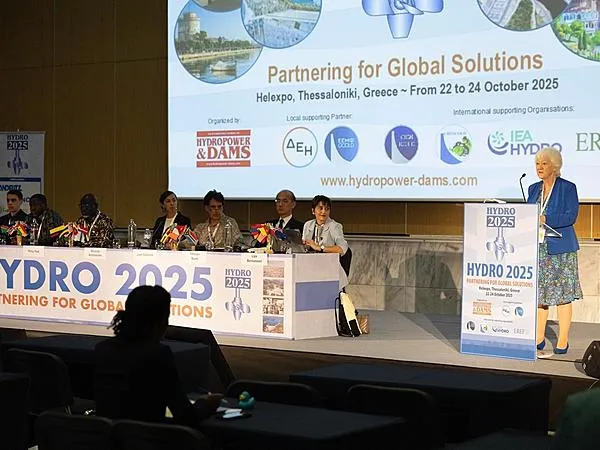
The Solomon Islands’ push for cleaner, more reliable and affordable energy gained renewed momentum as the Tina River Hydropower Development Project (TRHDP) took part in one of the world’s most influential hydropower gatherings, Hydro2025, held 21–24 October in Thessaloniki, Greece.

The event brought together engineers, financiers, policymakers and environmental specialists to address the challenges and opportunities shaping the future of hydropower. Among the delegates was TRHDP Biodiversity Officer John Walenenea Jnr, who participated on behalf of the Project Office, sharing on-the-ground experience from the Pacific while learning from global best practice.

For the Solomon Islands, the conference was more than a technical exchange — it was a reminder of why the Tina River Project remains central to the nation’s long-term development. As the country’s first large-scale renewable energy project, TRHDP aims to replace costly diesel generation, reduce emissions, stabilise electricity supply and support communities with cleaner, more affordable energy. Every new skill, tool and global connection built through forums like Hydro2025 strengthens that mission.

Hydro2025 featured 37 sessions spanning nearly every aspect of modern hydropower, from climate resilience and project financing to biodiversity protection, dam safety, sedimentation management and new digital tools. For a project progressing in a seismically active, climate-sensitive region like the Solomon Islands, the relevance was direct and immediate.

Improving reservoir sustainability

Sessions on sedimentation and reservoir management showcased real-time monitoring tools designed to protect turbines and extend reservoir life. These technologies help operators make informed decisions on flushing, dredging and long-term maintenance — knowledge that could support Tina River’s future operations and reduce costs over the plant’s lifespan.

Protecting fish and biodiversity

Hydropower’s environmental footprint was a major theme, including presentations on AI-powered systems that identify fish species and track aquatic life. Such tools could strengthen environmental compliance in sensitive river ecosystems and bolster the Tina River Project’s biodiversity commitments.

Advancing dam safety

Delegates also heard how satellite-based InSAR imaging and neural-network analysis are now being used to identify new and historical landslides that may increase reservoir sedimentation or threaten structures. Integrating these systems could further enhance the Tina River Project’s monitoring and safety framework.

Building climate resilience

Climate risk assessments, including frameworks such as the Climate Change Risk Assessment (CCRA), were highlighted as essential tools for hydropower operators. Hydrological forecasting, integrated water resource management and long-term adaptation plans were also underscored as critical for safeguarding communities downstream — a priority for the Solomon Islands.

Strengthening environmental and social safeguards

Discussions on carbon footprint reduction, community engagement and contractor responsibility aligned closely with TRHDP’s ongoing social and environmental work. Early planning, material reuse and transparent monitoring were identified as effective ways to ensure community trust and environmental integrity.

Enhancing flood forecasting and management

Presentations from Japan, France and Italy demonstrated advanced flood forecasting systems that enable reservoir drawdown with minimal water loss while improving storage recovery. These tools underline the importance of strong hydrological data collection during both design and construction — an area noted as an opportunity for further policy development in the Solomon Islands.

Participation in Hydro2025 allowed the Solomon Islands Government and the Project Office team to build global networks, exchange perspectives and absorb lessons from some of the world’s most complex hydropower projects. For TRHDP, the knowledge gained supports its broader national role: delivering cleaner energy, improving reliability, lowering generation costs and reducing dependence on diesel — all while building the country’s resilience to climate change.

The Tina River Hydropower Development Project is the Solomon Islands’ first large-scale renewable energy initiative. It aims to deliver more affordable, cleaner and more reliable electricity for communities now and in the future. The project is implemented by the Solomon Islands Government with financing and support from the Abu Dhabi Fund for Development, the Asian Development Bank, the Government of Australia, the Green Climate Fund, the Korea EXIM Economic Development Cooperation Fund and the World Bank.

November 20, 2025

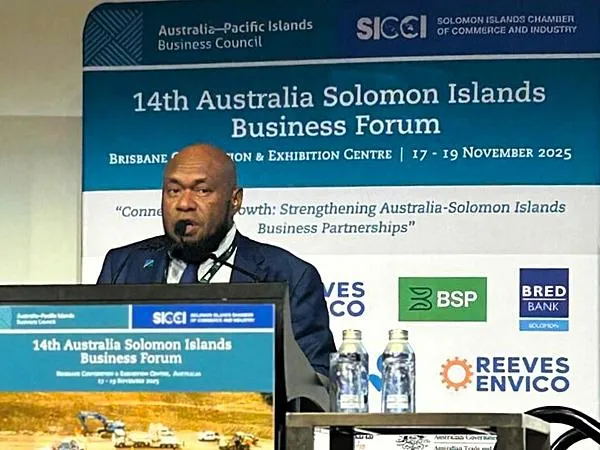
The Solomon Islands Government, through the Ministry of Mines, Energy and Rural Electrification (MMERE), highlighted its partnership with the World Bank at the 14th Australia–Solomon Islands Business Forum, underscoring efforts to strengthen mining sector transparency, governance, and investment.

Minister Derrick Rawcliffe Manuari delivered a keynote presentation, outlining the Government’s commitment to building a modern, sustainable, and investor-ready mining industry.

During the session on “Opportunities in the Solomon Islands Resources Sector,” Minister Manuari emphasised the Government’s determination to strengthen institutional, legal, and governance frameworks. He noted that the Solomon Islands is at a turning point in resource development due to growing global demand for critical minerals.

A key initiative supporting these reforms is the Sustainable Mining Development Technical Assistance Project (SMDTAP), led by the World Bank in collaboration with MMERE and the Ministry of Finance and Treasury. SMDTAP is modernising mining governance, enhancing regulatory and administrative systems, and establishing a foundation for responsible and transparent sector growth.

World Bank Senior Mining Specialist Dr. Wilfred Lus highlighted the Bank’s support in helping the Solomon Islands leverage its resource potential in line with global best practices. He stressed the importance of modern geodata, predictable regulatory systems, benefit-sharing mechanisms, and integrated infrastructure planning to attract high-quality investment.

Minister Manuari also outlined the Government’s key reforms:

  • Mineral Resources Bill (2025) – modernising sector legislation;

  • Mining Cadastre Administration System (MCAS) – enhancing licensing transparency;

  • Re-engagement with the Extractive Industries Transparency Initiative (EITI);

  • Strengthened Gender Equality & Social Inclusion (GESI) strategies;

  • Minerals Development Master Plan – identifying critical mineral corridors for copper, nickel, and gold, incorporating environmental, social, and governance (ESG) principles.

Both MMERE and the World Bank highlighted the Solomon Islands’ significant geological potential, including substantial deposits of bauxite, gold, and nickel, positioning the country as a contributor to regional and global critical-minerals supply chains.

Dr. Lus outlined upcoming World Bank support, including assistance for mineral auctions, investment packaging, data-room preparation, and shared infrastructure development in copper- and nickel-rich regions such as Guadalcanal, Isabel, and Choiseul. These initiatives aim to attract responsible investors, strengthen community benefits, and promote inclusive economic development.

The upcoming World Bank–Solomon Islands Government dialogue, scheduled for 1–4 December 2025 in Honiara, will focus on advancing sector reforms, guiding investment, and preparing for future large-scale mining operations.