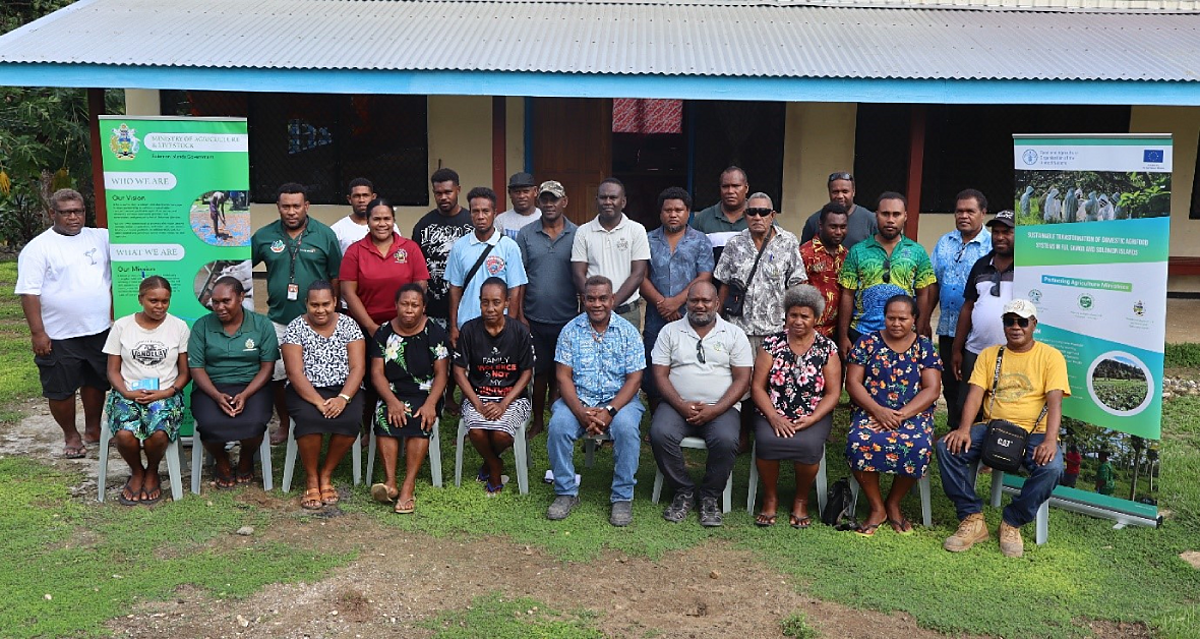
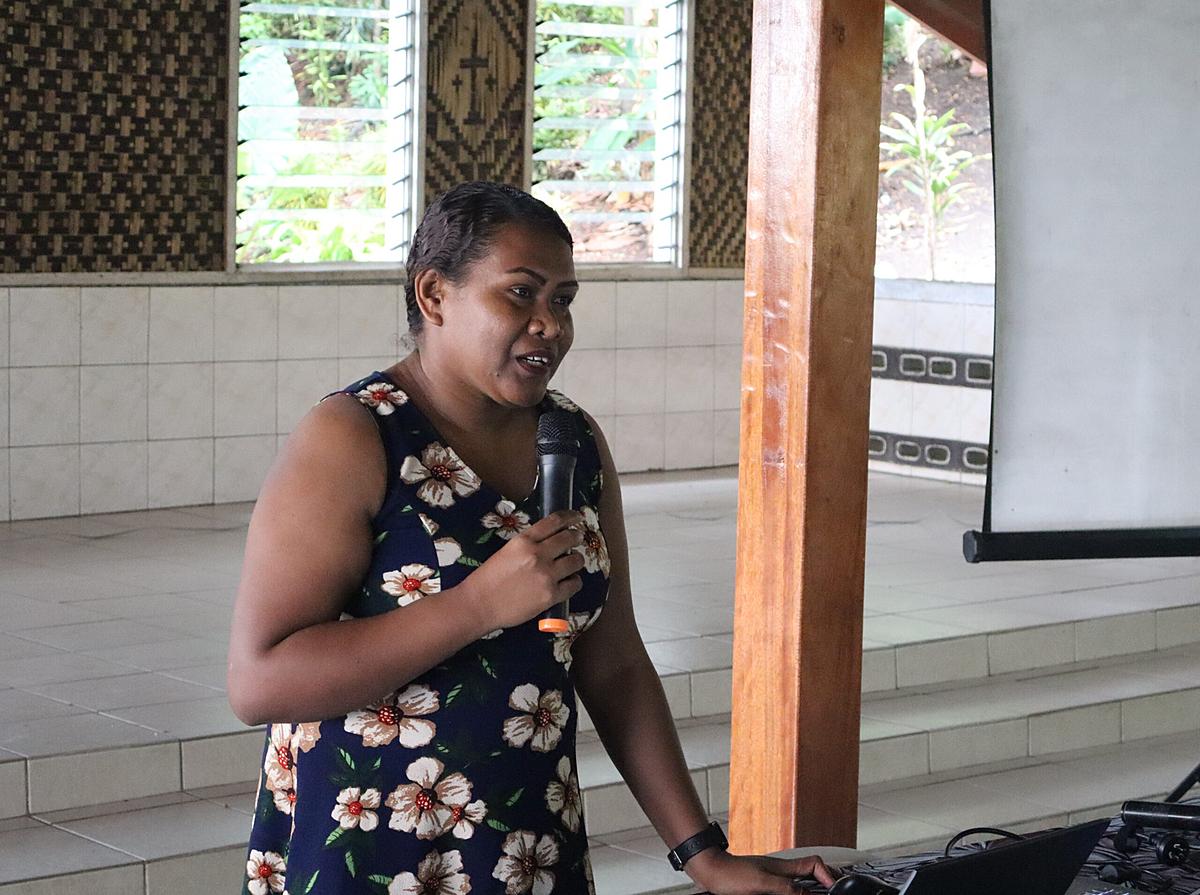
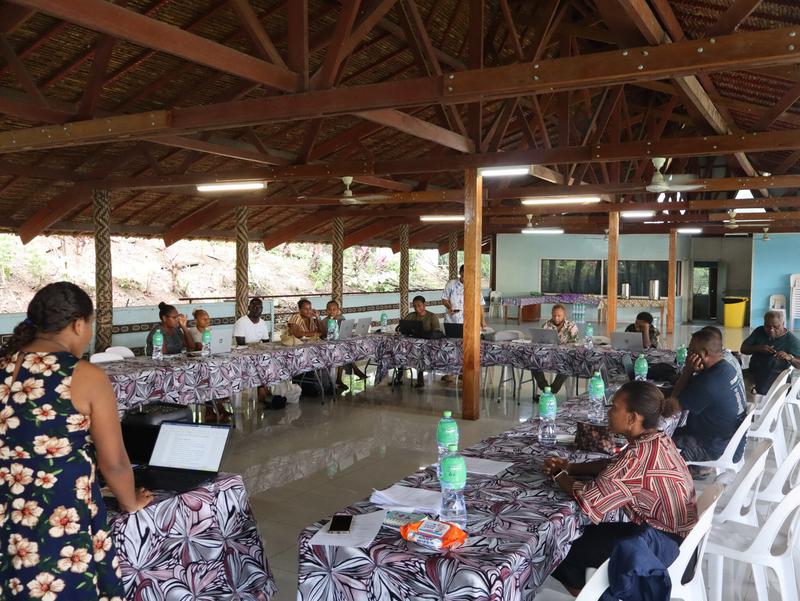
The Agriculture Investment for Markets and Nutrition (AIM-N) Project successfully conducted a Gender Equality and Social Inclusion (GESI) Induction Capacity Building Training yesterday at St Barnabas Cathedral Leaf Hat Melanesian Haus, aimed at enhancing inclusive agricultural extension and service delivery in Isabel, Western, and Choiseul provinces.
The one-day training brought together officers from the Ministry of Agriculture, AIM-N staff, extension officers, and partner organisations, highlighting a shared commitment to delivering agricultural services that are productive, equitable, and responsive to the needs of all Solomon Islanders.
In her remarks, AIM-N Project Manager Samantha Maeke emphasised the importance of integrating GESI into all aspects of agricultural programming.
“GESI is not an add-on or a donor requirement. It is about how we plan our activities, engage communities, deliver extension services, collect data, and measure success,” she said.
Maeke noted that women make up a significant proportion of the agricultural workforce in the Solomon Islands, while youth represent the future of food systems. Persons with disabilities and other marginalised groups, however, continue to face barriers in accessing land, finance, extension services, markets, and decision-making spaces. Addressing these challenges is central to the AIM-N Project’s approach to sustainable agricultural development.
.jpg)
The training aimed to:
-
Strengthen participants’ understanding of national GESI frameworks, including gender, youth, and disability policies;
-
Build a shared understanding of the AIM-N Project GESI Strategy and its application at community and field levels; and
-
Encourage practical reflection on inclusive extension and service delivery in daily work.
Participants actively engaged in discussions, shared field experiences, and identified practical actions to improve inclusion in agricultural programming.
The AIM-N Project reaffirmed its commitment to supporting GESI integration as a core component of achieving improved nutrition outcomes, resilient rural livelihoods, and sustainable agricultural development in the Solomon Islands.
The training is expected to foster stronger institutional collaboration and a renewed commitment to inclusive planning and service delivery.