
The Ministry of Agriculture and Livestock (MAL) has reaffirmed its strong commitment to supporting agribusiness development as a key driver of economic growth, rural development and food security in Solomon Islands.
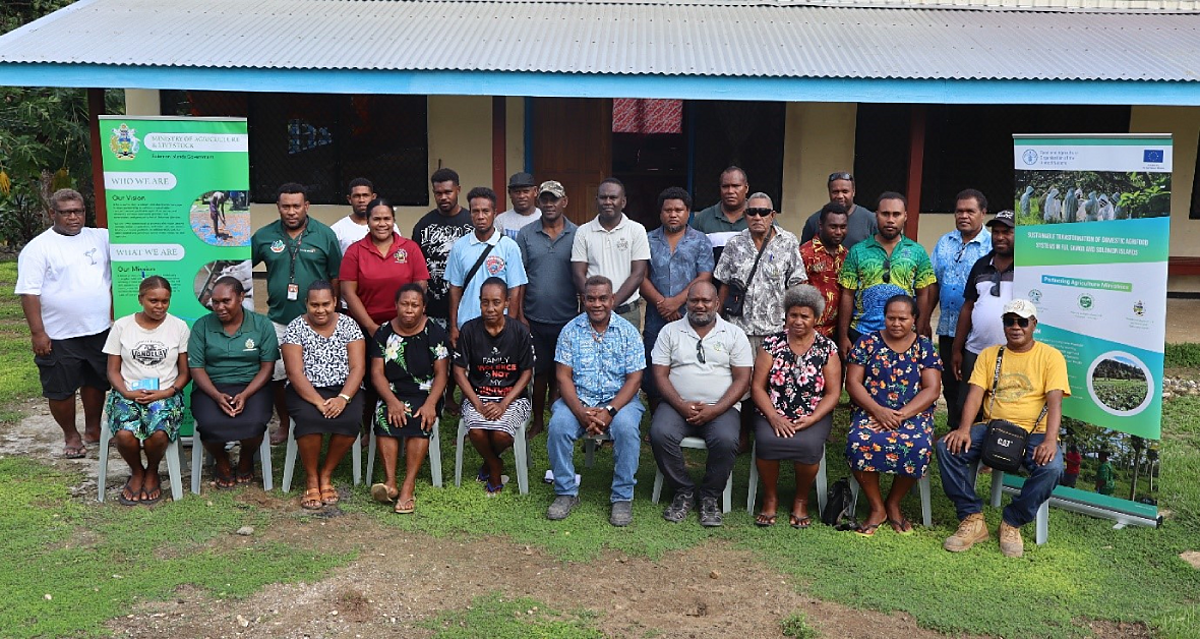
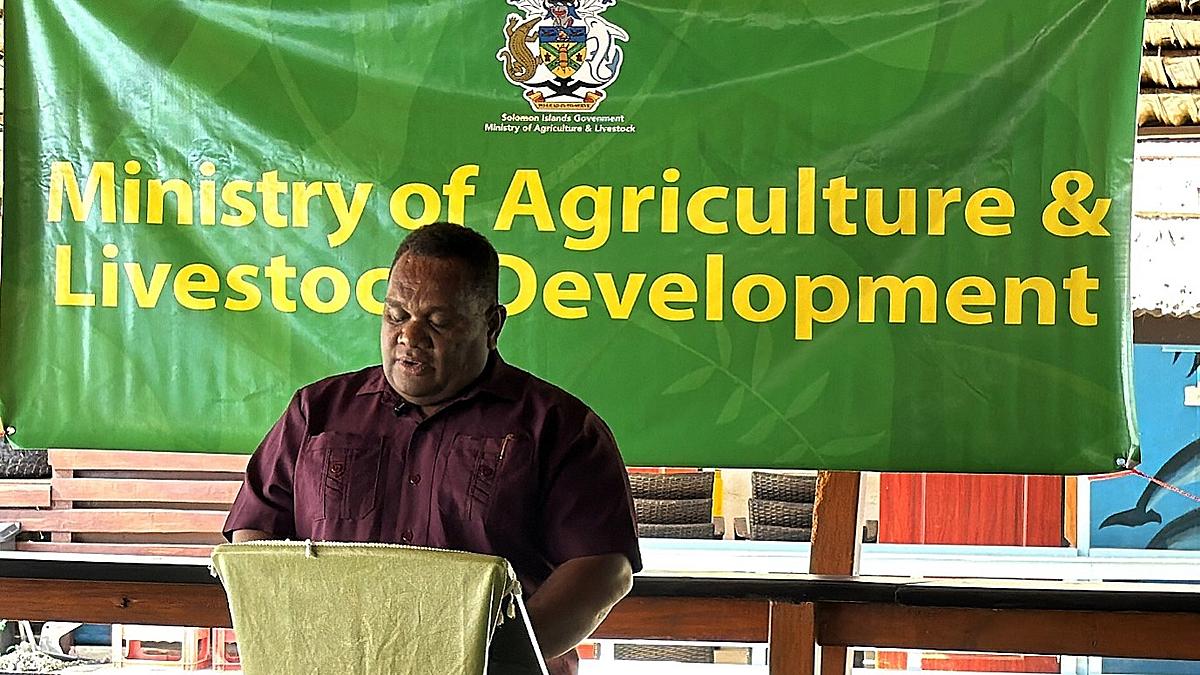
MAL Permanent Secretary Dr Samson Viulu made the statement as a five-day Human and Institutional Capacity Development Workshop, hosted by the Agri-Business Incubation (ABI) Centre, got underway in Honiara. The ABI Centre is a partnership between the Ministry of Commerce, Industry, Labour and Immigration (MCILI) and the Ministry of Agriculture and Livestock.
Dr Viulu said agriculture remains the backbone of the country’s economy, not only for food production but also as a critical pathway for income generation and sustainable livelihoods, particularly for rural communities.
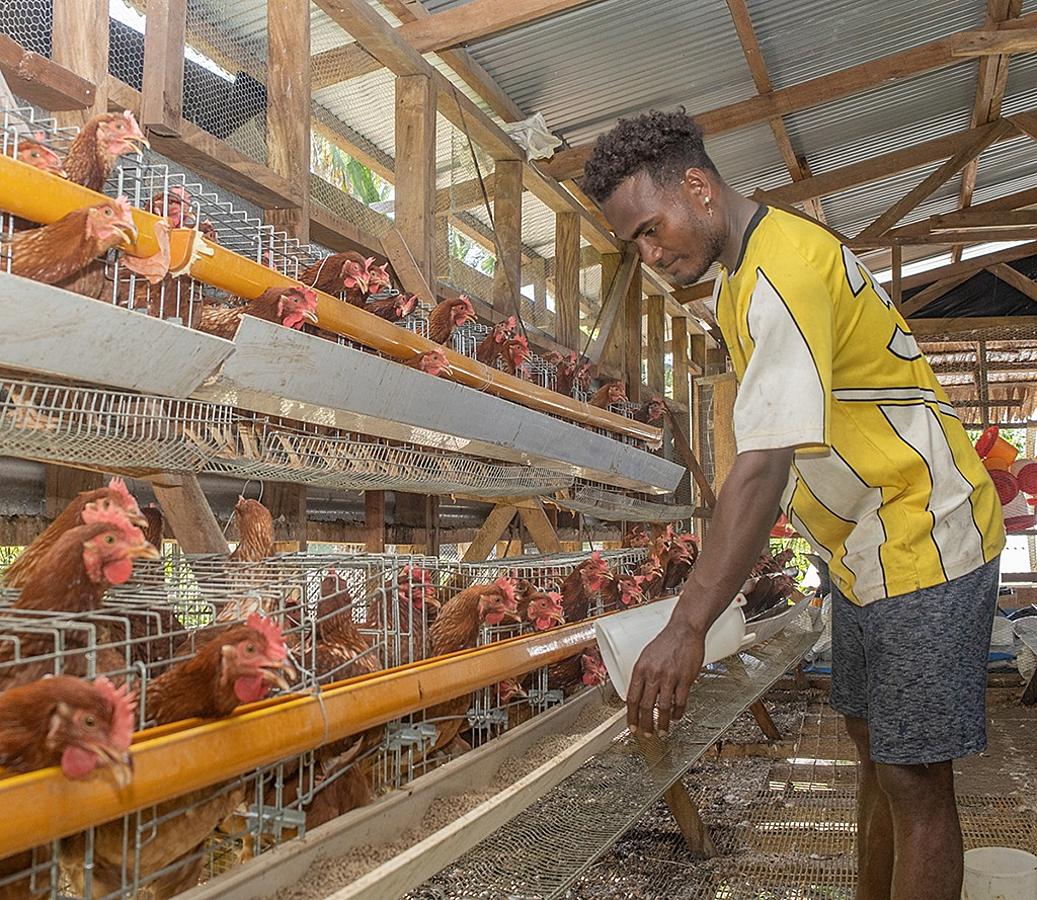
“The Government, through the Ministry of Agriculture and Livestock, is fully committed to promoting agribusiness as a profitable and attractive sector for all Solomon Islanders. Our focus is to empower farmers, youth, women and entrepreneurs to move beyond subsistence farming into commercially viable agribusiness enterprises,” he said.
He noted that the Ministry’s approach aligns with the top policy priorities of the GNUT Government, including making agriculture attractive across all levels of society and putting more money into the hands of the people.
Dr Viulu emphasised that agriculture must be viewed not only as a means of producing food, but also as a business opportunity capable of generating steady income and improving living standards.
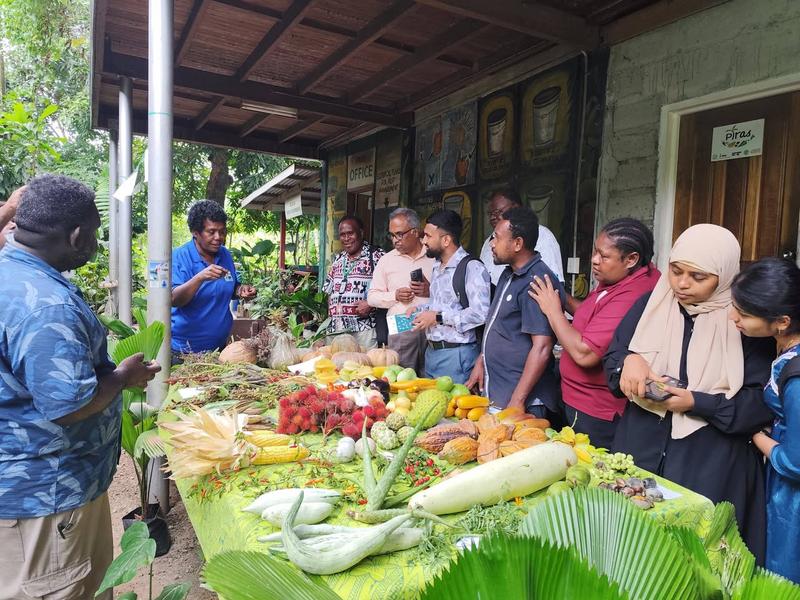
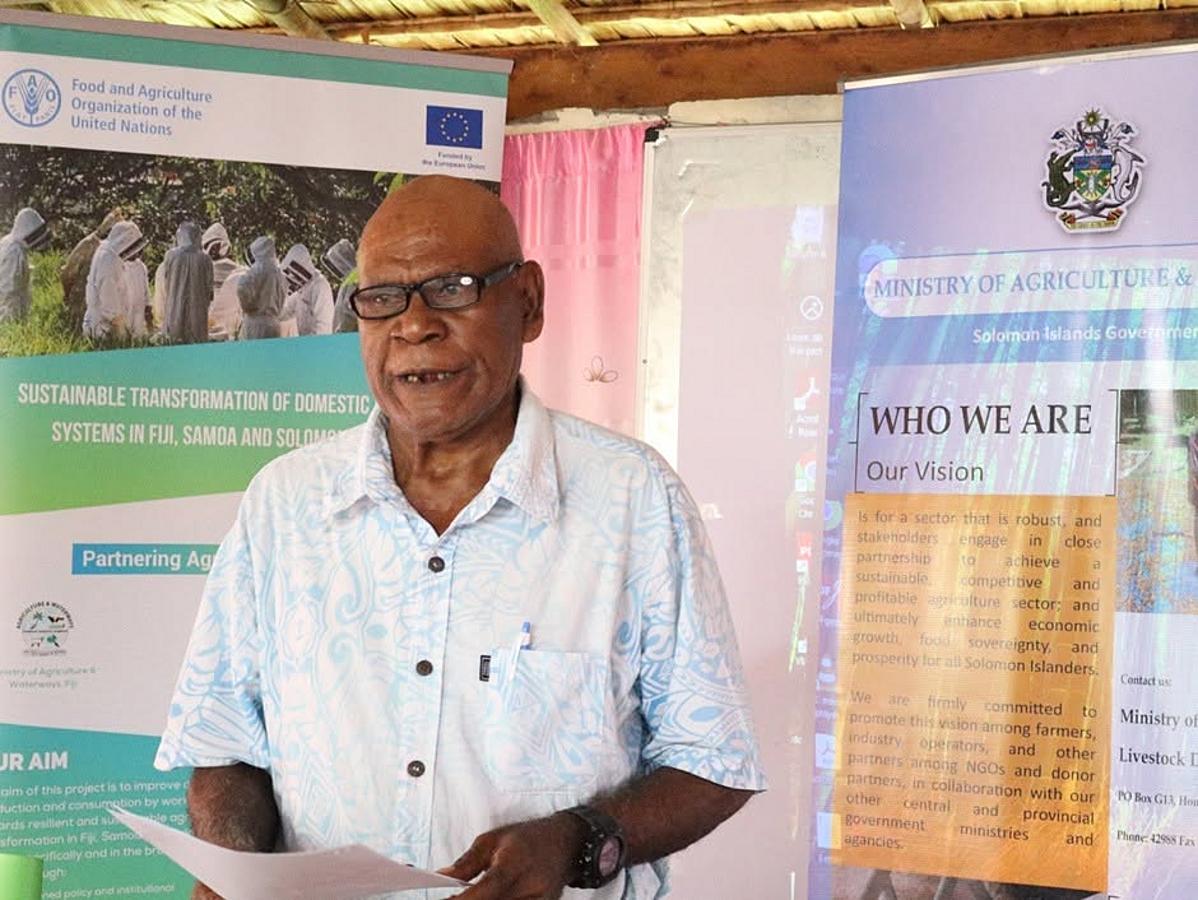
Through initiatives such as the Agribusiness Innovation and Incubation Centre, donor-supported programmes, and projects implemented in partnership with organisations including the Food and Agriculture Organization (FAO) and other development partners, the Ministry is supporting value-adding, downstream processing and improved market access for agricultural products.
“We are encouraging a shift from traditional practices to value addition and innovation. For example, instead of continuing the same copra production practices over generations, we want farmers and young people to explore processing, packaging and other value-adding opportunities that generate higher returns,” he said.
The Ministry is also placing strong emphasis on youth participation in agribusiness, noting that many young Solomon Islanders engage in agricultural work overseas due to better income opportunities.
“The lesson is clear: when agriculture is profitable, our people are willing to engage in it,” Dr Viulu added.
He said the Ministry remains committed to working closely with stakeholders, development partners and the private sector to strengthen agribusiness ecosystems across the country, with a particular focus on rural areas where the majority of the population depends on agriculture for their livelihoods.
“This is about transforming agriculture into a modern, profitable and sustainable sector that supports economic growth, social stability and long-term national development,” Dr Viulu said.