The Pacific Tourism Organisation (SPTO) is stepping up efforts to eliminate unnecessary and problematic single-use plastics across the Pacific tourism industry, engaging hotels, resorts and suppliers in Fiji to promote sustainable alternatives.
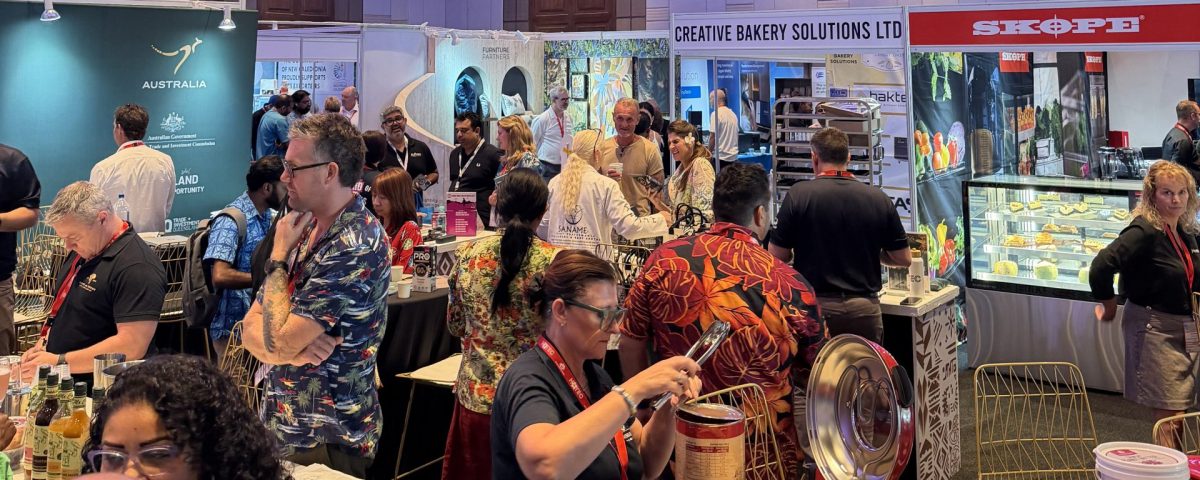
SPTO, through its sustainable tourism partnership with the Secretariat of the Pacific Regional Environment Programme (SPREP), showcased the Pacific Ocean Litter Project (POLP) at HOTEC 2026, Fiji's leading hospitality and tourism trade exhibition, held on October 22–23 at the Crowne Plaza Fiji Nadi Bay Resort & Spa.
As a silver sponsor, the organisations used the two-day event to introduce the programme to tourism operators and suppliers, highlighting practical approaches to phasing out single-use plastics.
SPTO said its team engaged with representatives from hotels, resorts, accommodation providers, visitor attractions and tour operators, generating interest in joining the programme's Early Adopters Programme.
The exhibition also provided an opportunity to connect with suppliers offering reusable, refillable, compostable and locally sourced alternatives to conventional single-use plastics.
These engagements will support the development of POLP's Alternative Supplier Directories and other tools aimed at connecting tourism businesses with sustainable product suppliers across the Pacific.
SPTO and SPREP also participated in HOTEC's conference programme, contributing to discussions on integrating sustainability into tourism business operations.
SPTO Sustainable Tourism Associate Filimone Mate delivered the keynote address and joined a panel discussion titled From Fiji's Tourism Framework to Business Practice, alongside Fiji Ministry of Tourism and Civil Aviation Director of Tourism Jacinta Lal and Outrigger Fiji Beach Resort representative Maryanne Shaw.
The discussion examined how the Pacific Sustainable Tourism Industry Standards could help tourism businesses translate national policy priorities into practical operational measures.
Meanwhile, Jenny Leewai Bourke of Nukubati Island Resort shared her experience of more than three decades in island resort management during a session titled People, Place and Local Value, highlighting the role of community-centred decision-making and sustainable business practices in strengthening business resilience.
SPREP also presented Resilience Pays, outlining how improved energy, water and waste management could reduce operating costs, strengthen climate resilience and support long-term profitability.
Despite growing interest in reducing single-use plastics, SPTO said some tourism businesses remained concerned about the cost, availability and implementation of alternative products.
The organisation said reliable supplier networks, government concessions for safe and sustainable substitutes, and continued support for industry operators would be important in facilitating the transition.
Following HOTEC, SPTO will continue engaging with interested businesses to establish their baseline single-use plastic consumption and support their transition under the project's 10-year Plan of Action.
SPTO acknowledged SPREP's technical partnership and expertise in implementing POLP, as well as the Australian government's financial support.
It also recognised the Fiji Hotel and Tourism Association for providing a platform to engage with tourism operators, suppliers and other industry partners.