

Biosecurity Solomon Islands (BSI), under the Ministry of Agriculture and Livestock, successfully conducted its first school awareness program for 2026 at Betikama Adventist College, marking the start of its school outreach activities for the year.
The event was officiated by the school’s Head of Department for Agriculture, Mr Kendrick Tango’eha Tahea, and attended by students from Forms 1 to 7 in the school’s new hall. A team of three officers from different units within Biosecurity Solomon Islands delivered the awareness session, representing the Surveillance Unit, the Biosecurity Emergency Coordination Centre (BECC), and the Publicity and Information Unit.
The presentation introduced students to the history and role of biosecurity in Solomon Islands, including the transition from the former Solomon Islands Agriculture Quarantine Service to Biosecurity Solomon Islands.
It also explained how biosecurity helps protect agriculture, the environment, the economy and public health, while highlighting the country’s links to key international biosecurity organisations and frameworks such as the WTO, IPPC, WOAH and WHO.
At the end of the program, Deputy Principal Mr Kelly Patovaki commended the awareness session and encouraged students to view agriculture as a promising future career path, particularly in specialised areas such as biosecurity.
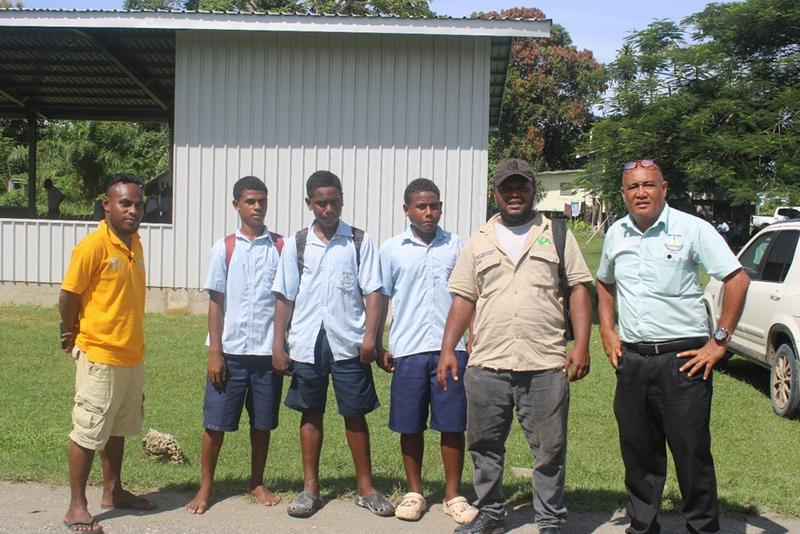
Biosecurity Publicity Officer Leon Boso said school awareness would remain one of BSI’s key priorities in 2026, with plans to target more major schools throughout the year.
“While communication platforms such as social media, radio and signboards remain important, face-to-face awareness continues to be one of the most effective ways to share information directly with communities,” the officer said. “When combined with other communication methods, awareness efforts can help information reach the public more effectively and create lasting understanding through repetition and engagement.”
Boso emphasised that students are future leaders and play an important role in spreading awareness to families and communities.
He highlighted that invasive alien species (IAS) are an increasing national threat. These include harmful exotic plants, animals, pests and disease-causing organisms that can spread and severely impact biodiversity and livelihoods. Key concerns highlighted were rabies, a zoonotic disease that can be transmitted from animals to humans; African swine fever, which threatens the pork industry; Banana Wilt Associated Phytoplasma (BWAP), which poses a significant risk to banana and coconut production; and cocoa pod borer, which continues to threaten the cocoa industry.
The officer further stressed that biosecurity cannot address these challenges alone and that every citizen has a role to play by reporting any unusual insect, pest, disease or damage affecting crops or animals to the Ministry of Agriculture and Livestock.
Biosecurity Solomon Islands extended its sincere appreciation to Betikama Adventist College for inviting the team to deliver the awareness session.
Through programs like this, Biosecurity Solomon Islands aims to strengthen public understanding and encourage shared responsibility in protecting Solomon Islands from harmful pests and diseases.


