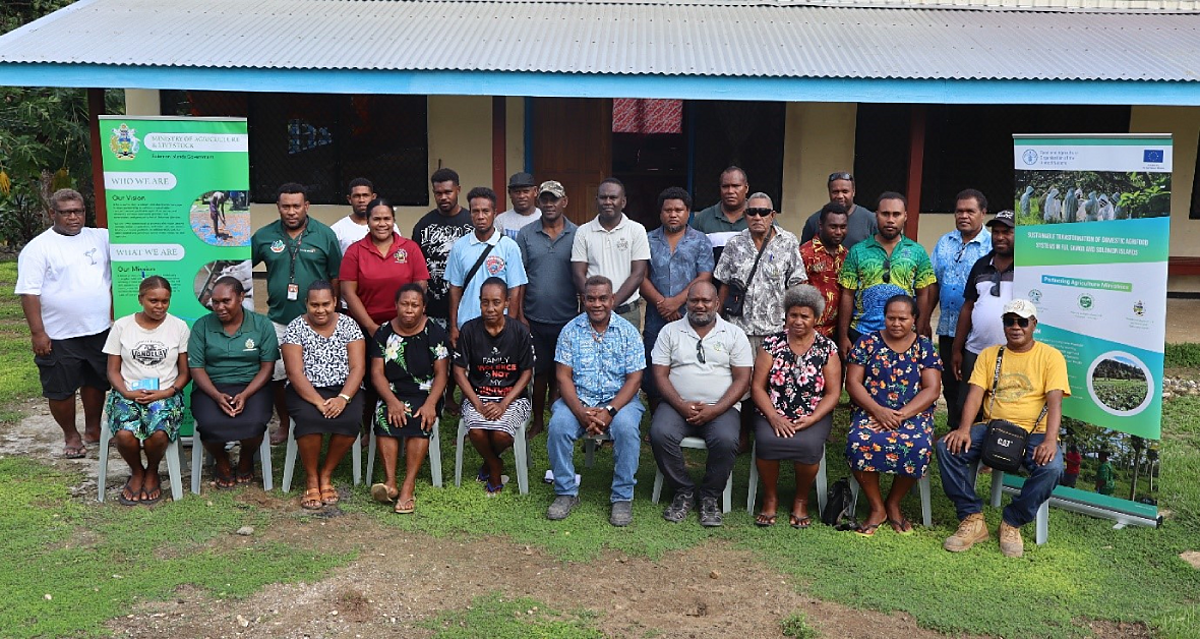
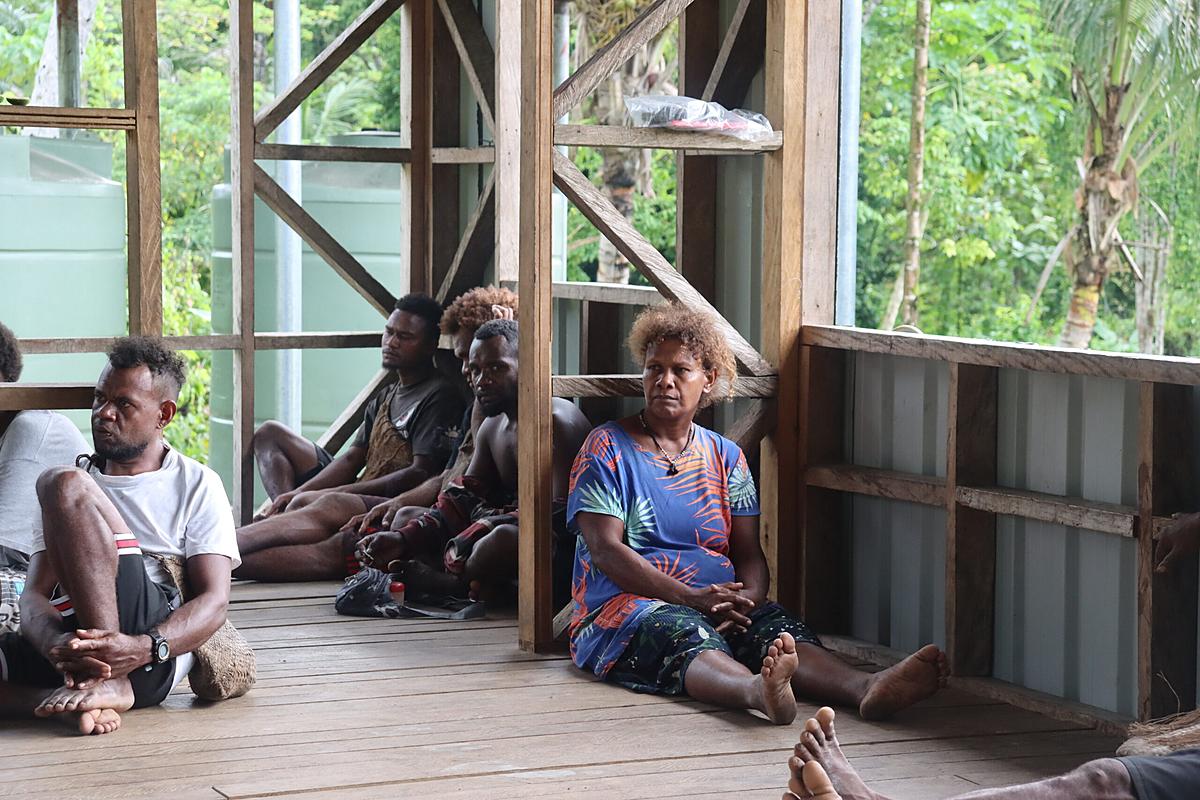
The Alisuri Sustainable Livelihood Association in Marokafo village, an inland community in the northern region of Malaita Province, is helping women save money to support their families.
The association is one of 45 Agribusiness Producer Organisations (ABPOs) in Malaita Province supported by the Solomon Islands Agriculture Rural Transformation (SIART) Project — a partnership between the Ministry of Agriculture and Livestock and the World Bank.
Through active involvement in the management and production of cocoa, women in the community have established a Women’s Savings Club, which now forms part of their ABPO.
“We started off with each woman giving their contributions to the saving club,” the women told a SIART team that recently visited the community.
The club currently has 32 members, comprising wives and children of local farmers who are members of the ABPO in Marokafo village.
ABPOs are groups of farmers and agri-entrepreneurs who work together to access markets, financing and support services.
“Through our support towards our cocoa farms, we have been able to save money to meet our family obligations,” the women said.
When the SIART team conducts farmer training in the area, the association engages the Women’s Savings Club to provide catering services.
“Just recently we supported the association in clearing nurseries for our farmers who are members of the association and they paid us for the labour. This is an example of how women in our community are benefitting,” they said.
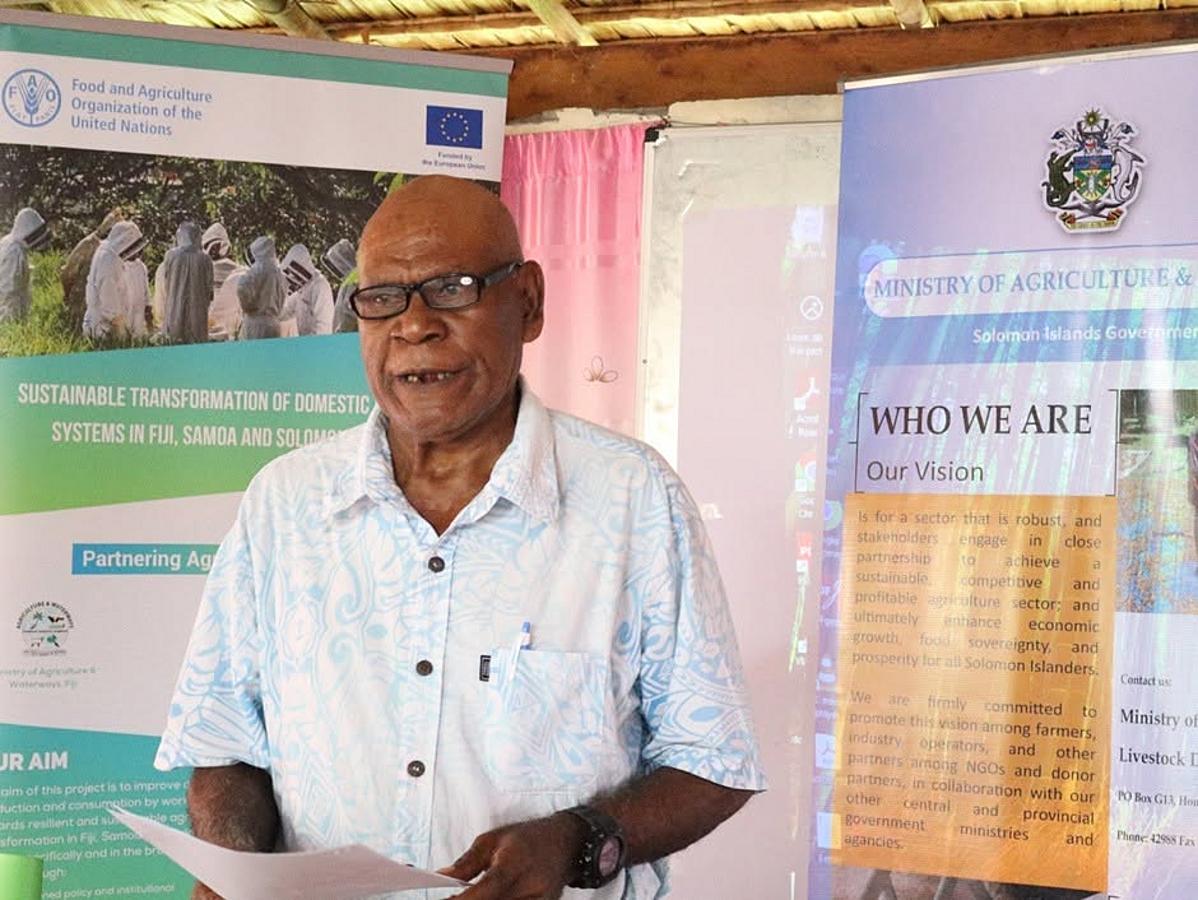
Chairman of the Alisuri Sustainable Livelihood Association, Elton Eteka, said the ABPO has 29 household farmers, with women also registered as members.
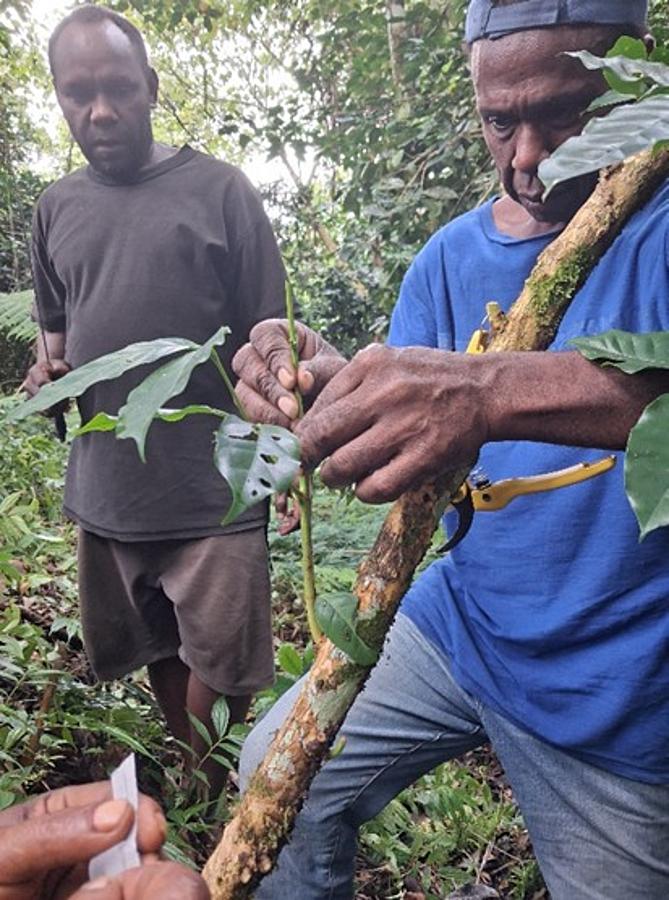
Each household maintains between 200 and 4,000 cocoa trees. The association purchases wet beans from its members as well as from farmers in surrounding communities before processing them. SIART supports the ABPO with processing facilities and a revolving fund to initiate the purchase of wet beans.
The association transports the dried beans to buyers in the provincial capital, Auki, and shares the profits with member households.
“When each household harvests, they leave aside money for women to save in their saving club,” Eteka said.
“One good thing about the saving club is when the association pays for wet beans and is short of cash, our association borrows money from the saving club and repays it with interest, which helps in growing the women’s savings,” he added.
The association also allows women to purchase wet beans from farmers, process them and sell the dried product, with all earnings directed to the savings club.
During peak season, individual farmers in Marokafo village can earn up to $6,000 from a single harvest.
For the association, Eteka said that after purchasing wet beans from farmers, it can generate up to $50,000 in a fortnight during high crop periods.
SIART remains committed to working with ABPOs in rural communities to increase agricultural production and, more importantly, improve livelihoods in rural areas.