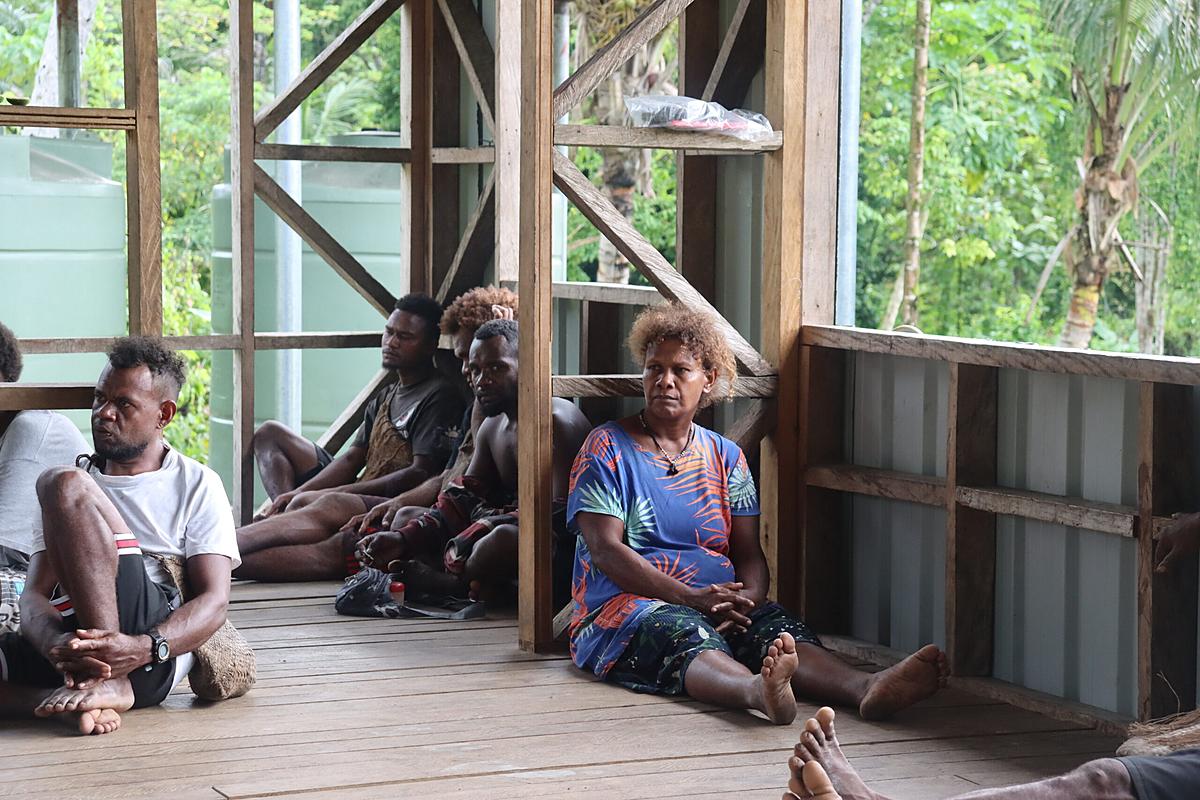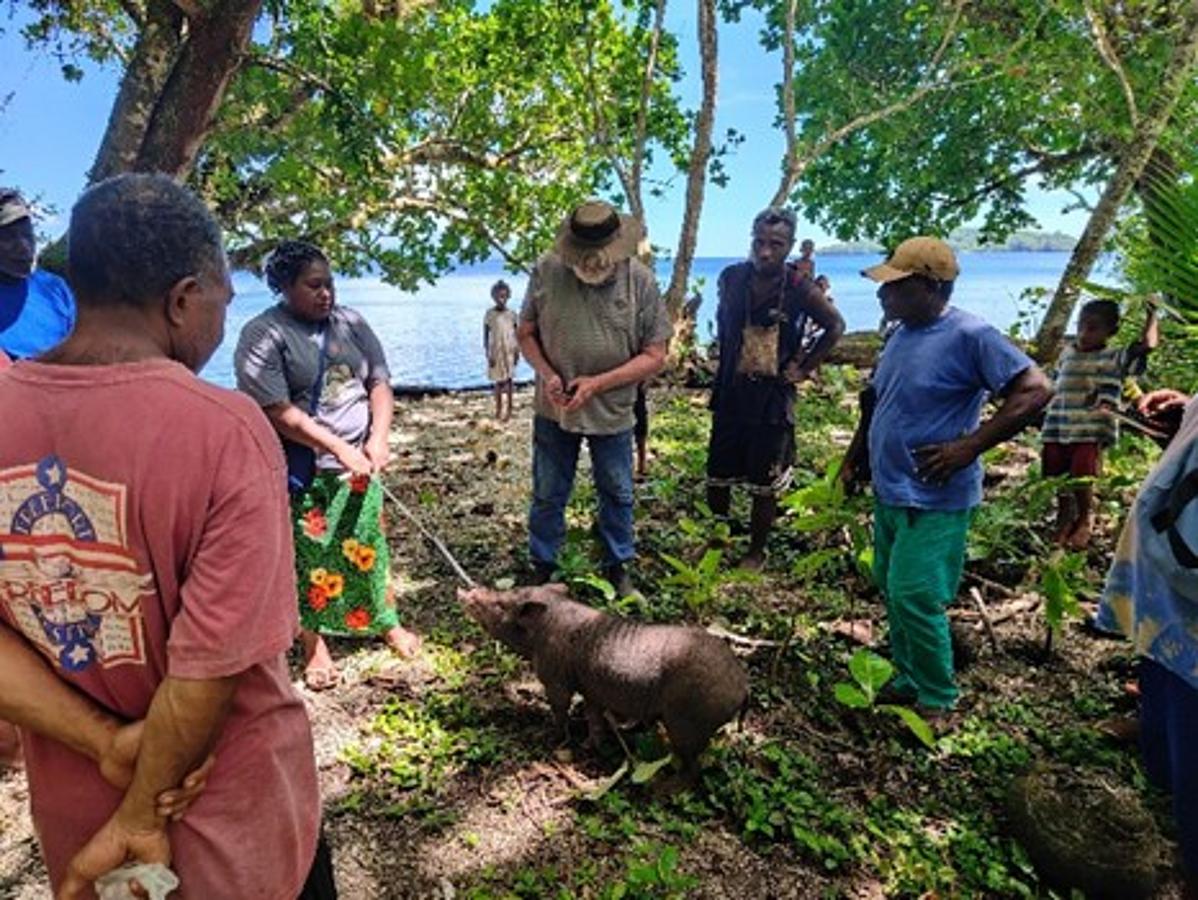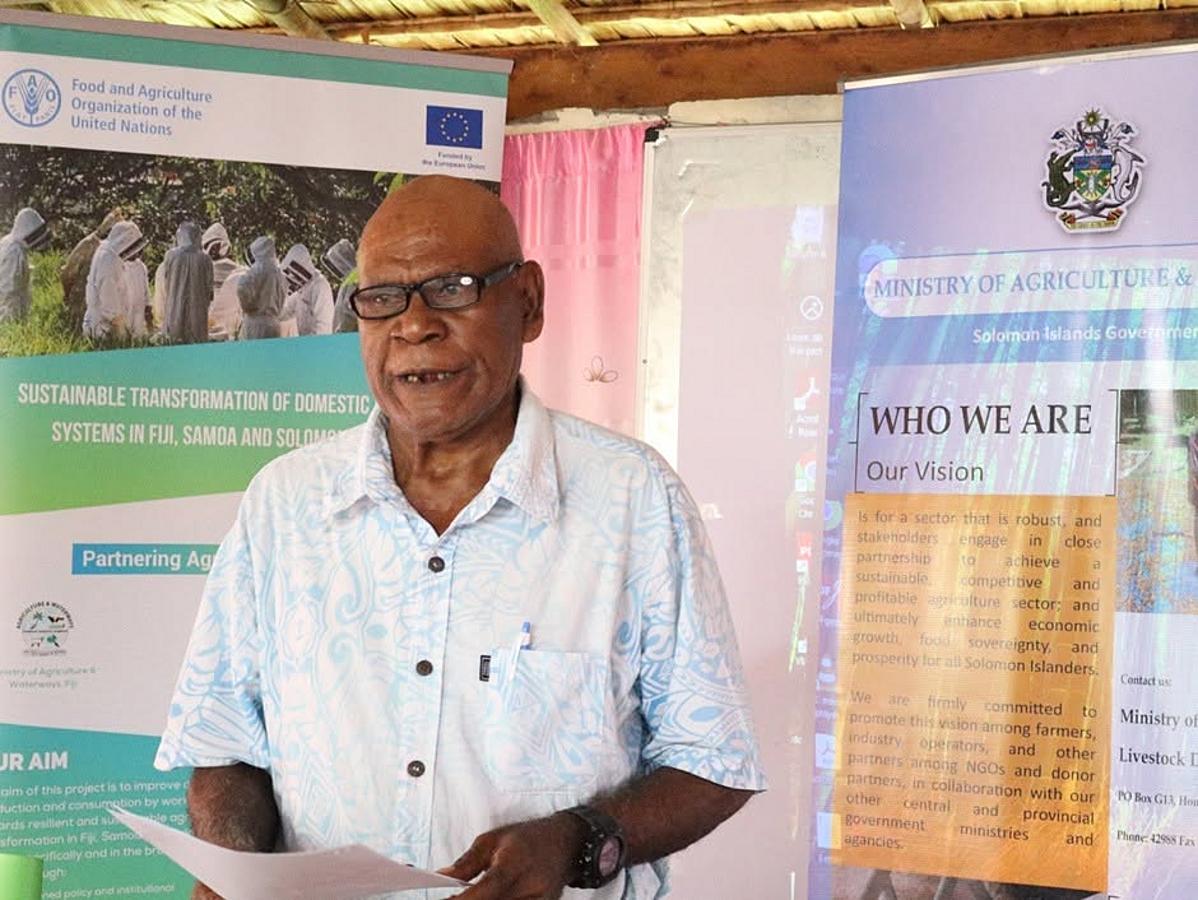
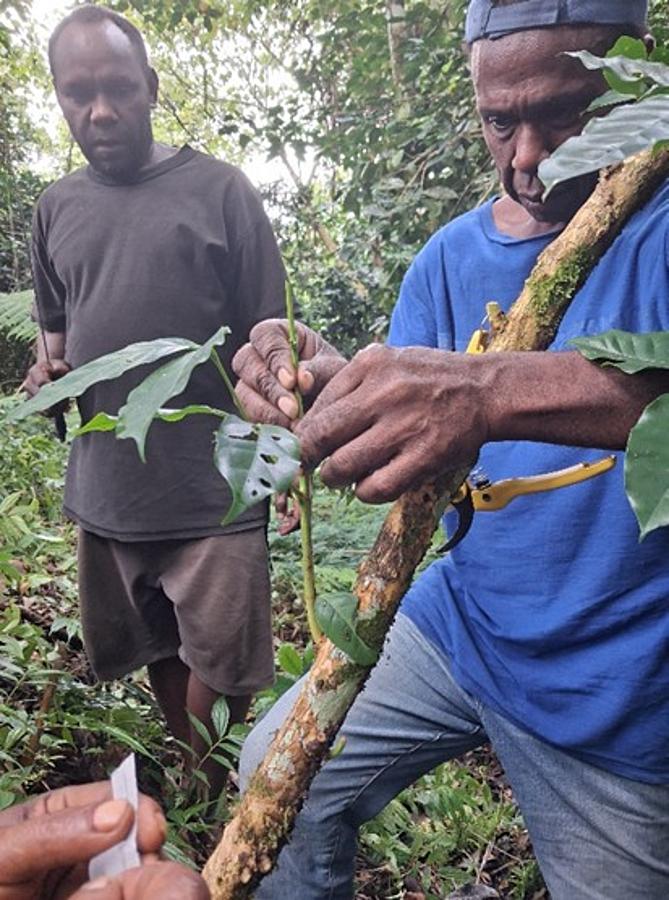
Farmers from the Labuhila Coffee Farmers Association participated in a hands-on training session in Lumakanji, Guadalcanal, aimed at improving coffee production and increasing income opportunities.
The training, held on May 18 and 19, was funded through the Solomon Islands Agriculture Rural Transformation (SIART) Project under the Ministry of Agriculture and Livestock Development.
The SIART Project, funded by the World Bank and implemented by the ministry, seeks to strengthen the agriculture sector by increasing production, improving market access and enhancing rural livelihoods.
The program supports farmers in Malaita, Guadalcanal and Makira-Ulawa through training, infrastructure support, agribusiness development and extension services.
The training was led by Ministry of Agriculture and Livestock Development Research Officer Geoffrey Oliouou and focused on pruning and grafting techniques for coffee production.
Farmers were trained on pruning methods aimed at managing tall trees, removing unwanted growth after harvest, improving light penetration and stimulating productive branch development.
Participants also learned about the timing and follow-up care needed to protect coffee trees after pruning.
“The objective of this training is to equip farmers with practical skills that will directly improve coffee productivity and quality,” Oliouou said.
“By applying proper pruning and grafting techniques, farmers can rehabilitate existing trees, introduce improved varieties, and increase yields in a sustainable way,” he added.
The grafting component covered both top and side grafting techniques for nursery seedlings and mature trees, allowing farmers to replace low-yielding trees and accelerate production of marketable coffee.
A representative of the Labuhila Coffee Farmers Association said the training had provided practical knowledge that farmers could immediately apply in their farms and communities.
Farmers and organizers also highlighted ongoing challenges affecting coffee production in the highlands, including poor road access and limited market linkages that increase transportation costs and reduce farmer returns.
Participants noted that coffee, despite its potential as a major cash crop alongside cocoa and coconut, has received limited attention and support in recent years.
Through SIART funding, the training also provided materials for hands-on learning activities.
Organizers emphasized the need for continued support through access to quality seedlings, regular extension services and infrastructure investment to ensure technical improvements translate into sustainable income gains.
The Labuhila Coffee Farmers Association plans to apply the training through demonstration plots, community refresher programs and advocacy for improved market access and institutional support.