

The Solomon Islands has established a regional cumulative impacts working group as part of efforts to strengthen environmental and social oversight of the Tina River Hydropower Development Project, a key national infrastructure initiative aimed at transforming the country’s energy sector.
The working group is designed to coordinate the identification, assessment and management of cumulative impacts arising not only from the hydropower project itself but also from other activities within the Tina and Ngalimbiu river catchment.
Coordinated approach to overlapping impacts
The initiative reflects growing recognition that large-scale infrastructure developments do not operate in isolation, particularly in environmentally and socially sensitive areas such as Guadalcanal.
The Tina River Hydropower Development Project, located about 30 kilometres from Honiara, involves a 15-megawatt facility comprising a dam, reservoir, tunnel and powerhouse system.
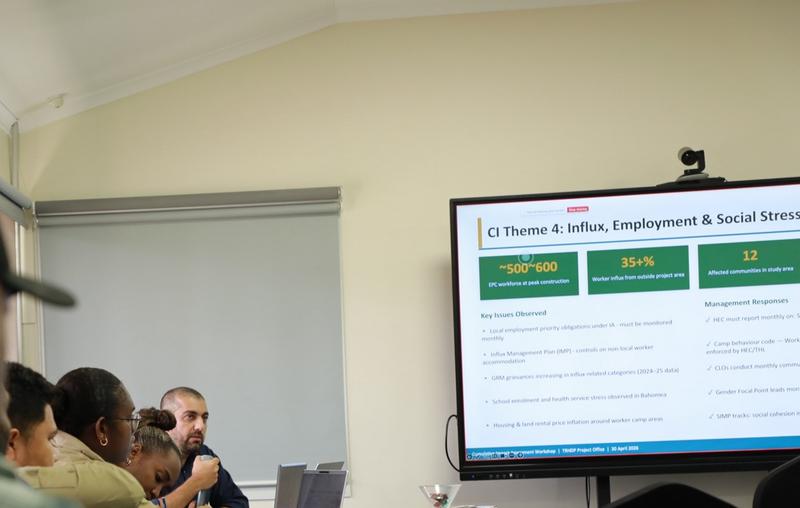
Project documentation highlights that cumulative impacts — defined as the combined effects of multiple activities over time — could affect environmental sustainability and social outcomes if not properly managed.
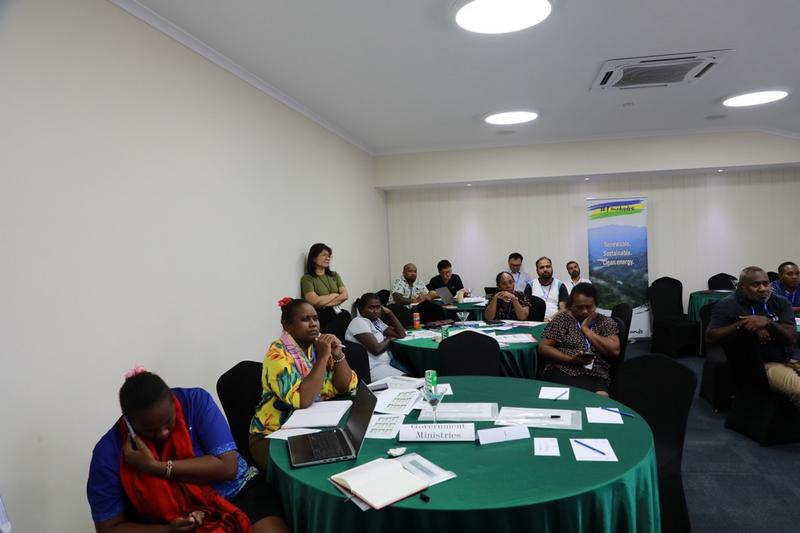
The newly established working group is expected to facilitate collaboration between government agencies, project developers and other stakeholders to address these overlapping risks in a structured and coordinated manner.
Broad range of environmental and social pressures
The Tina/Ngalimbiu river basin is already subject to a range of existing and potential pressures, including logging, agriculture, mining activities and infrastructure development.
Project assessments note that these activities can contribute to cumulative effects such as increased sedimentation, water quality degradation, habitat loss and changes in land use.
.jpg)
In particular, logging and road development may increase erosion and sediment loads in the river system, while agricultural runoff and other land-based activities could affect aquatic ecosystems and downstream communities.
The hydropower project itself may also contribute to cumulative impacts, including changes in sediment flow, river morphology and land tenure arrangements, although mitigation measures are being incorporated into project design and management plans.
Community and livelihood considerations
Beyond environmental factors, cumulative impacts extend to social and economic dimensions.
The Tina River catchment supports a mix of indigenous communities, including Malango and Lengo groups, whose livelihoods depend on agriculture, fishing and access to natural resources.
Project-related changes — combined with broader economic activity — may influence employment patterns, land ownership structures and community dynamics.
While the hydropower project is expected to generate jobs and economic opportunities, assessments highlight potential risks such as land disputes, increased dependence on the cash economy and pressures on food security if not carefully managed.
Supporting long-term sustainability
The establishment of the working group aligns with international best practices in environmental and social governance, particularly for projects supported by multilateral institutions such as the World Bank and Asian Development Bank.
The Tina Hydro project forms part of a broader effort to reduce Solomon Islands’ reliance on diesel-generated electricity and transition to renewable energy.
Once operational, the project is expected to significantly lower energy costs and reduce greenhouse gas emissions, while improving the reliability of power supply in Honiara.
However, stakeholders have emphasised that achieving these benefits will depend on effective management of cumulative impacts across the wider project area.
.jpg)
Strengthening governance and stakeholder coordination
The working group is expected to play a central role in aligning regulatory oversight, monitoring programmes and stakeholder engagement processes.
This includes integrating data from environmental and social monitoring systems, identifying emerging risks and coordinating responses across multiple sectors and jurisdictions.
By bringing together government, industry and community stakeholders, the initiative aims to ensure that the Tina Hydro project delivers long-term benefits while safeguarding environmental integrity and community well-being.
The move also signals a broader shift towards more integrated resource management in the Solomon Islands, as the country advances major infrastructure projects alongside ongoing economic development activities.


