A newly declared El Niño is expected to bring drier conditions to much of the western Pacific and wetter weather to the central and eastern Pacific, creating both economic opportunities and climate-related risks for Pacific Island countries, according to regional climate experts.
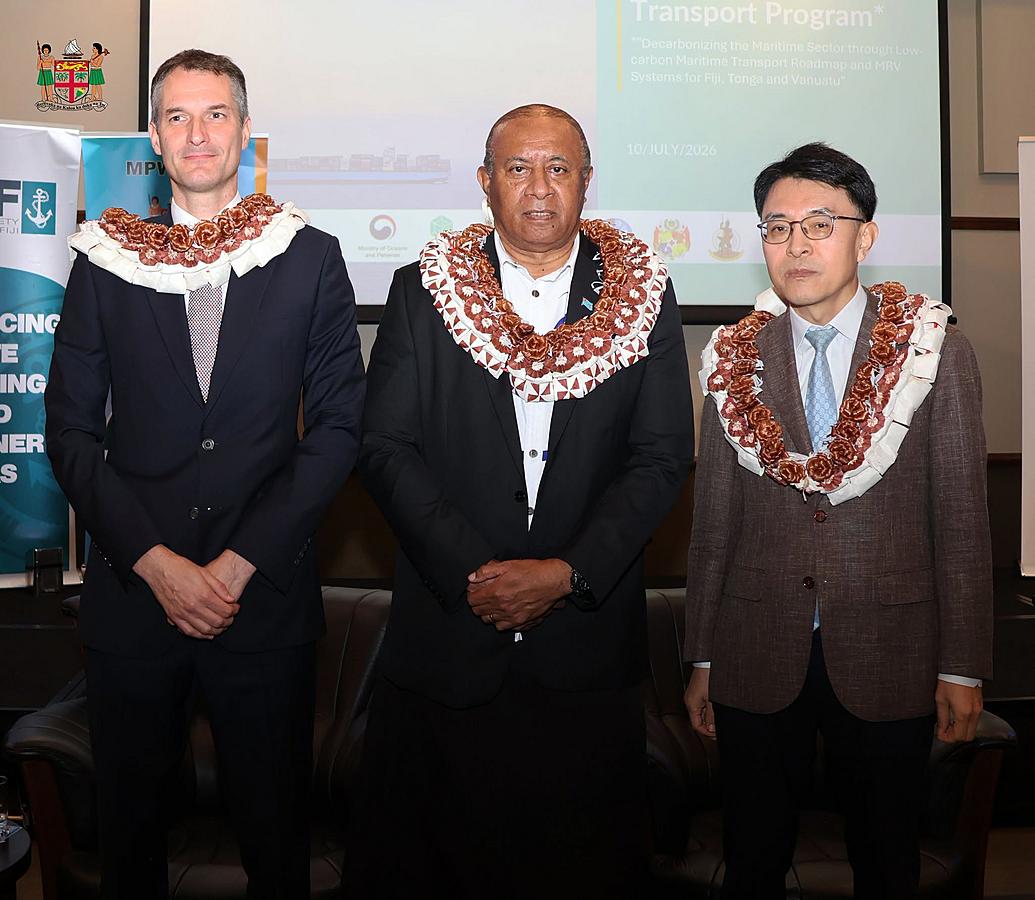
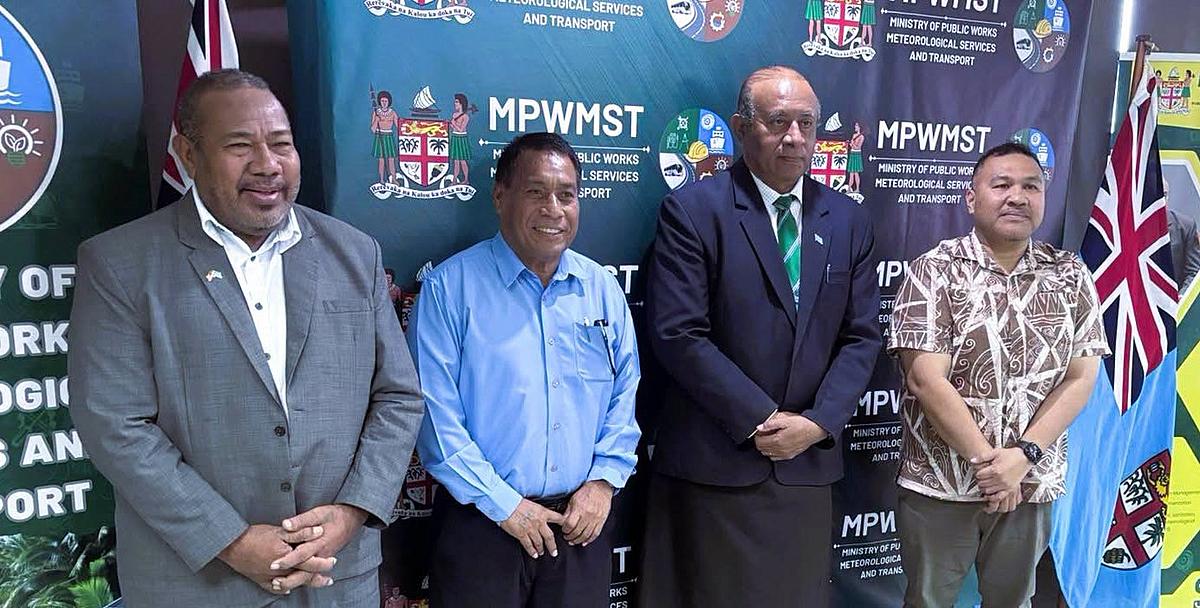
The assessment was presented by specialists from the Secretariat of the Pacific Regional Environment Programme during a briefing involving the Climate and Oceans Support Program in the Pacific Phase 3 (COSPPac3), the Intra-ACP Climate Services and Applications (ClimSA) project and the Republic of Korea-Pacific Islands Climate Prediction Services (ROK-PI CliPS) project.
The experts confirmed that an El Niño event has now been declared and outlined its likely impacts on rainfall, agriculture, fisheries, infrastructure, tourism, water security and renewable energy across the region over the coming months.
ROK-PI CliPS Project Coordinator Tile Tofaeono said El Niño is one of three phases of the El Niño–Southern Oscillation (ENSO), a naturally occurring climate cycle that affects atmospheric circulation, rainfall, winds and ocean temperatures across the Pacific Ocean.
"There are three phases of ENSO — Neutral, El Niño and La Niña. These phases typically change every two to seven years and usually last between nine and 12 months, although some events can persist for up to two years," Tofaeono said.
During El Niño, warmer-than-normal sea surface temperatures combine with weaker trade winds, increasing the likelihood of below-normal rainfall across much of the western Pacific.
The areas expected to experience drier-than-average conditions include Papua New Guinea, Solomon Islands, Fiji, Vanuatu, Samoa, Tonga, Palau, the Federated States of Micronesia, Guam, the Commonwealth of the Northern Mariana Islands, New Caledonia, Niue, American Samoa, Wallis and Futuna, the southern Cook Islands, southern Tokelau, southern Tuvalu, southern French Polynesia, Pitcairn Islands and the northern Marshall Islands.
By contrast, many countries in the central and eastern Pacific are forecast to receive above-normal rainfall.
Water security and fisheries could benefit
COSPPac3 Senior Climatologist Philip Malsale said the wetter conditions could prove beneficial for low-lying atoll nations such as Kiribati, Nauru and Tuvalu, which rely heavily on limited freshwater supplies.
While increased rainfall could temporarily increase flood risks, he said it would also replenish fragile freshwater lenses, improving water availability and strengthening long-term water security after El Niño conditions subside.
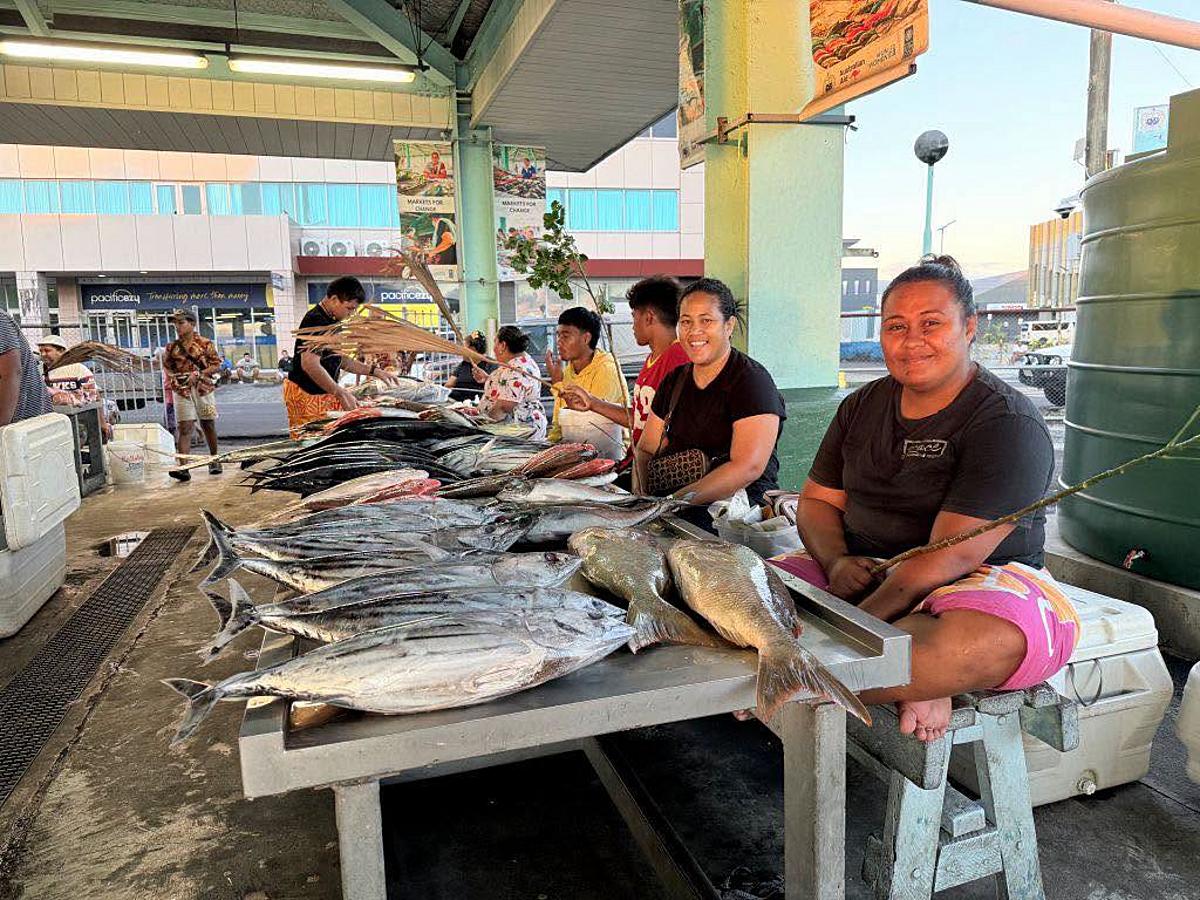
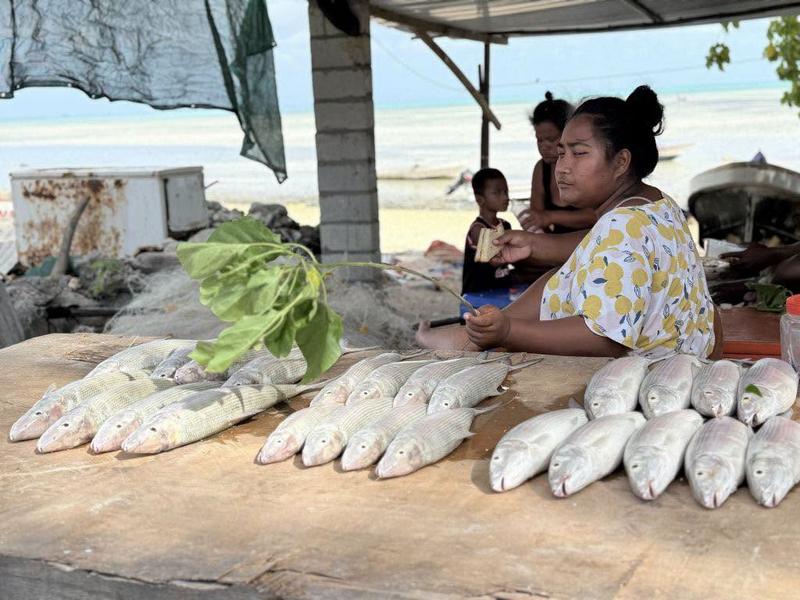
Malsale also highlighted potential gains for the fisheries sector.
He said Kiribati could experience increased tuna catches as warmer ocean temperatures shift the western Pacific warm pool eastward. As tuna migrate with these warmer waters toward the central and eastern Pacific, they encounter nutrient-rich waters that support abundant plankton and baitfish, creating favourable fishing conditions.
The migration is also expected to attract more international fishing fleets into the region, potentially increasing revenue from fishing licence fees for Pacific governments.
Dry weather may support infrastructure and tourism
Although drought is one of the most significant concerns during El Niño, Malsale said prolonged dry conditions could also create opportunities for economic activity.
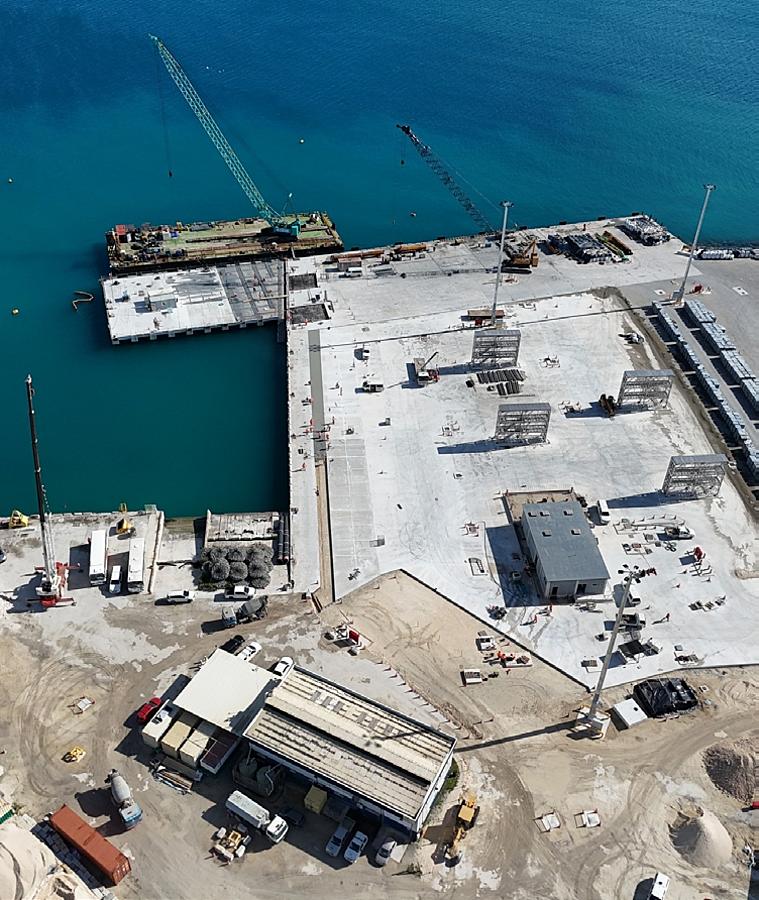
He said governments could accelerate major infrastructure projects that are often delayed during wetter periods because construction conditions are generally more favourable during extended dry spells.
The combination of reduced rainfall, longer sunshine hours and cooler temperatures may also improve conditions for tourism by allowing visitors greater access to outdoor attractions and activities, generating additional income for rural communities that depend on the sector.
Renewable energy and agriculture
Greater sunshine and, in some areas, stronger winds could also increase electricity generation from solar and wind resources, reducing dependence on imported fossil fuels at a time when global fuel prices remain elevated.
For agriculture, Malsale said farmers could use the dry season to improve livestock management and explore alternative feed options to maintain productivity during periods of reduced pasture growth.
Communities urged to prepare
Despite the potential economic benefits, the climate experts stressed that governments, businesses and households should continue preparing for the impacts of El Niño.
Malsale said El Niño is a slow-onset climate event whose impacts build gradually rather than appearing immediately.
He noted that ENSO is a natural component of Earth's climate system and cycles between neutral, El Niño and La Niña phases over time.
While some resources may become scarce during El Niño, they are often replenished during subsequent phases of the climate cycle, he said.
Nevertheless, he encouraged Pacific communities to seek guidance from their national meteorological and hydrological services and relevant government agencies to reduce risks while taking advantage of opportunities created by changing climate conditions.