The Fijian government is stepping up efforts to revitalise the country's cooperative sector through the restoration of its historic Cooperative Training College, positioning the institution as a key driver of rural economic development and leadership training.
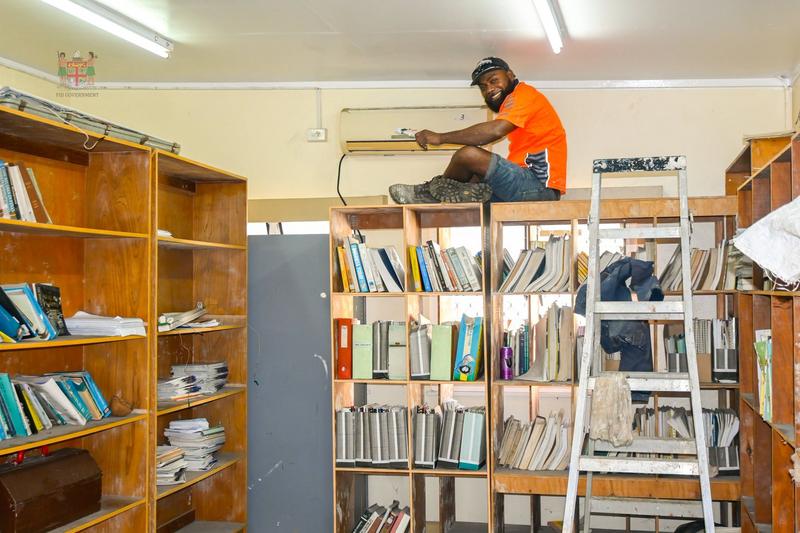
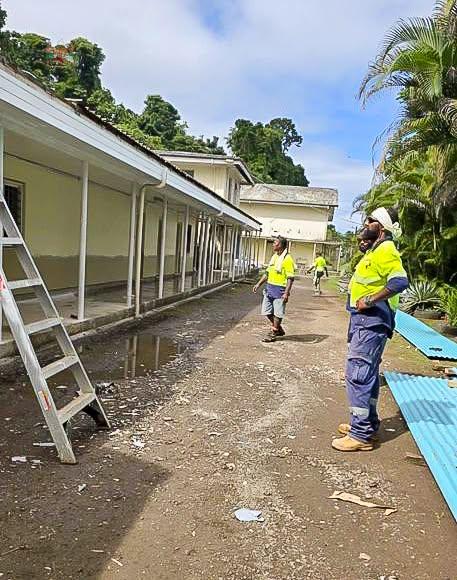
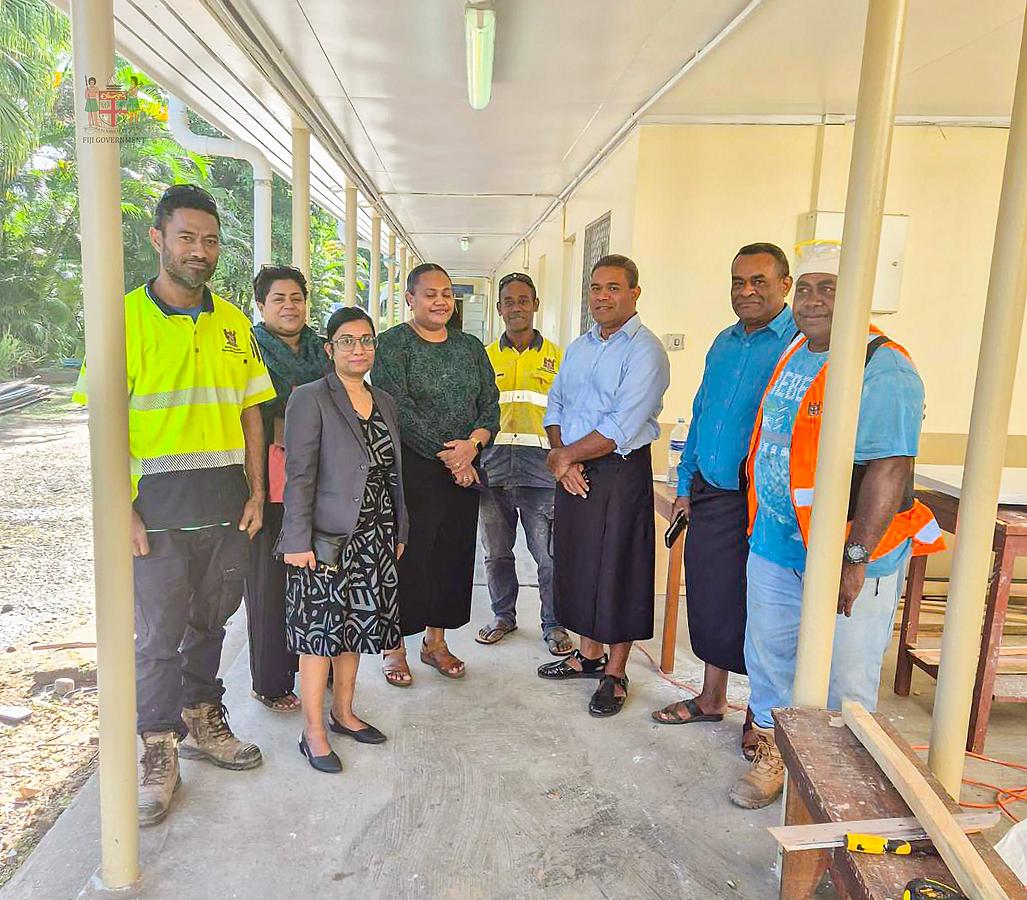
The initiative was highlighted during National Cooperative Day celebrations this week, when Permanent Secretary for Trade, Co-operatives, Small and Medium Enterprises and Communications Dr Radika Kumar visited the Cooperative Training College in Draunibota, Lami, to review progress on its refurbishment.
Established in 1960, the college has trained thousands of cooperative leaders from Fiji and other Pacific island countries, playing a central role in developing the region's cooperative movement.
The government has committed FJD230,000 towards the initial renovation of the institution as part of a broader strategy to strengthen cooperatives and support inclusive economic growth in rural communities.
Officials said the investment extends beyond upgrading the college's physical infrastructure, with plans also under way to secure accreditation for both the institution and its curriculum. The move is expected to enable the college to offer nationally recognised qualifications in Cooperative Management.
Once accredited, the college is expected to provide new education and training opportunities for young people, cooperative leaders and participants from across the Pacific, equipping them with skills in governance, business management and community enterprise.
The cooperative sector played a significant role in Fiji's rural economy during the 1970s and 1980s, supporting housing, education, employment and community development projects while strengthening local economies through collective enterprise.
However, the movement has faced significant challenges over the past two decades, contributing to a decline in cooperative activity.
The government said revitalising the training college forms part of a wider effort to rebuild the sector by improving leadership, governance and institutional capacity.
Officials also emphasised that the cooperative model aligns with Fiji's traditional concept of Solesolevaki – working together for the common good – and can contribute to stronger livelihoods, job creation and more resilient rural communities.
The restoration of the college is expected to support the long-term development of Fiji's cooperative movement while reinforcing its role in promoting sustainable economic opportunities across the country.