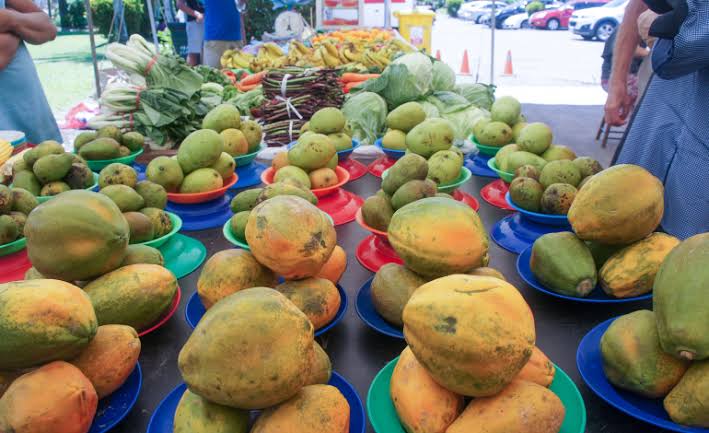
Fijian agribusinesses are receiving support to meet Australian import requirements, strengthen product pricing and connect with buyers through a five-month export accelerator launched in September.
The Fiji Agri-Business Export Accelerator targets businesses already producing and adding value to agricultural products in Fiji, with the capacity to expand production for the Australian market.
The program was designed by the Fiji-Australia Business Council and Market Development Facility. The Forge Pacific is delivering the initiative, with support from Investment Fiji and Pacific Trade Invest (PTI) Australia.
PTI Australia is a member of the Australia Fiji Business Council.
The initiative comes as Pacific agricultural businesses seek greater access to the Australian market, despite challenges involving financing, supply chains and logistics.
PTI Australia's Pacific Islands Export Survey 2026 found that 38 percent of surveyed Pacific agricultural businesses were already exporting to Australia, while 64 percent planned to target the market within three years.
However, 84 percent identified access to finance as a challenge, while 75 percent cited supply chains and logistics as major obstacles.
Export preparation and market access
PTI Australia export specialists Jeremy Grennell and Maeva O'Donnell have conducted individual sessions with participating businesses on Australian consumer preferences, product development and branding.
Workshops also cover certification, labeling and quality management to help businesses identify the requirements they must meet before shipping products.
The program provides additional assistance with packaging and introductions to potential buyers and distributors.
A financial training phase scheduled for November covers costing, pricing, profit margins and international payments.
Subsequent sessions will address freight, storage, customs requirements and staffing.
The training is intended to help businesses assess the commercial viability of export orders by accounting for the costs of transporting products from Fiji to Australian customers.
For Australian importers and distributors, the initiative could expand the pool of Fijian suppliers capable of meeting requirements on pricing, production volumes and delivery schedules.
For participating businesses, discussions with potential buyers could help determine the investments needed in packaging, certification and production capacity before accepting larger orders.
The long-term test will be whether businesses can secure repeat orders while maintaining product quality, managing freight and storage expenses, and meeting delivery commitments as export volumes increase.