The International Fund for Agricultural Development (IFAD) has recently launched a new regional strategy aimed at addressing rural poverty, food insecurity, climate vulnerability and geographic isolation across 13 Pacific Island countries over the next eight years.
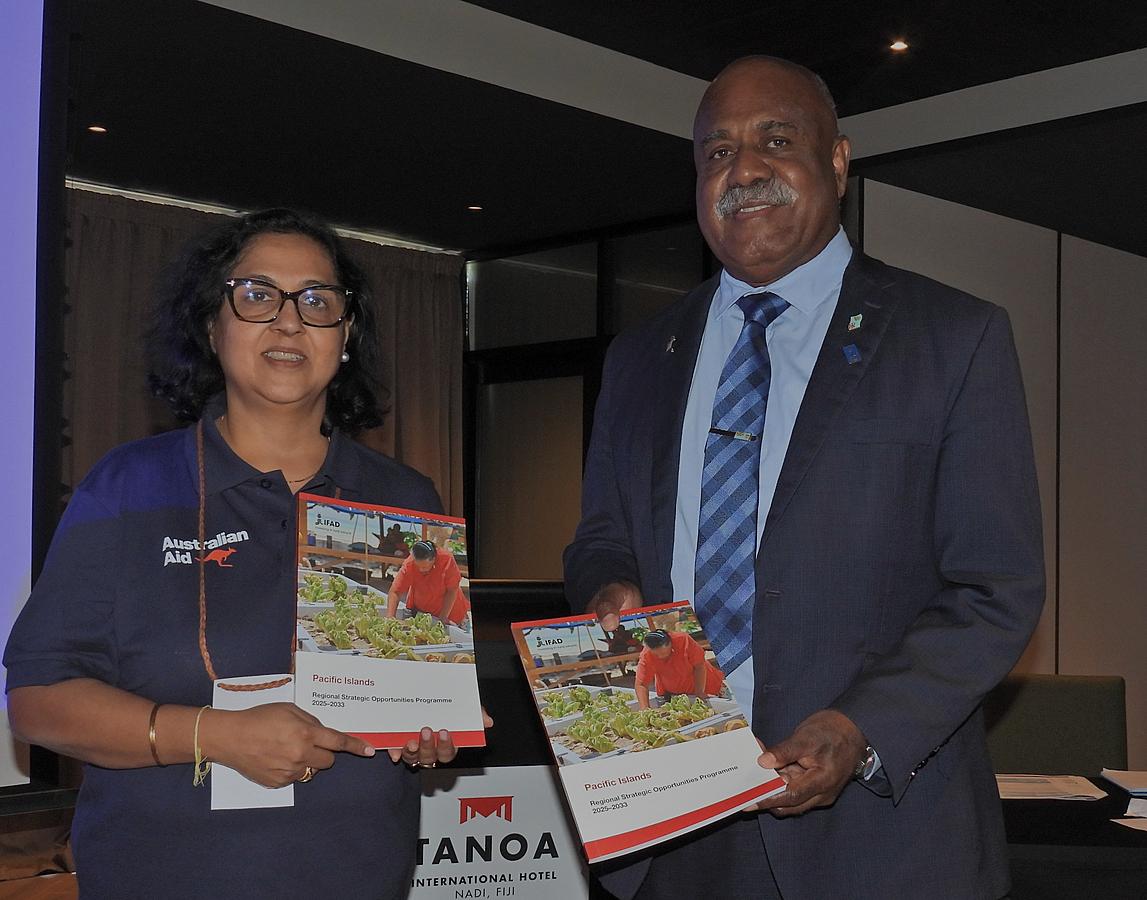
The Pacific Islands Regional Strategic Opportunities Programme (RESOP) 2025–2033 was unveiled in Nadi on May 7, establishing a unified framework to guide IFAD's investments and development engagement across the region through 2033.
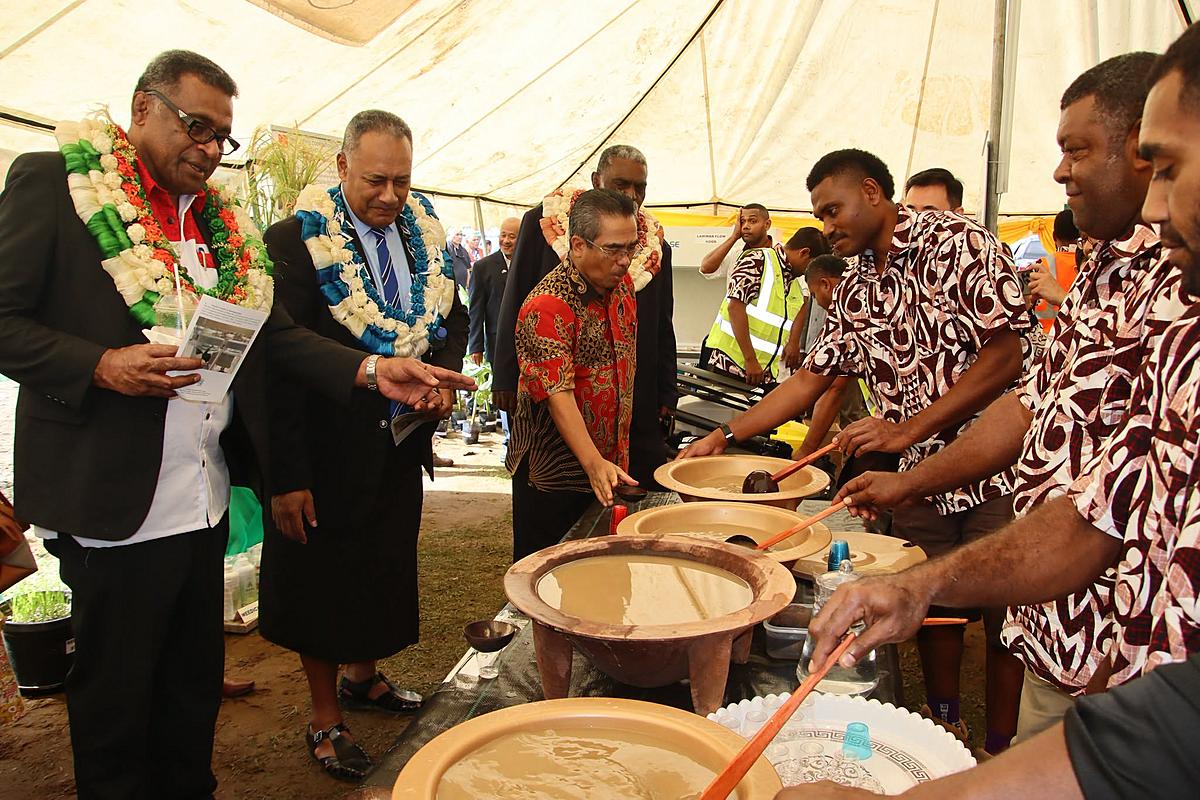
The launch was attended by Sakiusa Tubuna, Fiji's assistant minister in the Office of the Prime Minister, along with government officials, civil society representatives, development partners and regional organisations.
According to IFAD, the new strategy marks a shift from country-specific approaches towards a coordinated regional framework designed to address shared development challenges facing Pacific island nations.
"We hope to deliver more joined-up investment, amplify lessons learned across borders, and respond more effectively to the interconnected challenges that Pacific Islands communities face," said Reehana Raza, IFAD regional director for Asia and the Pacific.
The strategy is built around three objectives: improving food and nutrition security, increasing rural incomes and strengthening climate and environmental resilience.
These priorities draw on lessons from the Pacific Islands Rural and Agriculture Stimulus Facility (PIRAS), a four-year, US$8 million programme co-financed by IFAD and Australia's Department of Foreign Affairs and Trade that operated from 2021 to 2025.
PIRAS was established to support small-scale farmers, fishers and rural entrepreneurs affected by the Covid-19 pandemic and other regional shocks. The programme reached more than 41,000 participants across Fiji, Kiribati, Samoa, Solomon Islands, Tonga and Vanuatu, with women accounting for nearly half of all beneficiaries.
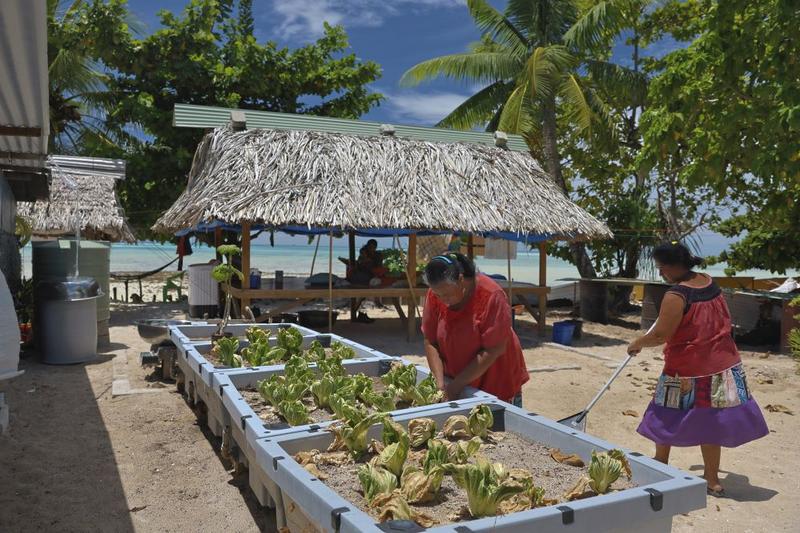
During its implementation, the initiative distributed more than one million seedlings and planting materials, established or rehabilitated more than 200 community nurseries and provided climate-smart agriculture training to nearly 19,000 people.
IFAD said the programme also demonstrated resilience in responding to multiple crises, including the 2022 Hunga Tonga-Hunga Ha'apai volcanic eruption and tsunami, as well as cyclones affecting Vanuatu.
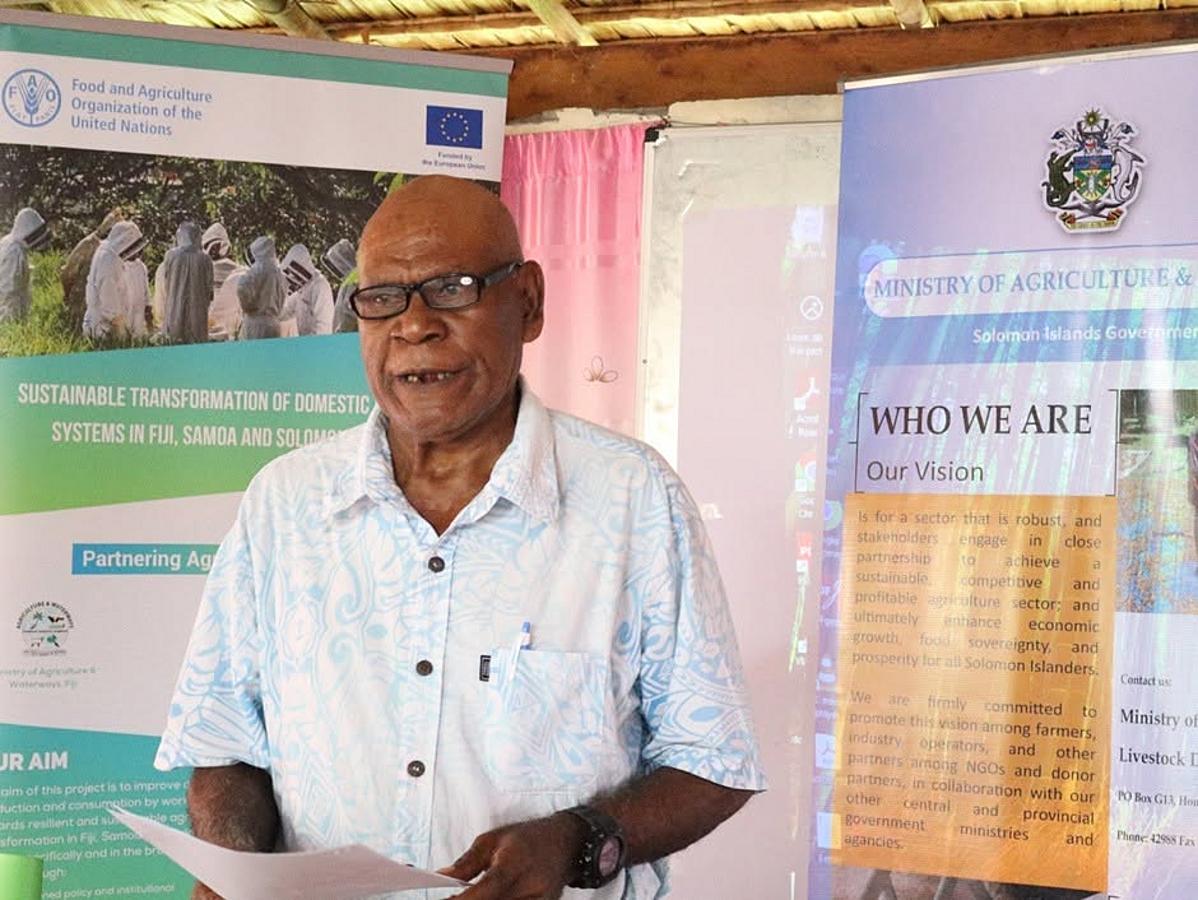
The RESOP launch formed part of a three-day Knowledge Sharing and Learning Workshop held from May 6 to 8, where participating countries presented experiences and innovations developed under the PIRAS programme.
Tubuna welcomed the new strategy, saying it would help deepen collaboration among governments, development partners, civil society organisations, the private sector and producer groups.
He said Fiji supports efforts to strengthen local capacities, expand opportunities for rural micro, small and medium enterprises, improve market access and ensure women and young people play leadership roles in rural development.
The launch marks a new phase in IFAD's engagement in the Pacific. Over the past four decades, the organisation has invested US$557 million across the region, including US$194 million through its own loans and grants, benefiting an estimated one million people.
IFAD's current Pacific portfolio includes projects in Tonga, Fiji, Solomon Islands and Vanuatu, as well as regional programmes supporting food security, agricultural development and climate resilience across several Pacific island nations.