The Fijian government is stepping up efforts to revitalise the country's cooperative sector through the restoration of its historic Cooperative Training College, positioning the institution as a key driver of rural economic development and leadership training.
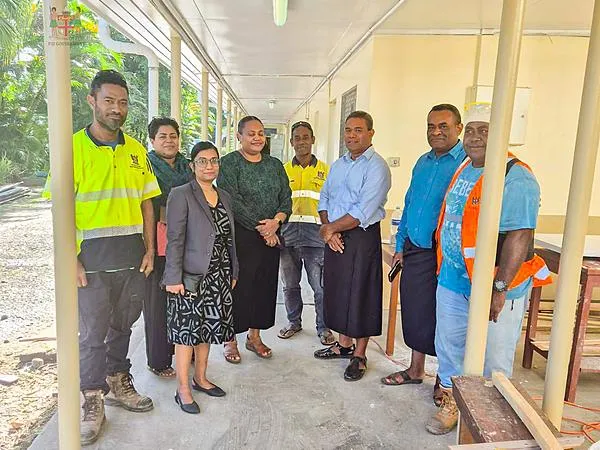
The initiative was highlighted during National Cooperative Day celebrations this week, when Permanent Secretary for Trade, Co-operatives, Small and Medium Enterprises and Communications Dr Radika Kumar visited the Cooperative Training College in Draunibota, Lami, to review progress on its refurbishment.
Established in 1960, the college has trained thousands of cooperative leaders from Fiji and other Pacific island countries, playing a central role in developing the region's cooperative movement.
The government has committed FJD230,000 towards the initial renovation of the institution as part of a broader strategy to strengthen cooperatives and support inclusive economic growth in rural communities.
Officials said the investment extends beyond upgrading the college's physical infrastructure, with plans also under way to secure accreditation for both the institution and its curriculum. The move is expected to enable the college to offer nationally recognised qualifications in Cooperative Management.
Once accredited, the college is expected to provide new education and training opportunities for young people, cooperative leaders and participants from across the Pacific, equipping them with skills in governance, business management and community enterprise.
The cooperative sector played a significant role in Fiji's rural economy during the 1970s and 1980s, supporting housing, education, employment and community development projects while strengthening local economies through collective enterprise.
However, the movement has faced significant challenges over the past two decades, contributing to a decline in cooperative activity.
The government said revitalising the training college forms part of a wider effort to rebuild the sector by improving leadership, governance and institutional capacity.
Officials also emphasised that the cooperative model aligns with Fiji's traditional concept of Solesolevaki – working together for the common good – and can contribute to stronger livelihoods, job creation and more resilient rural communities.
The restoration of the college is expected to support the long-term development of Fiji's cooperative movement while reinforcing its role in promoting sustainable economic opportunities across the country.
Fiji is stepping up efforts to strengthen its micro, small and medium enterprise (MSME) sector through policy reforms, digital services, and expanded financing initiatives aimed at increasing the sector's contribution to the national economy.
Marking MSME Day 2026 on June 27, the Ministry of Commerce and Business Development reaffirmed the government's commitment to building a more resilient and inclusive business environment under the United Nations' global theme, "Human-Centered Entrepreneurship."
The ministry said MSMEs have become a cornerstone of Fiji's economy, generating employment, supporting livelihoods, promoting innovation, and contributing to economic diversification across the country.
"MSMEs in Fiji have come a long way, consistently demonstrating resilience, creativity, and determination," the ministry said in a statement.
According to the ministry, small businesses continue to provide employment opportunities for women, young people, and vulnerable groups while helping entrepreneurs transform business ideas into viable enterprises that contribute to national development.
A key milestone for the sector was the launch of the MSME Strategic Plan 2025–2030 and the MSME Portal in December 2025, initiatives designed to streamline government services, improve access to business support programs, strengthen coordination among stakeholders, and enable more data-driven policymaking.
The government said the reforms are intended to create a more predictable and business-friendly environment by delivering faster and more responsive services to entrepreneurs.
Over the next five years, Fiji aims to increase the MSME sector's contribution to gross domestic product from the current 18 percent to as much as 40 percent, positioning small businesses as a stronger driver of inclusive and sustainable economic growth.
The ministry said stronger collaboration among government agencies, the private sector, development partners, and business support organizations will be critical to achieving that objective.
It also highlighted the Fiji Innovation Hub, led by the Reserve Bank of Fiji, as an example of efforts to support technology-driven entrepreneurship by providing innovators with opportunities to collaborate and develop digital solutions tailored to Fiji's economic needs.
Recognizing the challenges facing businesses, the ministry acknowledged that rising fuel prices and higher input costs continue to place pressure on operating expenses and cash flow.
It said the government is working with stakeholders to introduce targeted support measures that will help businesses manage higher costs while protecting jobs and maintaining operations.
The ministry also announced plans to expand financing options for MSMEs under the Access to Business Funding Act.
Among the initiatives under development is a peer-to-peer lending platform, which aims to improve access to finance for entrepreneurs who may not qualify for conventional bank loans because of limited collateral.
In addition, the ministry is developing an MSME Services Database, a digital platform intended to connect entrepreneurs with grants, advisory services, financing opportunities, and market access through a single online portal.
As Fiji commemorates MSME Day, the government reiterated its commitment to placing entrepreneurs at the center of economic development and encouraging innovation that supports sustainable and inclusive growth.
The ministry encouraged MSMEs to continue expanding their businesses, saying the government remains committed to supporting entrepreneurs through policies, financing initiatives, and business development programs designed to strengthen the sector's long-term resilience.
The Asian Development Bank (ADB) has approved a $10 million grant facility aimed at strengthening project delivery, boosting resilience to environmental and disaster risks, supporting private sector development and accelerating sustainable economic growth in Vanuatu.
The financing will establish the Vanuatu Sustainable Economic Transformation Facility, ADB's first Small Expenditure Financing Facility in the Pacific, providing flexible, multi-sector funding to help the government respond more effectively to emerging development challenges.
ADB said the facility would enhance the effectiveness and sustainability of its investments in Vanuatu while supporting the country's long-term development priorities.
"Vanuatu's development priorities are evolving rapidly in an increasingly uncertain environment," said Jyotsana Varma, regional director of ADB's Pacific Liaison and Coordination Office.
"This facility gives the government the flexibility and capacity to respond to emerging challenges, strengthen project delivery, and invest in long-term resilience. By supporting institutional strengthening, private sector development, and critical services, it is an important step towards a more resilient and prosperous future for the people of Vanuatu."
ADB noted that Vanuatu remains one of the world's most disaster-prone countries and continues to face challenges linked to its geographic isolation, limited institutional capacity and the high cost of delivering services across its dispersed island population.
The financing is intended to help address these constraints while creating new opportunities in key government priority areas, including public-private partnerships, digital transformation, agricultural development and water security.
An initial allocation of $2.5 million will be used to strengthen the capacity of the Vanuatu Project Management Unit and the Ministry of Finance and Economic Management. The funding will support project and financial management, procurement, safeguards and monitoring systems to improve implementation of development projects.
The facility will also provide flexible financing to address project delivery challenges, improve the maintenance of critical infrastructure and services, and support rapid recovery efforts following natural disasters.
The initiative will be funded through the Asian Development Fund, which provides grant financing to the poorest and most vulnerable countries in Asia and the Pacific.
ADB said the facility would help build stronger institutions, improve service delivery and support sustainable economic transformation as Vanuatu continues to navigate increasing climate and development pressures.
The bank, established in 1966, is owned by 69 member countries and supports sustainable, inclusive and resilient growth across Asia and the Pacific through financing, technical assistance and strategic partnerships.
Fiji is moving forward with plans to establish its first peer-to-peer lending platform as part of broader efforts to expand access to finance for micro, small and medium enterprises and support the growth of alternative funding markets.
The initiative forms part of the implementation of the Access to Business Funding Act 2025, which introduced new financing mechanisms including peer-to-peer (P2P) lending, equity crowdfunding and small offers regimes aimed at improving access to capital for businesses.
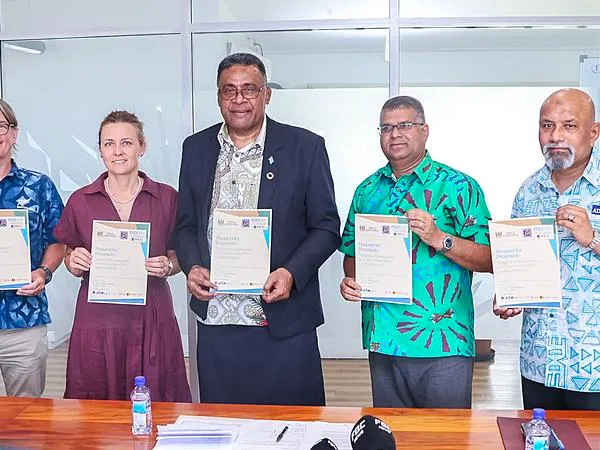
To support the development of the platform, the Ministry of Commerce and Business Development, the Reserve Bank of Fiji and the Asian Development Bank’s Pacific Private Sector Development Initiative selected ThirdRoc through a competitive Request for Proposals process conducted through the Fiji Innovation Hub.
The proposed platform is expected to connect MSMEs directly with lenders through a regulated digital marketplace, helping address some of the barriers businesses face in accessing traditional sources of finance.
Minister for Finance, Commerce and Business Development and co-chair of the Access to Business Funding Implementation Taskforce Esrom Immanuel said the strong response to the proposal process highlighted growing interest in financial innovation in Fiji.
“We were impressed by the strong field of proposals, particularly the depth of technical capability we have here in Fiji. This shows that Fiji is open for innovation and that the Government’s reform agenda is gaining real traction,” Immanuel said.
“We look forward to working with the selected partner, ThirdRoc, to expand financing opportunities for MSMEs.”
ThirdRoc is the Fijian subsidiary of an Australian-headquartered fintech company focused on alternative credit and enterprise lending technology across the Pacific. Backed by Antler Australia, the company holds a Credit Representative Licence with the Australian Securities and Investments Commission and is a member of the Australian Financial Complaints Authority.
The company said it uses consented data, artificial intelligence-driven insights and regional partnerships to support lending decisions and improve access to finance for small businesses.
According to ThirdRoc, it is developing a Fijian structure for a proposed P2P lending platform that aligns with governance and licensing requirements established by the Reserve Bank of Fiji and is engaging potential consortium partners and investors to support the platform’s launch.
Reserve Bank of Fiji Governor and taskforce co-chair Ariff Ali said the initiative represents an important step in opening new financing pathways for businesses while maintaining appropriate safeguards.
“Fiji is leading the Pacific in opening up new, innovative pathways to finance for businesses and the Reserve Bank of Fiji is committed to ensuring these pathways are developed with strong investor protections and sound risk management,” Ali said.
“ThirdRoc’s proven technology, deep experience, and clear commitment to working within Fiji’s regulatory framework gives us confidence in their ability to deliver a platform that meets these standards.”
Jeremy Cleaver, financing growth specialist with the Pacific Private Sector Development Initiative, said P2P lending could help address financing gaps for businesses that have historically been underserved by conventional lending channels.
“P2P lending has the potential to genuinely expand access to finance for MSMEs in Fiji, including those that have been underserved by the traditional channels,” Cleaver said.
As part of the next phase of development, ThirdRoc is participating in a tailored accelerator programme through the Fiji Innovation Hub that includes knowledge transfer and engagement with experienced international P2P lending practitioners.
The programme is expected to support the development of a launch-ready platform design, with pilot and rollout plans to be considered as the project progresses.
ThirdRoc director Shiv Maharaj said the company had been working with local partners to improve access to finance for entrepreneurs and small businesses while increasing transparency for lenders and investors.
“Since establishing our presence in Fiji, we have worked closely with partners to improve access to finance for MSMEs and entrepreneurs, while giving lenders and investors greater visibility and confidence in how credit is assessed and monitored,” Maharaj said.
“We are working through the RBF process with local institutions to ensure the model is structured safely and built for Fiji’s long-term needs.”
The International Fund for Agricultural Development (IFAD) has recently launched a new regional strategy aimed at addressing rural poverty, food insecurity, climate vulnerability and geographic isolation across 13 Pacific Island countries over the next eight years.
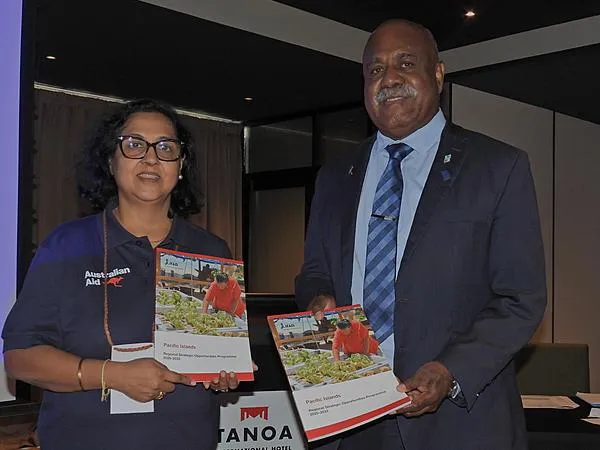
The Pacific Islands Regional Strategic Opportunities Programme (RESOP) 2025–2033 was unveiled in Nadi on May 7, establishing a unified framework to guide IFAD's investments and development engagement across the region through 2033.
The launch was attended by Sakiusa Tubuna, Fiji's assistant minister in the Office of the Prime Minister, along with government officials, civil society representatives, development partners and regional organisations.
According to IFAD, the new strategy marks a shift from country-specific approaches towards a coordinated regional framework designed to address shared development challenges facing Pacific island nations.
"We hope to deliver more joined-up investment, amplify lessons learned across borders, and respond more effectively to the interconnected challenges that Pacific Islands communities face," said Reehana Raza, IFAD regional director for Asia and the Pacific.
The strategy is built around three objectives: improving food and nutrition security, increasing rural incomes and strengthening climate and environmental resilience.
These priorities draw on lessons from the Pacific Islands Rural and Agriculture Stimulus Facility (PIRAS), a four-year, US$8 million programme co-financed by IFAD and Australia's Department of Foreign Affairs and Trade that operated from 2021 to 2025.
PIRAS was established to support small-scale farmers, fishers and rural entrepreneurs affected by the Covid-19 pandemic and other regional shocks. The programme reached more than 41,000 participants across Fiji, Kiribati, Samoa, Solomon Islands, Tonga and Vanuatu, with women accounting for nearly half of all beneficiaries.
During its implementation, the initiative distributed more than one million seedlings and planting materials, established or rehabilitated more than 200 community nurseries and provided climate-smart agriculture training to nearly 19,000 people.
IFAD said the programme also demonstrated resilience in responding to multiple crises, including the 2022 Hunga Tonga-Hunga Ha'apai volcanic eruption and tsunami, as well as cyclones affecting Vanuatu.
The RESOP launch formed part of a three-day Knowledge Sharing and Learning Workshop held from May 6 to 8, where participating countries presented experiences and innovations developed under the PIRAS programme.
Tubuna welcomed the new strategy, saying it would help deepen collaboration among governments, development partners, civil society organisations, the private sector and producer groups.
He said Fiji supports efforts to strengthen local capacities, expand opportunities for rural micro, small and medium enterprises, improve market access and ensure women and young people play leadership roles in rural development.
The launch marks a new phase in IFAD's engagement in the Pacific. Over the past four decades, the organisation has invested US$557 million across the region, including US$194 million through its own loans and grants, benefiting an estimated one million people.
IFAD's current Pacific portfolio includes projects in Tonga, Fiji, Solomon Islands and Vanuatu, as well as regional programmes supporting food security, agricultural development and climate resilience across several Pacific island nations.
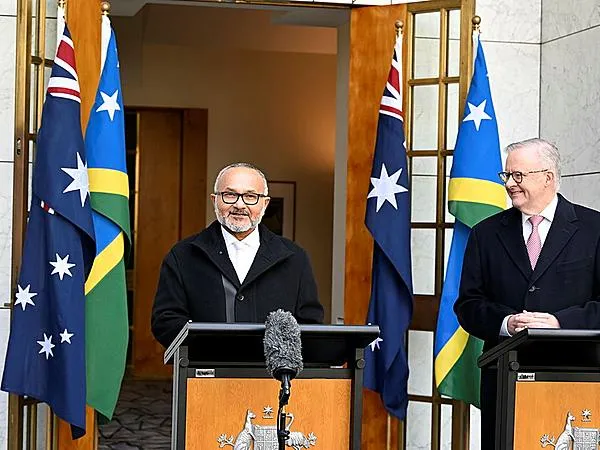
Solomon Islands Prime Minister Mathew Wale and Australian Prime Minister Anthony Albanese have announced plans to negotiate a comprehensive treaty aimed at strengthening bilateral ties and setting a long-term framework for cooperation between the two countries.
The announcement was made during a joint press conference in Canberra, where the leaders reaffirmed their commitment to deepen relations based on mutual trust, respect and open dialogue.
Under the agreement, the two governments will begin negotiations on a treaty designed to capture their shared ambitions and long-term vision for the Solomon Islands–Australia relationship. Foreign ministers, working in consultation with relevant government portfolios, have been tasked with leading the negotiations and progressing the treaty as quickly as possible.
The treaty initiative was accompanied by a package of measures supporting Solomon Islands' development priorities in areas including budget support, education, migration and policing.
Australia will provide SBD$200 million (AUD$35 million) in budget support to assist Solomon Islands in responding to the impacts of Tropical Cyclone Maila and addressing challenges arising from global energy price shocks.
In education, Australia will double the number of training and vocational scholarships available to Solomon Islanders to 1,500 by 2027. Australia also pledged to work with partners in support of the Solomon Islands government's objective of achieving free education.
The two countries also agreed to expand migration opportunities, with the number of Pacific Engagement Visas allocated to Solomon Islands increasing to 300 in the next programme year.
Security cooperation remains a central pillar of the relationship, with both governments welcoming continued collaboration to strengthen the Royal Solomon Islands Police Force. This includes plans to complete a new police academy in Honiara by 2028 and continue cooperation through the next phase of the RSIPF–Australia Policing Partnership Programme.
The announcements mark one of the first major foreign policy initiatives under Prime Minister Wale's administration and signal a renewed focus on strengthening ties with Australia, Solomon Islands' largest development partner.
Prime Ministers Albanese and Wale said they were optimistic that the expanded cooperation would deliver long-term benefits for both countries and further strengthen the enduring partnership between Solomon Islands and Australia.
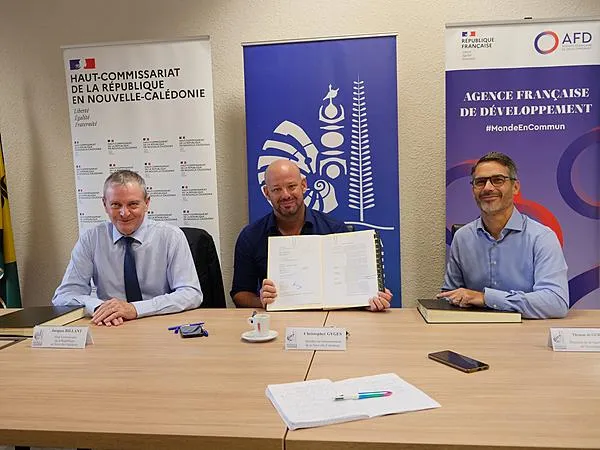
New Caledonia has signed the third tranche of a French state-guaranteed loan as part of a broader economic and social restructuring package aimed at restoring public finances and supporting essential services.
The agreement was signed on May 29 by French High Commissioner Jacques Billant and New Caledonia government member in charge of the economy and budget Christopher Gygès, in the presence of Thomas de Gubernatis, director of the French Development Agency.
The loan forms part of an economic and social restructuring pact launched in February 2026 by the French government. The program provides exceptional state support of nearly 240 billion CFP francs ($2 billion euros) over five years to help revive the economy, improve opportunities for young people and restore public finances in exchange for structural reforms.
Under the arrangement, the French state is guaranteeing a loan of more than 44 billion CFP francs (370 million euros) provided by the French Development Agency to New Caledonia.
The funds will support the territory's social security system, including health insurance and pension payments, as well as the electricity sector and public services delivered by provincial and municipal authorities.
Gygès said the financing would ensure pension payments continue through the end of the year.
"Without this sum, thousands of pensioners would not have been paid," he said, adding that New Caledonia is due to receive two installments of 10.7 billion CFP francs in the coming months.
According to Gygès, while most of the 44 billion CFP francs will be directed toward pensions, the compulsory health insurance scheme (RUAMM) and the electricity system, part of the funding will also support local governments and investment projects intended to contribute to the territory's economic recovery.
The government of New Caledonia and the French Development Agency have signed an agreement to finance a strategic study aimed at strengthening and structuring the territory’s social and solidarity economy sector following economic disruption linked to the May 2024 unrest.
The initiative was presented by Naïa Wateou alongside representatives of the French Development Agency, commonly known as AFD.
Officials said the study would help establish a clearer framework for the development of the social and solidarity economy, or SSE, which includes organisations such as cooperatives, associations, mutual societies, foundations and socially oriented enterprises prioritising social and environmental outcomes alongside economic activity.
Authorities described the sector as an important tool for improving resilience, strengthening social cohesion and supporting inclusive economic recovery in New Caledonia after the social and economic impacts of the events of May 2024.
The initiative follows the adoption of country law No. 2025-13 on August 18, 2025, which formally established a regulatory framework for the social and solidarity economy in the territory.
The legislation defines the sector around principles including social utility, democratic governance and regulated profit management.
Wateou said the new study would provide government with the operational tools and updated data needed to better identify and support SSE actors across the territory.
“Without a regulatory framework, we have no way of recognising the actors in the social and solidarity economy,” Wateou said.
The study mission, financed by AFD for nearly 7.5 million CFP francs, will include mapping and inventory work on the SSE sector, assessment of funding access conditions and analysis of sector support needs, including governance, project engineering and economic model sustainability.
The project will also examine opportunities for accessing public, national and international financing and develop recommendations for a long-term territorial strategy for the sector’s development.
Julie Doiteau said the agency considered it important to support local authorities in strengthening the sector.
“For the AFD, it was natural to support the government and its partners in carrying out this study,” Doiteau said, describing the initiative as a step toward addressing challenges faced by SSE organisations in the territory.
Officials said the agreement would help lay the foundation for a more structured and sustainable development pathway for social and solidarity economy activities in New Caledonia.
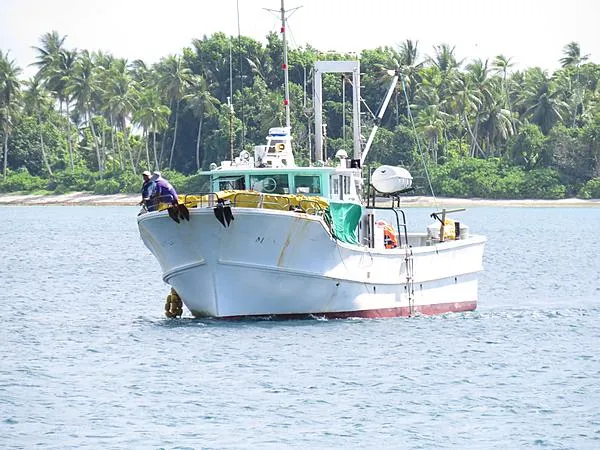
The Tuvalu Fisheries Authority (TFA) has secured NZ$10.9 million in grant funding from New Zealand to advance the third phase of its national fisheries support programme, in a move aimed at strengthening sustainable resource management and boosting economic returns.
The five-year agreement, signed with New Zealand’s Ministry of Foreign Affairs and Trade (MFAT), will fund the Tuvalu Fisheries Support Programme Phase 3 (TFSP3), continuing more than a decade of bilateral cooperation in the sector.
TFA said the programme will underpin implementation of its corporate plan, with a focus on improving economic and food security outcomes in Tuvalu through enhanced fisheries governance and operational capacity.
The funding package includes support for sustaining revenues from oceanic fisheries, alongside initiatives to strengthen domestic fishing and fish marketing activities. It will also finance institutional capacity-building across financial management, human resources and governance functions.
As part of the programme, two long-term technical advisers will be deployed to assist implementation, while resources have been allocated for the repair and maintenance of key fisheries assets, including the patrol and support vessel Manaui II, to restore operational readiness.
TFA Managing Director Sam Finikaso said New Zealand’s continued partnership had been instrumental in developing the country’s fisheries sector.
“New Zealand has been a great supporter of fisheries in Tuvalu. This third phase will provide more resources than earlier projects, and we expect excellent results,” Finikaso said.
The latest agreement builds on earlier programme phases that contributed to stabilising fisheries revenues and expanding local industry participation, reinforcing the sector’s role as a cornerstone of Tuvalu’s economy.
The Asian Development Bank (ADB) committed $679.8m to its Pacific developing member countries in 2025, including $214.4m in grants from the Asian Development Fund, according to its Annual Report 2025 released today.
The report outlines the bank’s operational, institutional and financial performance over the year, with a focus on economic sustainability, structural reform and climate resilience across the Pacific.
“ADB’s engagement in the Pacific in 2025 prioritised ongoing economic sustainability while advancing structural reforms, managing climate-related risks, and building an enabling environment to increase private sector activity,” said Emma Veve, director general of ADB’s Pacific Department.
She added that strengthening resilience would remain central to reducing the region’s exposure to external shocks.
ADB highlighted efforts to crowd in private sector investment through initiatives such as the Pacific Wayfinder programme, which provides concessional finance and technical assistance to support business expansion, job creation and capital market development. Its Frontier programme also aims to deepen local capital markets and improve access to finance for smaller enterprises.
Infrastructure investment remained a core priority. In Tonga, ADB committed an $80m grant from the Asian Development Fund and expects a further $40m in co-financing from the World Bank to construct a 720-metre bridge across the Fanga’uta Lagoon, alongside associated road, water and drainage upgrades. The project is being implemented under the Full Mutual Reliance Framework.
Disaster response also featured prominently. Following a 7.3-magnitude earthquake in Port Vila, Vanuatu, in late 2024, ADB disbursed $5.5m in emergency assistance and committed a further $24.4m grant to rehabilitate a key road linking the capital to its main wharves.
In Papua New Guinea, ADB is supporting aviation connectivity by financing pre-delivery payments for six Airbus A220-100 aircraft for national carrier Air Niugini. The financing package includes $19m from ADB’s ordinary capital resources and $16.9m from Leading Asia’s Private Infrastructure Fund 2.
ADB also expanded its regional footprint with the opening of its Solomon Islands Resident Mission in February 2026, signalling deeper country-level engagement.
The largest share of ADB commitments in the Pacific in 2025 went to transport, followed by water and urban infrastructure, finance, energy and public sector management.
Across Asia and the Pacific, ADB committed $29.3bn in 2025 to support resilience and reform, as the region navigates economic and climate-related challenges.
Established in 1966, ADB is a multilateral development bank owned by 69 members, including 50 from the region, and focuses on sustainable, inclusive and resilient growth.
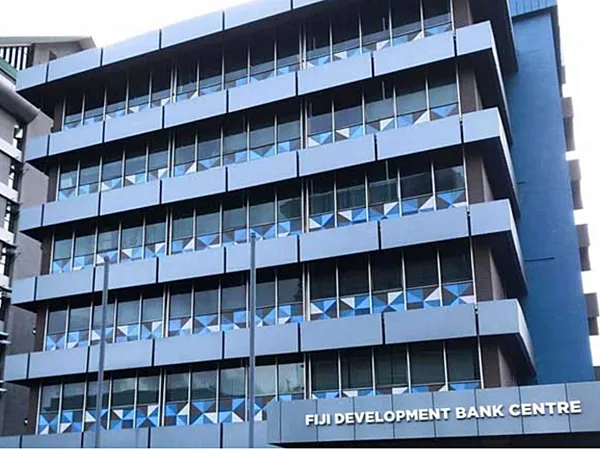
The Fiji Development Bank is refining its lending strategy, placing greater emphasis on financing projects that deliver measurable economic impact across key sectors.
Recent activity highlights a shift toward more targeted lending, with the bank assessing new financing proposals linked to business expansion and productive investments, according to an update from the Australia Pacific Islands Business Council.
The move aligns with the bank’s mandate to support national development by channeling capital into priority areas such as agriculture, infrastructure and small and medium-sized enterprises. Development banks like FDB play a central role in funding projects that contribute directly to economic growth and job creation.
The bank’s evolving approach reflects a broader push to ensure that lending decisions are closely tied to tangible outcomes, including increased productivity, business growth and community-level benefits.
FDB has traditionally provided financing across sectors including agriculture, energy, transport and industry, supporting enterprises that contribute to the country’s economic base.
Its latest strategy builds on this role by sharpening focus on high-impact investments, as Fiji continues efforts to strengthen economic resilience and expand private sector activity.
The shift also comes amid ongoing reforms within the institution aimed at improving efficiency and ensuring long-term sustainability, as it adapts to changing market conditions and development priorities.
Construction of the Aviation Complex Building at Henderson has reached a key milestone, as the Ministry of Communication and Aviation progresses works under the World Bank-funded Second Solomon Islands Roads and Aviation Project (SIRAP 2).
The project has completed first-floor slab and beam concrete works, marking a significant step in the development of the facility, which is expected to strengthen aviation administration and services in the country.
Recent construction activities include installation of reinforcement steel for first-floor columns, formwork and concreting for the staircase landing, masonry blockwork for partition walls, and an unexploded ordnance (UXO) survey for the new access road and footpath.
Testing of concrete compressive strength has shown results ranging from 85% to 100% of the required design specifications, indicating compliance with engineering standards.
Permanent Secretary Alwyn Danitofea said the project remains on track.
“The Aviation Complex Building will strengthen aviation administration and services. We’re pleased to see progress and meeting milestones,” he said.
The main contractor, China Railway Construction Engineering Group, is set to proceed with the completion of first-floor columns and advance to roofing-level beam and slab construction.
SIRAP 2 forms part of a broader infrastructure programme aimed at improving connectivity and transport resilience across the Solomon Islands. In addition to the Henderson complex, the project includes the construction of four new bridges in Malaita, upgrades to Honiara and Munda airports, improvements to Santa Cruz and Suavanao airfields, and investments in air navigation systems in Makira-Ulawa and Temotu provinces.
The programme also covers maintenance of regional airports and road upgrades, including the rehabilitation of 21 kilometres of East Road between Baratolo and Atori in East Malaita, and the sealing of 12 kilometres of North Road between Gwaunaru’u airfield junction and Kwaisuliniu road junction in West Kwara’ae, Malaita Province.
The Solomon Islands government has taken a significant step towards strengthening ocean conservation and management, formally convening the Ocean12 Technical Working Group to drive a five-year integrated initiative supported by the Bezos Earth Fund.
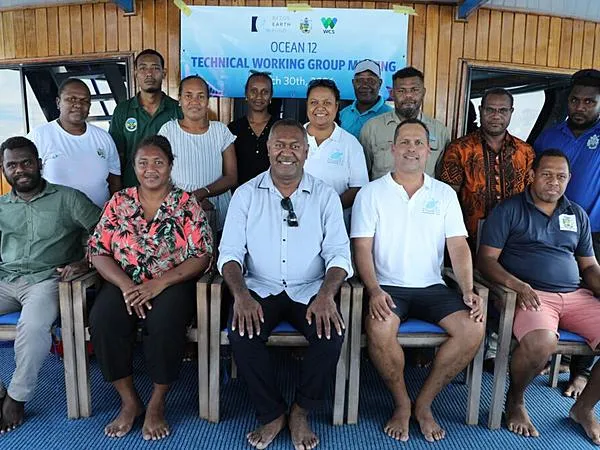
The working group, led by the Ministry of Environment, Climate Change, Disaster Management and Meteorology, the Ministry of Foreign Affairs and External Trade, and the Wildlife Conservation Society, met aboard the MV Bilikiki Cruise on 30 March. Participants endorsed the project’s official work plan, marking a key milestone following a national inception workshop held in December 2025.
The initiative is designed to strengthen ocean governance, expand marine spatial planning and improve the management of protected areas. It aims to increase marine protection coverage to between 10% and 15% of national waters by 2030, while enhancing institutional capacity and empowering local communities.
Deputy Secretary of Foreign Affairs Hickson George said the programme underscores the country’s leadership ambitions in ocean governance.
“This initiative represents a significant step forward in strengthening Solomon Islands’ leadership in ocean governance. Through the Ocean12 platform, we are bringing together national institutions, partners and communities to ensure that marine spatial planning and conservation efforts are coordinated, inclusive and aligned with our national development priorities. The health of our ocean is directly linked to the well-being and prosperity of our people,” he said.
Alec Hughes, country director for the Wildlife Conservation Society, emphasised the importance of collaboration across stakeholders.
“This project reflects a strong partnership between the Solomon Islands Government, local communities and international partners to safeguard some of the country’s most ecologically important seascapes. By strengthening marine spatial planning, governance systems and sustainable financing mechanisms, we are working to ensure that conservation delivers lasting benefits for both biodiversity and coastal livelihoods,” he said.
The programme will prioritise advancing marine spatial planning in key seascapes, supporting the designation and management of new marine protected and conservation areas in Temotu and Makira Ulawa provinces, as well as the Kavachi seascape in Western Province. It will also focus on strengthening governance, compliance and enforcement systems, improving stakeholder coordination and community participation, and developing sustainable financing mechanisms for long-term conservation.
The Ocean12 Technical Working Group will serve as the central platform for coordinating government agencies, development partners and civil society in delivering integrated ocean management.
The meeting highlights the government’s commitment to safeguarding marine resources while ensuring sustainable development for future generations.
The Pacific Islands Forum Secretariat and the World Bank are accelerating efforts to stabilise correspondent banking relationships (CBRs) across the Pacific, as a multi-year regional project begins to deliver early results amid persistent global financial pressures.
The initiative—formally approved in August 2024 and operational since April 2025—marks a coordinated response to a decade-long contraction in correspondent banking services that has left many Pacific Island economies exposed to disruptions in trade, remittances and cross-border payments.
Secretary General Baron Divavesi Waqa underscored that correspondent banking is “fundamental to economic resilience and global connectivity,” particularly for small, geographically dispersed economies that rely heavily on external financial linkages.
Declining banking links trigger systemic risk
The number of active correspondent banking relationships available to Pacific financial institutions has declined sharply since 2011, reaching what policymakers describe as “unsustainably low levels.” This trend—often driven by global banks’ risk-reduction strategies, rising compliance costs and stricter regulatory expectations—has disproportionately affected small island developing states.
The consequences are material: higher remittance costs for overseas workers, reduced access to financial services for vulnerable communities, and increased friction in trade and tourism-related transactions.
Pacific economies, which depend on stable inflows such as remittances and development finance, face heightened vulnerability when access to global banking networks is constrained.
Regional project moves into implementation phase
The Pacific Strengthening Correspondent Banking Relationships Project, valued at $68 million and funded through a mix of grants and credits, is now entering a critical implementation phase across seven countries, including Fiji, Samoa and Tonga, with expansion expected to larger economies such as Papua New Guinea.
The programme is structured around two core pillars:
Under the first pillar, procurement is underway for a dedicated service provider that would offer temporary correspondent banking access to countries at risk of losing critical financial channels. Four institutions have been shortlisted, with negotiations ongoing toward a framework agreement.
This mechanism is designed as a contingency buffer—effectively a regional safety net—to prevent sudden disconnections from the global financial system.
Data, compliance and payments reform advance
Parallel progress is being made on structural reforms aimed at addressing the root causes of “de-risking.”
A regional data initiative is underway to develop a CBR Resilience Index, intended to benchmark financial institutions’ readiness and risk profiles. Pilot data collection has begun in four jurisdictions, while engagement with SWIFT is expected to enhance transaction-level insights.
Regulatory upgrades are also advancing, with anti-money laundering and counter-terrorism financing (AML/CFT) action plans being rolled out in coordination with the Asia Pacific Group on Money Laundering. These reforms aim to close compliance gaps that have contributed to international banks’ withdrawal from the region.
At the infrastructure level, discussions on modernising payment systems are gaining momentum. A regional workshop in Fiji in late 2025 brought together central banks and development partners to explore fast payment systems tailored to small island economies, alongside plans for a potential Pacific Payments Mechanism.
Strategic shift toward regional coordination
The project reflects a broader strategic shift: moving from fragmented national responses to a coordinated regional framework anchored by the Pacific Islands Forum Secretariat.
Through mechanisms such as the Pacific De-Risking Group, the Secretariat is aligning national reforms with regional priorities while facilitating dialogue between Pacific institutions and global banking partners.
The World Bank, for its part, is providing financing, technical assistance and global expertise to support implementation and maintain engagement with international financial institutions.
Waqa said the initiative demonstrates a “shared regional commitment to preserving financial linkages,” adding that strengthening compliance frameworks and transparency will be critical to rebuilding confidence with correspondent banks.
Outlook: rebuilding trust in global financial links
While early progress is evident, officials acknowledge that reversing the long-term decline in correspondent banking relationships will require sustained reforms and continued engagement with global partners.
The project’s six-year horizon to 2030 reflects the scale of the challenge: restoring trust, improving regulatory credibility and ensuring Pacific economies remain connected to international financial markets.
For the region, the stakes are clear—without stable access to correspondent banking, the foundations of trade, remittances and economic development remain at risk.
The Autonomous Bougainville Government (ABG) is advancing the rollout of its Integrated Financial Management Information System (IFMIS), with a focus on building in-house capability through a Training of Trainers programme.
The initiative, led by the Department of Treasury and Finance, forms part of the government’s broader push to strengthen public financial management using the FreeBalance Accountability Suite.
ABG Secretary for Treasury and Finance Joshua Tauko said the project, launched in August 2025, has achieved several key milestones.
“These include the completion of a business process review, systems configuration for critical workflows, approval of a new Chart of Accounts for the 2027 budget, installation of a private internet data link, and improved power and connectivity solutions,” he said.
As part of the capacity-building component, selected public servants in Buka are undergoing hands-on training as “super users” of the system.
“These trainers will cascade knowledge across departments, ensuring local ownership, long-term sustainability, and reduced reliance on external consultants,” Tauko said.
He added that the reform supports the digitalisation and capacity-building priorities outlined in the Department of Treasury and Finance Corporate Plan 2023–2027.
The IFMIS is designed to strengthen governance through standardised controls and compliance mechanisms, enhance accountability through real-time monitoring, and improve transparency by making financial data more accessible.
Officials said the system aligns with the Bougainville Integrated Strategic Development Plan 2023–2027 and the region’s Long Term Vision 2052, which aim to support a self-reliant and sovereign future.
The training programme is also expected to ensure that Bougainville’s public service can independently manage and sustain the system, particularly as revenues expand from major projects such as Panguna and broader sectoral growth.
The Office of the Prime Minister has established a Cryptocurrency Advisory Working Group to assess policy and legislative options for addressing international cybercrime, including ransomware, while safeguarding the country’s financial stability and international obligations.
Formed in partnership with the Financial Intelligence Unit, the new body will provide coordinated, cross-agency advice to the government on the legal, financial and national security implications of cryptocurrency-related policy responses.
Prome Minister Mark Brown said the move reflects the government’s commitment to careful and evidence-based policymaking.
“Our reputation, our financial connectivity, and our economic stability are critical national interests. We will not move forward on any matter of this significance without rigorous due diligence, full consideration of international obligations, and close engagement with key stakeholders,” he said.
The advisory group will review how potential measures align with Cook Islands law and constitutional principles, and whether they comply with international anti-money laundering and counter-terrorism financing obligations. It will also examine potential impacts on the financial system, including correspondent banking relationships.
According to OPM Chief of Staff Karopaerangi Ngatoko, the group provides a formal mechanism for government agencies to evaluate the complex issues surrounding cryptocurrency, ransomware suppression and international compliance frameworks.
The working group is co-chaired by the Office of the Prime Minister and the Financial Intelligence Unit and includes representatives from the Financial Supervisory Commission, Crown Law Office, Ministry of Finance and Economic Management, Ministry of Foreign Affairs and Immigration and the Ministry of Justice.
Its mandate includes identifying reputational, national security and economic risks, assessing operational feasibility, and recommending whether legislative, regulatory or alternative approaches are appropriate.
The working group is expected to complete an initial review of policy and legislative options within the coming months, after which the government will determine whether to proceed with further policy development or public consultation.
Brown said the government had taken note of concerns raised by the domestic banking sector, private industry and legal experts regarding financial connectivity and compliance risks.
“This Working Group is the appropriate mechanism to test those risks properly and ensure any path forward protects the Cook Islands’ long-term interests,” he said.
He added that no draft legislation has yet been tabled in parliament and no final decisions have been made, stressing that the government’s priority remains protecting the country’s economy and maintaining compliance with international obligations.
Follow on LinkedIn:
Pacific Business Review
Be the "First" to get our exclusive Digital Magazine & Weekly Newsletter.