The Government for National Unity and Transformation (GNUT) has reaffirmed its national development priorities during a bilateral meeting with the Asian Development Bank (ADB) on the margins of the Pacific Agenda Summit in Honolulu.
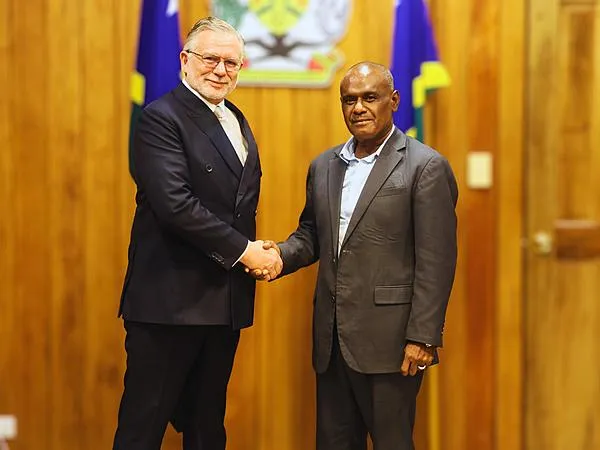
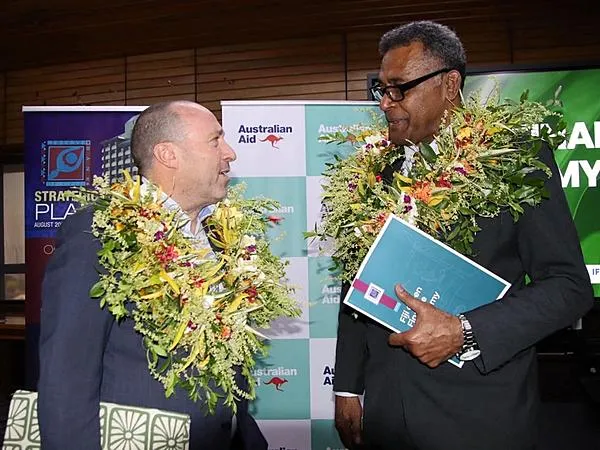
Minister of Finance and Treasury Rexson Ramofafia and Minister for National Planning and Aid Coordination Trevor Manemahaga met with ADB Vice-President for East and Southeast Asia and the Pacific Scott Morris and Director General of the Pacific Department Emma Veve.
ADB said the purpose of the meeting was to better understand the Solomon Islands Government’s immediate and medium-term priorities and how the Bank can effectively align its support.
On behalf of the Government and people of Solomon Islands, Ramofafia thanked ADB for its continued partnership and acknowledged the recent opening of the Bank’s country mission in Honiara, describing it as a significant step towards strengthening coordination and improving project delivery.
Ramofafia outlined GNUT’s priority goals over the next two years, including Solomon Islands’ graduation from Least Developed Country (LDC) status in 2027 and the celebration of the nation’s 50th Independence Anniversary on 7 July 2028.
He emphasised that a key milestone for the Government is the timely completion of major infrastructure projects ahead of the 50th anniversary celebrations.
Drawing on lessons from the Land and Maritime Connectivity Project (LMCP), particularly the phasing out of Phase II and preparations for Phase III, the minister highlighted areas requiring improvement. He requested that administrative and procurement processes be fast-tracked to avoid delays experienced in previous phases, noting that efficient implementation will be critical to achieving GNUT’s 2028 targets.
ADB acknowledged that procurement and administrative processes have contributed to delays in some projects and expressed its commitment to working more closely with the Government to address these issues.
Ramofafia also raised the importance of progressing discussions on a Sovereign Wealth Fund, highlighting its relevance to long-term fiscal sustainability and intergenerational equity. ADB indicated that further engagement with Solomon Islands would be required to advance discussions in this area.
Planning Minister Manemahaga reiterated the finance minister’s concerns and stressed the importance of prioritising high-return projects that generate sustainable economic growth. While infrastructure remains critical, he emphasised the need to support Solomon Islanders in the private sector, strengthen livelihoods and invest in the social sectors to ensure inclusive and broad-based development.
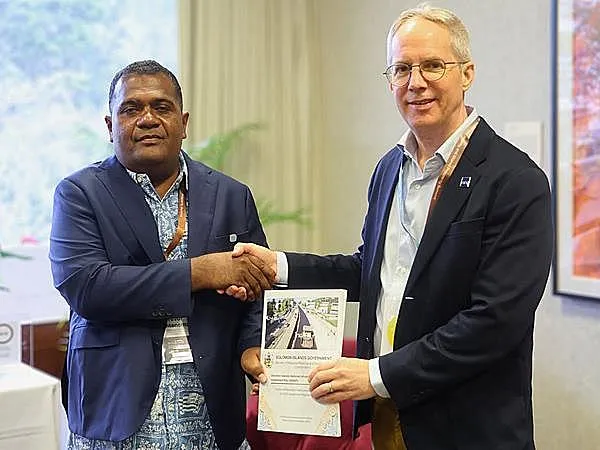
During the meeting, Manemahaga formally handed over the Solomon Islands National Infrastructure Investment Plan (SINIP) to ADB to provide a clear understanding of the Government’s infrastructure priorities and long-term development plans.
Both parties described the discussions as constructive and meaningful, reaffirming their shared commitment to strengthening cooperation and ensuring Solomon Islands remains on track to achieve its national development milestones.
The Asian Development Bank and the Pacific Islands Forum have signed a partnership agreement aimed at strengthening regional cooperation and accelerating climate and development initiatives across the Pacific.
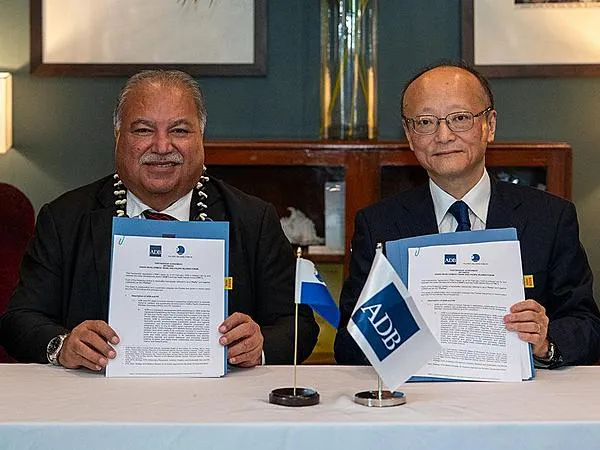
ADB President Masato Kanda and Pacific Islands Forum Secretary-General Baron Waqa formalised the agreement on Thursday, setting out a framework to align the institutions’ resources and expertise in support of what they described as a more resilient, sustainable and prosperous Pacific region.
“The remote and geographically dispersed nations of the Pacific stand to benefit immensely from regional cooperation and integration,” Kanda said. “The strength of the Pacific lies in its unity. By standing together, we can achieve common objectives — from protecting shared ocean resources to building economic resilience — far more effectively than any country could alone. This agreement is our foundation to think bigger and move faster.”
Waqa said the partnership reinforces Pacific-led approaches to development and climate action.
“This partnership strengthens our collective efforts to deliver Pacific-led solutions that build resilience, expand opportunity, and mobilise climate and development finance in line with the 2050 Strategy for the Blue Pacific,” he said.
Both organisations have more than 50 years of engagement with Pacific island countries. The new agreement builds on three decades of cooperation and formalises collaboration on economic competitiveness, community resilience, disaster preparedness and the blue economy.
Under the pact, ADB and the Forum will coordinate on high-priority initiatives, including the Regional Programmatic Approach for Climate Action, the Pacific Fiscal Resilience Initiative and a proposed multi-donor trust fund for disaster risk financing.
The initiatives are intended to help Pacific nations address shared challenges through pooled resources, harmonised policies and collective action.
ADB, founded in 1966, is owned by 69 members, including 50 from the Asia-Pacific region. The multilateral development bank supports inclusive, resilient and sustainable growth across Asia and the Pacific through financing, technical assistance and strategic partnerships.
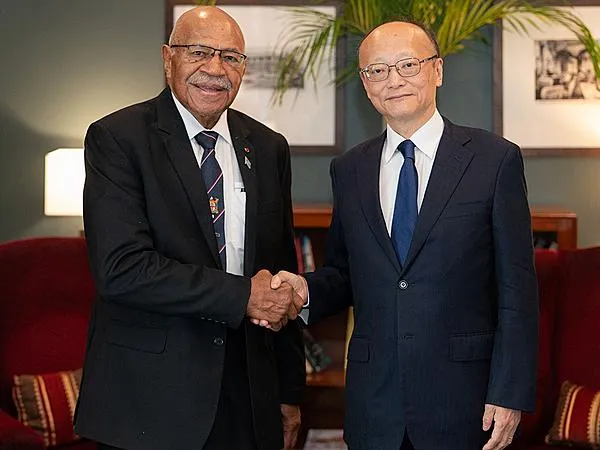
Asian Development Bank (ADB) President Masato Kanda and Fiji Prime Minister Sitiveni Rabuka on 20 February officially opened ADB’s expanded Pacific Subregional Office in Suva. The inauguration followed talks earlier in the day between the two leaders on advancing ADB’s support for Fiji’s inclusive economic growth and reinforcing Fiji’s role as a regional hub for Pacific cooperation.
“These new premises are a clear signal of our ambition,” said Mr. Kanda. “We are moving faster and thinking bigger. With our upgraded presence in Suva, the geographic heart of the Pacific, we will help advance regional cooperation and integration to tackle shared challenges and build a resilient and prosperous Pacific.”
Reflecting ADB’s commitment to localised support, the newly expanded office accommodates a team that has grown significantly over the past five years, more than doubling to around 70 personnel. This expansion allows ADB to provide deeper technical expertise on the ground and stronger support for its operations across the seven Pacific countries served by the Suva hub: the Cook Islands, Fiji, Kiribati, Niue, Samoa, Tonga, and Tuvalu.
During their bilateral meeting, Mr. Kanda and Mr. Rabuka highlighted the rapid increase in ADB’s development financing for Fiji. ADB has committed $1.3 billion to the country since 1972, with $675 million of that total committed since 2020. This accelerated funding reflects Fiji’s greater access to concessional loans and grants, supporting key reforms for private sector development alongside significant investments in critical infrastructure such as transport, water, and urban services. The leaders also discussed Fiji’s central role in convening dialogue and promoting collective action among Pacific island countries.
Further reinforcing the focus on economic resilience, Mr. Kanda met with the Minister for Finance, Commerce and Business Development and ADB Governor, Esrom Immanuel. They reaffirmed ADB’s commitment to bolstering private sector development and advancing public–private partnerships in priority areas. Their discussions touched on ongoing collaboration to develop a national digital ID system, a cornerstone of Fiji’s digital transformation that will improve access to essential services and banking.
Following these high-level meetings, Mr. Kanda attended a showcase by Kahuto Pacific, a local aerial mapping firm supported by the ADB Frontier program. The company is building the Moana Data Service, the region’s first locally led geospatial data platform, which will provide Pacific island countries with direct access to high-resolution aerial imagery to support climate resilience, infrastructure planning, and disaster risk reduction.
ADB is a leading multilateral development bank supporting inclusive, resilient, and sustainable growth across Asia and the Pacific. Working with its members and partners to solve complex challenges together, ADB harnesses innovative financial tools and strategic partnerships to transform lives, build quality infrastructure, and safeguard our planet. Founded in 1966, ADB is owned by 69 members—50 from the region.
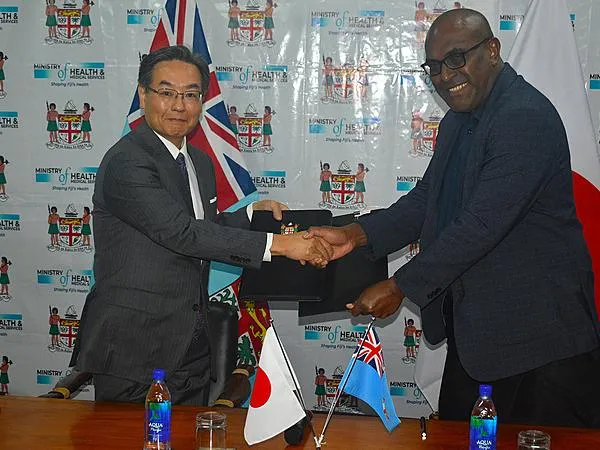
Japan has formalized a new grant of 313 million yen (approximately FJ$4.6 million) to Fiji through the Ministry of Health and Medical Services, aimed at procuring medical equipment under Japan’s Economic Social Development Program (ESDP).
The announcement was made during the Exchange of Notes and Grant Agreement ceremony, which highlighted the ongoing Lomavata–Kizuna Partnership signed by Prime Minister Sitiveni Rabuka and Japan’s Prime Minister Takaichi in November 2025.
Japan’s Ambassador to Fiji, Hiroshi Tajima, noted that the grant reinforces the bilateral partnership and that the Japan International Cooperation Agency (JICA) would provide technical support for the initiative.
As part of ongoing health projects, Japan and Project HEAVEN Trust signed a grant contract on 23 January for a four-wheel-drive Mobile Audiovisual Examination vehicle, equipped with soundproofing and specialised instruments to bring hearing and vision screening services directly to Fijians.
Additionally, on 3 March, Japan and UNICEF will sign a USD$5.48 million, four-year initiative aimed at preventing drug use among children and youths in Fiji, addressing the country’s national drug emergency.
Fiji’s Minister for Health and Medical Services, Ratu Atonio Lalabalavu, described the grant as an investment in the health workforce of tomorrow and in improving access to care across the country. The funding will support the procurement of essential medical equipment, including teaching aids for nursing students at the Fiji National University, a mobile clinic, and a mobile dental truck.
The grant marks a continuation of Japan’s commitment to enhancing health infrastructure, capacity building, and educational support in Fiji, reflecting the broader objectives of the Lomavata–Kizuna Partnership.
Prime Minister Jeremiah Manele today welcomed the first-ever Country Director of the Asian Development Bank (ADB) for Solomon Islands, Anthony Gill, during a courtesy visit at the Office of the Prime Minister and Cabinet.
Gill briefed the Prime Minister on preparations for the official opening of ADB’s Solomon Islands office next Tuesday, which will be officiated by the ADB President, who is also expected to undertake several visits while in Honiara.
Manele highlighted ADB’s 53-year partnership with Solomon Islands and stressed the importance of collaboration with all development partners, including the World Bank. He also updated Gill on the government’s policy framework based on four pillars: economic transformation and growth, national unity and stability, infrastructure development and service delivery, and human capital development.
The Prime Minister noted upcoming national milestones, including graduation from Least Developed Country status in 2027 and the country’s 50th Independence Anniversary in 2028, reiterating that infrastructure remains a top national priority.
Gill reaffirmed ADB’s commitment to supporting the government’s vision and priorities, including private sector development and sustainable growth.
Manele thanked Gill for the visit and expressed confidence that ADB’s presence in Honiara will strengthen the partnership and deliver tangible benefits to the people of Solomon Islands.
The Solomon Islands, through the Ministry of Agriculture and Livestock Development, has reaffirmed its strong partnership with the International Fund for Agricultural Development (IFAD), highlighting agriculture as the backbone of food security, economic growth and national stability.
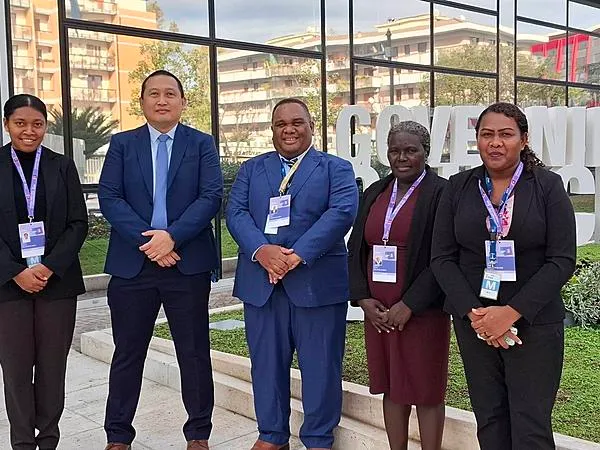
Speaking at the 49th Session of the Governing Council of IFAD during the Asia and the Pacific Roundtable in Rome, Italy, Minister for Agriculture and Livestock Development Franklyn Derek Wasi underscored the government’s commitment to inclusive and sustainable rural transformation, aligned with the National Development Strategy 2016–2035.
Wasi described IFAD as a trusted development partner whose long-standing support continues to strengthen rural livelihoods, enhance food security and empower vulnerable communities, particularly women and youth.
He said IFAD’s investments align closely with the Solomon Islands’ national priorities of poverty reduction, climate resilience and private sector-led agricultural growth.
“A flagship initiative that embodies this commitment is the Agriculture Investment for Markets and Nutrition (AIM-N) Project, a partnership between the Government of Solomon Islands and the International Fund for Agricultural Development,” Wasi said.
“With an investment of approximately US$19.82 million, AIM-N will strengthen food security, improve nutrition outcomes and increase rural incomes for more than 18,000 people across three provinces over the next six years. AIM-N integrates nutrition-sensitive agriculture with market-oriented production, empowering rural households to produce, purchase and consume nutritious and climate-resilient foods.”
Wasi added that the project places gender equality and youth inclusion at its core, with women representing at least 50 percent of beneficiaries and youth at least 20 percent.
Looking ahead, he said the Solomon Islands is committed to building on this momentum and called for continued IFAD support to scale up youth-led agribusinesses, empower women in agricultural leadership, and strengthen rural infrastructure and climate-resilient systems.
The Solomon Islands remains confident that, through sustained partnership with IFAD and other development partners, agriculture will continue to uplift rural households, strengthen national food systems and contribute to long-term peace, prosperity and resilience across the country.
In a move to strengthen local resilience, the Ministry of Finance and Economic Development on 28 January officially launched Phase 2 of the UNDP-Gov4Res Small Grants Initiative, with financial support from the New Zealand government.
Under the initiative, three civil society organisations were each awarded US$13,300 to implement community-based projects. The inaugural recipients are Live & Learn, the Fuligafou Youth Association and FatuLei (Women for a Change).
The organisations were selected following a rigorous consultation process involving key stakeholders. A technical working group comprising government partners, the Tuvalu Association of Non-Governmental Organisations and development partners was established to ensure funding is directed to projects with the greatest community impact.
The initiative provides direct financial support to local organisations to implement small-scale, climate-resilient and sustainable development programmes. These include community agriculture projects and governance-strengthening activities tailored to the specific needs of Tuvaluan communities.
The launch event, attended by government officials, civil society organisations and international development partners, marked the culmination of extensive collaboration aimed at empowering grassroots initiatives.
Delivering the keynote address, Secretary for Finance and Economic Development Nuausala Nuausala said the launch demonstrated the value of strategic decision-making, coordination and partnerships.
“The challenges we face are too great for one entity to solve alone. This is why partnership is our greatest asset,” Nuausala said. “By aligning the goals of government, development partners and civil society organisations, we create a unified platform for sustainable progress.”
He said the selection of the first three recipients reflects a deliberate strategy to support diverse sectors of society, including youth and women, to promote inclusive national development.
Speaking on behalf of the recipients, Live & Learn representative Setima Pita expressed gratitude to the government and its development partners, saying the initiative was more than financial support.
“This platform is more than just a financial boost; it is a vital bridge to the people,” Pita said. “Implementing these programmes is essential for our future, and their success depends on collaboration and teamwork. This funding allows us to reach deep into our communities and create lasting change together.”
The Ministry of Finance and Economic Development reaffirmed its commitment to monitoring grant implementation, sharing information and ensuring that the spirit of cooperation demonstrated at the launch continues throughout the project period.
The Pacific Sustainable Development Initiative (PSDI) Financing Growth team visited Fiji to assist the Government of Fiji in implementing the Access to Business Funding (A2BF) Act 2025, a groundbreaking legislative framework designed to facilitate innovative financing mechanisms including small offers, peer-to-peer (P2P) lending, and crowdfunding.
A significant highlight of the visit was the official launch of a Request for Proposals (RfP) seeking a company or consortium to develop and operate Fiji’s first P2P lending platform. P2P lending leverages technology to provide an alternative lending approach that reduces or removes collateral requirements, thereby increasing financial access for micro, small, and medium-sized enterprises (MSMEs) that often face challenges obtaining traditional financing.
The RfP was launched jointly by the Ministry of Commerce and Business Development and the Reserve Bank of Fiji at a press conference, marking a crucial step towards bringing the new law into practical operation.
During their visit, PSDI facilitated a knowledge-sharing exchange with senior representatives from MicroLeap, a Malaysian P2P lending provider with experience in markets similar to Fiji. The MicroLeap team engaged with key stakeholders including the Ministry of Commerce and Business Development, Ministry of iTaukei Affairs, and the Fiji Investment Corporation to explore how P2P lending could complement government assistance programs that provide substantial grant funding to targeted sectors.
MicroLeap also held two separate sessions with MSMEs, MSME support organizations, and business development service providers. These interactive sessions aimed to familiarize the local business community with the benefits of P2P lending and how it could improve their access to capital.
Additionally, the MicroLeap team collaborated with the Reserve Bank of Fiji to review draft regulations and guidelines for P2P lending, sharing insights on best practices from Malaysia as well as potential regulatory challenges to consider in Fiji’s context.
PSDI further participated in the fourth A2BF Act implementation task force meeting, providing updates on regulatory developments for P2P lending and equity crowdfunding, and discussing plans to create a startup support package for the successful P2P lending platform operator.
PSDI is proud to partner with the Ministry of Commerce and Business Development and the Reserve Bank of Fiji in advancing the implementation of the Access to Business Funding Act and expanding equitable access to finance for Fijian businesses, driving economic growth and entrepreneurship across the country.
Road upgrade works in parts of Fiji are being supported through climate finance secured under the Duavata Partnership between the Governments of Fiji and New Zealand.
In November 2023, Fiji and New Zealand signed the Country Flexible Finance Partnership Arrangement, providing FJD 27.6 million in budget support for climate-principal projects. These projects, which have a strong focus on climate change response, directly support the implementation of Fiji’s Climate Change Act.
The funds were received in January 2024 and channelled through the national budget to Ministries and Agencies to deliver climate-resilient infrastructure and services across the country.
Across three financial years, five climate-principal projects were supported in 2023–2024, five projects in 2024–2025, and 13 projects have been identified for 2025–2026.
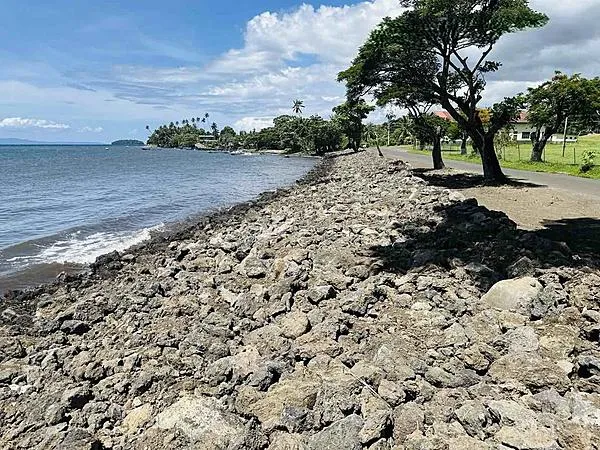
As part of this process, the Ministry of Environment and Climate Change, in consultation with the Ministry of Finance, allocated FJD 3.5 million to the Fiji Roads Authority in 2024–2025 to strengthen the climate resilience of key road infrastructure. Of this, FJD 2 million was used for capital upgrade works at several locations, including the South Coastal Road at the Holy Cross College frontage in Wairiki, the South Coastal Road at the South Taveuni Primary School frontage, Biana Road, Nabukelevu Road, and sections of roads in Sigatoka, Nadi, Ba and Tavua.
Minister for Environment and Climate Change, Hon. Lynda Tabuya, who serves as the Pacific Political Champion on Climate Finance, said she will continue to advocate for climate finance that is accessible, flexible and directly responsive to the needs of Pacific communities.
“This is a clear example of how climate finance is being translated into practical improvements that protect communities, schools and critical transport links from increasing climate impacts,” Hon. Tabuya said.
The Ministry of Environment and Climate Change continues to work closely with development partners and national agencies to ensure that climate finance delivers real benefits to the people of Fiji.
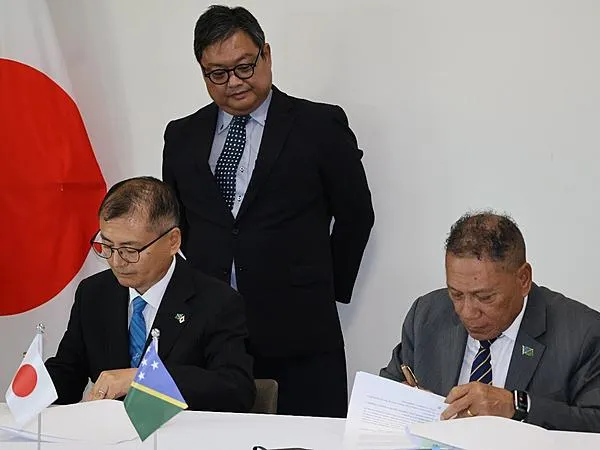
The Government of Solomon Islands has exchanged notes and signed two grant agreements with the Government of Japan under the Economic and Social Development Programme, supporting key projects in waste management and forestry.
Minister for Foreign Affairs and External Trade Peter Shanel Agovaka signed the agreements with the chargé d’affaires of the Embassy of Japan, Maruo Katsumasa, and the resident representative of the Japan International Cooperation Agency (JICA) Solomon Islands Office, Kawasaki Mitsuyoshi.
The grants will benefit the Ministry of Environment, Climate Change, Disaster Management and Meteorology and the Ministry of Forestry and Research.
Waste management support
The first grant, valued at 147 million Japanese yen, or about SBD 8.2 million, will strengthen the capacity of the environment ministry through the provision of waste treatment equipment.
Agovaka said the support would enhance national efforts to address waste management challenges, protect public health and safeguard the environment.
He also acknowledged the continued assistance of JICA through its regional initiative, the Promotion of Regional Initiative on Solid Waste Management in Pacific Island Countries, known as J-PRISM Phase 3.
The new project will complement J-PRISM Phase 3 and further strengthen environmentally sound waste management practices across Solomon Islands, the minister said.
Forestry and sawmill project
The second grant, amounting to 183 million Japanese yen, or about SBD 10.25 million, will support sawmill projects under the Ministry of Forestry and Research.
The initiative builds on Japan’s 2024 project on capacity development for sustainable forest resource management, which distributed 67 sawmills to communities nationwide.
Agovaka said the continued support reflects Japan’s long-term commitment to sustainable forest management, community development and economic prosperity in Solomon Islands.
He said the two agreements demonstrate the enduring partnership between Japan and Solomon Islands and reaffirm both governments’ commitment to improving the well-being of the people.
In closing, Agovaka expressed the Solomon Islands Government’s appreciation to Japan for its continued support, noting the cooperation aligns with national development priorities and shared goals of sustainable growth, social well-being and regional stability.
Also attending the signing were supervising permanent secretary of the Ministry of Foreign Affairs and External Trade Hickson George, Permanent Secretary of the Ministry of Forestry and Research Richard Raomae, and Deputy Secretary of the Ministry of Environment, Climate Change, Disaster Management and Meteorology Karl Kuper, along with representatives from government ministries, the Embassy of Japan and JICA.
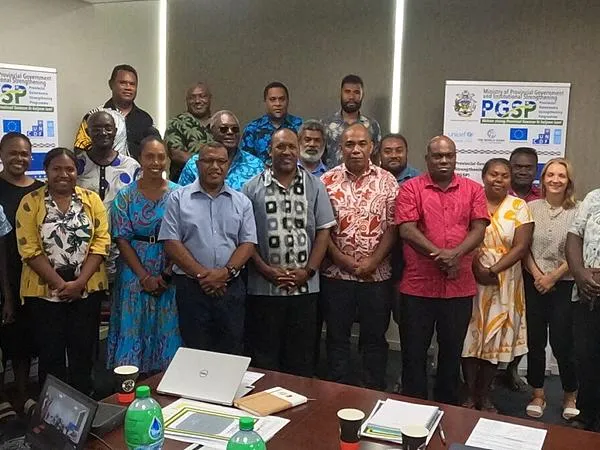
The Solomon Islands' Ministry of Provincial Government and Institutional Strengthening (MPGIS) hosted a week‑long peer learning exchange with a high‑level delegation from Vanuatu’s Department of Local Authority, strengthening regional collaboration on decentralisation, risk‑informed development, and performance‑based provincial financing under Solomon Islands’ Provincial Capacity Development Fund (PCDF).
The programme, part of the Provincial Governance Strengthening Program (PGSP), brought together officials from both countries to share experiences, discuss best practices, and examine mechanisms for linking provincial funding to transparent financial processes and measurable service delivery outcomes.
The exchange focused on four key objectives: strengthening cooperation on risk‑informed development, exchanging success factors and risk mitigation strategies, promoting mutual learning on decentralised financing mechanisms using the PCDF, and documenting best practices to inform policy dialogue in Vanuatu.
Director General of MPGIS highlighted the value of addressing decentralisation and ensuring service delivery to communities. He thanked UNDP Governance for Resilience for funding the exchange and acknowledged the full participation of ministry staff.
“We truly appreciate this opportunity and are happy to be here,” he said. Reflecting on the exchange, he added: “I can see that provinces have been able to deliver local infrastructure and services more reliably by tying funding to transparent financial processes and clear performance standards. The shared experiences have taught us many lessons.”
Deputy Secretary for Governance Michael Pasikeni outlined Solomon Islands’ decade‑long experience piloting and scaling the PCDF. Since 2008, the fund has mobilised around SBD350 million in government and donor support, completing 1,600 capital projects across nine provinces. These investments have enhanced infrastructure and services in education, health, agriculture, sanitation, water supply, roads, electricity, bridges, and sports, creating more than 8,000 jobs in rural communities.
The programme has also strengthened governance outcomes. Two provinces have maintained clean audit reports for more than three consecutive years, and 56 per cent of provinces have moved out of the audit disclaimer zone, reflecting improved public financial management.
MPGIS showcased progress under the World Bank–funded Integrated Economic Development and Community Resilience (IEDCR) project, implemented in partnership with UNCDF and UNICEF. To date, 173 Ward Development Committees (WDCs) have been established, enabling communities to identify and implement micro‑projects that support climate adaptation and resilience.
Former PCDF Joint Oversight Committee member and Secretary to the Prime Minister, Dr. Melchior Mataki, emphasised the role of national leadership in aligning funding with local realities.
“Communities need to take charge of their own resilience, but they can’t do it alone,” he said. “When national frameworks align with local realities, and funding genuinely supports provincial delivery, systems become stronger and more sustainable.”
Permanent Secretary of MPGIS, Dr. Derek Futaiasi, underscored the importance of aligning national policy with provincial implementation. “We’re working on systems that set solid national standards while giving provinces the flexibility to find their own way,” he said. “When policies are aligned, and we invest in tools—such as digital systems—services reach people faster and public resources are used more effectively.”
Dr. Futaiasi closed the exchange by thanking the Vanuatu delegation for their participation. “We’ve learned a lot from each other about decentralised financing,” he said. “I’m excited to continue working together and translate these lessons into policies that strengthen resilience, transparency, and service delivery in our communities.”
The Vanuatu delegation was led by Director General Mr. Leith Veremaito and included officials from the Department of Local Authority, the Department of Strategic Planning, Policy and Aid Coordination, and a UNDP Sub‑regional Resilience Specialist. Solomon Islands participants included the MPGIS Permanent Secretary, his deputy secretaries, the Chief Technical Advisor of PGSP, senior officials from PGSP, IEDCR project management unit staff, and representatives from the World Bank and UNDP.
Delegates visited key PCDF-funded projects, including the Mataga bridge, the Agricultural Storage House, and a new provincial chamber under construction at Mamara, before returning to Vanuatu on December 11.
The Asian Development Bank (ADB) has appointed Azusa Sato as Regional Director of its Pacific Subregional Office, based in Suva, Fiji.
Sato will continue to develop ADB’s strong client relationships and manage seven offices in the Cook Islands, Fiji, Kiribati, Niue, Samoa, Tonga, and Tuvalu. She will lead engagement with member countries and partners and oversee the implementation of ADB’s country partnership strategy for Fiji, as well as ongoing work guided by ADB’s Pacific Approach for other countries. She will also contribute to the development of ADB’s new Pacific Approach 2026–2030.
“I’m tremendously excited and honoured to be a part of ADB’s energetic and dynamic Pacific team serving the region. Together, we will work with clients to improve the quality of life of Pacific Islanders,” said Sato. “I am particularly keen to implement innovative solutions and lead strategic dialogue in line with ADB’s priorities, while recognising the Pacific’s unique vulnerabilities. The unwavering and invaluable contributions of development partners will also be strongly recognised.”
Sato has over 17 years of professional experience, including 10 years at ADB. Prior to her new appointment, she served as Senior Advisor to the ADB President, where she advised on strategic corporate priorities and participated in high-level policy dialogues with Pacific Heads of State on domestic and regional challenges.
Sato joined ADB in 2016 as a Health Specialist in the Southeast Asia Department. In 2019, she moved to ADB’s Indonesia Resident Mission as a Social Sector Specialist and was promoted to Senior Social Sector Specialist in 2021.
A national of the United Kingdom, Ms. Sato holds a doctorate in health policy and a master’s in population and development from the London School of Economics. She also earned a bachelor’s degree in economics from Cambridge University.
ADB is a leading multilateral development bank supporting inclusive, resilient, and sustainable growth across Asia and the Pacific. Working with its members and partners to solve complex challenges together, ADB harnesses innovative financial tools and strategic partnerships to transform lives, build quality infrastructure, and safeguard the planet. Founded in 1966, ADB is owned by 69 members—50 from the region.
Fiji is intensifying efforts to address the global biodiversity finance gap, estimated at an alarming US$700 billion annually, as the country works to align national financing systems with international biodiversity targets under the Kunming–Montreal Global Biodiversity Framework (GBF).
According to the Little Book on Investing in Nature, meeting the GBF’s ambitious goals will require countries to mobilise significant new resources, improve the efficiency of existing spending, and eliminate financial flows that harm biodiversity. The scale of the challenge demands transformative change across economies and societies.
In Fiji, the Biodiversity Finance Initiative II (BIOFIN) is leading national efforts to close this gap through innovative and sustainable financing solutions. Central to this work are two cornerstone assessments — the Policy and Institutional Review (PIR) and the Biodiversity Expenditure Review (BER) — first developed in 2017 to analyse Fiji’s fiscal, policy and institutional frameworks, as well as biodiversity-related spending and financing gaps.
With global priorities evolving and national circumstances changing, the original reports are now being updated to ensure they remain relevant and actionable. To this end, the United Nations Development Programme (UNDP) and the Ministry of Environment and Climate Change have partnered to review and revise the PIR and BER, integrating updated recommendations into Fiji’s National Biodiversity Strategy and Action Plan (NBSAP). The process also aims to align Fiji’s biodiversity financing approach with the GBF and contribute to the achievement of the Sustainable Development Goals (SDGs).
The revised reports will form the foundation for the development of a Biodiversity Finance Plan (BFP), a requirement under Target 19 of the GBF. The plan will identify Fiji’s national biodiversity finance gaps, propose measures to reduce harmful financial flows, and outline strategies to generate additional resources while improving spending efficiency.
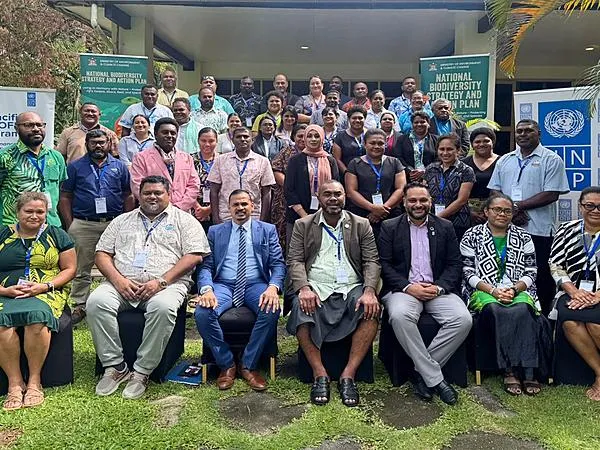
A validation workshop, held from 12 to 15 January 2026, has brought together key stakeholders to review and endorse the updated PIR and BER, provide technical feedback, and agree on next steps towards government approval and implementation. The workshop is designed as a consultative platform to strengthen collaboration and ensure that proposed reforms align with both national priorities and global commitments. It will also pave the way for the next phase of work, including the Finance Needs Assessment (FNA) and the formal development of Fiji’s Biodiversity Finance Plan.
Minister for Environment and Climate Change Mosese Bulitavu said Fiji must move beyond fragmented approaches to conservation financing.
“We cannot continue to protect biodiversity with fragmented projects and financial systems. BIOFIN is about fixing how Fiji plans, tracks, and governs biodiversity finance because without disciplined financing, conservation will always fall short of national development. This work is about ensuring that every dollar spent strengthens resilience, protects livelihoods, and delivers long-term value for our people and our economy," Bulitavu said.
UNDP Pacific Office in Fiji Resident Representative Munkhtuya Altangerel said biodiversity underpins Fiji’s resilience and national identity but faces growing pressure.
“Biodiversity is the foundation of our food systems, our resilience, and our identity as a nation. Yet, it faces increasing pressure from habitat loss, invasive species, pollution, and climate change. Addressing these challenges requires more than good intentions; it requires finance strategies that are coherent, adequate, and aligned with national priorities," Altangerel said.
Beyond technical assessments, the BIOFIN workshop signals a broader commitment to communities that rely on healthy ecosystems for livelihoods, food security and protection from climate impacts.
By strengthening biodiversity finance planning and governance, Fiji is positioning nature at the heart of sustainable development — empowering communities today while safeguarding the country’s rich natural heritage for generations to come.
The Pacific’s collective effort to strengthen ocean resilience and community well-being has been bolstered through the launch of the Pacific Ocean Initiative – Sustainable Protection and Management of Coastal and Marine Ecosystems for Community Resilience. The programme was formalised in December 2025 through a partnership between the Secretariat of the Pacific Regional Environment Programme (SPREP) and the Agence Française de Développement (AFD).
Backed by an €8 million AFD grant over five years, the Pacific Ocean Initiative is a regional programme designed to protect coastal and marine biodiversity, strengthen ecosystem resilience, and support sustainable development across Pacific Island countries and territories. The initiative brings together SPREP and the Pacific Community (SPC) to coordinate activities with Pacific governments, scientific and technical partners, and non-governmental and civil society organisations, addressing shared ocean challenges and promoting food and economic security for Pacific communities.
The initiative will benefit 18 Pacific Island countries and territories, including Fiji, Kiribati, Marshall Islands, Solomon Islands, Samoa, Tonga, Vanuatu, Timor-Leste, New Caledonia, French Polynesia, and Wallis and Futuna.
SPREP Director General Sefanaia Nawadra described the programme as “a bold and collective commitment to safeguard the ecosystems that sustain our communities, cultures, and economies.” He added, “By fostering knowledge sharing and regional collaboration, this programme aims to strengthen the capacity of Pacific nations to protect, sustainably manage and restore their coastal and marine ecosystems and resources.”
AFD Head in Fiji, Elodie Vitalis, emphasised the importance of the Pacific-led initiative. “Protecting the Pacific Ocean means safeguarding the beating heart of this region. Together with SPREP and SPC, we are joining forces to restore vital ecosystems, support the communities whose livelihoods depend on the ocean, and strengthen the capacity of Pacific Island countries to face the impacts of climate change,” she said.
The Pacific Ocean Initiative aligns with the Blue Pacific 2050 Strategy, which seeks to ensure sustainable and resilient development across the region. The initiative focuses on strengthening regional and local expertise for sustainable management of marine and coastal resources through three components: enhancing regional collaboration and national capacity, supporting community-level co-management of coastal resources, and providing project management, monitoring, and evaluation. SPREP will lead the regional coordination and management components, while SPC will oversee community-based ecosystem management.
Expected outcomes include the development of a regional community of practice for coral reef monitoring, improved coral restoration through inter-reef connectivity, and healthier, more resilient communities through sustainable coastal fisheries management.
By fostering a forward-looking partnership between SPREP, SPC, and AFD, the Pacific Ocean Initiative aims to ensure that the region’s marine ecosystems are sustainably managed, resilient to climate change, and capable of supporting prosperous and sustainable communities for generations to come.
Fiji reached a significant milestone with the official launch of the Fiji Green Finance Taxonomy, a framework designed to guide sustainable and climate-aligned investments.
The Taxonomy was formally launched by the Minister for Finance, Commerce and Business Development, Esrom Immanuel, at the Reserve Bank of Fiji (RBF) in Suva.
Developed under the leadership of the RBF, the Taxonomy was produced in close partnership with the International Finance Corporation (IFC) and the Climate Bonds Initiative, with support from the Government of Australia. Extensive consultations with financial institutions, government agencies and development partners contributed to shaping the final framework.
In his remarks, Immanuel highlighted several key points:
The Taxonomy positions Fiji at the forefront of sustainable finance in the Pacific, providing a science-based system for classifying environmentally sustainable activities.
It aligns with global priorities coming out of COP30, including the scale-up of climate finance, focus on adaptation and resilience, and greater transparency in climate reporting.
The first version focuses on energy and transport, two major contributors to Fiji’s emissions, and will help channel private and public capital towards credible green investments.
The framework will support access to concessional and blended finance, reduce greenwashing, and strengthen Fiji’s climate-resilient development pathway.
Immanuel acknowledged the RBF’s leadership and reaffirmed the government’s commitment to working closely with all partners to turn the Taxonomy into real, on-the-ground climate action for Fiji.
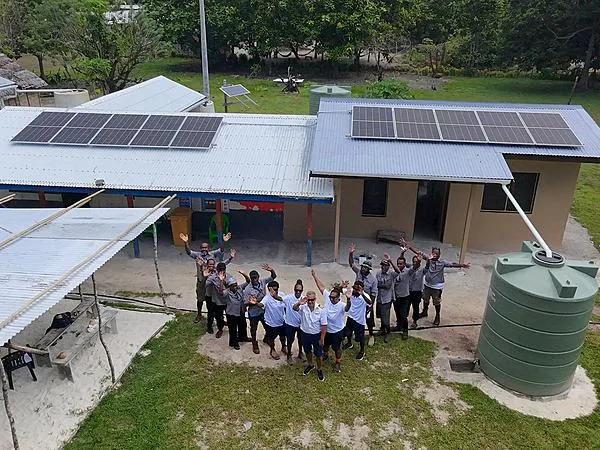
One year ago, Australia’s Minister for Climate Change Chris Bowen announced REnew Pacific at COP29: a $75 million Australian Government investment over five years, designed to expand clean, reliable energy access for remote off-grid communities across the Pacific and Timor-Leste.
Building on successful pilots through the Business Partnerships Platform (BPP), the program set out to strengthen essential services, create local economic opportunities, and support community-led climate resilience across some of the region’s most remote locations.
One year on, the program is making a tangible difference across the region. In its first year, it has achieved: • 6 projects underway across Fiji, Papua New Guinea, Solomon Islands, and Vanuatu – with more to come! • More than 85 schools, health centres, and communities gaining access to clean energy • More than 177,000 people reached
Together with its earlier pilots, its impact to date includes: • 19 projects underway across Fiji, Kiribati, Papua New Guinea, Timor-Leste, Solomon Islands, and Vanuatu • 95% of projects are solar, with 5% hydro • 7 pilot project installations completed and handed over to the community • Three early BPP pilots scaled into full REnew Pacific projects • More than 130 schools, health centres, and communities gaining access to clean energy • More than 230,000 people reached • Dozens of local organisations partnering across government, civil society, and the private sector • Significant reductions in diesel use across remote clinics, schools, and communities
Built on community leadership, practical design, trusted partnerships, and long-term impact, the program is showing what is possible when local organisations, governments, and the private sector work together to deliver clean, reliable energy where it is needed most.
Supported by the Pacific Climate Infrastructure Financing Partnership (PCIFP), a $350 million initiative of the Australian Infrastructure Financing Facility for the Pacific (AIFFP), and implemented by Palladium, REnew Pacific is already shaping a more resilient and connected future for remote Pacific and Timor-Leste communities.
Follow on LinkedIn:
Pacific Business Review
Be the "First" to get our exclusive Digital Magazine & Weekly Newsletter.