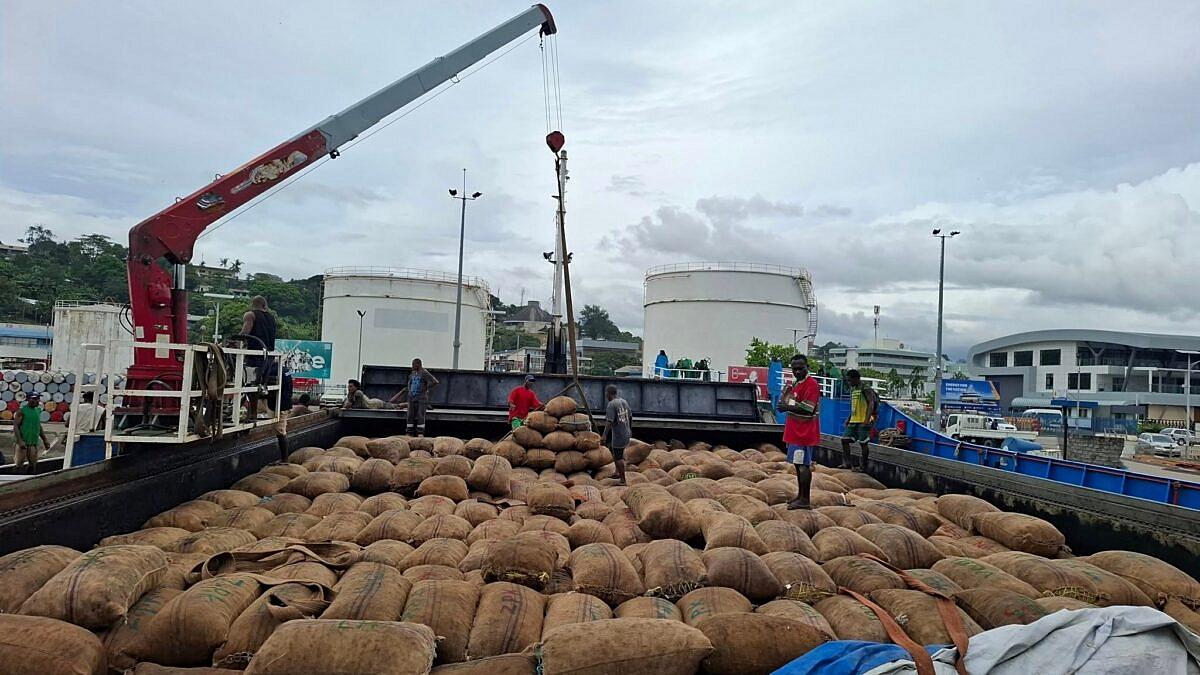
The Commodities Export Marketing Authority (CEMA) is making significant progress in strengthening direct export pathways for copra and cocoa, aiming to maximize value for local farmers and the national economy.
CEMA is moving away from reliance on intermediaries, engaging directly with international manufacturers to ensure higher returns, improved market stability, and greater transparency.
Direct partnerships for cocoa exports with manufacturers such as Barry Callebaut Cocoa Asia Pacific Pte Ltd, and for copra exports via Bangladesh to the United Arab Emirates, are securing better prices and benefits for Solomon Islands commodities. “This approach reduces dependency on middlemen, retaining more export value within the country,” CEMA said.
These efforts align with the Government for National Unity and Transformation’s (GNUT) mandate to secure better farm-gate prices and fairer participation for rural farmers. CEMA also recognizes the vital role of domestic processors in value-adding, creating employment, and strengthening the local market.
The authority plans to continue expanding direct partnerships and opening new export markets, prioritizing China, the Middle East, Southeast Asia, and premium chocolate manufacturers.
“This strategic shift reinforces CEMA's role as a driver of rural empowerment, increased farmer profitability, and sustainable national economic growth, supporting GNUT's productivity and trade priorities,” the authority said.
Cocoa and copra remain the two most important agricultural export commodities for the country. Combined export earnings saw a significant surge in 2025, reaching over SBD$511 million (approximately USD $63.7 million) in the first three quarters.
This growth is attributed to favorable global market prices, improved access to agricultural loans, increased participation from women and youth, and strengthened market linkages, leading to renewed confidence in the country’s agricultural sector.