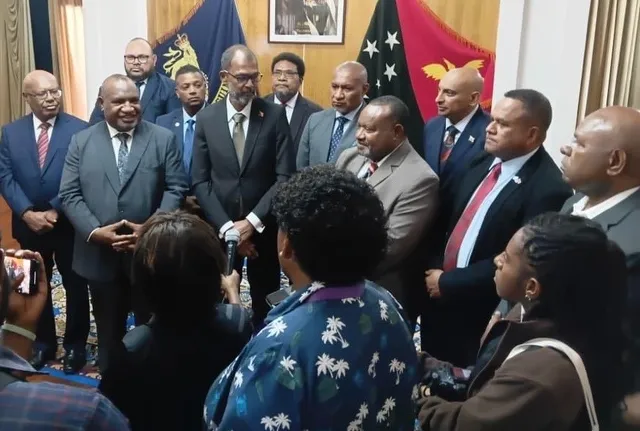
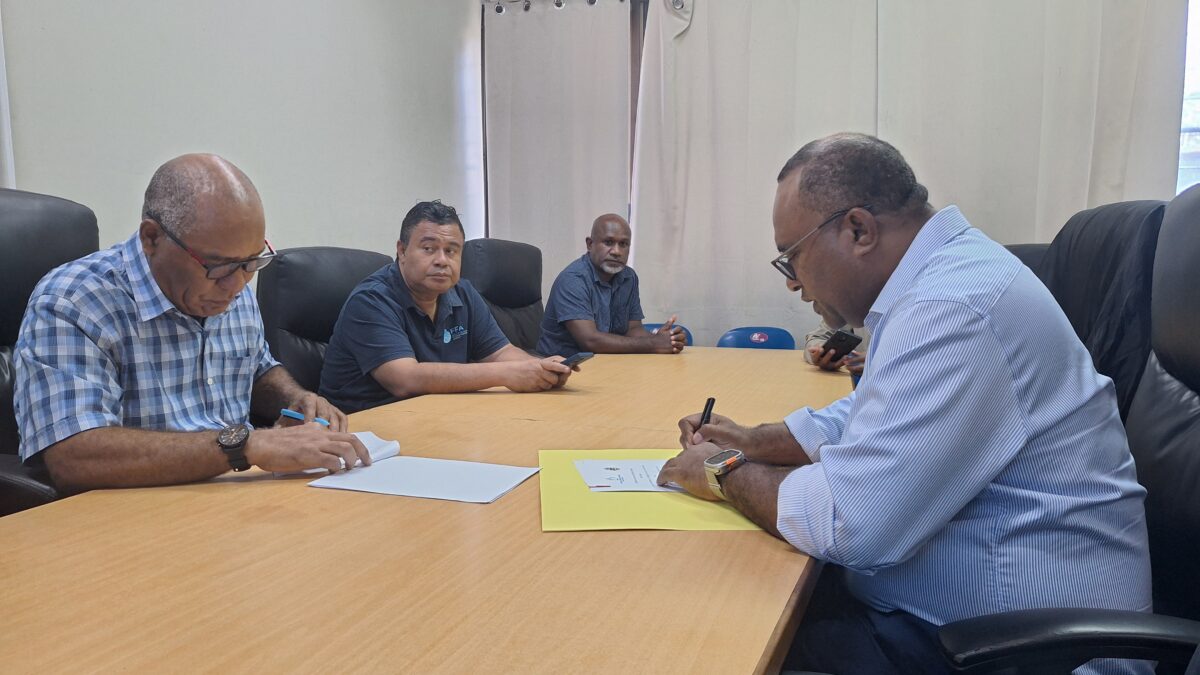
Solomon Islands and Papua New Guinea (PNG) have formalized fisheries cooperation through a memorandum of understanding (MOU) aimed at sharing technical expertise, developing coastal fisheries and improving livelihoods in their communities.
The agreement establishes a framework for technical assistance, joint initiatives and potential co-funding in areas of mutual interest, with both countries looking to expand cooperation beyond commercial tuna fisheries.
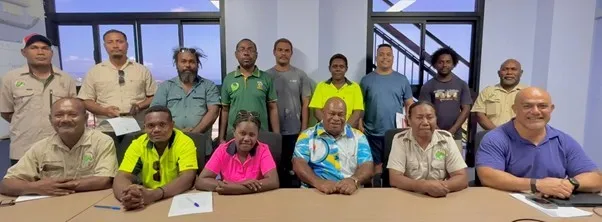
Solomon Islands Ministry of Fisheries and Marine Resources Permanent Secretary Christian Ramofafia welcomed the partnership, describing it as an opportunity for the neighboring countries to share experiences and strengthen support for their coastal communities.
Ramofafia said an estimated 80% to 90% of Solomon Islands' population depends on coastal fisheries for their livelihoods, making the sector important to household incomes and community development.
He said cooperation with PNG would help build local capacity and enable communities to become more self-reliant.
The National Fisheries Authority (NFA) of PNG Managing Director Justin Ilakini said the agreement would allow the two countries to explore opportunities in non-tuna fisheries, which account for an estimated 97% of PNG's population's fisheries-related livelihood dependence.
Ilakini said PNG was particularly interested in Solomon Islands' experience in seaweed farming, an area where the country has struggled to achieve its desired results despite investments and study visits to Malaysia and Indonesia.
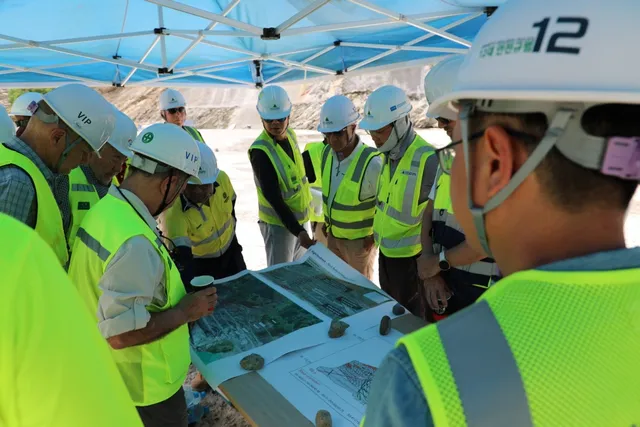
Following informal discussions between the two countries, a PNG fact-finding team visited Solomon Islands to observe seaweed farming operations and learn from local farmers.
The team was impressed by the results achieved at the community and farm levels, prompting renewed interest in expanding seaweed farming in PNG.
Ilakini said PNG was looking to roll out its seaweed program in several provinces, with the Solomon Islands experience providing lessons for its development.
He said formalizing the partnership through the MOU was important because it established a government-to-government commitment based on mutual respect, technical support and cooperation.
Ilakini assured Ramofafia and the Solomon Islands government that PNG was prepared to provide technical assistance and co-funding in mutually agreed areas.
Beyond seaweed farming, PNG also expressed interest in the Bina Harbour project and a proposed longline fishing initiative under the ENBI Initiative.
Ilakini said NFA management was keen to explore opportunities associated with the two initiatives and had begun considering a budget for the next phase of cooperation.
He said PNG was eager to put the agreement into operation and would follow Solomon Islands' government procedures in providing technical assistance.
The MOU provides a basis for both countries to pursue joint fisheries development activities, share technical knowledge and strengthen coastal fishing communities, as they seek to broaden the economic and livelihood benefits of their marine resources.