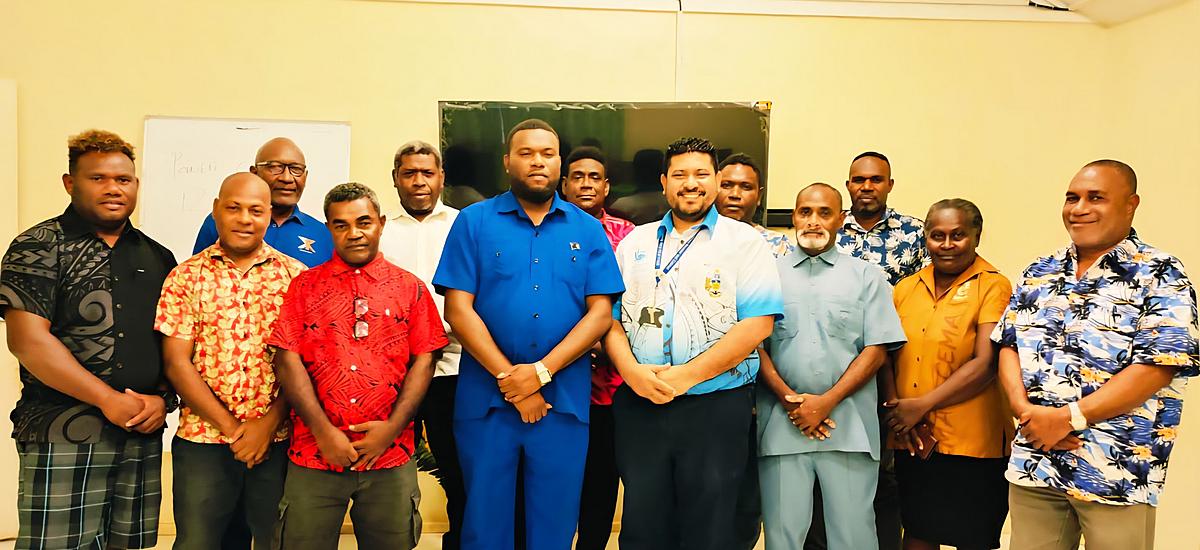
A Solomon Islands government cabinet sub-committee overseeing reforms to the Commodities Export Marketing Authority (CEMA) has conducted an official visit to Central Islands Province to support plans aimed at revitalising rural commodity markets and strengthening agricultural exports.
The CEMA Cabinet Sub-Committee visited the province from March 4 to 7 at the invitation of the Central Provincial Government, as part of efforts to align provincial development priorities with the government’s economic transformation agenda.
During the visit, the delegation briefed provincial leaders on the CEMA Revitalisation and Recapitalisation Strategy (2021–2027), which aims to restore the authority’s commercial trading functions, improve market access for farmers and expand value-added processing and export opportunities.
The strategy focuses on strengthening supply chains for key commodities including coconut and cocoa, two major agricultural products for rural communities.
Central Islands Province Premier Kenneth Sagupari said the province was ready to support initiatives that deliver concrete development outcomes. He pointed to proposed projects including a coconut refinery, the revitalisation of the Hakama Agriculture Centre and plans for a Special Economic Zone.
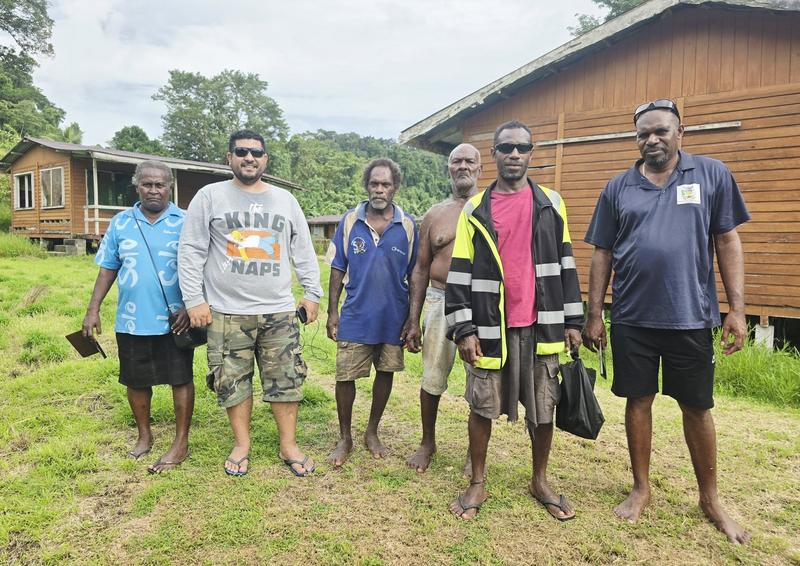
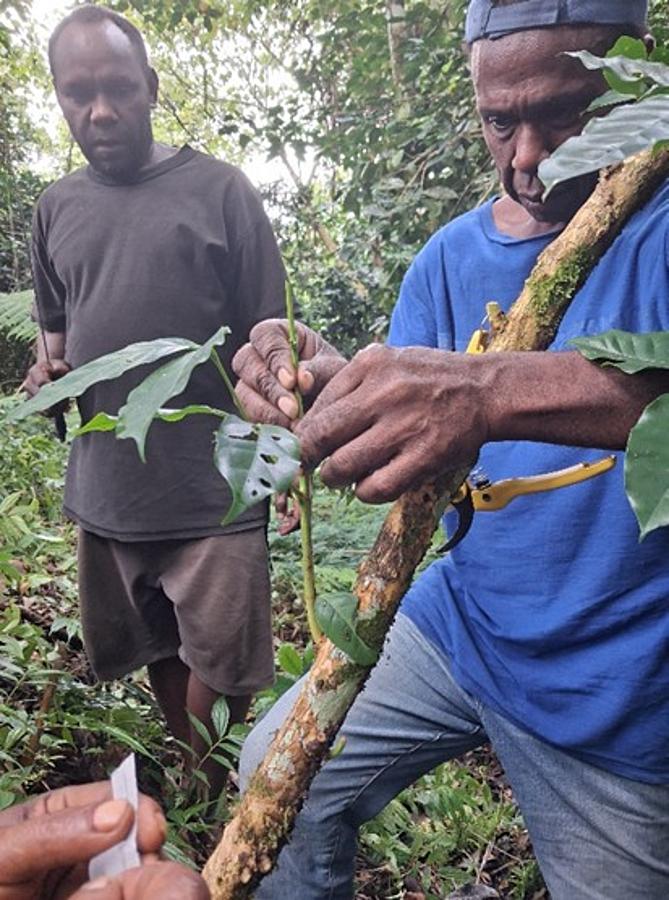
Members of the delegation met with provincial officials, ward representatives, church leaders and farmers to discuss ways to increase copra and cocoa production, establish commodity clusters and develop downstream processing and export markets.
The group also conducted a site visit to agricultural land at Hakama earmarked for future development.
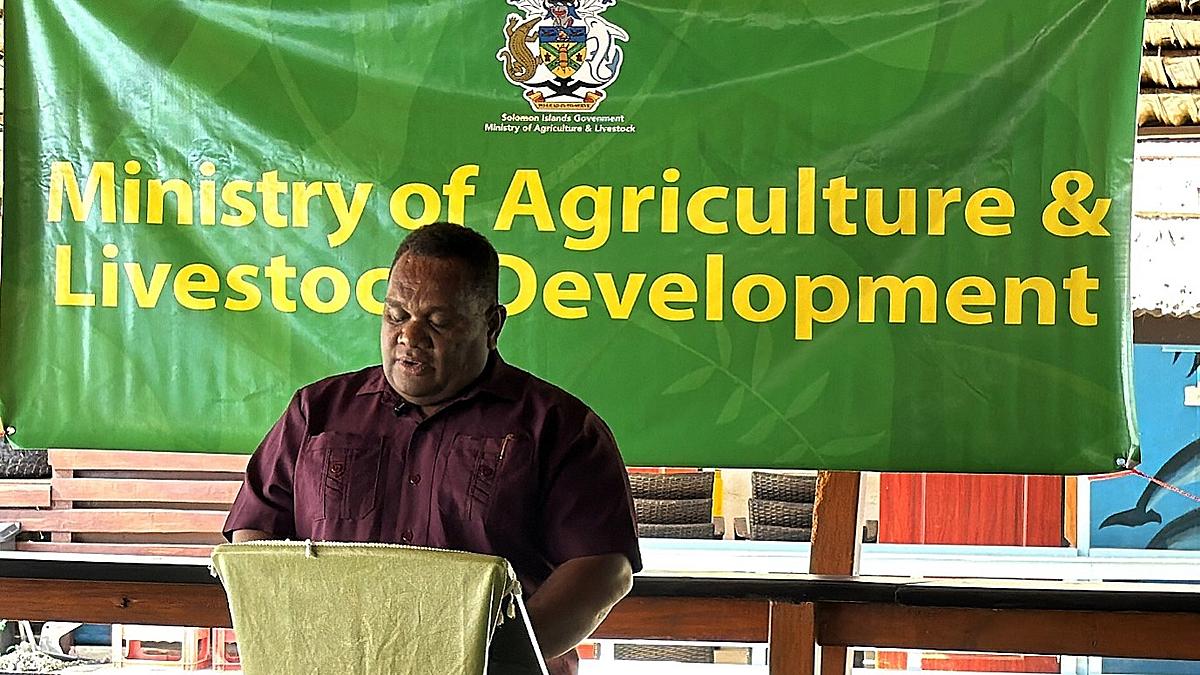
Simon Chottu, director of the CEMA Cabinet Sub-Committee, said the reforms are aimed at strengthening rural commodity value chains and improving farmers’ access to reliable markets.
“The CEMA revitalisation is about reconnecting rural farmers to reliable markets and strengthening commodity value chains,” he said.
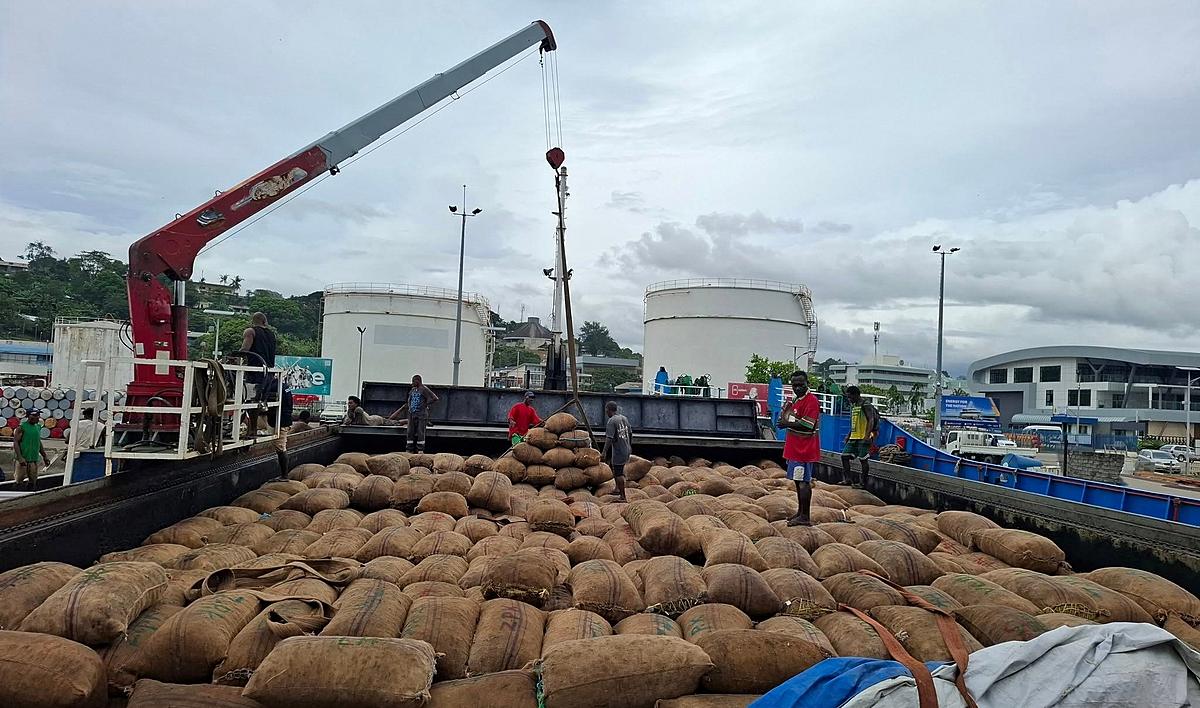
Central Islands Province is one of the country’s key agricultural areas, producing an estimated 3,300 to 3,800 metric tonnes of copra each year, valued at between SBD$15 million and SBD$18 million.
The government said the visit underscores efforts to strengthen cooperation between national and provincial authorities and to translate national economic policies into practical opportunities for rural communities.