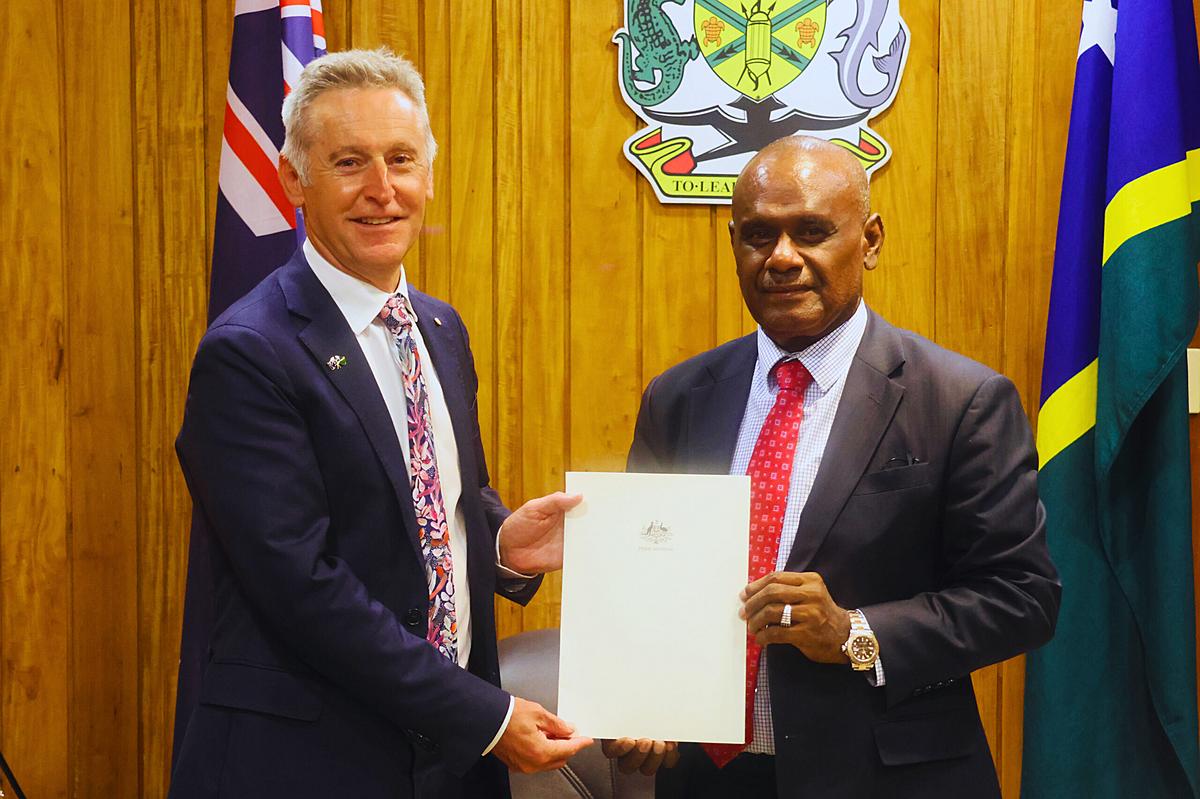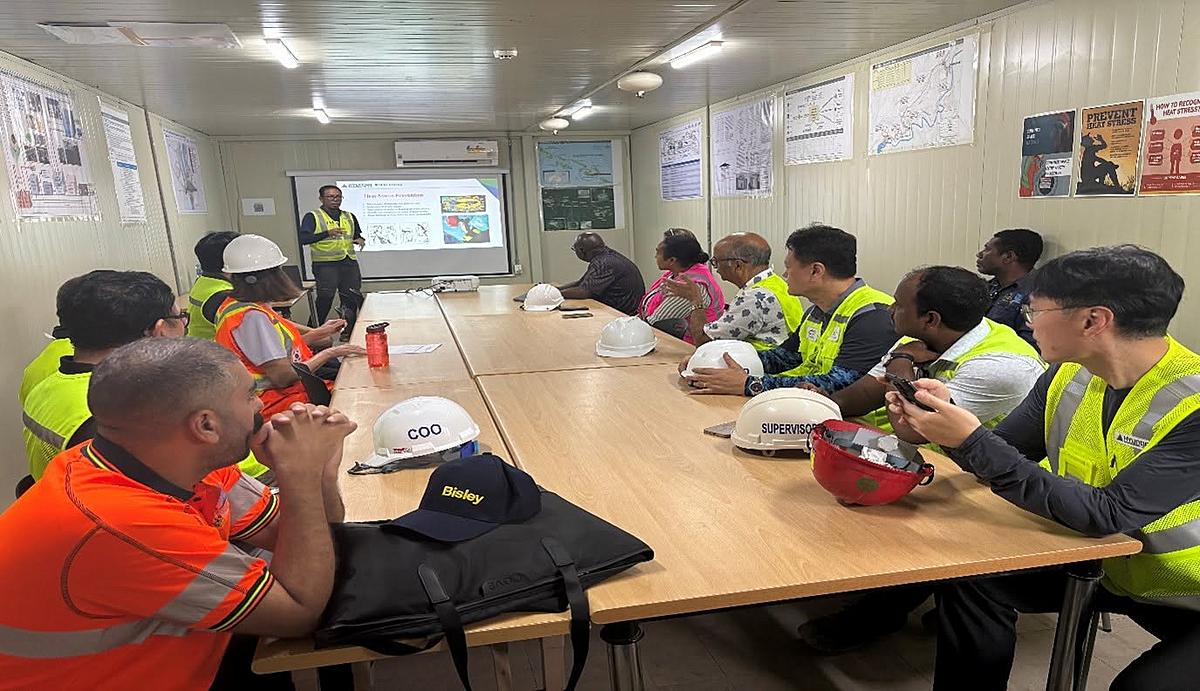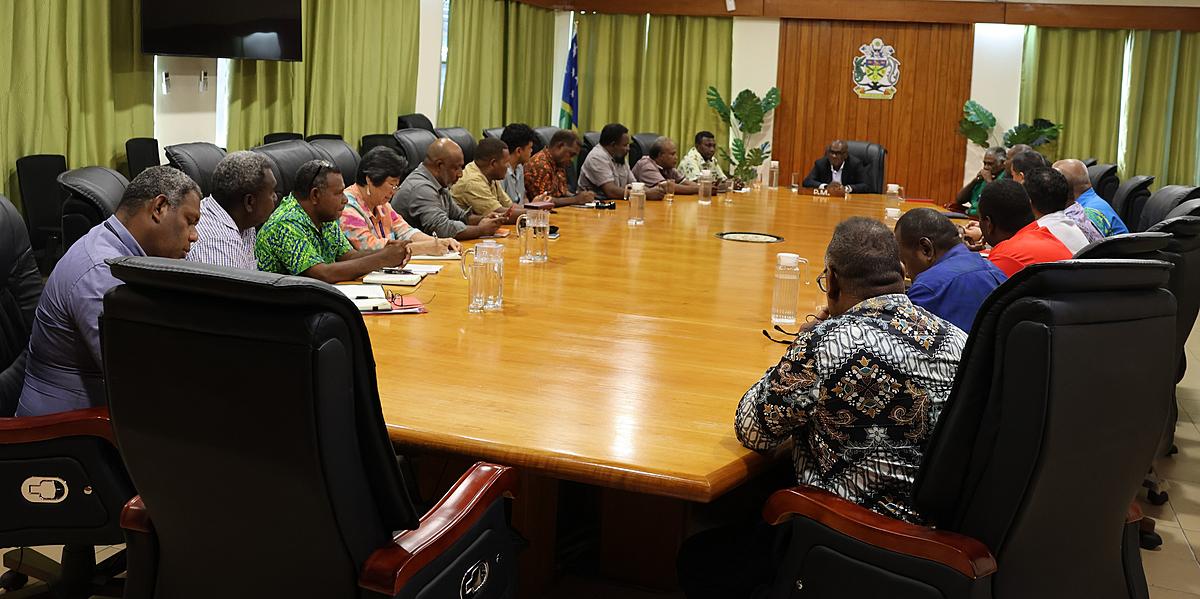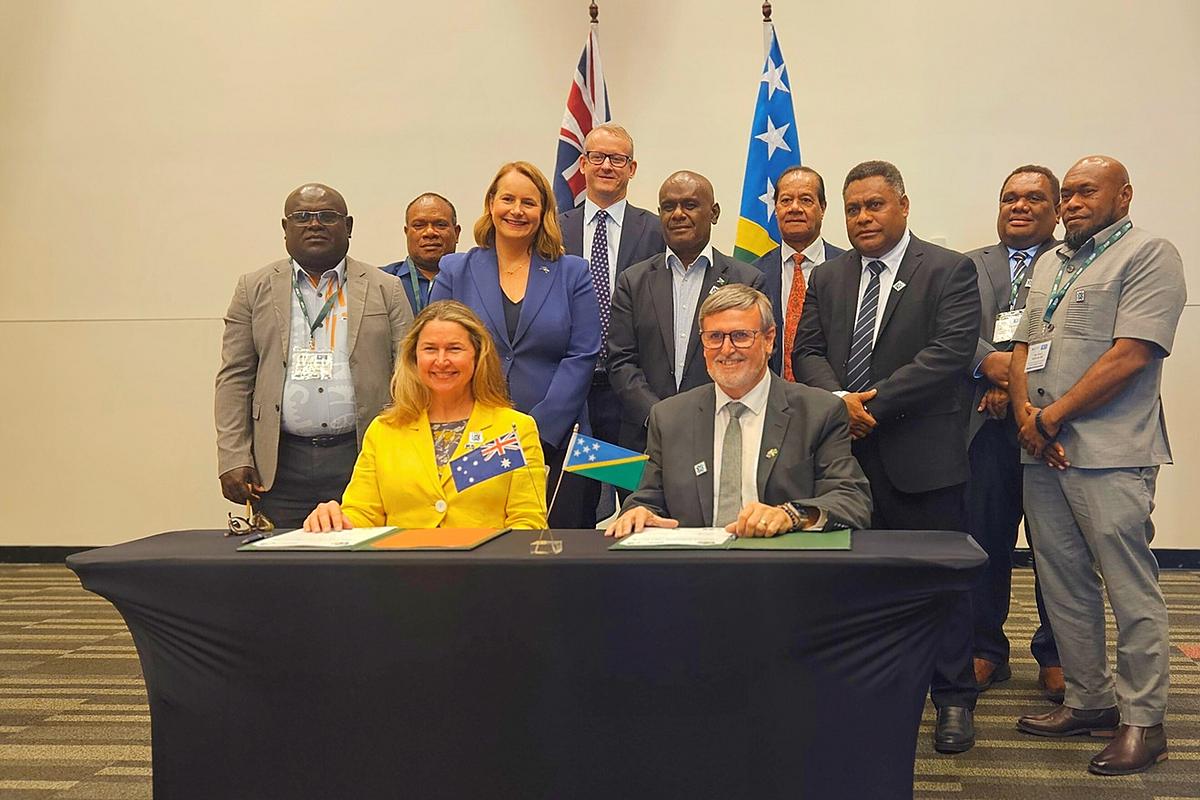
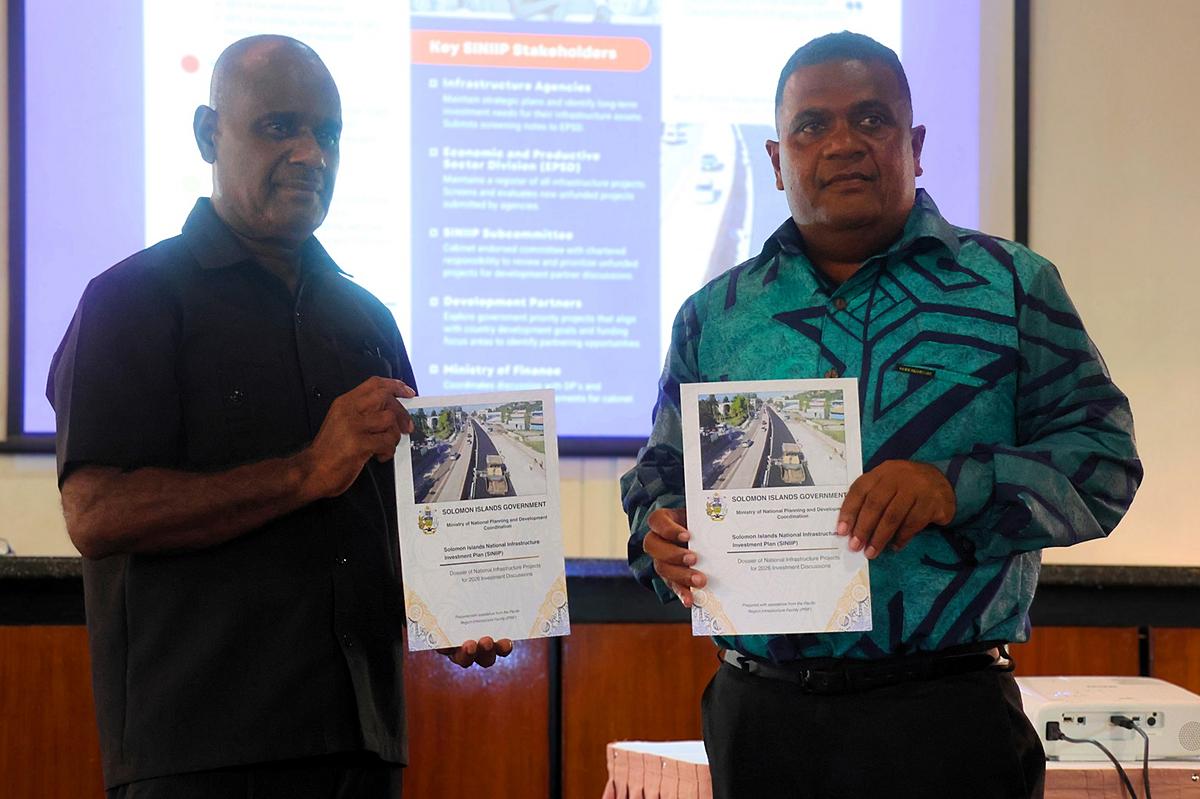
Solomon Islands Prime Minister Jeremiah Manele has launched the Solomon Islands National Infrastructure Investment Plan (SINIIP) 2026 Dossier, outlining more than SBD$19 billion ($2.2 billion) in proposed infrastructure projects aimed at supporting economic growth and improving public services.
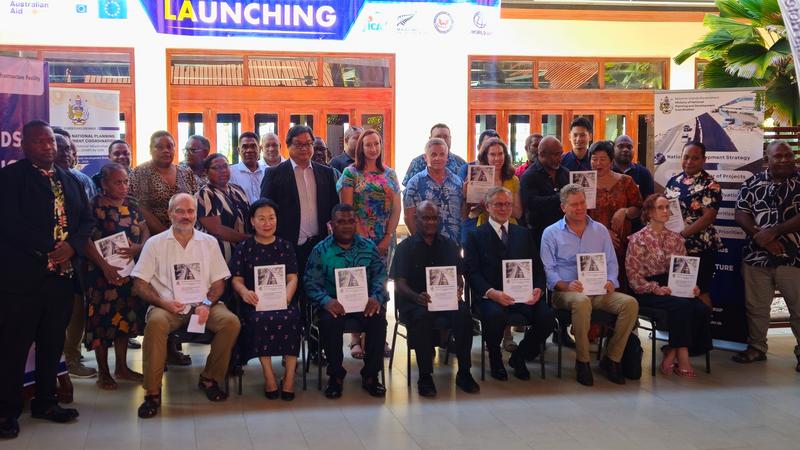
The plan was unveiled in Honiara on March 9 during a launch event attended by government ministers, diplomats, development partners, state-owned enterprises, private sector representatives and civil society organisations.
The SINIIP serves as a national planning framework designed to identify and prioritise major infrastructure projects across the country. The 2026 dossier consolidates proposals submitted by government ministries, provincial governments, state-owned enterprises and other stakeholders into a single pipeline of priority projects.
Manele said infrastructure development is central to the government’s development agenda and aligns with the Government of National Unity and Transformation’s policy pillars of economic transformation, infrastructure development, unity and stability, and human capital development.
“Infrastructure is not simply about roads, ports, power systems or buildings. Infrastructure is about opportunity. It is about connecting our islands, empowering our people, strengthening our economy and building resilience for future generations,” he said.
According to the government, the updated investment plan aims to ensure infrastructure projects are properly planned, prioritised and implemented to deliver inclusive and sustainable development outcomes.
The framework also helps coordinate discussions with development partners and investors to mobilise financing for projects aligned with national priorities.
Several major projects have already progressed under the plan, including the Tina River Hydropower Project, solar and electricity grid expansion in Malaita, and the near completion of the National Broadband Programme, which has installed 98 telecommunications towers to expand connectivity across the country.
The government has also reported progress in social infrastructure, including 22 health projects valued at approximately SBD$3.7 billion and 37 education initiatives, including upgrades to secondary schools and facilities at Solomon Islands National University.
Key priority sectors identified under the 2026 infrastructure dossier include transport connectivity, renewable energy and information and communication technology, water supply and sanitation, health and education infrastructure, as well as facilities supporting fisheries, agriculture and commerce.
Manele acknowledged the role of development partners supporting infrastructure development in Solomon Islands, including the Pacific Region Infrastructure Facility and institutions such as the Asian Development Bank, World Bank Group and Japan International Cooperation Agency.
“As we look forward to celebrating our 50th Independence anniversary in 2028, the Government is committed to a clear and coordinated infrastructure investment pathway that aligns with our national development priorities and reflects our shared ambition for inclusive and sustainable economic growth,” he said.
He added that strong partnerships between government, development partners, the private sector and communities would be essential to ensure successful implementation of the plan.